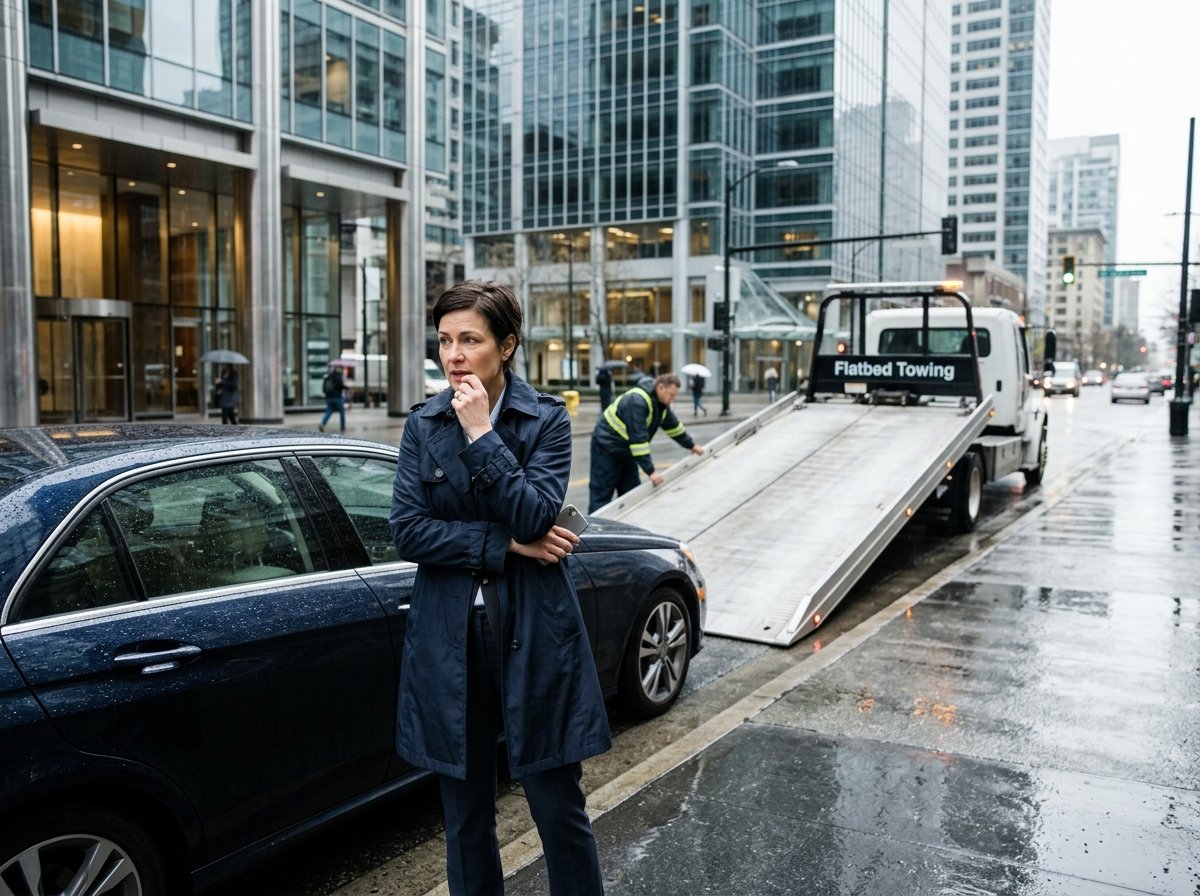
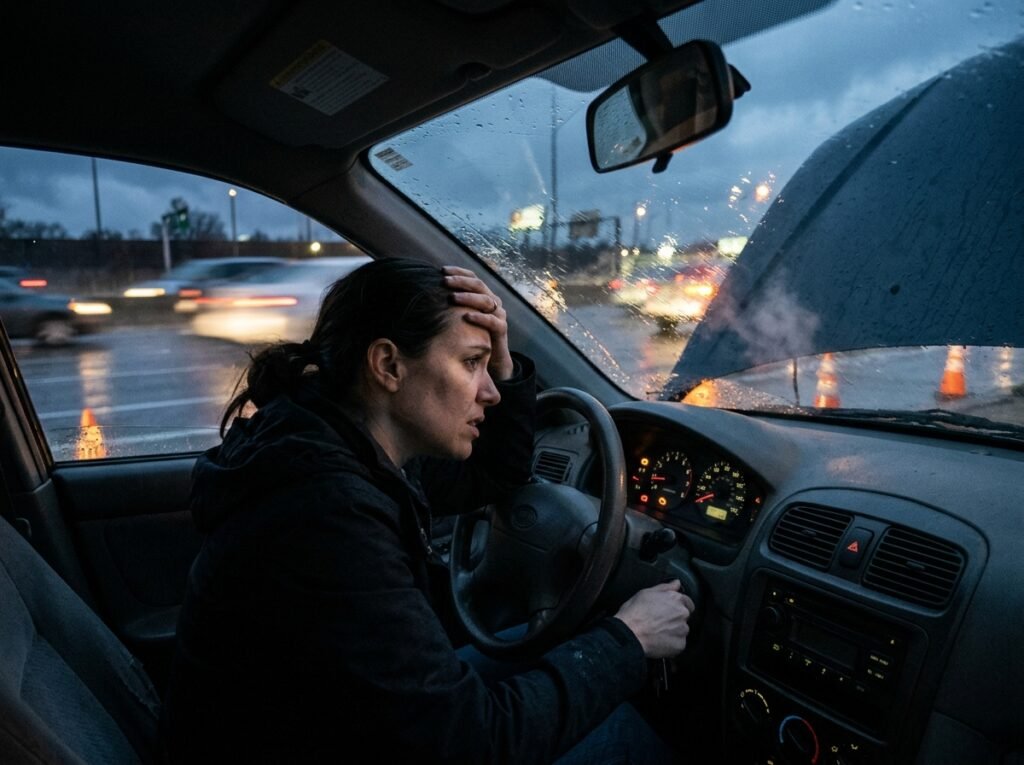
A car problem can feel worse when you do not know which truck to request. Start by sharing the warning lights, sounds, damage, and exact location with 24 hour roadside assistance. Dispatch can then help match the call to a simple roadside service or a tow.
Quick overview
- The engine will not start, but you do not know if the battery is the cause.
- A tire is flat, cut, or off the rim, and you are not sure it can be changed safely.
- The car is locked, out of fuel, or stuck in a low parkade.
- A warning light, leak, crash, or steering problem may make driving unsafe.
In this guide
- Give dispatch clear facts instead of guessing what repair is needed.
- Ask which unit is being sent and whether a tow may still be needed.
Simple version: match the service to the risk.
- Dead battery with no other damage: ask about a boost.
- Usable spare and safe wheel area: ask about a tire change.
- Keys locked inside or empty fuel tank: ask about roadside help.
- Crash damage, bad steering, major leak, or no safe repair space: ask for a tow.
Roadside Repair Or Tow: The Fast Answer
- Book roadside help for a boost, tire change, lockout, fuel delivery, or basic tire inflation.
- Book a tow when the vehicle cannot be made safe to drive at the scene.
- Send photos and exact symptoms so dispatch can choose the right unit.
What Roadside Repair Means
Roadside repair usually means a limited service that gets the vehicle moving again. It may include car battery boost services or tire repair services when the problem is simple and the work area is safe. It is not the same as a full shop repair.
Context (what matters in this situation):
- A boost may help when the battery is weak, but it will not fix a failed alternator.
- A tire service may help with a spare, small repair, or inflation, but not every damaged tire is safe to reuse.
- A lockout service may open the vehicle, but damaged locks or missing keys may need a locksmith or dealer.
- Fuel delivery may get the engine running, but a no-start after delivery may need a tow.
How Dispatch Chooses The Right Service
The best choice starts with details. For a flat tire, dispatch may first check whether mobile tire change services can reach the vehicle and whether you have a usable spare.
What this usually looks like (real-world flow):
- You explain what happened just before the vehicle stopped.
- You share the dashboard lights, sounds, smoke, leaks, and visible damage.
- You confirm the vehicle type, drive system, tire condition, and key access.
- You describe the road, shoulder, lane, parkade height, or loading area.
- Dispatch matches the problem to a roadside unit or tow truck.
Details to confirm (so you get the right help fast):
- Send a clear photo of the tire, battery area, or damage when safe.
- Give the nearest address, cross street, level, stall, and clearance sign.
- Say whether the car rolls, steers, brakes, and shifts into neutral.
What you should get as the outcome:
- A simple issue may be handled where the car is parked.
- A risky or failed roadside attempt may change the job to a tow.
- Clear details reduce the chance of sending the wrong equipment.
Check Coverage Limits And Possible Extra Costs
Insurance or membership plans can have limits, so read the terms before booking. Use this roadside booking checklist to confirm the job details before a unit is sent.
Limits / constraints (what can slow things down):
- Some plans cover only certain services, distances, or claim counts.
- Some plans require you to call their dispatch line first.
- A failed roadside fix may not include the later tow.
- Commercial, heavy, modified, or oversized vehicles may have different limits.
Hidden costs to watch for:
- Extra labour when access is blocked or parts are seized.
- Special equipment for low clearance, locked wheels, or difficult loading.
- Longer towing distance, after-hours demand, or a second destination.
- Parts, fuel, replacement batteries, or tires supplied at the scene.
What To Do Before You Book
First, name the main problem. Ask about car lockout services when the keys are inside, or fuel delivery services when the tank is empty. If the car has damage or cannot move safely, say that you may need a tow.
- Ask for the service type, estimated arrival window, price details, and payment options.
- Confirm whether the job can change from roadside help to towing if the first plan does not work.
Our Recommendations Before Dispatch
Describe symptoms, not your guess about the cause.
Send photos of warning lights, tire damage, leaks, and the parking area.
State the vehicle year, make, model, drive type, and approximate weight class.
Ask what happens if the roadside service does not solve the problem.
Confirm all expected fees before the unit is dispatched.
Keep the receipt and job details for insurance or membership records.
Stay Safe While Help Is Coming
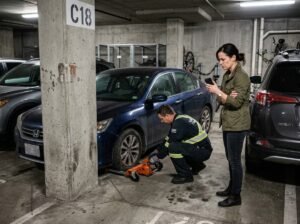
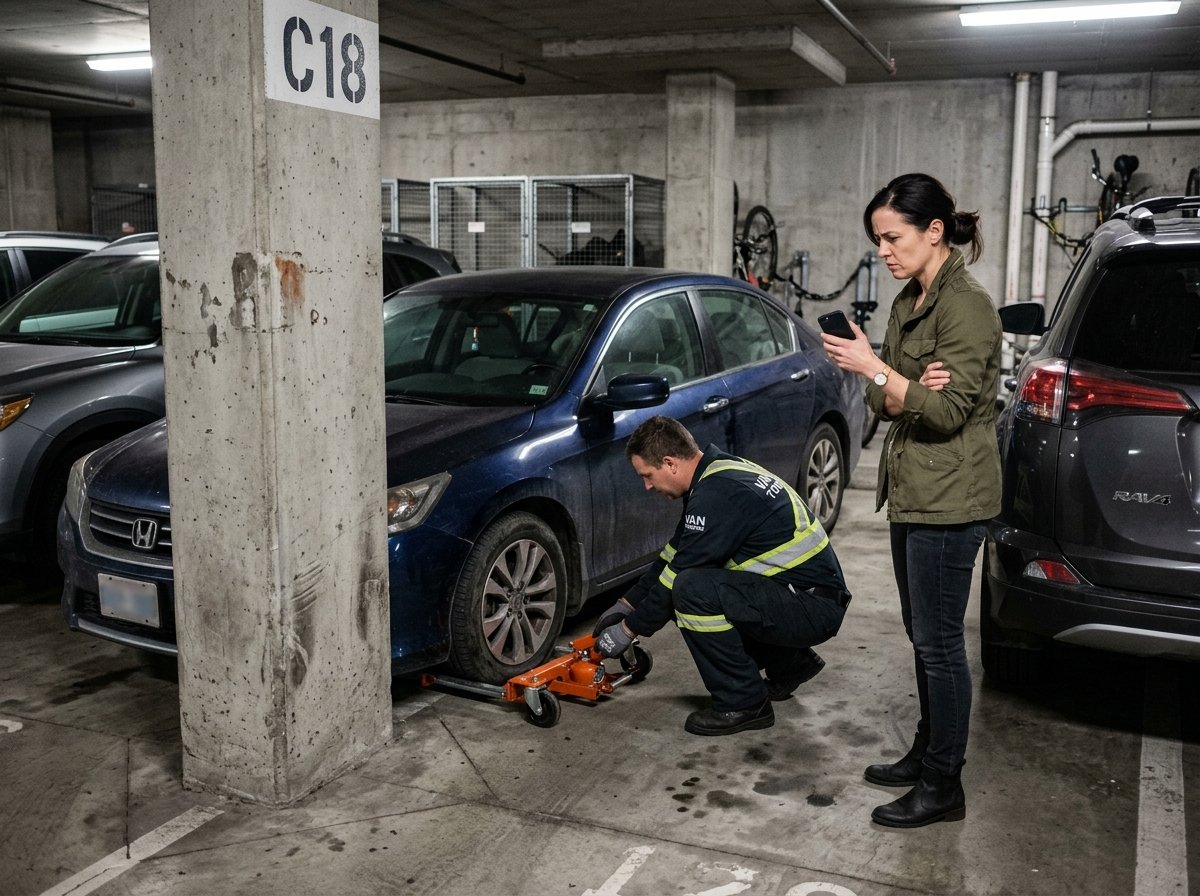
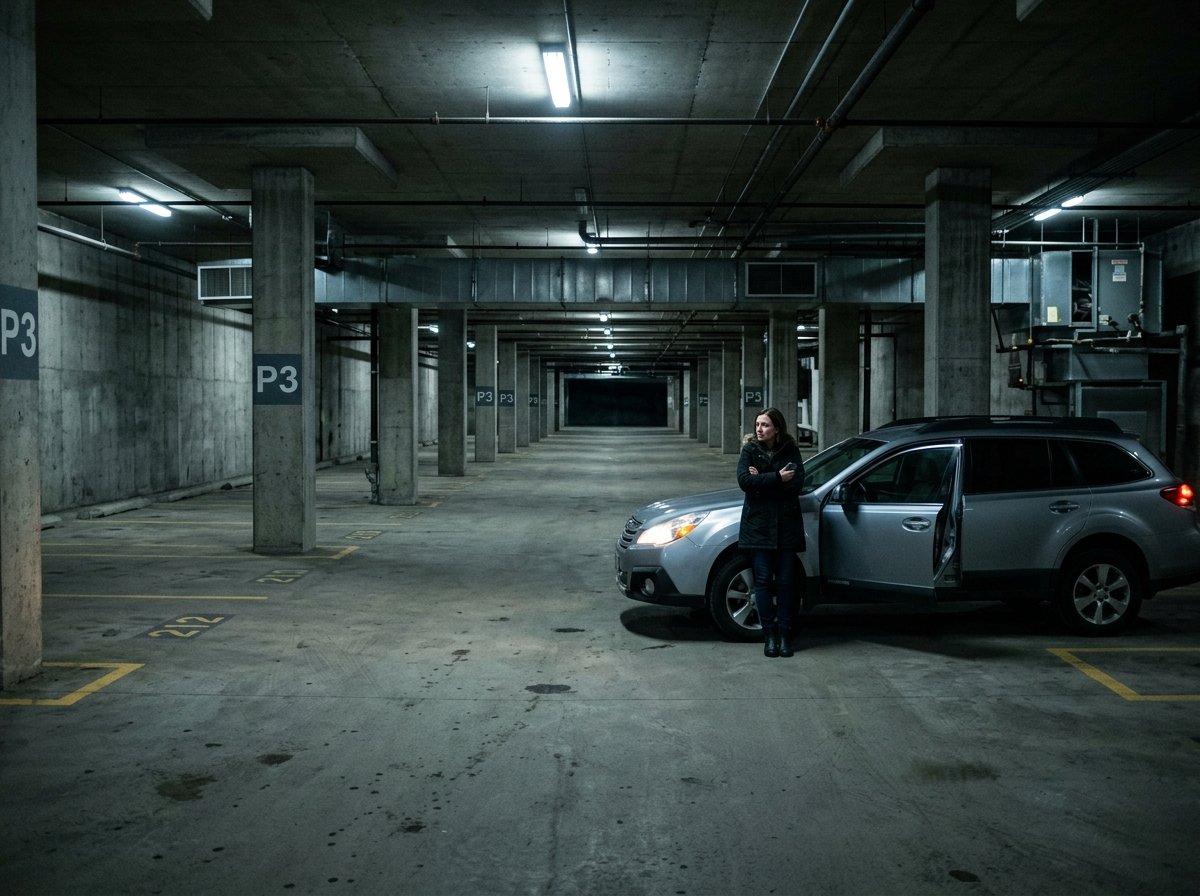
Do not work beside moving traffic or in a place with poor sight lines. In a condo or garage, share the height, level, ramp, gate, and stall details for underground roadside assistance.
A good option is:
- Move to a safe place only if the vehicle can be moved without more risk.
- Turn on hazard lights and use warning devices when it is safe and legal.
- Stay behind a barrier or inside a safe building when traffic is close.
- Do not touch hot parts, leaking fluids, damaged wiring, or a smoking battery.
- Call emergency services when there is a crash, injury, fire, or immediate danger.
Scenario 1: The Car Will Not Start
A boost may be enough when the lights are weak and there is no major damage. When the battery will not hold power, ask whether car battery replacement services are suitable or whether the car should be towed for testing.
Do this:
- Tell dispatch whether the engine clicks, cranks slowly, or stays silent.
- Mention battery age, warning lights, and any recent jump-start attempts.
- Do not keep boosting a hot, swollen, leaking, or damaged battery.
Scenario 2: The Tire Is Flat
A low tire may only need air, but a cut sidewall, bent wheel, or tire off the rim may need a change or tow. Ask about tire inflation services only when the tire appears safe to inflate.
We recommend this:
- Share a photo of the tread, sidewall, wheel, and road surface.
- Confirm whether a spare tire, wheel lock key, and jack points are available.
- Do not drive on a flat tire just to reach a better parking spot.
Scenario 3: The Vehicle Is Heavy Or Unsafe To Drive
A van, work truck, or other heavy vehicle may need different equipment. Even a no-start can require heavy vehicle battery boost services or a tow unit matched to the vehicle size.
Here’s a simple path forward:
- Give the vehicle class, length, height, weight, and load details.
- Report steering, brake, wheel, suspension, collision, and leak problems.
- Do not drive when control, braking, or vehicle stability is in doubt.
Suggested plan:
Step 1: Send The Main Facts
Share your phone number, exact location, vehicle details, symptoms, and photos. Ask for the service type and estimated arrival window in writing when possible.
Step 2: Share A Clear Location
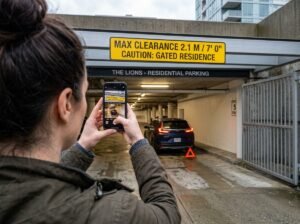
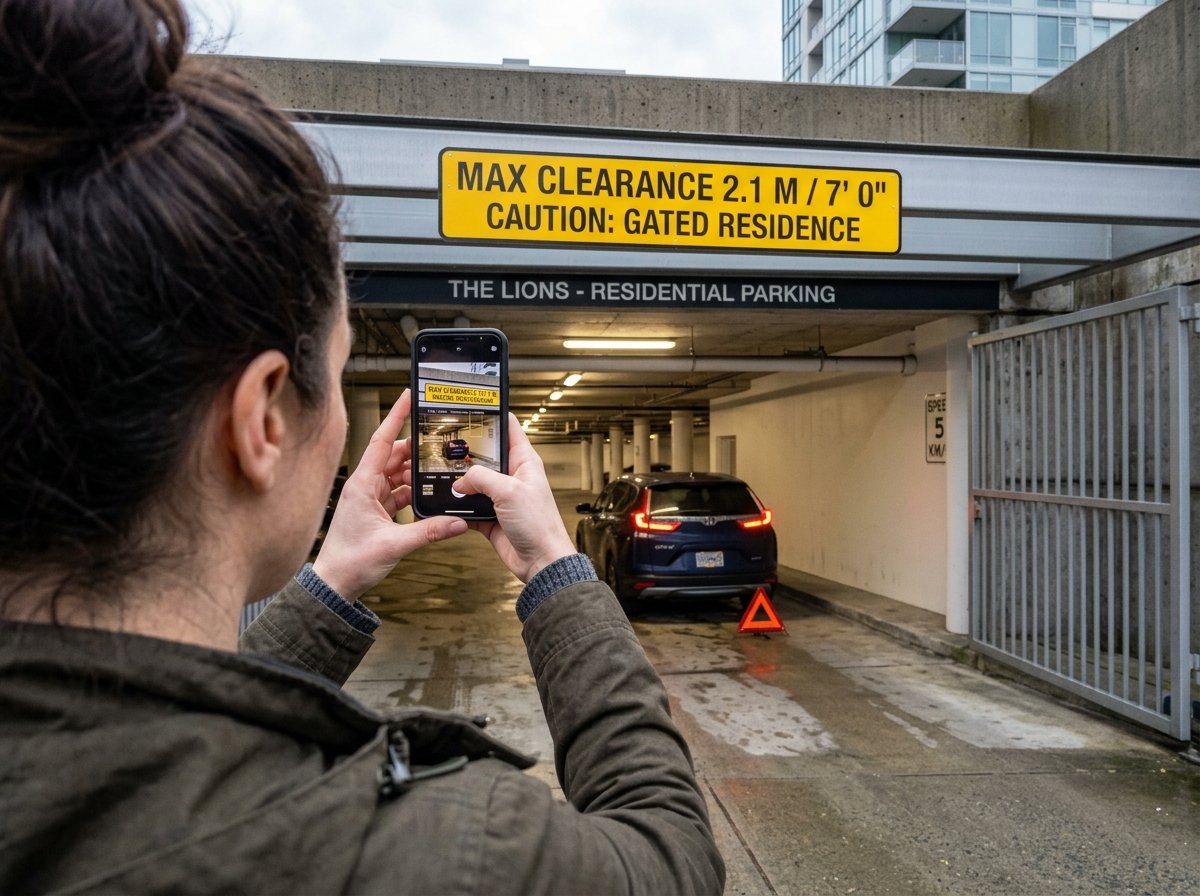
Send a map pin plus the closest address, cross street, landmark, parkade level, stall number, gate code, and clearance height. Tell dispatch where the driver can safely stop.
Step 3: Confirm The Assigned Service
Before the vehicle arrives, ask whether a technician is assigned and what equipment is coming. This guide explains the difference between a unit that is assigned or merely requested.
ICBC roadside expense guide
The ICBC emergency roadside expenses page explains when some roadside costs may be repaid under eligible coverage. It also lists claim timing and receipt needs. Read it before you throw away an invoice. Coverage depends on your policy.
Roadside Repair Or Tow FAQs
Can roadside help reach a low-clearance Vancouver parkade?
It may be possible when dispatch knows the clearance, ramp, gate, level, and stall before sending a unit. Read the low-clearance parkade guide and send photos of the entrance sign. A tow may need special equipment if the car cannot be repaired in place.
Should I book a boost or a tow for a dead battery?
Ask for a boost when the battery seems weak and the vehicle has no other major problem. If it will not start after a safe boost, loses power again, or shows charging warnings, a tow to a repair shop may be safer.
Can a flat tire be repaired at the roadside?
Some tread punctures may be repairable, but sidewall cuts, wheel damage, and tires driven while flat are different. Send a clear photo before dispatch. The technician may recommend a spare change or tow after seeing the damage.
What if I book roadside help and then need a tow?
Ask before dispatch whether the job can be changed and how the price will be handled. Confirm whether a second unit, extra labour, or added wait time may apply. Get the updated total before the tow begins.
What details help dispatch choose correctly?
Give the vehicle year, make, model, drive type, symptoms, warning lights, visible damage, and exact location. Also say whether the car rolls, steers, brakes, and shifts into neutral. Photos can prevent the wrong unit from being sent.
Can I wait inside a nearby building?
Yes, when the car is secure and dispatch knows where to find you. Keep your phone on, watch for text updates, and return only when the driver says it is safe. Do not wait in a live lane or beside fast traffic.