Your request may be in the system before a specific driver accepts it. When you book 24 hour roadside assistance in Vancouver, ask whether a technician is assigned now or the job is still waiting for dispatch. That answer helps you plan where to wait and when to ask for an update.
Quick overview
- You received an ETA but no driver name.
- The dispatcher said the request was sent out.
- You do not know whether a truck is already moving.
- You need help in a street lane, lot, or parkade.
In this guide
- A clear status answer is more useful than a vague promise.
- Exact vehicle and access details help dispatch choose the right unit.
Simple version: ask these four questions before ending the call.
- Has a specific technician accepted my job?
- What is the current ETA window?
- Will I get a text or call when the driver is moving?
- What should I do if the ETA passes?
TL;DR: Confirm the status, not just the request
- Ask whether the job is requested, assigned, or en route.
- Repeat your exact location, vehicle, and service need.
- Set a clear time for the next update.
What “requested” and “assigned” mean in practice
A roadside request starts with your location, vehicle, and problem. For a no-start call, dispatch may first check whether car battery boost service fits the symptoms and access. “Requested” often means the call is entered or offered to available units. “Assigned” should mean a specific technician or unit is linked to your job, but ask the dispatcher what those words mean for your booking.
Context (what matters in this situation):
- Requested: your details are logged and dispatch is looking for a fit.
- Assigned: a named technician or unit is tied to the job.
- En route: the technician has started travelling to you.
- On scene: the technician has reached the agreed pickup point.
How a roadside call moves from request to arrival
Dispatch must match the problem to the right tools and access. A simple car lockout service may need different gear than a flat tire, dead battery, or vehicle in a low parkade. Give complete details early so the job does not need to be reassigned later.
What this usually looks like (real-world flow):
- You call or submit the roadside request.
- Dispatch confirms your phone number and exact location.
- Your vehicle type and problem are added to the job.
- An available technician is matched to the service and access.
- You receive an updated ETA when the technician is assigned or moving.
Details to confirm (so you get the right help fast):
- Share the make, model, colour, and plate when asked.
- State whether the vehicle rolls, steers, and is safely reachable.
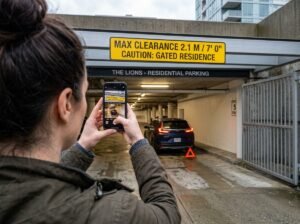
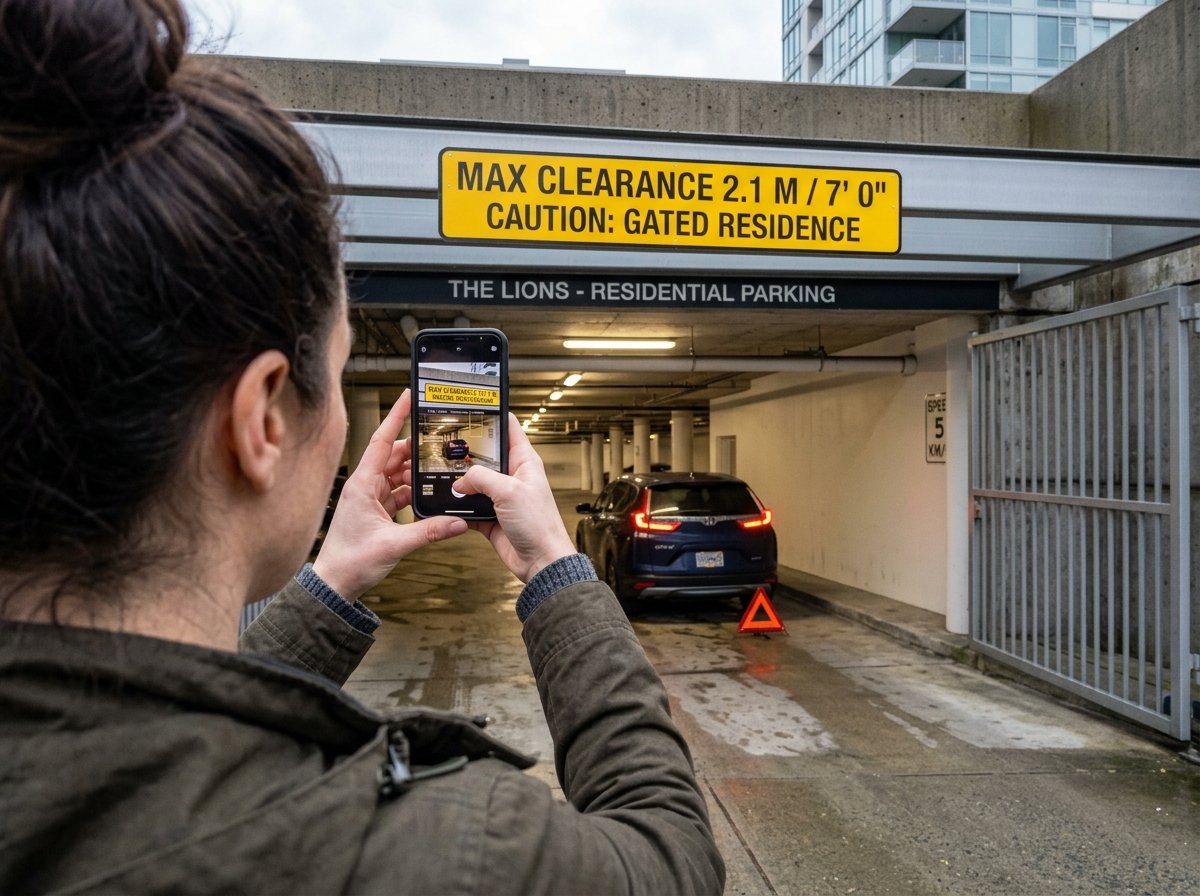
- Mention gates, height limits, loading zones, or locked parking areas.
What you should get as the outcome:
- You know whether someone has accepted the job.
- The ETA is tied to the latest dispatch status.
- The technician arrives with a better idea of the service needed.
Membership limits and costs that can change after dispatch
Insurance or roadside memberships may approve a request before a local provider is assigned. Larger vehicles can also need a different unit, such as heavy vehicle battery boost service. Ask who is paying, what is covered, and whether the quoted service matches your vehicle and location.
Limits / constraints (what can slow things down):
- A membership request may still wait for a local provider to accept it.
- Coverage may limit distance, service type, or number of calls.
- Parts such as a battery, tire, or fuel may not be included.
- A change from roadside repair to towing may need new approval.
Hidden costs to watch for:
- Parkade access or extra labour may change the final price.
- After-hours, long-distance, or difficult-access fees may apply.
- A second service may cost more if the first fix does not solve the problem.
- Ask whether tax, parts, fuel, and disposal are included in the quote.
What to do before you end the booking call
Confirm the service type first. If the tire is damaged but a safe spare is available, mobile tire change service may fit better than a tow. Then ask for the job status, ETA window, update method, and next check-in time.
- Write down the booking time and the status words the dispatcher used.
- Keep your phone on, but move to a safe place when possible.
Our recommendations before you rely on the ETA
Ask for the exact status: requested, assigned, or en route.
Ask whether a driver name or unit number is available.
Confirm the ETA is a window, not a guaranteed minute.
Choose text updates when noise or poor reception may block calls.
Tell dispatch about access limits before a unit is assigned.
Call back at the agreed update time if the status has not changed.
Stay safe while you wait for roadside help
If the vehicle is underground, tell dispatch before the technician is assigned. Underground roadside assistance may require a low-clearance vehicle and a clear entry route. Do not stand in traffic to guide the driver.
A good option is:
- Turn on hazard lights if it is safe and the battery allows it.
- Move away from live traffic, blind corners, and active driveways.
- Wait behind a barrier or inside a safe building when possible.
- Keep children and pets away from the vehicle and work area.
- Call emergency services for immediate danger, injuries, fire, or a crash blocking traffic.
Scenario 1: You are waiting on a Vancouver street
Your car is safely parked, but the fuel gauge is empty. Confirm whether fuel delivery service has been assigned and whether fuel is included in the quoted amount. Share the block, side of the street, and nearest cross street.
Do this:
- Ask if a specific technician has accepted the fuel call.
- Confirm the fuel type and the amount being brought.
- Ask where the technician can stop safely.
Scenario 2: Your tire is low in a condo parkade
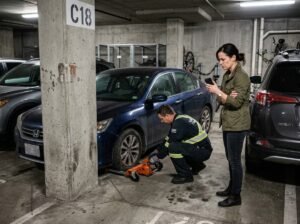
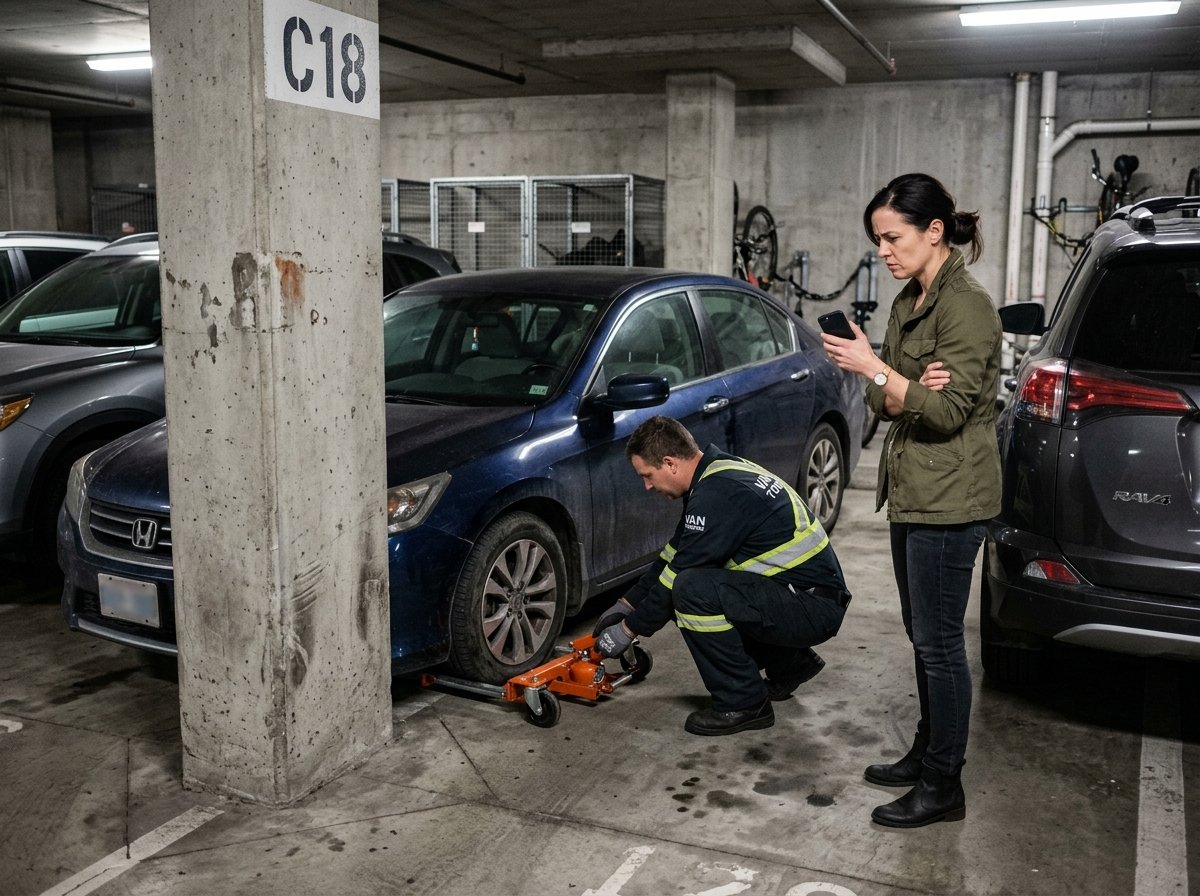
Before dispatch assigns a unit, give the posted height limit and stall level. A slow leak may need tire air-up service only as a short-term step, while visible damage may need repair, a spare, or a tow. Ask what service is being sent and what happens if the tire cannot hold air.
We recommend this:
- Send the entry address, gate instructions, and stall number.
- Confirm whether the technician can enter the parkade.
- Ask whether a second service needs a new quote.
Scenario 3: A third party opened the call
Your insurer or membership line may create the request, but that does not always show whether a local technician is assigned. If the battery will not hold a charge, ask whether car battery replacement service is covered or whether only a boost was approved. Get the local provider name and the next update time.
Here’s a simple path forward:
- Ask for the third-party case or authorization number.
- Confirm the local provider has accepted the job.
- Ask who must approve any added service or cost.
Suggested plan:
Step 1: Give dispatch the full service picture
Describe the problem, not just the warning light. A puncture in the tread may fit mobile tire repair service, but sidewall damage or a bent wheel may need another plan. Add the vehicle size, exact location, and access limits before asking for an ETA.
Step 2: Share a location the driver can use
Send the full street address, nearest cross street, direction of travel, and a clear landmark. For a parkade, add the entry lane, height limit, level, stall, and gate instructions. Ask dispatch to repeat the location back to you.
Step 3: Confirm the next action
Ask which service is booked, whether a technician is assigned, and when you will hear from dispatch again. Use the guides below to check service choice, booking details, and parkade access before arrival.
DriveBC road conditions
Use DriveBC road conditions to check closures, crashes, and major delays near your location. This can help you explain the safest access route to dispatch. It can also show why an ETA may change. Share the road name and nearest landmark, not just a screenshot.
Roadside technician assignment FAQs
How do I know a roadside technician is truly assigned?
Ask for the current status in plain words. A useful answer names the technician or unit, confirms the service, and gives an updated ETA window. If no unit is named, ask when dispatch will check again.
Does an ETA mean the driver is already on the way?
Not always. An early ETA may be a dispatch estimate before a technician is moving. Use the roadside booking checklist to confirm assignment, update timing, and access details before you rely on the ETA.
Can the assigned technician change?
Yes, a job may be reassigned when another call, traffic, equipment, or access changes the plan. Ask whether the new unit can complete the same service. Also ask for a fresh ETA after any reassignment.
Should I book a tow or roadside repair first?
Book the service that best matches what the vehicle can safely do now. The roadside repair or tow guide explains when a boost, tire service, lockout, fuel delivery, or tow may fit. Dispatch may still change the plan after checking the vehicle.
What should I do if the ETA passes?
Call the same dispatch number and give your booking details. Ask whether the technician is still assigned, where the delay started, and what the new ETA window is. Do not leave the vehicle without telling dispatch where you will wait.
What details help a technician get assigned faster?
Give the exact location, vehicle size, problem, and access limits. State whether the car rolls, steers, and has a safe work area. Clear facts reduce the chance that the wrong unit is sent.