If your car needs a flatbed, ask what changes before you approve dispatch. A flatbed towing service may cost differently from a basic tow when the truck, loading time, access, or distance changes. The safest move is to give dispatch your vehicle type, exact pickup spot, destination, and any clearance limits.
Quick overview
- You were quoted a tow, then learned a flatbed may be needed.
- Your car is AWD, electric, lowered, damaged, or cannot roll.
- Your vehicle is inside a parkade with a low height limit.
- You want to know the full charge before the truck leaves.
In this guide
- Ask dispatch to name the truck type and what the quote includes.
- Share photos and clearance details before dispatch when access is tight.
Simple version: confirm these four things before you book.
- Is a flatbed required or only preferred?
- Is the truck type included in the quoted price?
- Are loading, mileage, and access already included?
- Will the price change if the vehicle cannot roll or steer?
TL;DR: Can a Flatbed Change Towing Cost in Vancouver?
- Yes. A flatbed can change the quote if it changes the truck, loading work, or access needs.
- Ask for the full quote in writing and confirm what could make it change.
- Do not choose a cheaper tow method if it does not fit the vehicle or pickup location.
Why Flatbed Service Can Change a Vancouver Tow Quote
A tow quote is based on the job, not just the word “flatbed.” For many passenger cars, light-duty towing may be enough. Other vehicles may need a flatbed, dollies, a low-clearance unit, or more loading work. That is why two pickups in Vancouver can have different prices even when the driving distance looks similar.
Context (what matters in this situation):
- Truck type: a different tow unit may be needed for the vehicle.
- Loading: a car that will not roll, steer, or shift can take more work.
- Access: gates, ramps, narrow lanes, and parkade height can limit truck choice.
- Distance: the pickup-to-drop-off distance can change the total.
What Dispatch Should Ask Before Sending a Flatbed
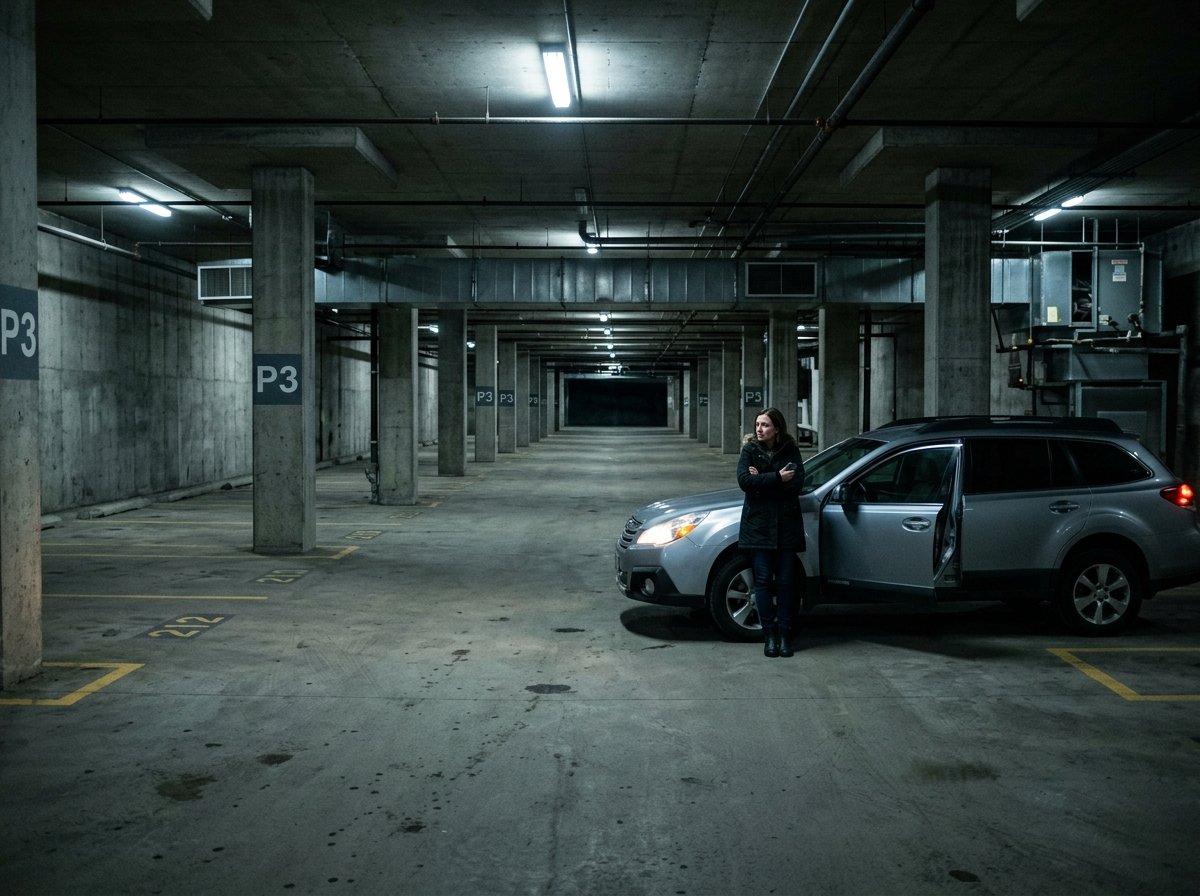
Good pricing starts with good job details. If the car is in a garage, compare the clearance with the needs of underground towing before a truck is sent. If it is an EV or Tesla, tell dispatch the exact model and condition so the correct loading plan can be chosen.
What this usually looks like (real-world flow):
- You call and give the exact pickup address and destination.
- You give the year, make, model, and drive type.
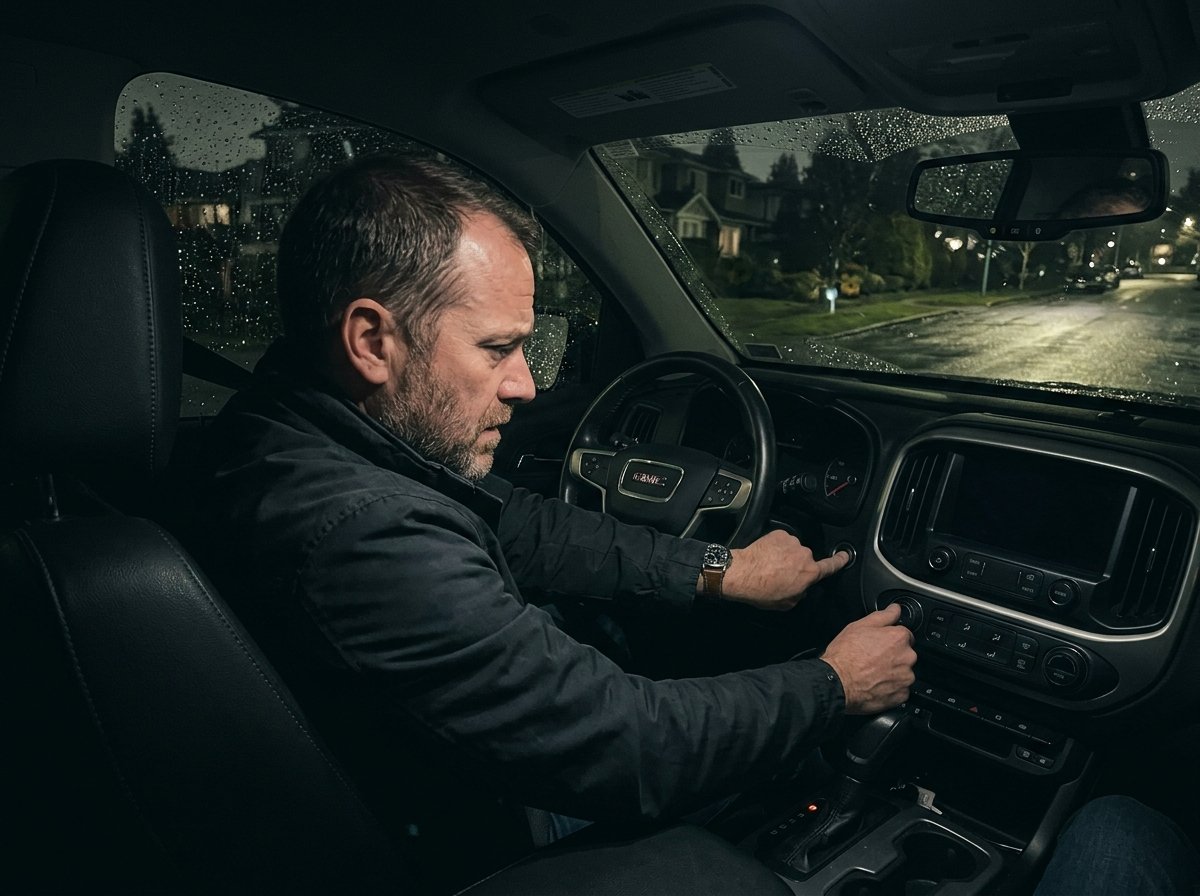
- You explain whether the vehicle rolls, steers, and shifts into neutral.
- You share parkade height, gate access, or photos if the area is tight.
- Dispatch confirms the truck type, quote, and what could change it.
Details to confirm (so you get the right help fast):
- AWD, EV, low-clearance, and damaged vehicles may need special loading.
- A locked wheel, missing key, or blocked access can add work.
- Longer trips may be priced differently from short local moves.
What you should get as the outcome:
- You know why a flatbed is being sent.
- You know which charges are already included.
- You have fewer pricing surprises at pickup.
Flatbed Limits and Extra Costs to Ask About
A flatbed is useful, but it cannot fit every space or solve every loading problem. In a low garage, a different setup such as dolly towing may be part of the plan. Before booking, ask about extra labour, waiting time, recovery work, mileage, and any access issue that can change the quote.
Limits / constraints (what can slow things down):
- Low ceilings may keep a full-size flatbed out of a parkade.
- Tight turns or narrow ramps can limit where the truck can position.
- A vehicle that cannot roll may need extra loading steps.
- Large vehicles may need a different class of tow truck.
Hidden costs to watch for:
- Extra loading or recovery time.
- Dollies, winching, or special equipment when required.
- Extra distance or a changed drop-off location.
- Waiting time caused by blocked access, keys, or site approval.
What to Do Before You Approve Dispatch
Ask for the quote in writing and read what is included. The full quote checklist can help you confirm truck type, mileage, access, and extra work before you say yes. If your pickup is downtown, also check whether the site has a height or entry limit.
- Send the vehicle details, pickup conditions, and destination in one message.
- Ask one clear question: “What can make this quoted price change?”
Our Recommendations for Comparing Tesla towing and Flatbed Quotes
Confirm whether the flatbed is required for the vehicle, not just available.
Ask for the truck type, base charge, mileage, and likely extras in writing.
Share parkade height and photos before dispatch if access is tight.
Tell dispatch if any wheel is locked or the car cannot shift into neutral.
Use the manufacturer towing instructions when your vehicle has special transport rules.
Keep the final receipt in case you need it for insurance or reimbursement.
5 Safety Checks Before a Flatbed Tow
The right setup matters more than choosing the lowest number. A larger vehicle may need truck towing or another truck class instead of a standard car flatbed. Give dispatch accurate weight, damage, and access details so the driver can arrive with the right equipment.
A good option is:
- Move to a safe place away from traffic if you can do so safely.
- Turn on hazard lights and use warning devices when safe and legal.
- Do not crawl under the vehicle or try to free a stuck wheel beside traffic.
- Tell dispatch about leaks, collision damage, missing wheels, or unsafe steering.
- Confirm the driver and truck before handing over keys.
Scenario 1: AWD Car on a Vancouver Street
An AWD car may need a loading method that keeps the drivetrain protected. Ask whether a Vancouver flatbed tow is required for your model and whether that truck type is already in the quote. Give the exact destination so mileage can be priced before dispatch.
Do this:
- Share the year, make, model, and AWD status.
- Say whether all four wheels roll freely.
- Ask if any loading equipment changes the quoted total.
Scenario 2: Car Stuck in a Downtown Parkade
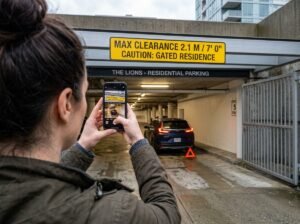
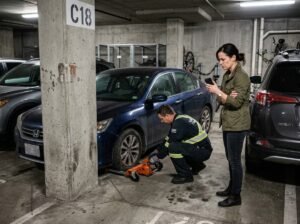
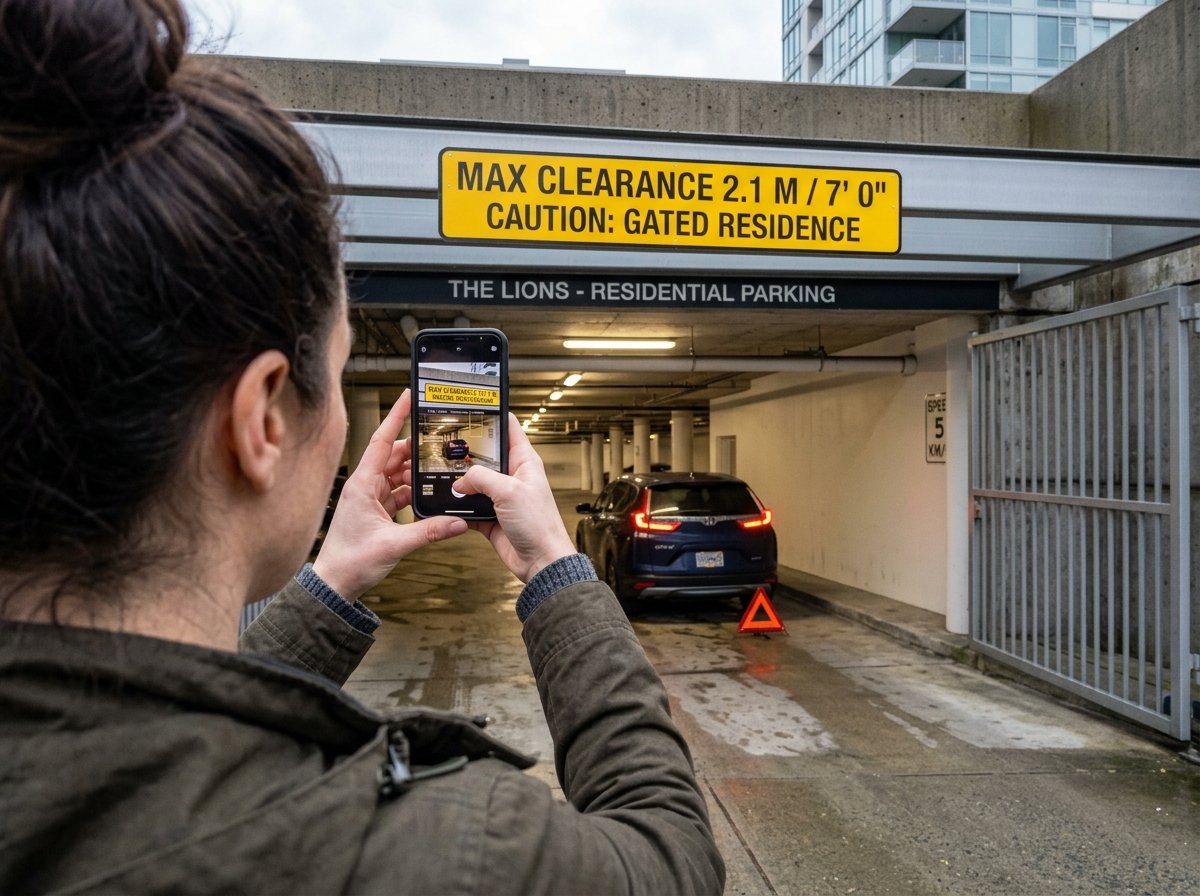
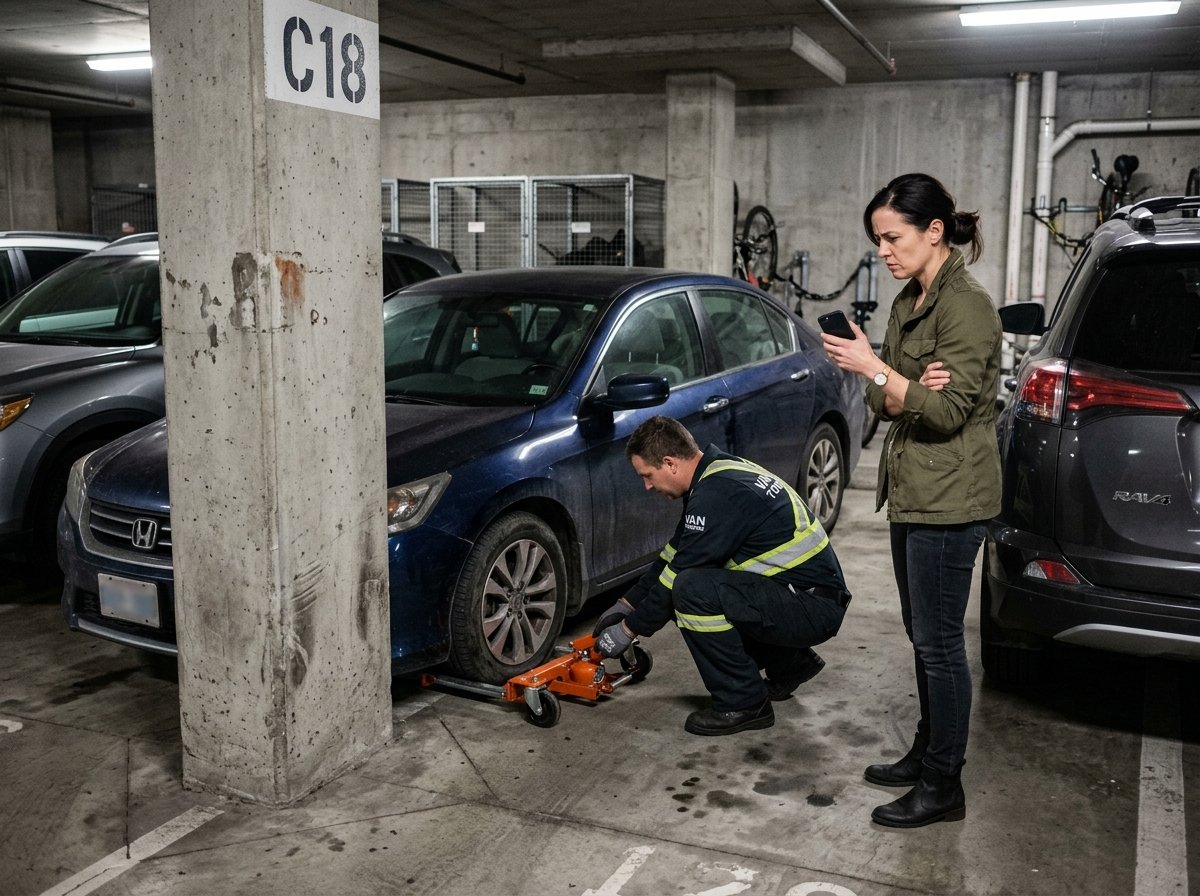
Parkade access can matter as much as the tow distance. Review the downtown parkade pricing guide and send the posted height, level, stall location, and exit route. A normal flatbed may not fit, so dispatch may choose a lower-clearance setup.
We recommend this:
- Photograph the height sign at the entrance.
- Tell dispatch the level and whether the car can roll.
- Ask if access, dollies, or extra loading time are included.
Scenario 3: Larger Vehicle or Heavy Load
A pickup, work truck, or heavier vehicle can need a bigger tow unit. Check whether heavy-duty towing or equipment-specific service is needed before comparing prices. The vehicle weight, wheelbase, condition, and destination can all affect the job plan.
Here’s a simple path forward:
- Give the vehicle type and approximate weight if known.
- Explain any damage, load, trailer, or blocked wheels.
- Confirm the truck class and quoted charges before dispatch.
Suggested plan:
Step 1: Send the Job Details
Start with the exact address, destination, vehicle model, drive type, and condition. If the trip is farther away, mention that early because long-distance hauling can be priced differently from a short local tow.
Step 2: Share Access and Vehicle Condition
Send photos when the car is damaged, blocked in, very low, or inside a parkade. Include the height sign, ramp, stall, and any locked wheel so dispatch can choose the right truck before arrival.
Step 3: Compare the Right Service, Not Just the Lowest Price
Match the tow method to the vehicle. A motorcycle may need motorcycle towing, a work machine may need equipment towing, and a trailer can need trailer towing. Then ask for one written total that states what is included.
Consumer Protection BC towing fee guidance
Consumer Protection BC explains practical steps to take when you have a towing issue. Its towing company guidance says to ask for a clear breakdown of charges and keep receipts or paperwork. That makes it useful when you want to understand what you were billed for. It also helps you keep records if you need to question a charge later.
Flatbed Towing Cost Vancouver FAQs
Does a flatbed always cost more than a regular tow in Vancouver?
Not always. The final price depends on the whole job, including truck type, distance, loading, access, and vehicle condition. Ask what is included before dispatch and what could change the quoted total.
Why would my car need a flatbed?
A flatbed may be chosen because of the vehicle design, drivetrain, damage, low clearance, or loading needs. Ask dispatch why it is recommended for your specific vehicle. Follow the vehicle maker’s towing instructions when they apply.
Can a flatbed tow an AWD or electric car?
Many AWD and electric vehicles can be moved by flatbed, but the correct method depends on the exact model and condition. For an EV, give dispatch the model before booking and ask which loading method is required.
Can a flatbed fit in an underground Vancouver parkade?
Sometimes no. Ceiling height, ramps, turns, and the truck’s loaded height can block access. Give dispatch the posted clearance and photos before the truck is sent.
Can insurance repay my towing bill?
Coverage depends on your policy and why the tow was needed. Keep the invoice and proof of payment, then check the Vancouver towing reimbursement guide for questions to ask your insurer. Do not assume every tow is covered.
What should I ask before I accept a flatbed towing quote?
Ask for the truck type, pickup and drop-off, included distance, loading charges, access charges, and what can change the total. Also confirm how you will receive the final receipt.