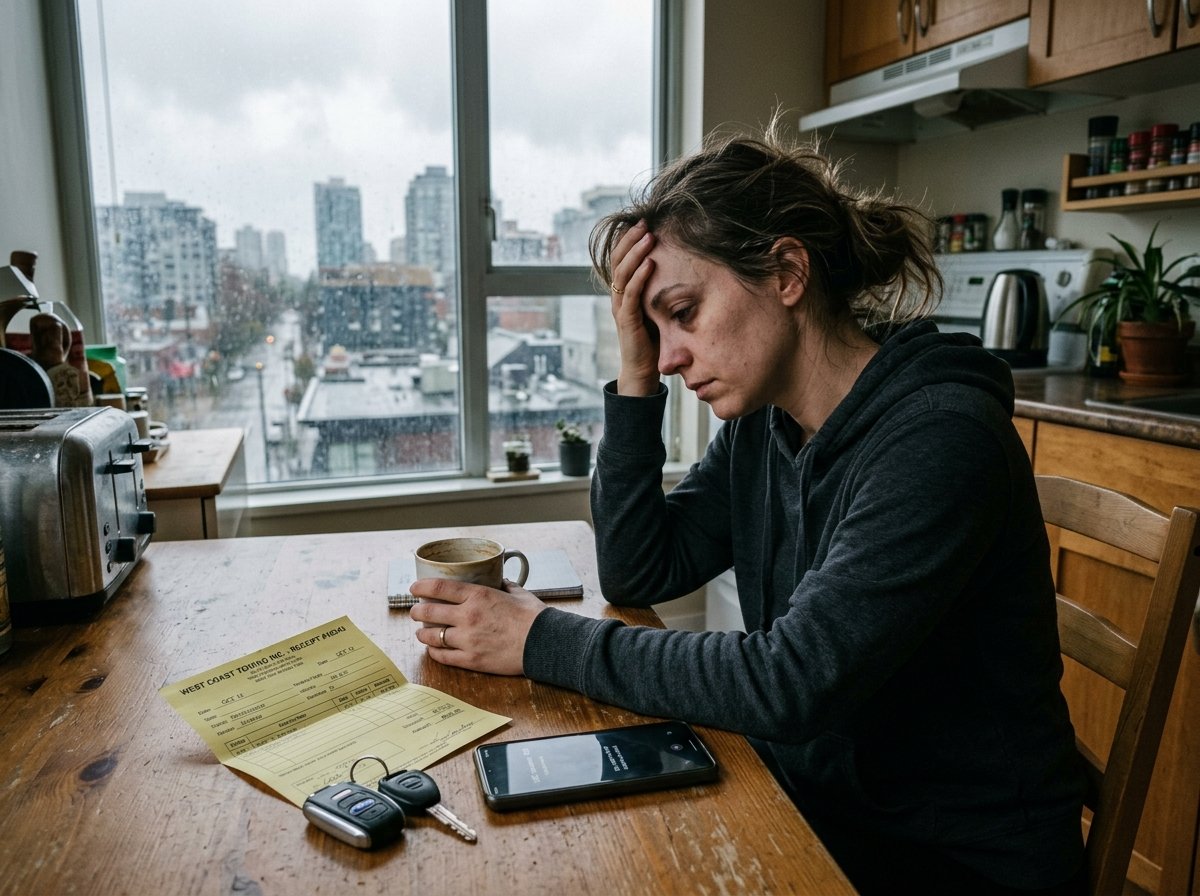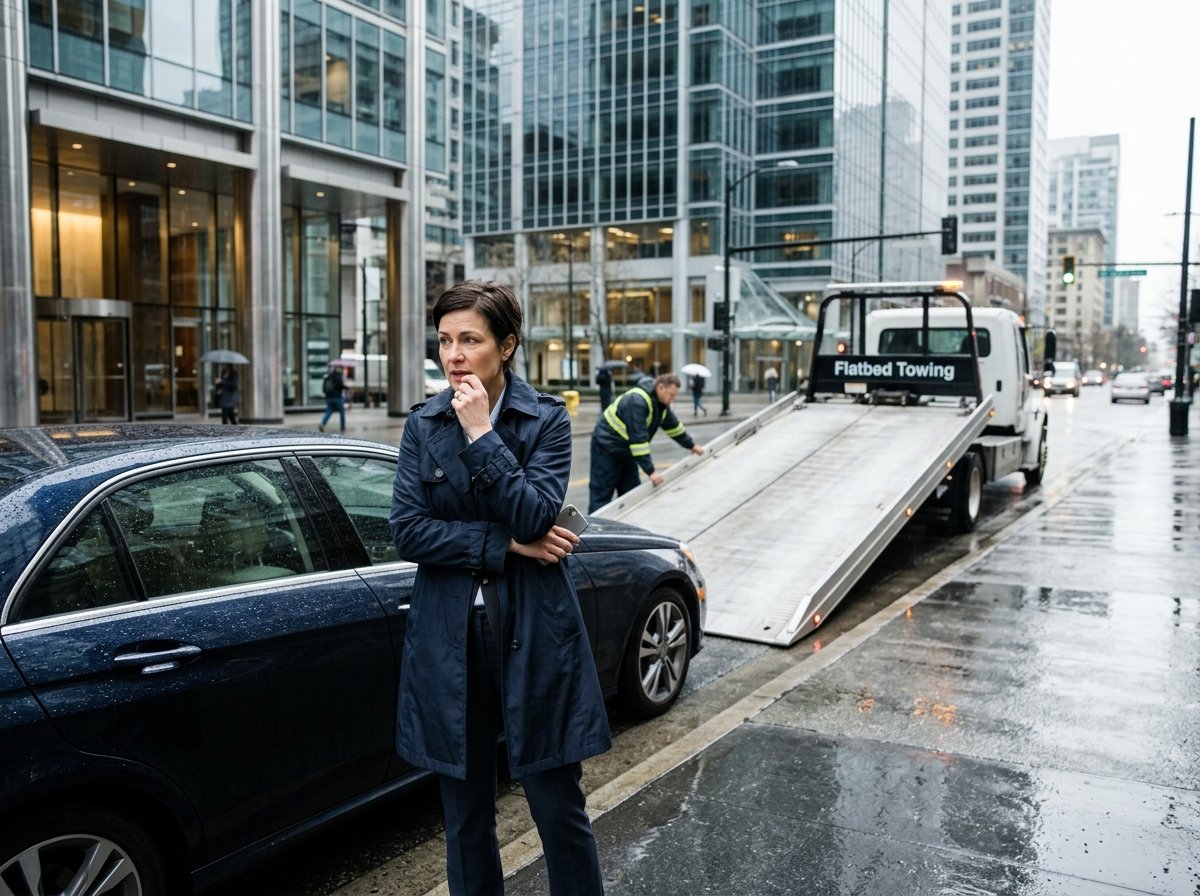
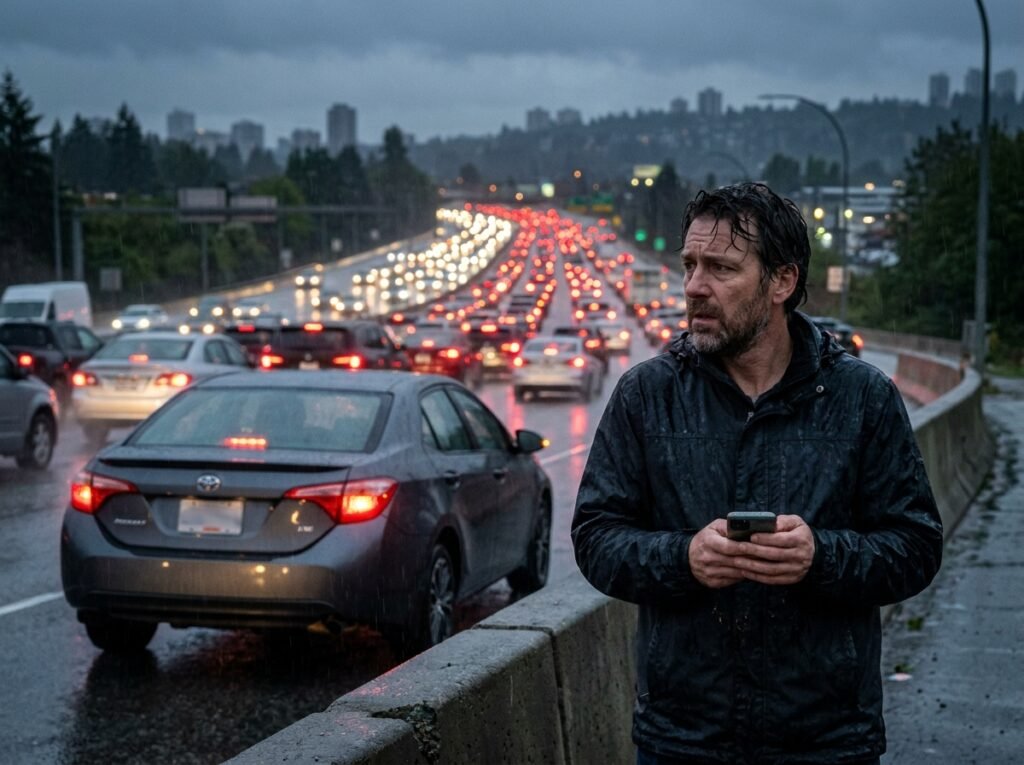
You are stuck, traffic is moving around you, and you need a straight answer. A dispatcher can give a useful ETA after checking the driver, your location, road access, and the right truck for your vehicle. For most cars, a nearby light-duty towing service may be the fastest match, but the time can still change if traffic or an active call runs long.
Quick overview
- You hear “soon” but get no time window.
- The ETA changes and no one explains why.
- Dispatch has your address but not your exact pickup spot.
- The first truck may not fit or handle your vehicle.
In this guide
- Expressway Towing can ask for the details that make an ETA more useful.
- A good dispatcher gives an update plan if the arrival window changes.
Simple version: ask four direct questions before you hang up.
- Has a driver been assigned to my call?
- What is the current arrival window?
- What could change that window?
- When will I get the next update?
TL;DR: A Real ETA Comes With Details
- Ask whether a driver is assigned, not only requested.
- Give the exact pickup point, vehicle type, and access limits.
- Ask for a new update if the truck misses the stated window.
What A “Real ETA” Means For A Burnaby Tow
A real ETA is the best time range dispatch can support with current facts. It should come after a driver check, not from a guess based only on distance. Use this Burnaby towing quote checklist to confirm the job details before dispatch sends the truck.
Context (what matters in this situation):
- Assigned means a driver has accepted or been given the call.
- Requested means dispatch may still be looking for a truck.
- A time window is often more honest than one exact minute.
- The next update time matters when road conditions change.
How Dispatch Builds Your Arrival Window
Dispatch starts with your location and vehicle, then checks which truck can safely do the job. A damaged wheel, low car, or all-wheel-drive vehicle may need flatbed towing, which can change the driver match and arrival window.
What this usually looks like (real-world flow):
- You call and share the nearest safe landmark.
- Dispatch confirms the vehicle make, model, and problem.
- The dispatcher checks truck type and driver position.
- You receive a current time window and update plan.
- The driver or dispatch contacts you if access or traffic changes.
Details to confirm (so you get the right help fast):
- Share the road name, direction of travel, and closest cross street.
- Say if the car rolls, steers, and has working brakes.
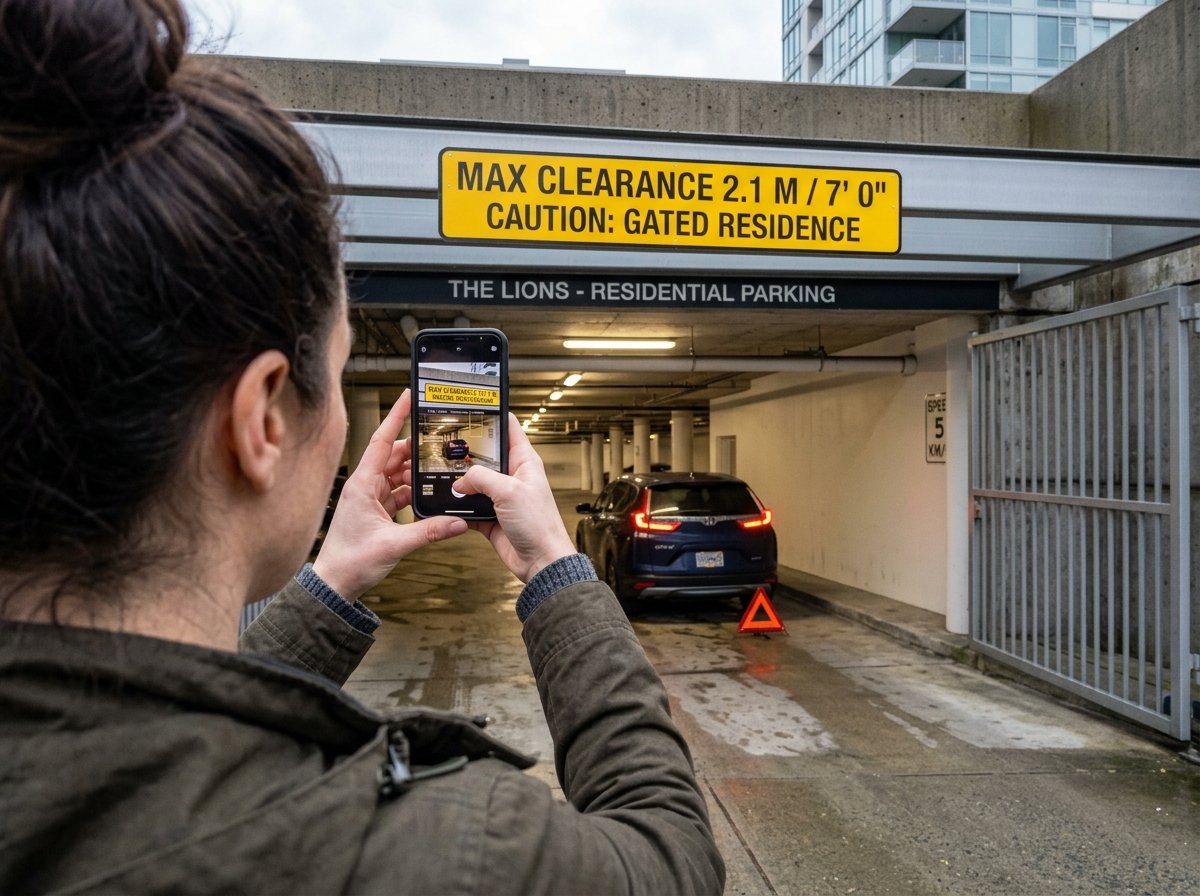
- Mention parkade height, gate codes, loading zones, or blocked lanes.
What you should get as the outcome:
- The right truck is less likely to be sent back.
- The driver can plan the safest way into your location.
- You get a more useful ETA and fewer surprise calls.
Why A Towing ETA Can Move
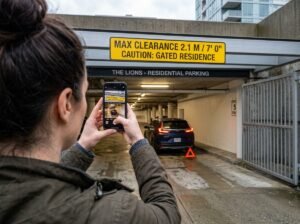
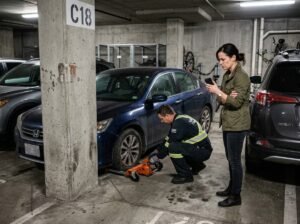
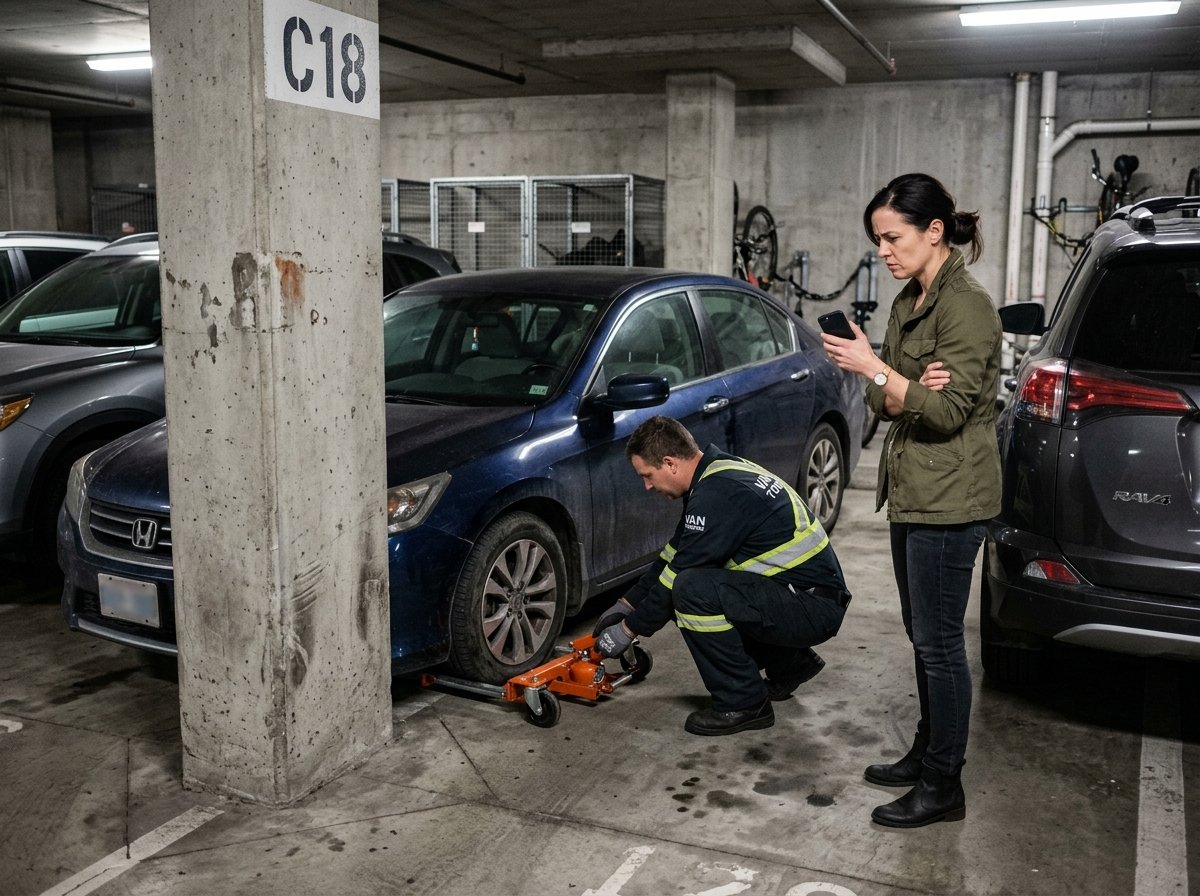
Even a confirmed driver can be delayed by a crash, bridge traffic, a hard vehicle recovery, or a blocked entrance. Tight parkades may require underground towing, so tell dispatch about height and turning space before the truck leaves.
Limits / constraints (what can slow things down):
- The driver may still be finishing a call already in progress.
- A collision or lane closure can slow the route.
- Bad pickup details can send the truck to the wrong entrance.
- A different truck may be needed after the vehicle is checked.
Hidden costs to watch for:
- Extra waiting may apply if the vehicle is not ready or accessible.
- Recovery work can cost more than a simple roadside hookup.
- Long distance, storage, or special equipment may add charges.
- Ask what is included before you approve dispatch.
What To Ask Dispatch Right Now
Do not settle for “a truck is on the way” without one more check. Ask who is assigned, what truck is coming, and when the next update will arrive. Also review these questions about towing charges so the ETA and price are both clear.
- Repeat your pickup location and safest meeting point.
- Keep your phone on and tell dispatch if the vehicle moves.
Our Recommendations For A Clearer ETA
Ask for a time range instead of one exact minute.
Confirm that a driver is assigned to your job.
Send a pin and name the closest entrance or landmark.
Share vehicle damage and access limits before dispatch.
Ask when dispatch will update you again.
Call back if your location, safety, or vehicle condition changes.
Stay Safe While You Wait
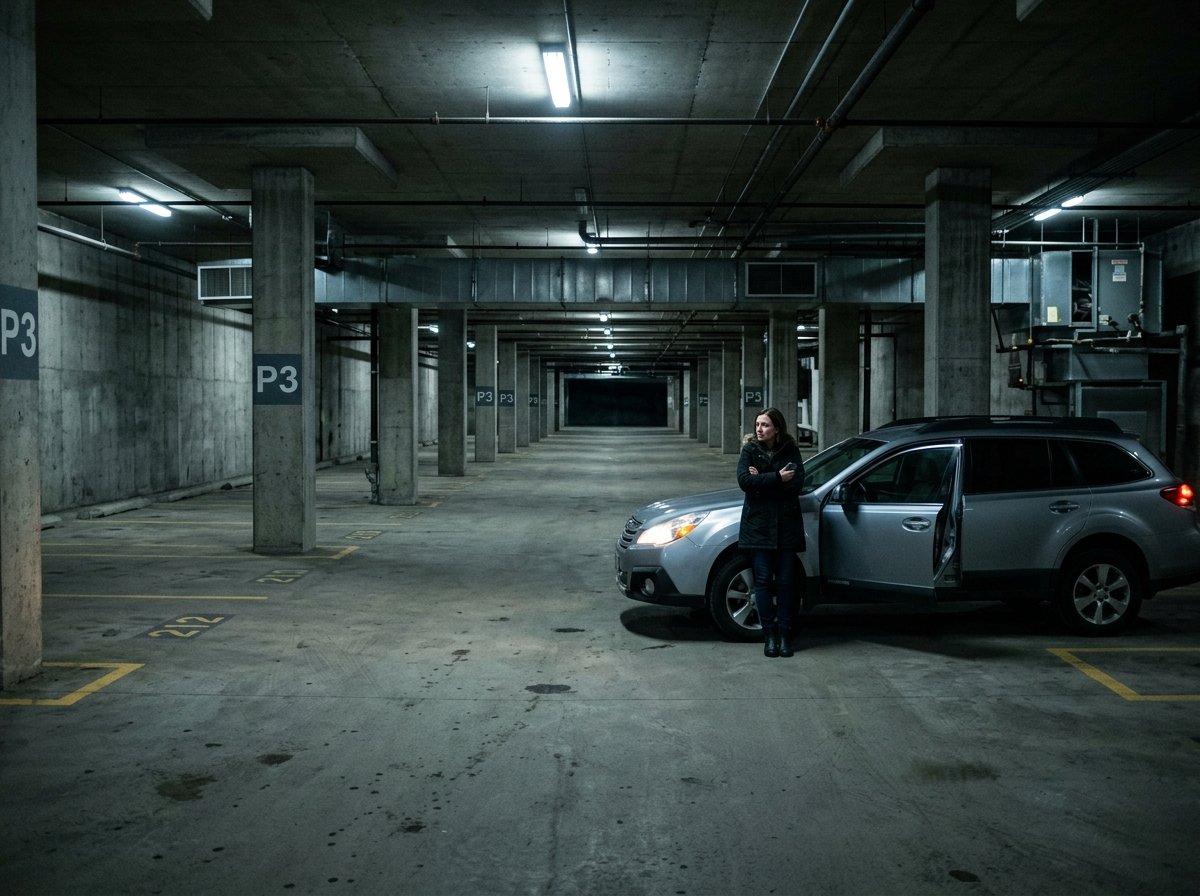
Your safety matters more than the pickup speed. If you are near moving traffic or a work site, tell dispatch so the driver can plan the right approach. Large vans and work vehicles may need equipment towing support or more room to load safely.
A good option is:
- Move away from traffic if you can do so safely.
- Turn on hazard lights and use warning markers if available.
- Wait behind a barrier or inside a safe building when possible.
- Do not stand between your vehicle and moving traffic.
- Call emergency services if anyone is hurt or the scene is dangerous.
Scenario 1: Your Car Stops On A Busy Burnaby Road
Give dispatch the direction you were driving, the nearest cross street, and whether the car is blocking a lane. If you are on two wheels, ask for motorcycle towing so the correct loading gear is sent.
Do this:
- Turn on hazard lights.
- Move to a protected spot if safe.
- Tell dispatch about traffic danger right away.
Scenario 2: Your EV Will Not Move
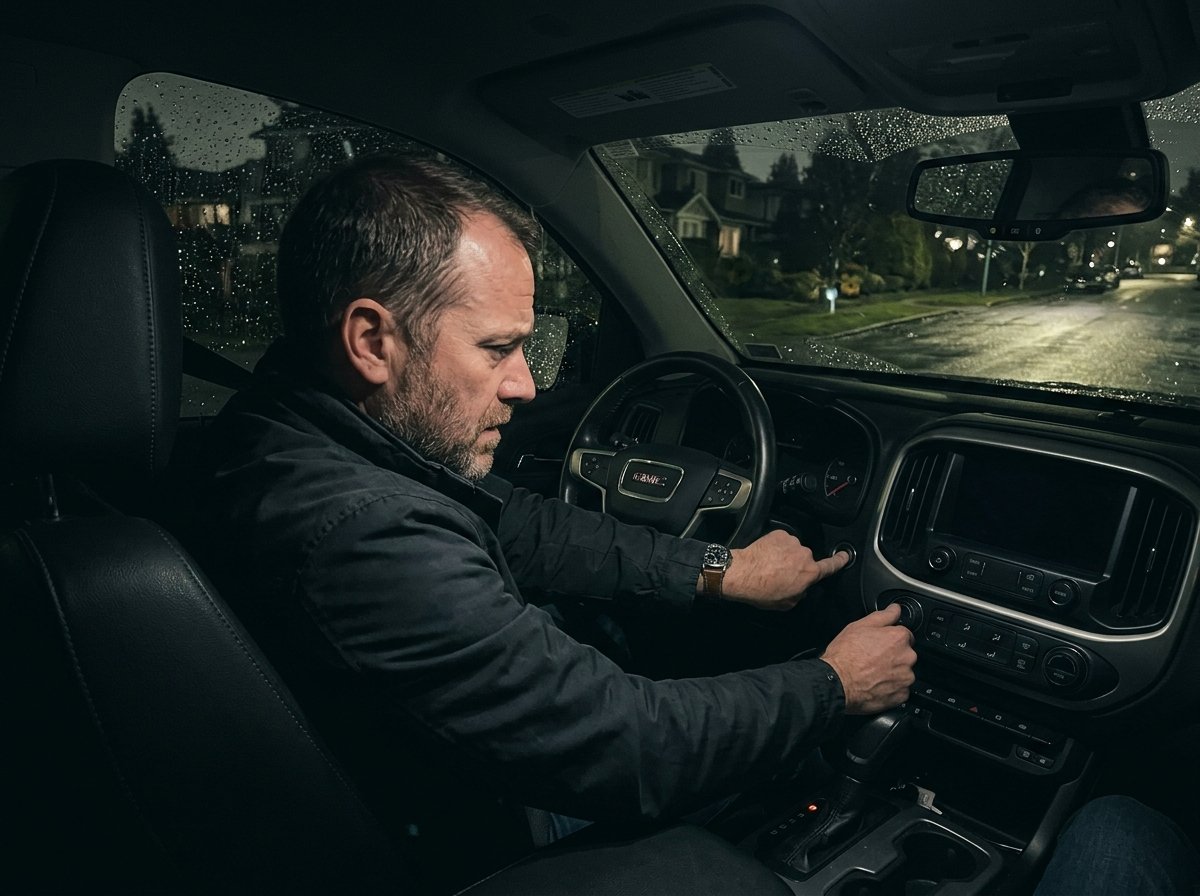
Tell dispatch the model, drive setting, wheel condition, and whether the vehicle is in a parkade. Ask for Tesla towing service when the vehicle needs EV-safe loading and transport.
We recommend this:
- Do not force the vehicle into neutral unless the manual allows it.
- Share the battery level and any screen warning.
- Confirm whether a flatbed is being sent.
Scenario 3: Your RV Breaks Down Near Burnaby
Large vehicles need more details before dispatch can give a useful ETA. Share the length, height, weight if known, and exact road position, then ask whether RV towing service is available for the job.
Here’s a simple path forward:
- State the vehicle size and number of axles.
- Mention slides, trailers, or low clearance parts.
- Confirm there is room for a large tow truck.
Suggested plan:
Step 1: Book With Complete Details
Before you approve dispatch, share the vehicle problem, exact pickup point, destination, and access limits. The Metrotown parkade towing guide can help you check clearance and entrance details for a tight condo location.
Step 2: Share A Pin And Landmark
Send your map pin, then add a plain description such as “east side loading lane beside the blue gate.” A pin can place the driver nearby, but the landmark helps them find the correct entrance.
Step 3: Confirm The Right Truck
Ask dispatch what truck type is assigned and why it fits your vehicle. A commercial van or pickup may need truck towing, while a low or damaged car may need a flatbed.
Check Current BC Road Delays
The DriveBC road conditions map shows crashes, closures, and delay notices that can change a tow truck ETA. Check it if dispatch says traffic is slowing the driver. It helps you understand why an arrival window may move. Use dispatch updates as the main source for your assigned truck.
Burnaby Towing ETA FAQs
Can dispatch guarantee an exact arrival time?
Usually, dispatch can give a current time window, but traffic and active calls can change it. If your vehicle is large or loaded, heavy-duty towing may also take longer to match with the right truck. Ask when you will receive the next update.
What should I say to get a better ETA?
Give the exact pickup point, direction of travel, vehicle type, and what is wrong. Also tell dispatch where the vehicle must go, because long-distance hauling needs more route and destination planning. Clear details reduce back-and-forth calls.
Does a damaged wheel change the ETA?
Yes, it can. A damaged wheel may need a flatbed, dollies, or a different loading plan. For a vehicle pulling another unit, mention whether trailer towing is needed too.
Should I call again if the truck is late?
Yes. Call when the stated window has passed and you have not received an update. Ask for the driver status, current location estimate, and a new arrival window.
Can I wait inside a nearby building?
Yes, if the vehicle is in a safe legal spot and dispatch knows where you are. Keep your phone on and stay close enough to meet the driver. Tell dispatch the building name and entrance.
What if my car is inside a low parkade?
Share the posted height, gate access, stall level, and turning space before dispatch. A standard tow truck may not fit. Dispatch may need a low-clearance truck or a plan to move the vehicle to an open area.