A rushed call can leave key costs unclear. Before Expressway Towing sends a truck, confirm the vehicle, pickup spot, drop-off point, access limits, and total quote. A normal car may need light-duty towing, but the right truck depends on the full job.
Quick overview
- The quote may not include loaded distance.
- A parkade may need a low-clearance truck.
- Winching or recovery work may cost more.
- The driver may need a different truck than expected.
In this guide
- A clear quote should name what is included and what can change.
- A confirmed dispatch should include the pickup details and next update.
Simple version: confirm these four items before saying yes.
- The right truck for your vehicle.
- The pickup and drop-off addresses.
- All possible extra charges.
- The dispatch status and next update.
Burnaby Towing Quote Checklist: The Fast Answer
- Give the year, make, model, condition, and exact location.
- Ask for the base charge, distance charge, extras, tax, and payment rules.
- Do not confirm until you know the truck type, ETA, and dispatch status.
What A Towing Quote Should Mean
A towing quote should match the real job, not a rough guess. Tell dispatch if the vehicle rolls, steers, brakes, or has locked wheels. Ask whether flatbed towing is needed and whether the quote covers the full trip.
Context (what matters in this situation):
- Vehicle details: year, make, model, size, and drive type.
- Vehicle condition: crash damage, flat tire, dead battery, or no key.
- Pickup access: street, lane, parkade, slope, mud, or tight turn.
- Destination: repair shop, home, storage yard, or another city.
How To Confirm The Quote With Dispatch
Start with the hard facts. A low ceiling may require underground towing, and traffic or truck availability can change timing. Use this guide on getting a real dispatch ETA to ask for a clear update.
What this usually looks like (real-world flow):
- Say where the vehicle is and whether it blocks traffic.
- Describe the vehicle and why it cannot move.
- Give the full drop-off address and shop hours.
- Ask which truck will be sent and why.
- Repeat the quote and dispatch details back to the agent.
Details to confirm (so you get the right help fast):
- Confirm the base callout or hookup charge.
- Confirm how distance is measured and billed.
- Confirm tax, wait time, recovery work, and storage risks.
What you should get as the outcome:
- You know what the quote includes.
- Dispatch has the right access details.
- You know when and how the next update will arrive.
Insurance, Memberships, And Hidden Costs
Roadside plans and insurance may have limits, so ask who pays first and what proof is needed. Before booking, review these questions about surprise towing charges and write down the answers.
Limits / constraints (what can slow things down):
- Your plan may cap towing distance.
- Your plan may require its own dispatch process.
- Your plan may not cover recovery, storage, or wait time.
- You may need an itemized receipt for a claim.
Hidden costs to watch for:
- Extra distance after the included limit.
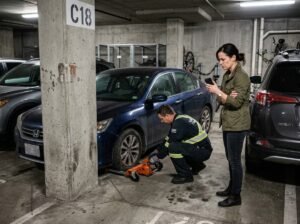
- Winching, dollies, skates, or extra labour.
- Parkade access, difficult loading, or waiting time.
- Storage, after-hours access, tax, or a second tow.
What To Do Before You Confirm Dispatch
Pause for one minute and read the quote back. If the vehicle is larger than a car or pickup, ask whether truck towing is the correct service. Then confirm the driver or truck update method.
- Save the quoted amount, agent name, time, and job number.
- Keep your phone on and tell dispatch if the location changes.
Our Recommendations For A Clear Towing Quote
Send photos of the vehicle and access area when possible.
Ask for an itemized quote instead of one unclear total.
Confirm whether the quote is an estimate or a fixed amount.
Ask what event could make the price change.
Confirm the payment methods before the truck arrives.
Get the job number and the next update time.
Stay Safe While You Wait
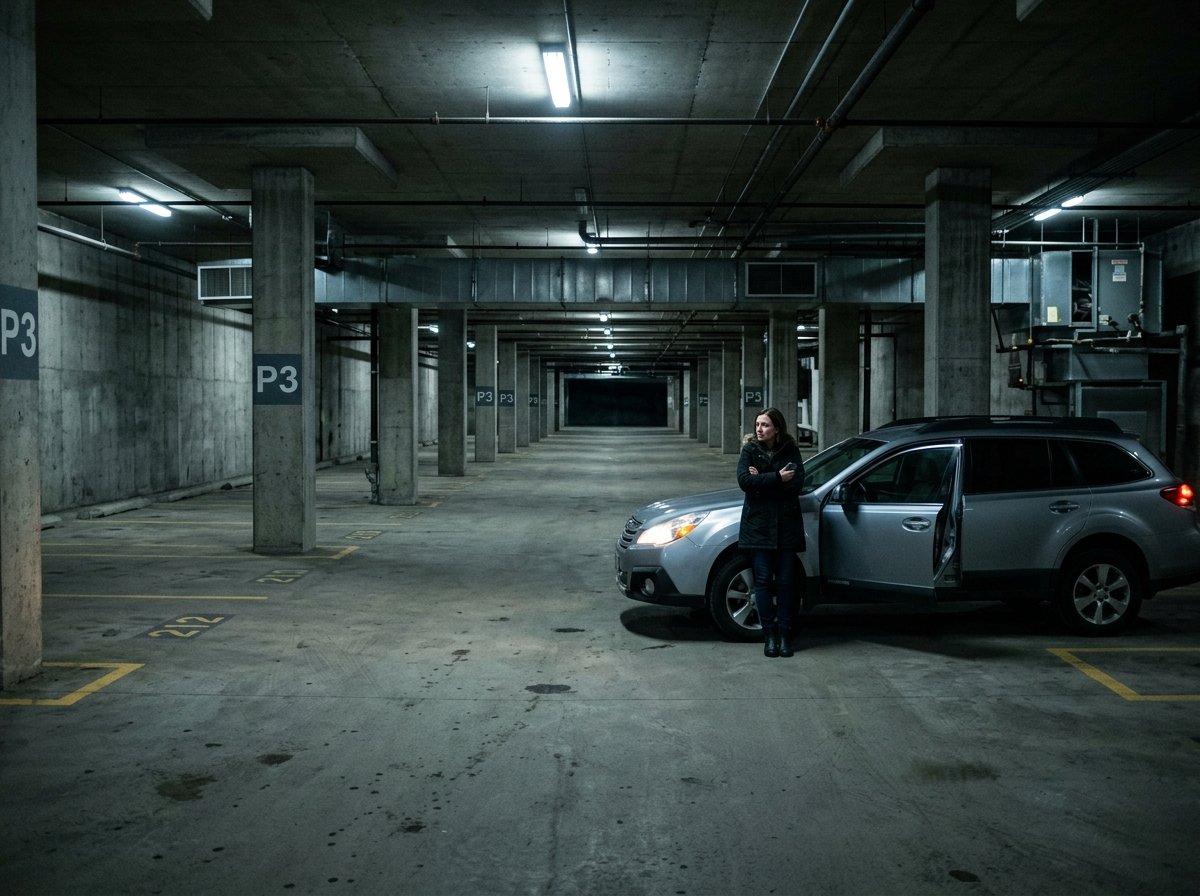
If you are near traffic, your safety comes before the quote. A rider waiting for motorcycle towing should move away from live lanes and stand behind a barrier when safe.
A good option is:
- Turn on hazard lights if the vehicle has power.
- Move to a safe place away from moving traffic.
- Do not stand between vehicles or behind the tow truck.
- Tell dispatch about blind corners, hills, or unsafe shoulders.
- Call emergency services if there is a crash, injury, fire, or immediate danger.
Scenario 1: Your Car Is In A Metrotown Parkade
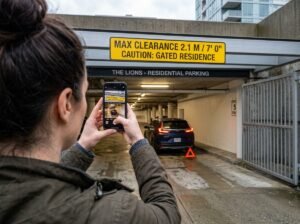
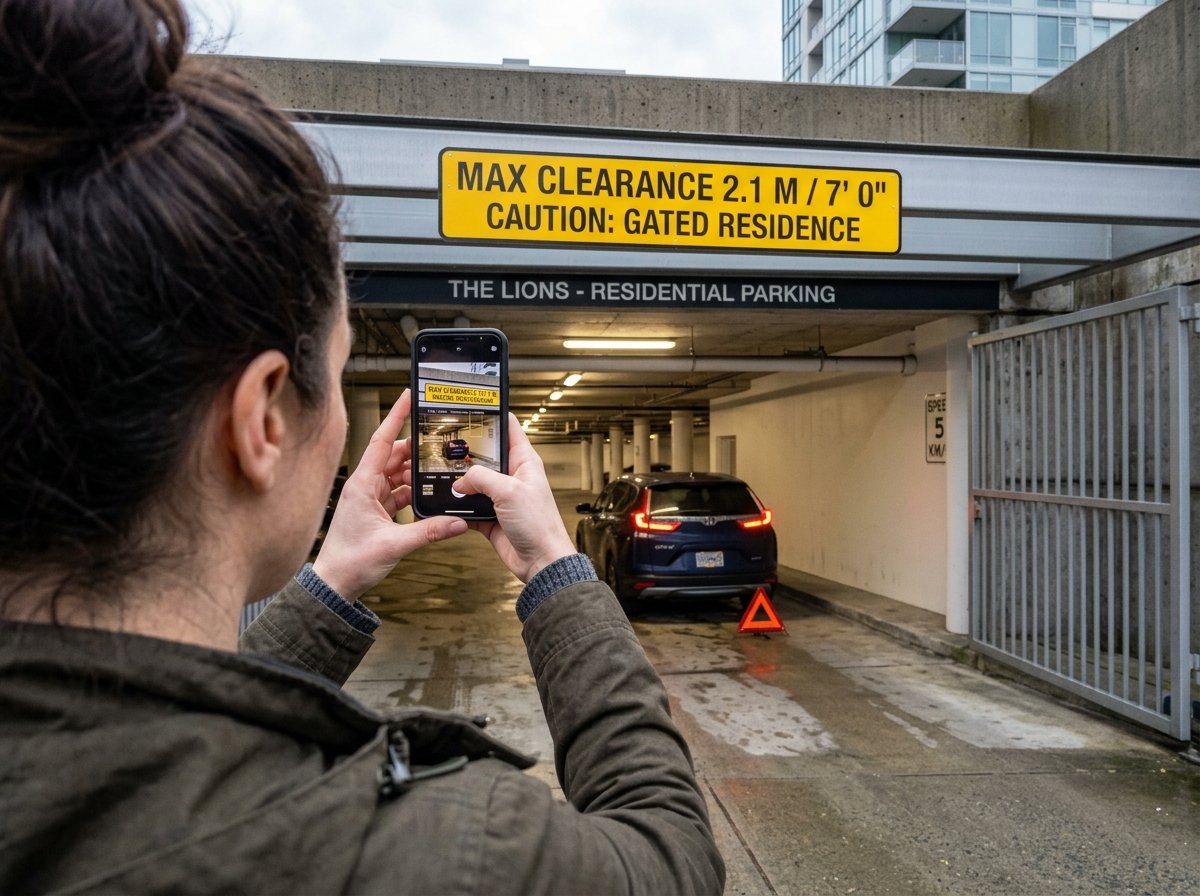
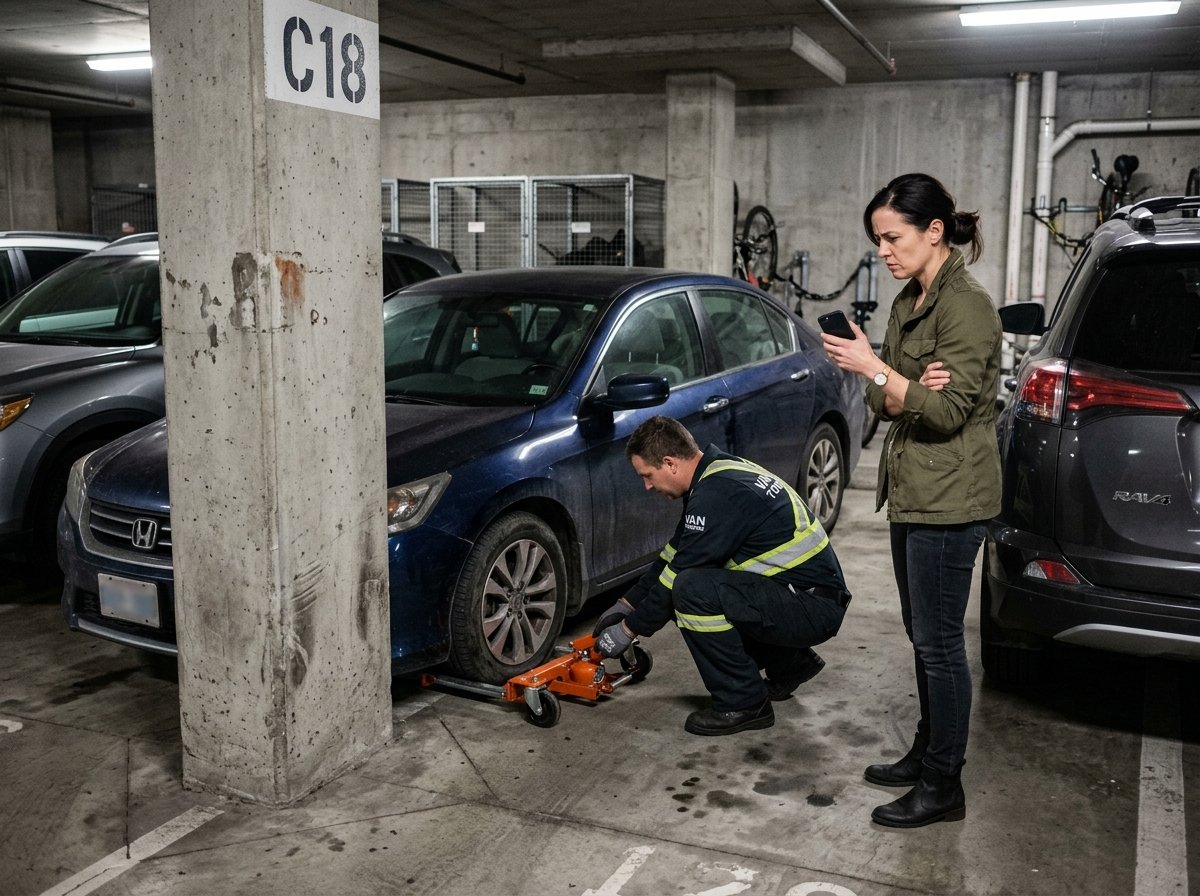
A standard tow truck may not fit under the ceiling. Check the height sign, level, stall number, gate access, and turn space. Read the Metrotown parkade access guide before you confirm the truck type.
Do this:
- Send a photo of the clearance sign.
- Meet the driver at the entrance if safe.
- Ask whether the vehicle must be moved to street level first.
Scenario 2: Your EV Will Not Move
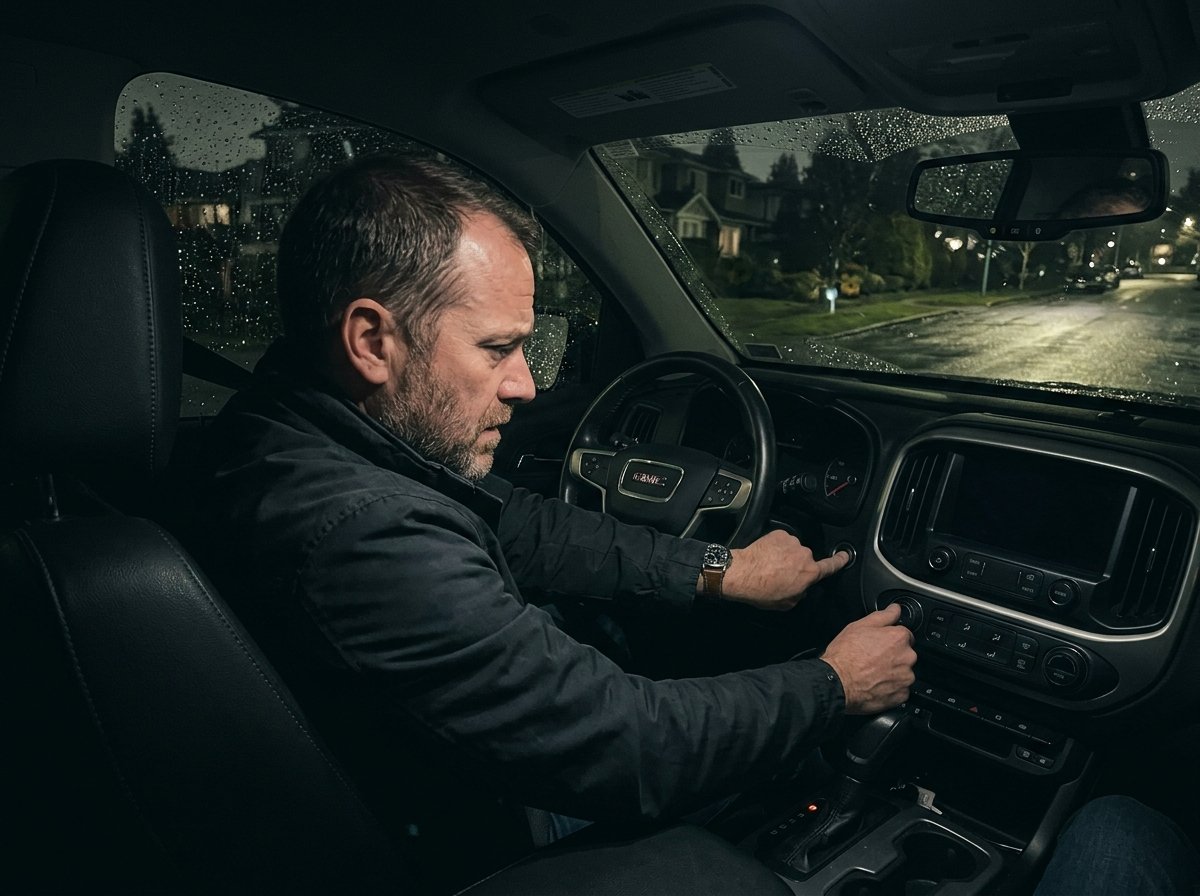
Tell dispatch the battery state, wheel position, drive mode, and whether the vehicle can enter tow mode. Ask if Tesla towing or another EV-safe loading plan is needed. Do not guess about lift points or wheel movement.
We recommend this:
- Share the exact model and model year.
- Say whether the wheels are locked.
- Ask what equipment will protect the vehicle.
Scenario 3: The Repair Shop Is Far Away
A longer trip needs a clear route and distance rule. Ask where loaded distance starts and ends, and whether the quote covers the whole trip. For a farther destination, confirm the terms for long-distance hauling.
Here’s a simple path forward:
- Give the full shop address and closing time.
- Ask whether tolls, ferries, or waiting can apply.
- Confirm where the vehicle goes if the shop is closed.
Suggested plan:
Step 1: Share The Full Job Details
Give the vehicle size, problem, access limits, pickup point, and destination. If the job involves a large load or disabled work unit, ask whether machinery towing is the right match.
Step 2: Confirm The Exact Pickup Point
Send a map pin, street address, nearest entrance, level, stall number, and a clear landmark. Say which direction the vehicle faces and whether a gate code or building contact is needed.
Step 3: Confirm The Service And Dispatch
Ask which service is booked, which truck is assigned, what the quote includes, and when the next update will arrive. Save the job number before ending the call.
ICBC guidance for towed vehicles
The ICBC damage estimate guide explains what may happen when a vehicle is towed after a crash. It notes that storage charges can start when the vehicle reaches a storage yard. It also explains why you should ask whether the tow company can bill ICBC directly. Keep receipts and confirm coverage with your insurer.
Burnaby Towing Service Quote FAQs
What details should I give before asking for a quote?
Give the year, make, model, vehicle size, problem, pickup point, and destination. Also say whether the wheels roll, the steering works, and the keys are available.
Can the towing quote change after the driver arrives?
It can change if the real job is different from the details given by phone. Locked wheels, blocked access, recovery work, or a longer route can add work, so ask what can change the quote before dispatch.
Should tax be included in the quoted price?
Ask whether the amount includes tax and every known fee. Write down the pre-tax amount and final total so you can compare them.
What if my vehicle is very large or badly damaged?
Tell dispatch the size, weight class, damage, load, and wheel condition. The job may need heavy-duty towing or added recovery gear, so a normal car quote may not apply.
How do I know the tow truck is really dispatched?
Ask for a job number and whether a driver has accepted the call. Confirm the next update time and whether updates will come by text or phone.
What should I ask about insurance or roadside coverage?
Ask whether you must call the plan first, how much distance is covered, and which fees are excluded. Request an itemized receipt and check the claim rules with your insurer.