When your car is stuck, you want the right help the first time. Before you book a towing company vancouver search result, confirm the truck type, access notes, and driver details. This matters most when you need flatbed towing for AWD, low cars, or no-key moves.
Quick overview
- The truck may not fit your parkade or lane.
- The driver may arrive without the right equipment.
- The quote may change if key details were missed.
- You may not know which truck is really yours.
In this guide
- Ask for the company name, driver update, and truck type before you agree.
- Keep the quote, pickup address, and drop-off address in writing.
Simple version: do these checks before you say yes.
- Confirm what kind of truck is coming.
- Confirm the full pickup and drop-off details.
- Confirm the quote rules before dispatch.
- Confirm who is coming before you walk outside.
Quick answer
- The wrong tow truck is often caused by missing details, not bad luck.
- Ask about truck type, dollies, clearance, keys, payment, and ETA.
- Do not release the car until the driver and truck match what dispatch gave you.
What “wrong tow truck” means
The wrong truck is the one that cannot safely do your job. A small car may only need light duty towing, but a larger pickup may need truck towing. The right match depends on vehicle size, drive type, damage, access, and where the car must go.
Context (what matters in this situation):
- A low car may scrape if the ramp angle is wrong.
- An AWD car may need a flatbed or dollies.
- A blocked wheel or missing key can change the setup.
- A parkade may need a smaller truck and better access notes.
Way 1: confirm the equipment before dispatch
Tell dispatch exactly what is wrong with the car. If the wheels cannot roll, ask if dolly towing is needed. If you are not sure, read the simple guide on flatbed or dollies before you confirm the job.
What this usually looks like (real-world flow):
- You call from the curb, but the car is nose-in.
- You say it is “just a tow,” but the tire is locked.
- The driver arrives and cannot load it fast.
- The clock keeps running while a second plan is made.
- A clear first call helps avoid that delay.
Details to confirm (so you get the right help fast):
- Share make, model, drive type, and damage.
- Say if the car rolls, steers, and has keys.
- Send photos if access or damage is hard to explain.
What you should get as the outcome:
- The dispatcher can choose a better truck.
- The driver knows what tools to bring.
- You lower the chance of a second fee or delay.
Way 2: confirm the quote limits
A cheap quote can still go wrong when the details are vague. Ask what is included and what may change the price. Use these tow quote details if you want a short call script, especially for long distance hauling.
Limits / constraints (what can slow things down):
- Ask if the quote includes hookup and basic distance.
- Ask if a roadside plan has a distance cap.
- Ask if special gear changes the price.
- Ask if wait time starts after arrival.
Hidden costs to watch for:
- Parkade access may take more time.
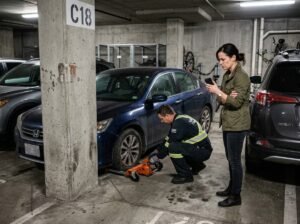
- Blocked wheels may need extra gear.
- Wrong drop-off details can add distance.
- After-hours or hard-access jobs can change the final cost.
Way 3: confirm the driver before you meet
A real booking should give you details you can check. Ask for the driver update, truck type, and the phone number that will contact you. Expressway Towing can also take clear pickup notes before dispatch.
- Ask for a text update if calls are hard to answer.
- Do not hand over keys until the truck and driver match your booking.
Our recommendations before booking
Say where the car is, not just the street name.
Name the access problem first: parkade, alley, ramp, or blocked wheel.
Ask if the truck can handle the vehicle before you agree.
Get the quote rule in writing before dispatch.
Ask for a text ETA and driver update.
Take photos before the car is loaded.
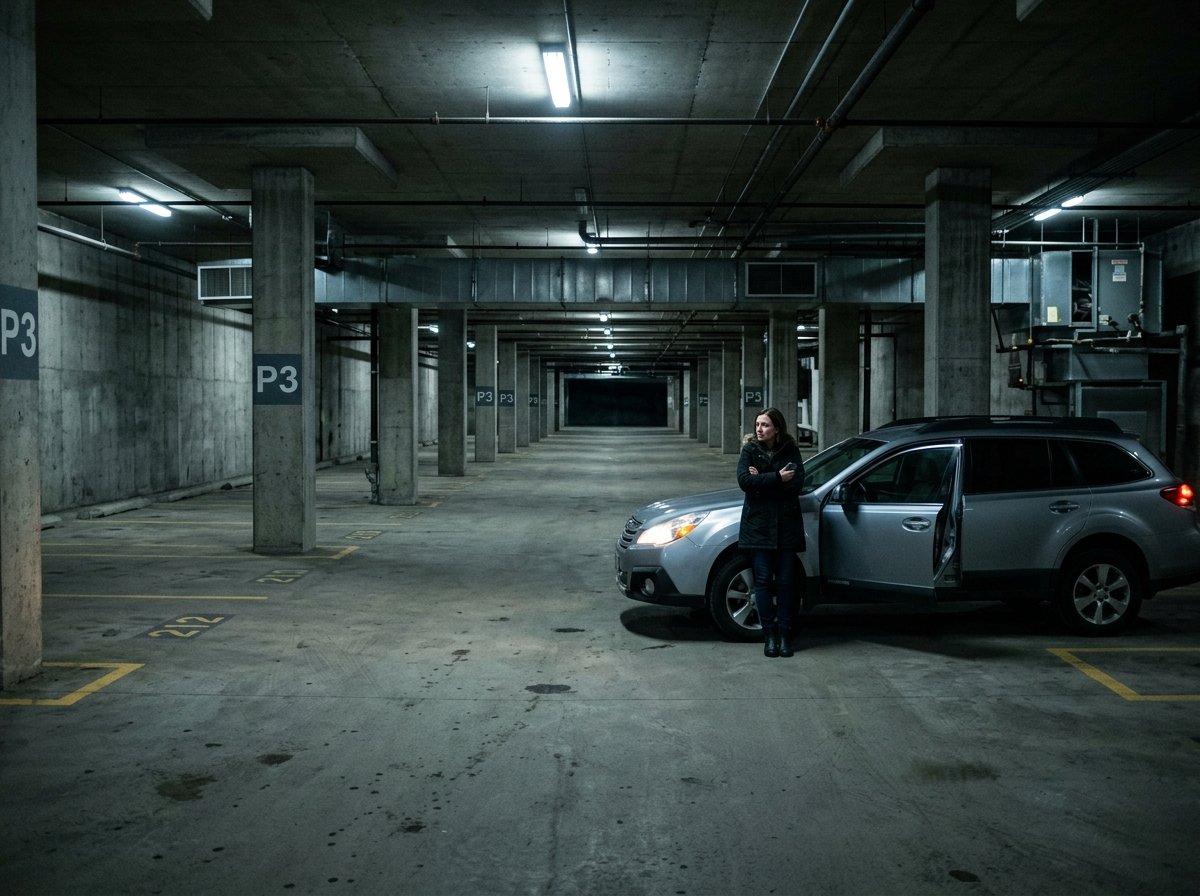
Safety steps while you wait
Stay visible, stay off the road, and do not stand near moving traffic. If the vehicle is large or loaded, ask whether heavy duty towing is the safer match before a truck is sent.
A good option is:
- Move away from live traffic if you can.
- Turn on hazard lights and set a safe meeting spot.
- Keep kids, pets, and passengers away from the tow path.
- Wait inside a safe building if the driver can call on arrival.
- Check the driver details before giving keys or payment.
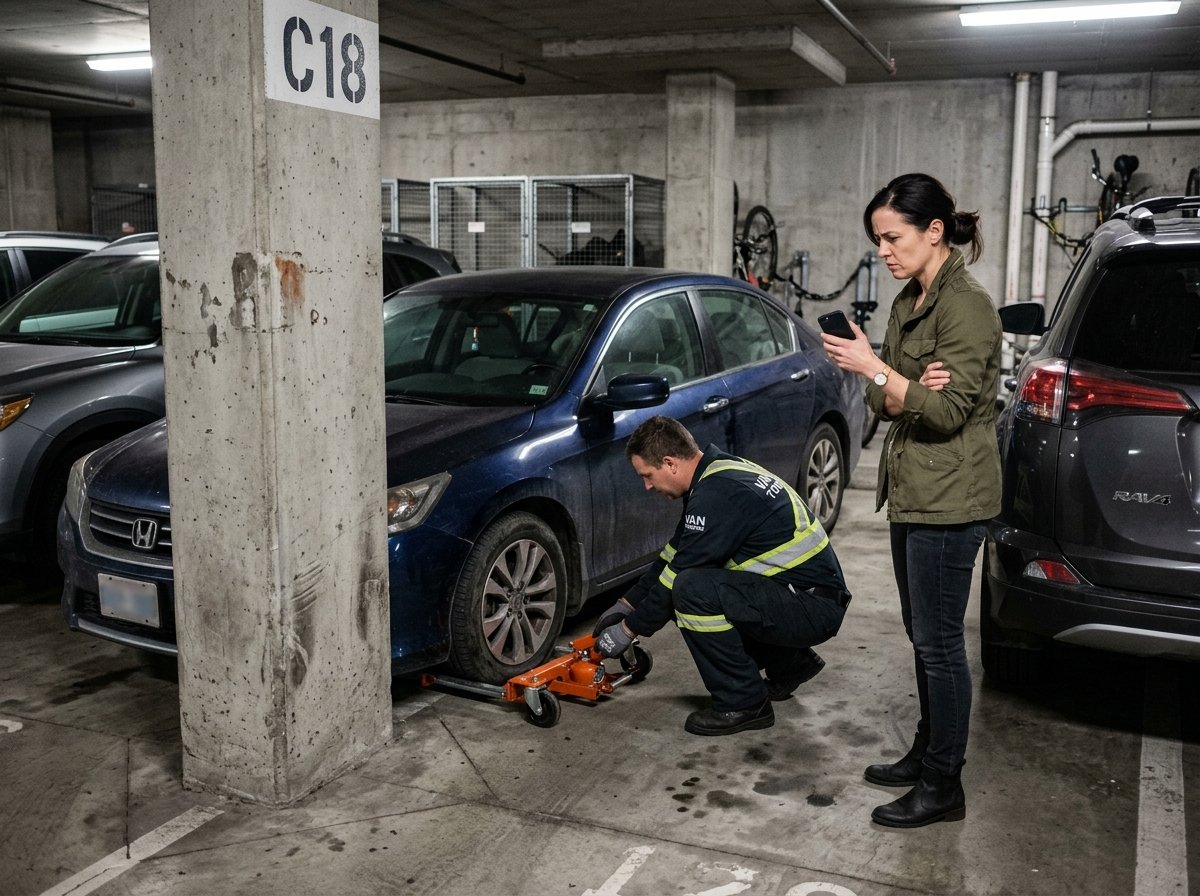
Scenario 1: the car is in an underground parkade
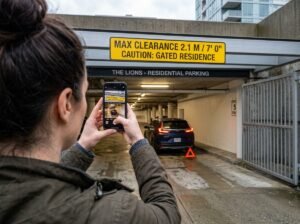
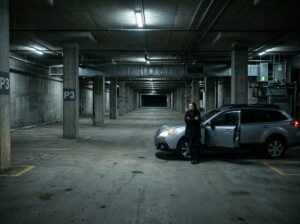
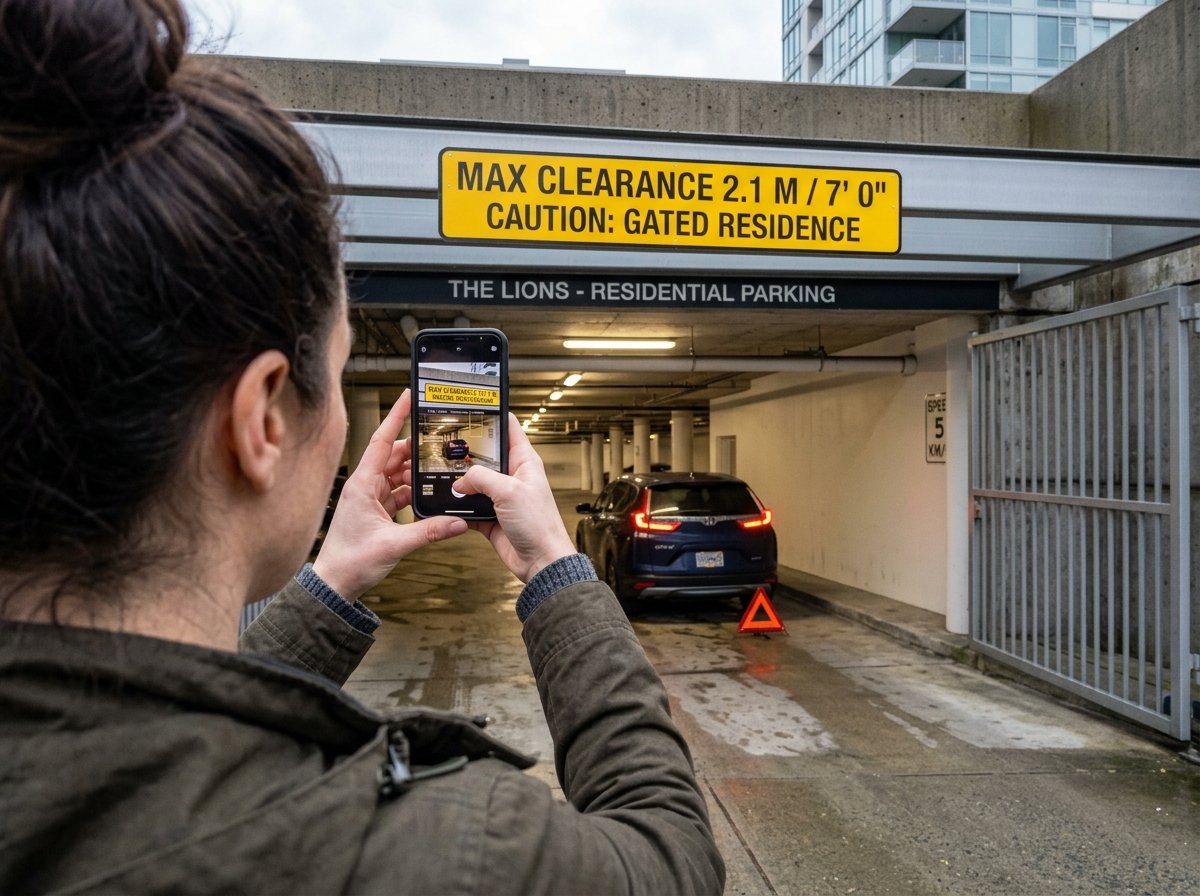
Parkades are where wrong-truck problems happen fast. Share the clearance sign, gate code, ramp angle, and stall number before booking underground towing. A tall truck may not fit, even if the car itself is easy to move.
Do this:
- Measure or photo the clearance sign.
- Say if the car can roll to a wider area.
- Ask if the driver needs a fob or gate access.
Scenario 2: the vehicle is not a normal car
A motorcycle, EV, van, or specialty vehicle may need a different setup. Ask about motorcycle towing or Tesla towing before dispatch so the wrong gear does not arrive.
We recommend this:
- Share the exact vehicle type and model.
- Say if it has low clearance or locked wheels.
- Ask how it will be secured before loading.
Scenario 3: the tow is more than a short local move
Distance changes planning. If the load includes a small trailer or gear, ask about trailer towing and the drop-off rules before the driver starts the job.
Here’s a simple path forward:
- Confirm the full drop-off address.
- Ask if the quote has a distance limit.
- Ask if the driver can wait at the drop-off spot.
Suggested plan:
Step 1: send the job details
Start with the car type, problem, pickup point, and drop-off point. Add photos if the location is tight or hard to find. Clear details help dispatch avoid sending the wrong truck.
Step 2: share your location clearly
Send a pin, then type the address, level, stall, gate code, and closest landmark. A typed address helps when a pin lands on the wrong side of a building.
Step 3: choose the likely truck type
You do not need to know every tow term. Just say what the car can and cannot do. For bigger travel vehicles, ask if RV towing is needed before booking.
City towing and impound info
Use this when a car may have been moved by the City or towed from a public street. The City of Vancouver towing page explains city towing and impound basics, so it helps you check if you need an impound call instead of a private truck. It also helps you avoid calling the wrong place when the car is not where you left it.
FAQs about avoiding the wrong tow truck
What should I ask before booking a tow truck in Vancouver?
Ask what truck type is coming, what the quote includes, and what details could change the price. Also ask how the driver will contact you before arrival.
How do I know if I need a flatbed?
Ask for a flatbed if the car is AWD, very low, badly damaged, or cannot roll safely. Dispatch may still choose another safe method after hearing the full details.
What if my car is blocked in?
Tell dispatch which wheels are blocked and whether the car can steer or roll. If equipment is sitting near the car, mention it early because {a(equipment, “equipment towing”)} needs clearer space and load details.
Can I ask for driver details before arrival?
Yes. Ask for a text update, truck type, and driver contact before you meet the truck. This dispatch checklist can help you keep the call short and clear.
What if the quote sounds too low?
Ask what is included, what is not included, and when the price can change. A low starting price is not helpful if access, distance, or equipment is missing from the quote.
Should I pay before the truck arrives?
Be careful with full payment before arrival unless you know the company and the terms are clear. Ask for written quote details and confirm the driver before you give keys or payment.