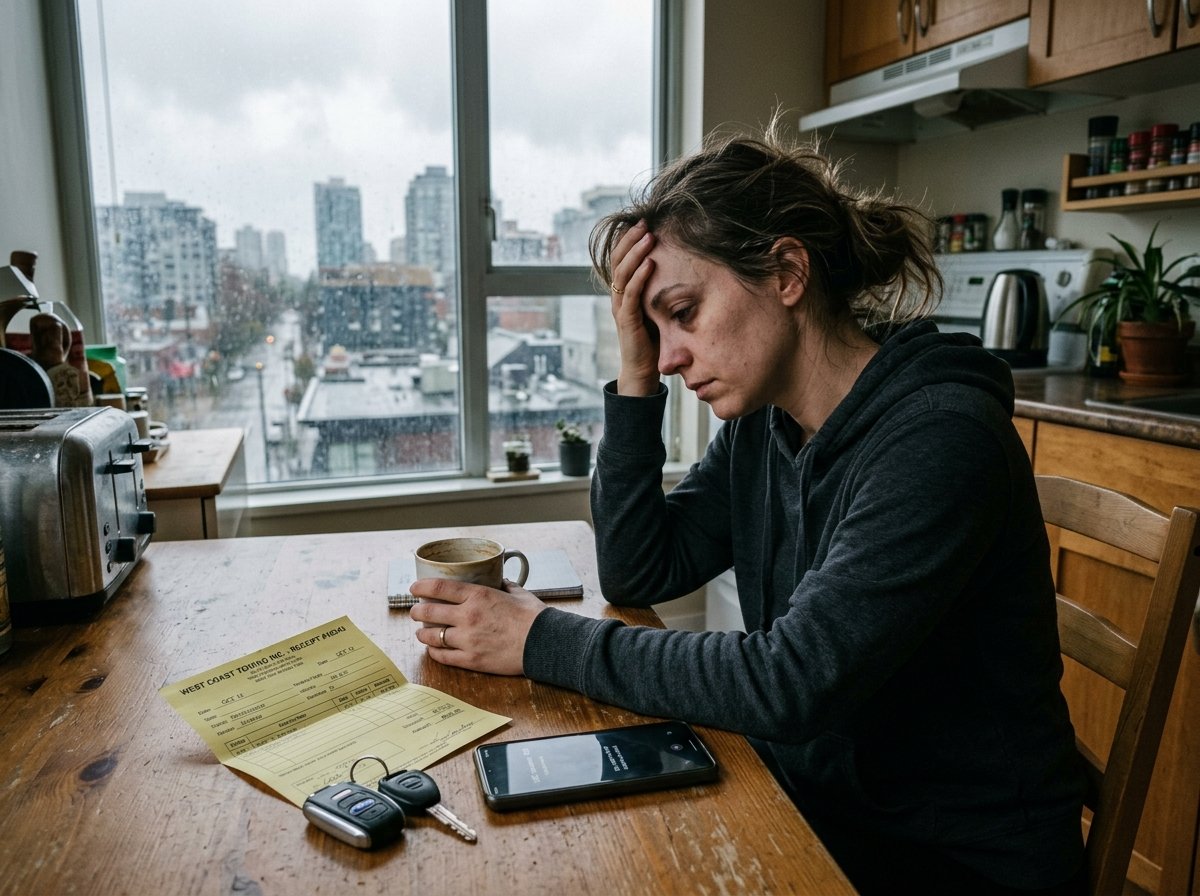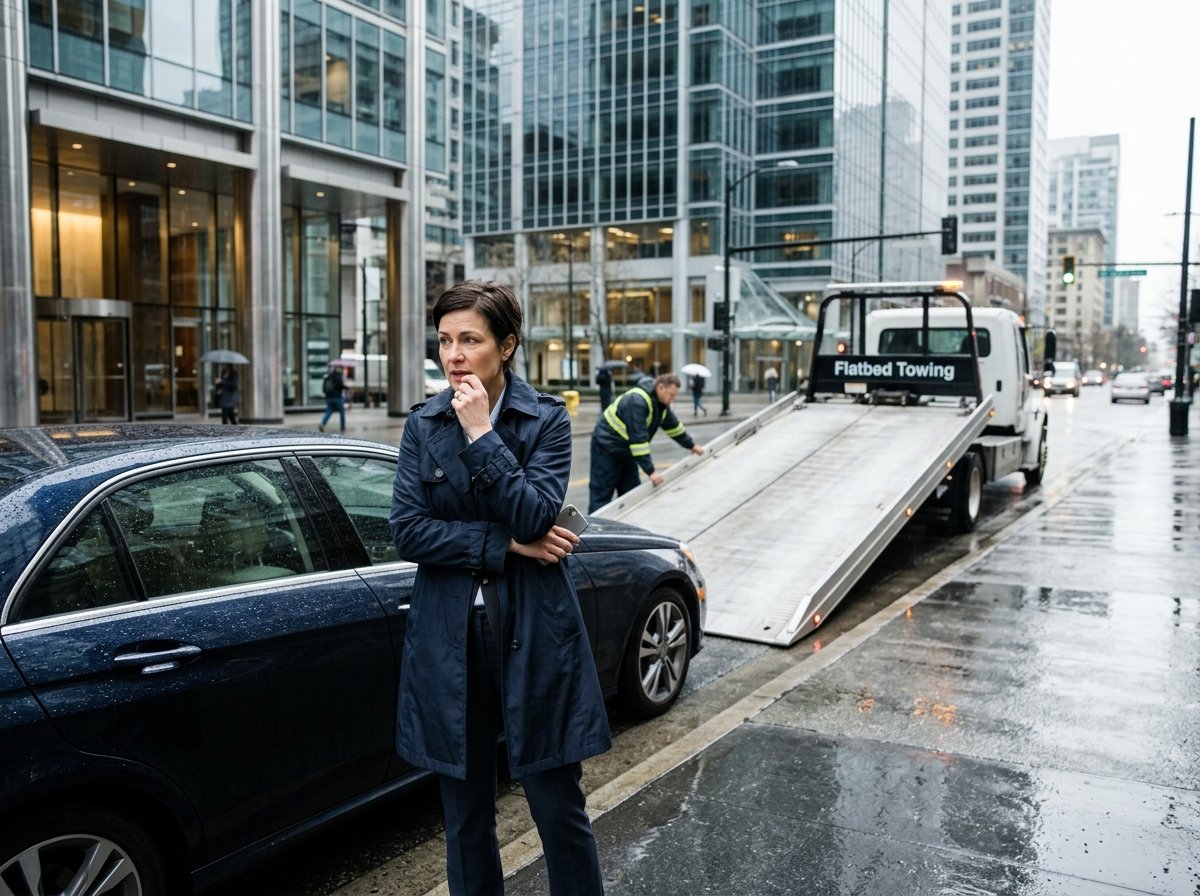

When your car will not move, do not rush the call. Ask the dispatcher to repeat the pickup spot, drop-off spot, price range, and truck type. If your car is AWD, lowered, blocked in, or unsafe to roll, ask if flatbed towing is the safer plan before dispatch. Expressway Towing can help you confirm the basics before you say yes.
Quick overview
- You are stuck and the call feels rushed.
- You do not know if the ETA is real or only a guess.
- You are worried the wrong truck may arrive.
- You need the final receipt to match what was promised.
In this guide
- Ask for the driver name, truck type, and contact plan before you confirm.
- Keep photos, texts, and the quote in one place until the tow is done.
Simple version: confirm these four things before dispatch.
- Where the car is, with a landmark or pin.
- What truck is coming and why.
- What the price includes and what can add cost.
- How you will get ETA updates and a receipt.
TL;DR: What To Confirm First
- Confirm pickup, destination, vehicle type, and access before the truck rolls.
- Ask for the ETA, driver name, truck type, and update method in writing if you can.
- Ask what fees can change the quote before you approve dispatch.
What This Dispatch Checklist Means
This checklist is a short call script for any towing company Vancouver drivers may contact. It helps you slow the call down and get clear answers. For a regular car, ask if light duty towing is enough or if the job needs more equipment. Clear details now can prevent a second truck later.
Context (what matters in this situation):
- Use it before you give payment details.
- Use it if the car is in traffic, a parkade, or a private lot.
- Use it when the driver is not with the car.
- Use it when you need proof for work, school, or insurance.
The Dispatch Call In Real Life
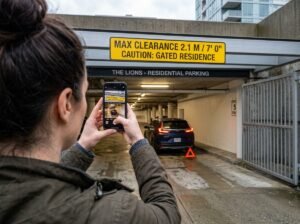
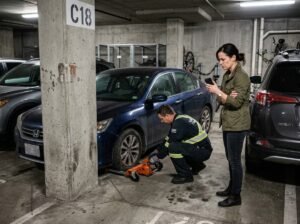
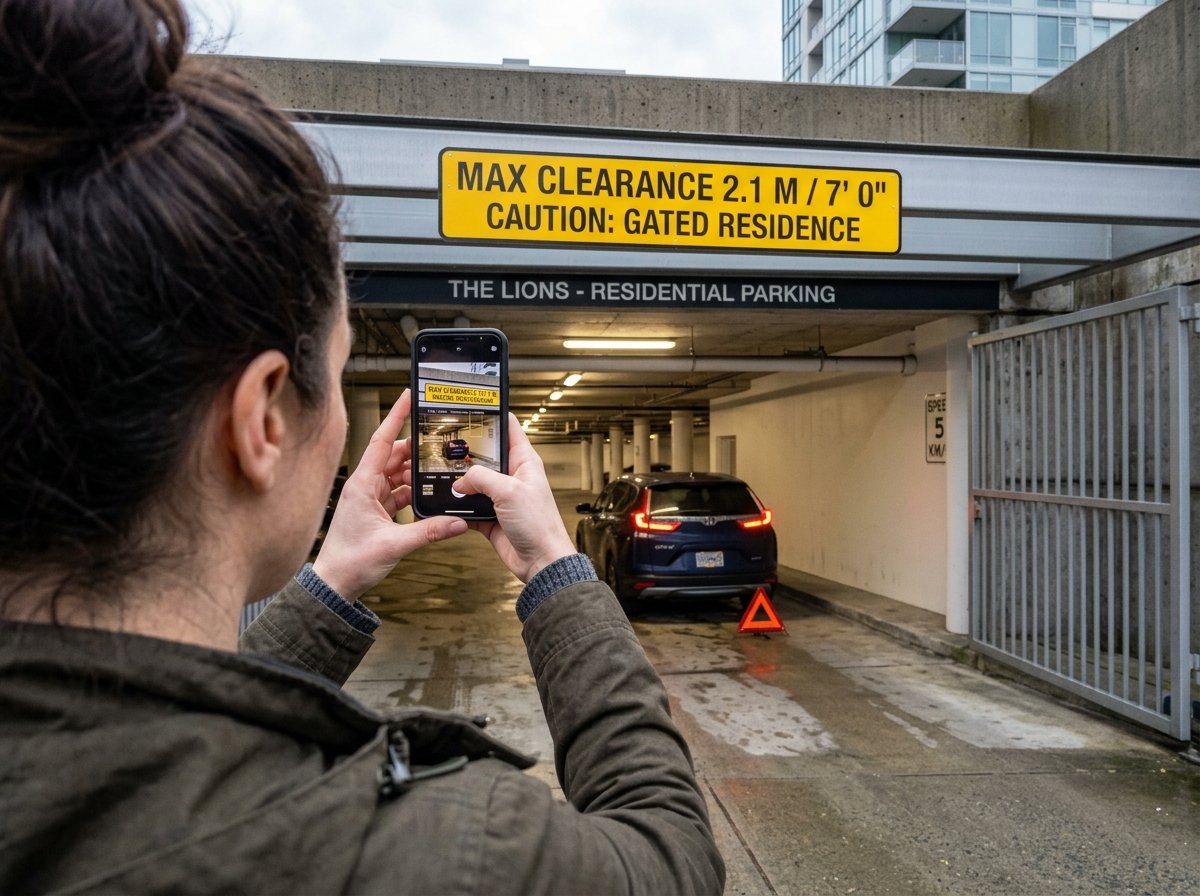
Picture this: your car is nose-in, the garage ceiling is low, and people are waiting behind you. A normal tow truck may not fit. Tell dispatch about the height limit and ask if underground towing is needed before anyone is sent.
What this usually looks like (real-world flow):
- You give the exact address and nearest entrance.
- You explain if the car can roll, steer, and brake.
- You say if keys are with you or locked inside.
- Dispatch repeats the truck type and ETA.
- You ask for a text update once the driver is assigned.
Details to confirm (so you get the right help fast):
- Tell them the vehicle year, make, model, and plate.
- Say if the car is AWD, electric, lowered, or damaged.
- Share gate codes, parkade height, and loading zone rules.
What you should get as the outcome:
- The right truck is more likely to arrive first.
- You know what can change the price.
- You have a clear record if plans change.
Membership Limits, Hidden Fees, And Reviews
If you use a roadside membership, ask what it pays before you book. Some plans may limit distance, truck type, or recovery work. A private quote should still be checked line by line. This Vancouver tow quote checklist shows the details to ask about before you approve the job.
Limits / constraints (what can slow things down):
- Some plans cover only a set tow distance.
- Some plans may not cover dollies, recovery, or parkade work.
- Some plans require pre-approval before the tow starts.
- Some plans pay the shop tow but not storage or extra labour.
Hidden costs to watch for:
- Extra distance after the included kilometres.
- Special equipment, tight access, or a second operator.
- Waiting time if the vehicle or keys are not ready.
- After-hours, fuel, bridge, or lot access charges.
What To Do Before You Say Yes
Before you approve dispatch, ask one direct question: what would make this quote change? If your car cannot roll or one axle must stay off the ground, read this guide on dollies or a flatbed so you know what to ask for.
- Ask for the driver name, truck type, and ETA update method.
- Ask for the receipt details before payment is taken.
Our Recommendations Before Heavy Duty Towing
Ask dispatch to repeat your pickup address and the nearest landmark.
Ask what truck is coming and why that truck fits your car.
Ask what is included in the quote and what can add cost.
Ask how long the ETA is valid if traffic changes.
Ask for text updates if you cannot answer calls safely.
Take photos before the tow starts and after drop-off.
Safety Steps While You Wait
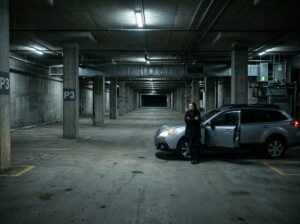
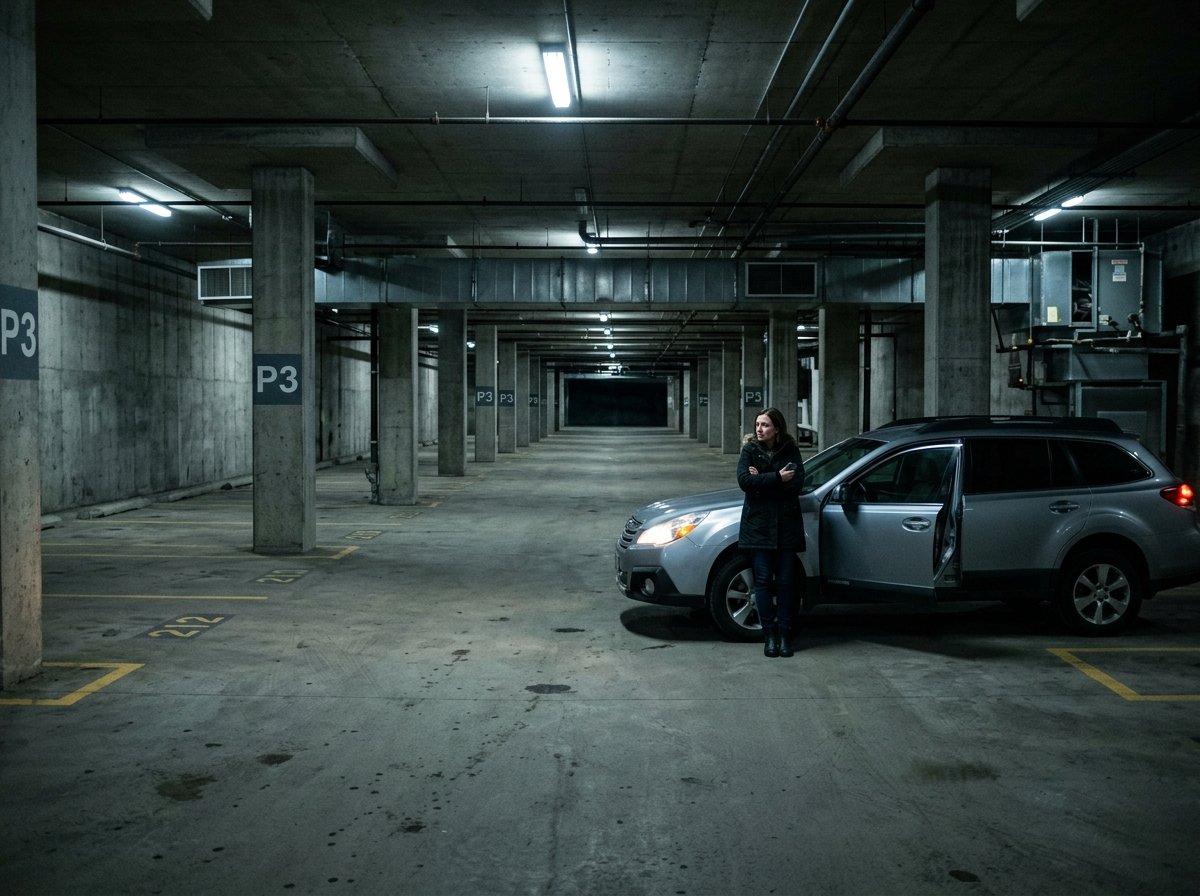
Safety comes before the tow. If you are near traffic, step away from the lane and wait in a lit place. For bikes, scooters, or small vehicles, ask about motorcycle towing so the driver brings the right straps and setup.
A good option is:
- Move people away from traffic and blind corners.
- Turn on hazard lights if it is safe.
- Do not stand between your car and moving traffic.
- Keep your phone charged and volume on.
- Wait inside a safe building if dispatch says the driver can call on arrival.
Scenario 1: Work Van Or Equipment Is Stuck
If the vehicle carries tools, stock, or job gear, say that early. Weight and access can change the truck choice. Ask whether equipment towing or a larger unit is needed before the driver is sent.
Do this:
- Give the van height, weight estimate, and load details.
- Say if tools or racks block hook points.
- Ask if unloading is needed before the tow.
Scenario 2: Electric Car Or AWD Vehicle
Electric cars and many AWD vehicles need careful handling. Tell dispatch the make, model, and drive type. For a Tesla, ask about Tesla towing and whether the car can shift into tow mode.
We recommend this:
- Say if the battery is dead or the screen will not turn on.
- Ask if the wheels can roll or must stay off the road.
- Confirm the drop-off charger, shop, or home address.
Scenario 3: Trailer, Boat, Or Extra Load
If you are towing a trailer, boat, or load, the dispatcher needs hitch, weight, and access details. A normal car tow may not be enough. Ask about trailer towing if the trailer must move with the vehicle.
Here’s a simple path forward:
- Give the trailer length and hitch type.
- Say if the trailer has working lights and brakes.
- Ask if the load must be secured before moving.
Suggested plan:
Step 1: Lock In The Booking Details
Start with the exact pickup spot, destination, vehicle issue, and access notes. Ask the dispatcher to read it back. This guide on how to avoid the wrong tow truck can help you ask cleaner questions before the job is sent.
Step 2: Share A Clear Location
Send a pin if you can, but also give a plain address, closest cross street, and landmark. If you are in a parkade, name the entry ramp, floor, stall, and height limit. If you are on a highway, say your direction of travel and the nearest exit. Keep the phone free for driver calls.
Step 3: Pick The Service That Fits
The right service depends on the vehicle, access, and distance. Ask about long distance hauling if the drop-off is outside the nearby area. For larger personal vehicles, ask about motorhome towing or boat towing before dispatch.
City of Vancouver impound fees
This City page helps if you think your car was towed by bylaw, not by a tow you booked. It explains where city street tows may go and where to check impound fee details. Read the City towing and impound fee page before you call the wrong place. Then have your plate, pickup area, and photo proof ready.
FAQs About Booking A Vancouver Towing Company
What should I confirm before dispatch?
Confirm the pickup address, drop-off address, vehicle type, keys, access, price range, and ETA. Also ask if the truck type matches your car size and access point.
Should I ask for a flatbed?
Ask for the truck type when the car is AWD, electric, lowered, damaged, or locked in park. A flatbed or dollies may be safer than a basic hook-up in some cases.
Can a tow truck enter my parkade?
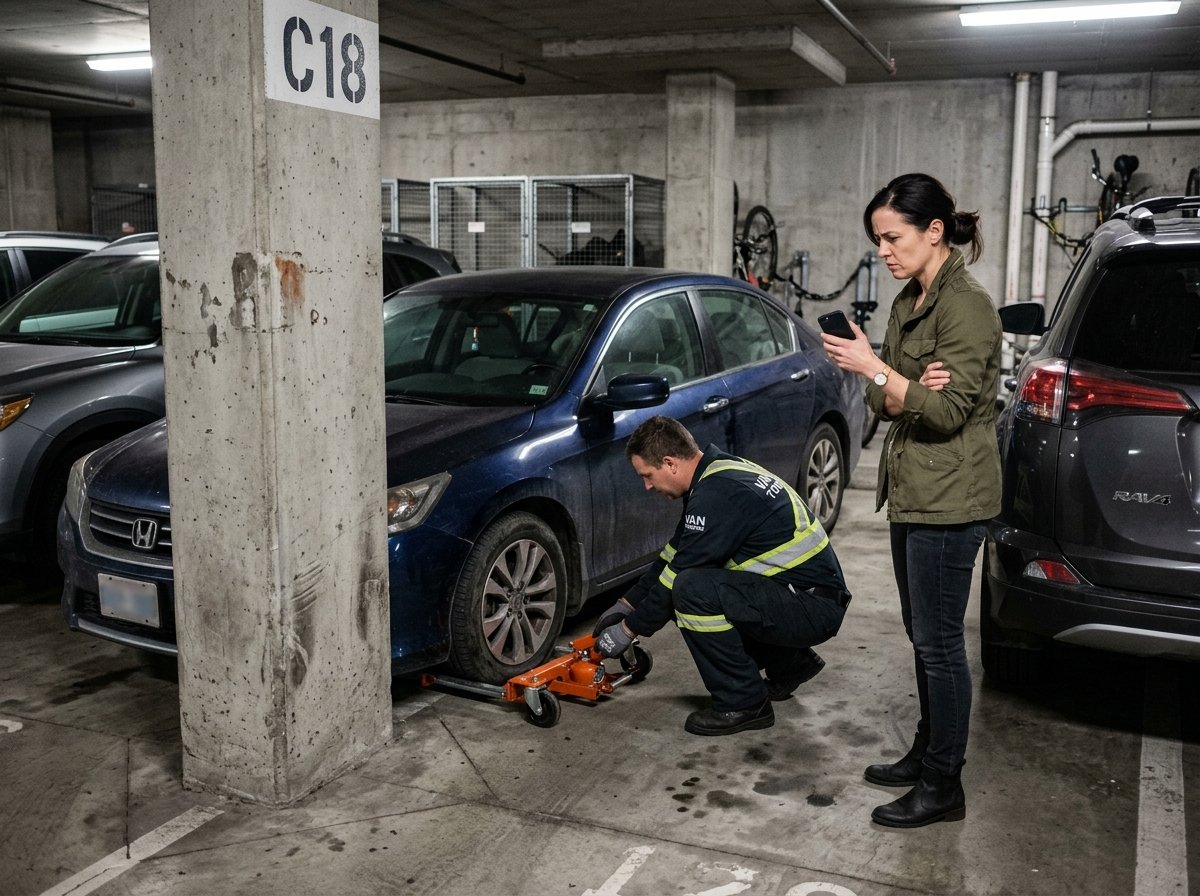
Maybe, but dispatch needs the height limit, ramp angle, entry gate, and stall location. If the clearance is tight, ask about dolly towing or low-clearance equipment before dispatch.
Can I ask for text updates instead of calls?
Yes, ask for the update method before you confirm. Text updates can help if you are in a meeting, inside a building, or in a noisy roadside spot. Also ask when the driver is assigned and when they are close.
What fees can change the quote?
Distance, truck type, waiting time, access, safety risk, and extra labour can change the final cost. If the tow involves large gear or machinery, ask about machinery towing before you accept a basic car tow quote.
What if I need proof for insurance or work?
Ask for a receipt with date, pickup, drop-off, service type, and payment method. Save the quote text, driver update, photos, and final invoice until your claim or work report is done.