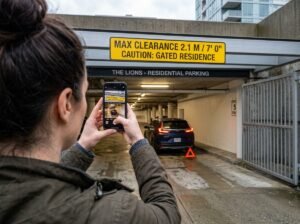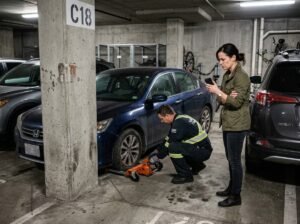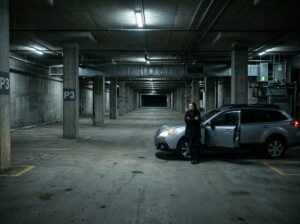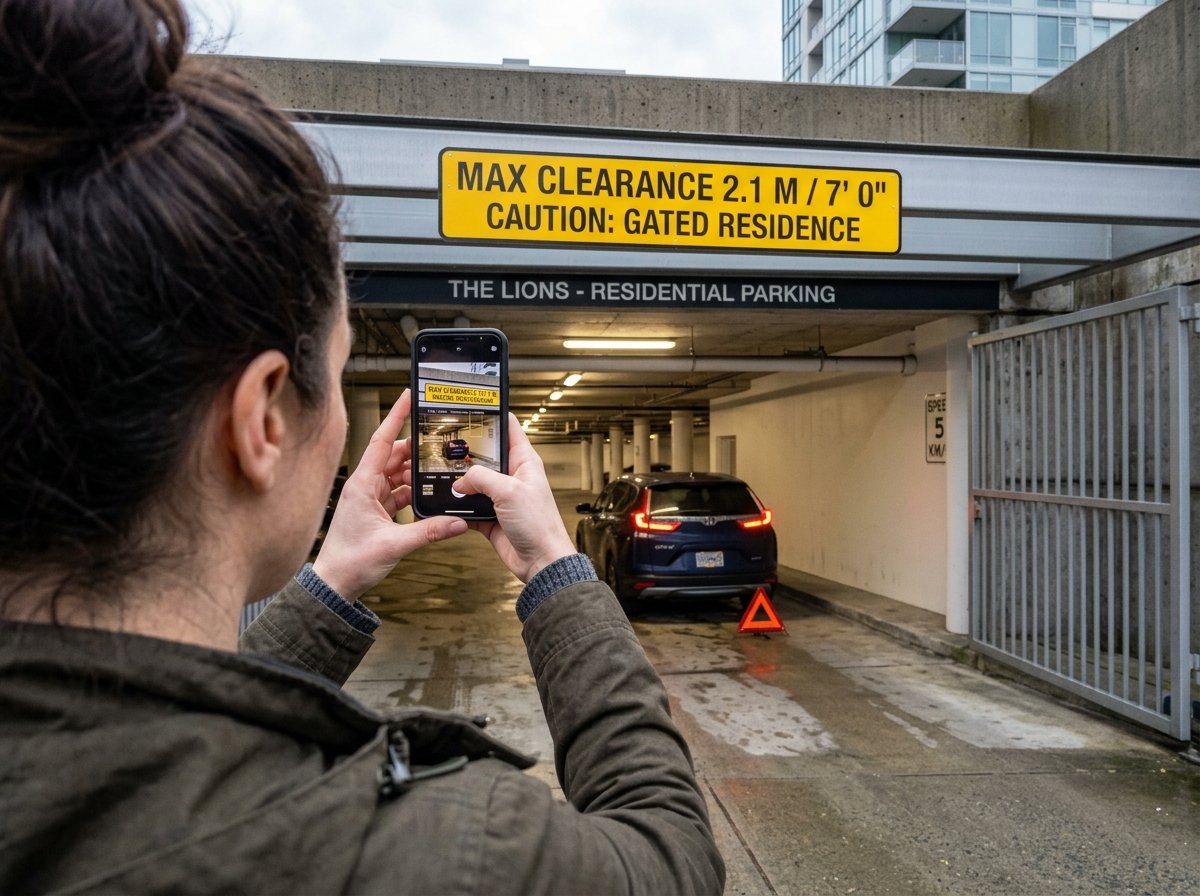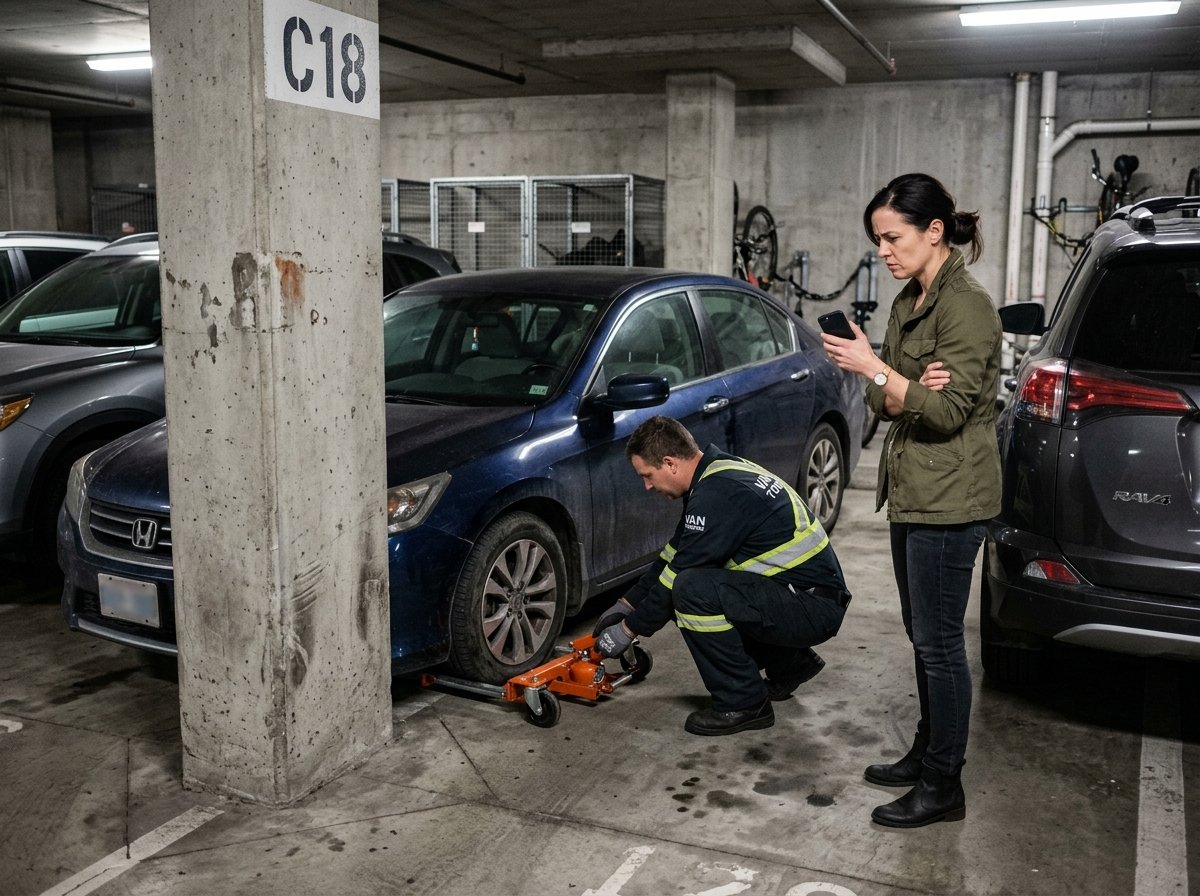
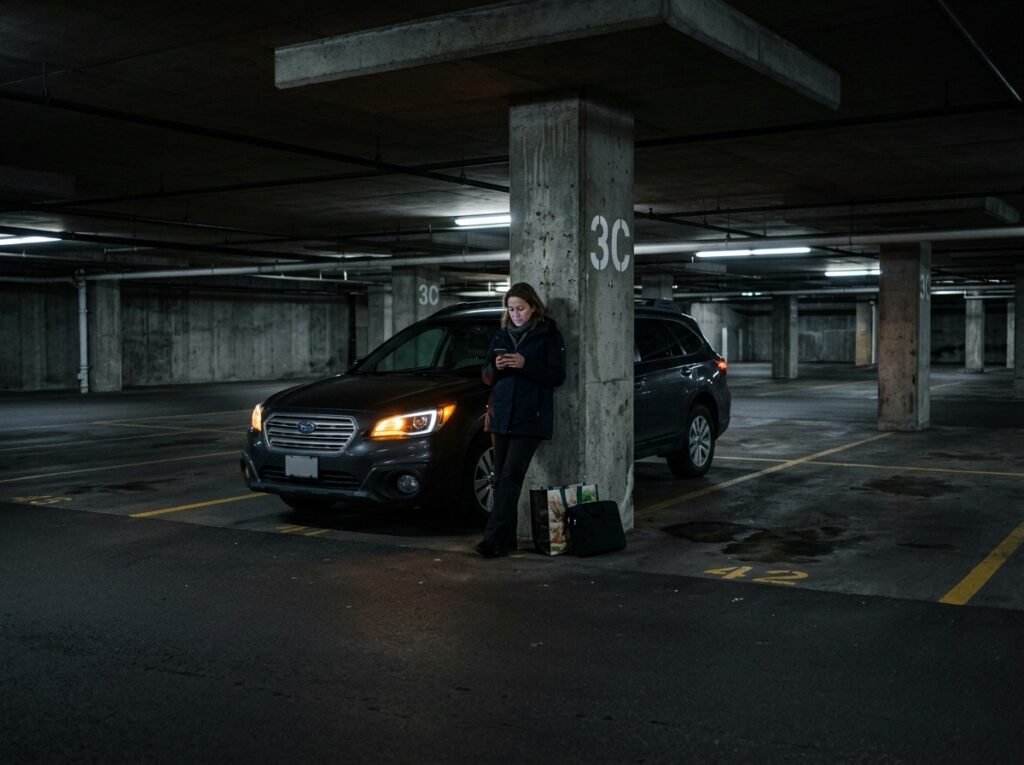
If your car is stuck in a Yaletown parkade, send the gate height, stall number, and entry rules first. That helps dispatch send the right unit, whether you may need underground towing services or want real-time updates before the driver reaches the garage.
Quick overview
- Low ceilings can block a standard tow truck.
- A fob, code, or concierge may be needed at the gate.
- Tight turns can rule out larger equipment.
- A dead battery can stop you from opening the gate or shifting the car.
In this guide
- A clear photo of the entrance speeds truck matching.
- Gate height and lane width matter more than guesses.
Simple version
- Share the clearance height.
- Share the stall number and best entrance.
- Say if security must open the gate.
- Ask for text updates if you cannot wait outside.
Parkade help in one minute
- A driver can enter only if the truck fits and the building allows access.
- Send gate code, stall number, and height details before dispatch.
- If entry is blocked, the job may need a new plan at the ramp.
Can a roadside driver enter your parkade?
Sometimes, yes, but only when the unit fits and the building allows entry. In tight downtown garages, dispatch may compare the space to flatbed towing services before sending a driver.
Context (what matters in this situation):
- Height bars decide fast.
- Tight corners can matter as much as ceiling height.
- Some garages ban outside tow equipment without approval.
- A locked wheel or dead battery can change the plan.
What dispatch needs before the truck rolls
The fastest jobs start with small details. A few photos and quick answers can stop a wasted trip and help you avoid the surprises covered in this roadside quote guide.
What this usually looks like (real-world flow):
- You call with the address and say the car is inside a parkade.
- Dispatch asks for clearance height, stall number, and entry rules.
- You send photos of the gate, ramp, and vehicle spot.
- The unit is matched to the space, not just the car.
- The driver texts or calls before arrival so access is ready.
Details to confirm (so you get the right help fast):
- Share gate code, intercom note, or concierge desk number.
- Mention if the car is AWD, EV, or stuck in park.
- Say whether the lane is clear enough to load safely.
What you should get as the outcome:
- Fewer missed dispatches.
- Less chance of re-dispatch fees.
- Safer entry for the car and the garage.
What can still stop the job
Even with the right unit, a parkade call can fail when access changes at the last minute. That is why some jobs move from a simple boost to a careful dolly towing service plan after the driver sees the space.
Limits / constraints (what can slow things down):
- No access without a resident, manager, or security release.
- Clearance bars may be lower than the posted height near turns.
- There may be no safe loading room behind the vehicle.
- Building rules may block long stops in live lanes.
Hidden costs to watch for:
- Re-dispatch after a no-entry arrival.
- Extra labour for manual release or wheel dollies.
- Wait time if security must come down.
- After-hours access delays.
What to do now before you book
Do not guess. Check the gate sign, take a photo, and send the details before booking. If building access may fall apart, read this note on canceling later without a fee so you know your options.
- Text the gate height, stall number, and best entrance.
- Tell dispatch who will open the gate or meet the driver.
Our recommendations for Yaletown parkade calls
Lead with the clearance height, not just the address.
Send one photo from outside and one from the stall.
Say if the steering is locked or the battery is dead.
Have security or concierge ready before ETA.
Ask if a smaller low-clearance unit is being sent.
If access is unsure, plan a backup spot at the ramp.
Safety first in a tight parkade
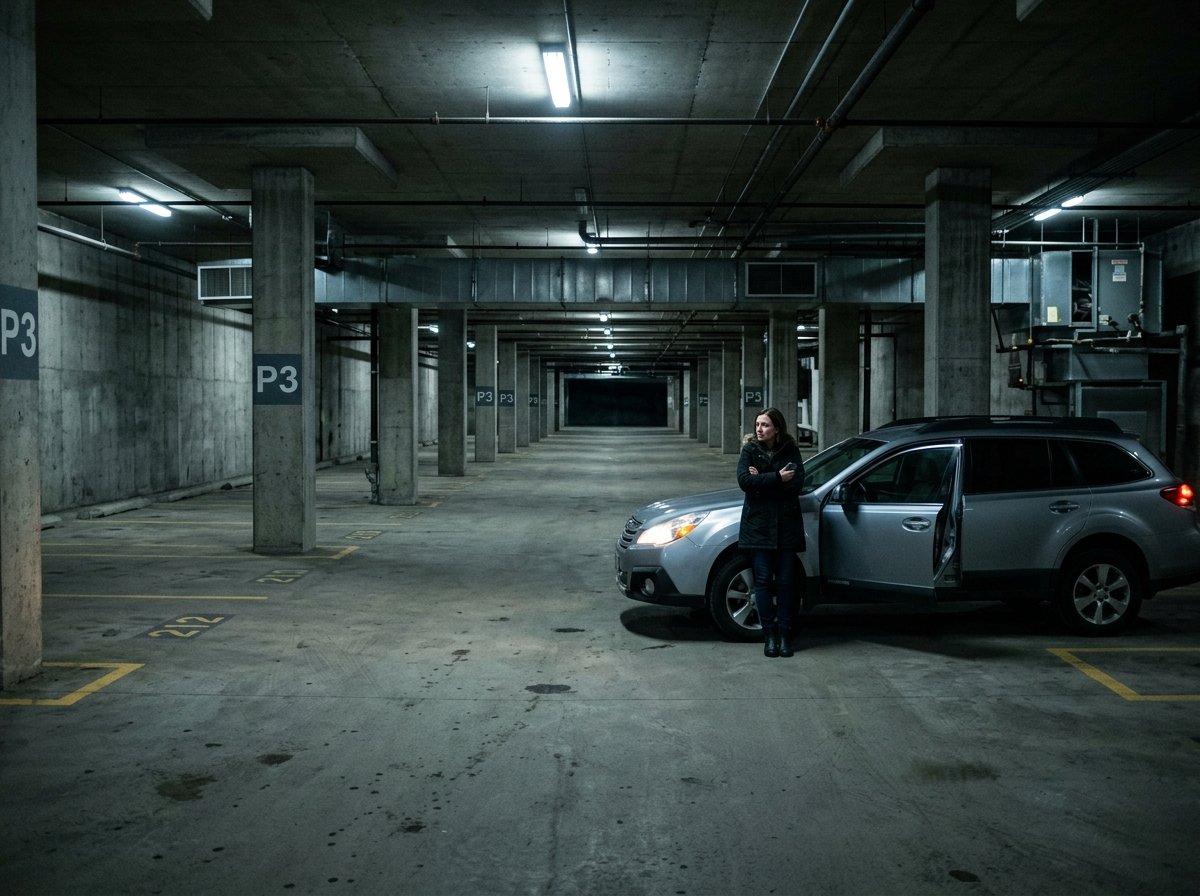
Stay out of the lane if another car could turn in fast. If the vehicle must be moved carefully, underground towing services may be safer than trying to rush the load.
A good option is:
- Turn on hazards if the battery still works.
- Keep kids and pets away from ramps and blind corners.
- Do not stand behind the car during loading.
- Tell dispatch about leaks, smoke, or a hot battery smell.
- Wait where the driver can reach you by phone or text.
If the gate is too low
A standard truck may not fit, even when the car is easy to reach. In that case, dispatch may switch to underground towing services instead of sending the wrong unit first.
Do this:
- Send a photo of the clearance bar.
- Measure the posted height if you can.
- Ask whether loading must happen at the ramp.
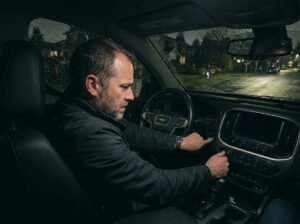
If the battery is dead in the stall
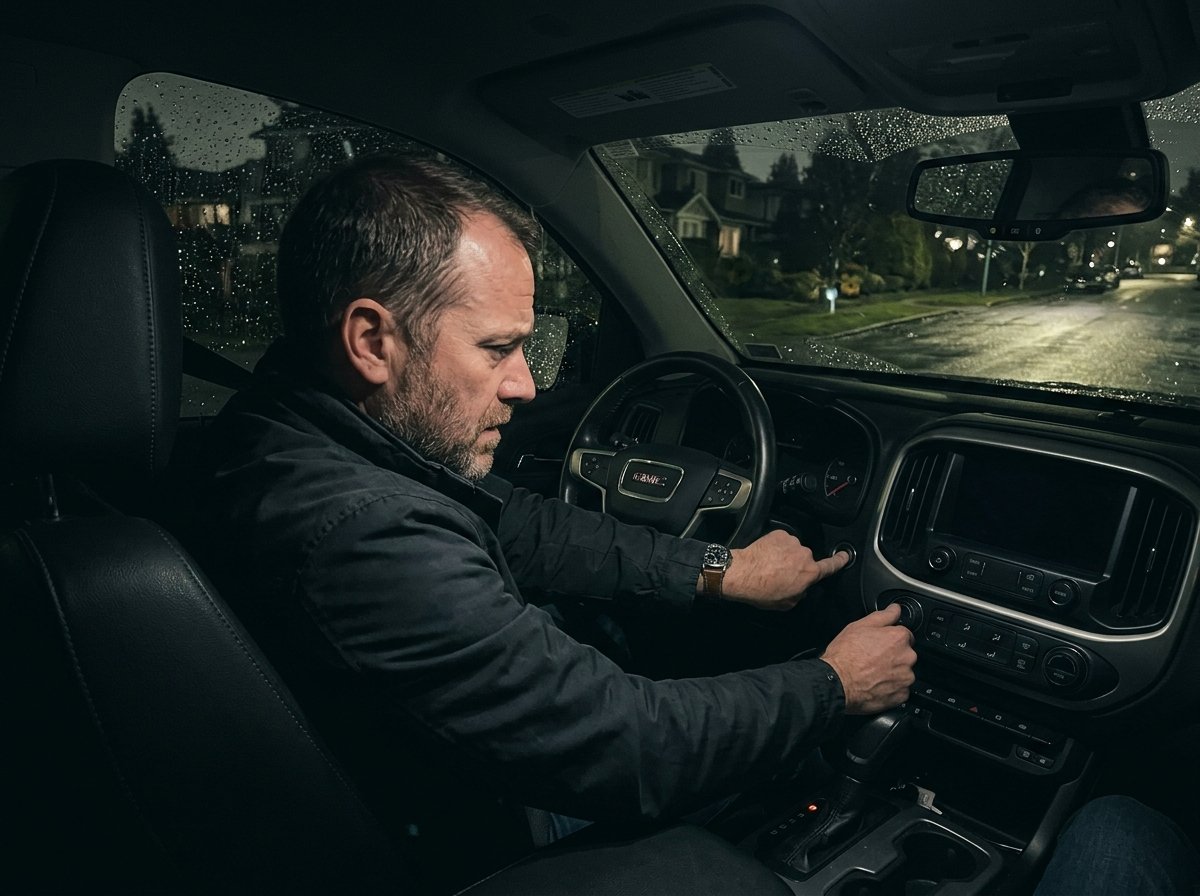
A dead battery can turn a simple exit into a blocked-in job because gates, shifters, and electronic parking brakes may not respond. If the car cannot move, dispatch may plan for a careful dolly towing service before confirming the job.
We recommend this:
- Tell dispatch if the car is EV, hybrid, or gas.
- Say whether the trunk or hood can open.
- Mention if another car is parked tight beside you.
If security will not let the driver in
Private parkades can stop a job at the gate if the building wants a resident present or limits tow access after hours. Before the truck arrives, check the rule with the desk and keep a backup plan ready, like moving the car to a ramp for flatbed towing services.
Here’s a simple path forward:
- Ask who must be present for access.
- Confirm intercom, fob, or loading zone rules.
- Tell dispatch right away if the rule changes.
Suggested plan:
Step 1: Book the right help
Start with the service type that matches the space, not just the problem. A tight Yaletown garage may need underground towing services even when it looks like a simple roadside call.
Step 2: Share the exact location
Text the full address, tower name, gate entrance, level, stall number, and any code or concierge note. If the building has strict access rules, keep your phone close so dispatch can reach you fast.
Step 3: Keep backup options ready
If the first plan will not fit, ask what the backup is before ETA. Common switches include flatbed towing services or a careful Tesla towing service plan for low-clearance EV access.
Vancouver parking by-law
This page helps you understand how Vancouver handles parking and loading rules on private property. It is useful when a building manager talks about clearance, loading space, or access limits before a tow. Read the City of Vancouver Parking By-law so you know what rules may affect entry before the driver arrives.
FAQ
Can the driver enter any parkade in Yaletown?
No. The truck still needs enough height, turn room, and building permission. Some jobs must be handled at the ramp instead of deep inside the garage.
What details should I text first?
Send the address, entrance, level, stall number, posted clearance, and who can open the gate. If you want less guesswork, ask for real-time updates once the job is assigned.
What if my car is AWD or an EV?
Say that right away. The safest plan may change based on the space, the vehicle, and whether the car can roll freely.
Can I wait inside the building?
Yes, if you stay reachable and someone can meet the driver at the gate when needed. Do not disappear if the building has strict access rules.
Will a dead battery stop the job?
Sometimes. A dead battery can affect the shifter, parking brake, trunk, and gate access. Tell dispatch early so the team can plan the safest next step.
Can pricing change after dispatch?
Yes. The price can change if the truck cannot enter, extra labour is needed, or the car must be moved in stages. This roadside quote guide shows the details that often change the final number.