A later cancel is sometimes free, but not always. In many cases, the key question is whether dispatch has started, the driver is already moving, or a special service like battery boost in Vancouver was already assigned. Expressway Towing can usually tell you the next step fast if you ask before the job advances.
Quick overview
- You booked in a rush and now a friend can help.
- Your car started again after the call.
- You gave the wrong pickup spot or changed buildings.
- You do not want a surprise fee after you cancel.
In this guide
- Ask if a truck is dispatched yet.
- Ask for the cancel rule by text before you confirm.
Simple version:
- Cancel early if you can.
- Ask if the driver has left.
- Ask what fee starts at dispatch.
- Get the answer in writing.
TL;DR
- You may avoid a fee if no truck has been sent yet.
- Once a driver is rolling, a dispatch or trip fee can apply.
- Always ask what happens if you cancel before service starts.
When is a later cancel usually free?
A later cancel is most likely to be free when the request is still at the quote stage and no driver has been sent. That is why it helps to confirm the job status right away, even for simple calls like mobile tire change in Vancouver. If the company has already committed a truck, time slot, or special gear, a fee can be reasonable. The safest move is to ask, “Has dispatch started, and what fee applies if I stop now?”
Context (what matters in this situation):
- Quote only: often the easiest time to cancel.
- Driver assigned: risk of a fee goes up.
- Driver en route: a trip or dispatch fee may apply.
- Service started: full or partial charge is more likely.
How this usually plays out
Picture a common call. You lock your keys inside, book help, then the spare key shows up. If the team already lined up car lockout service in Vancouver, the fee question becomes about timing, not just intent.
What this usually looks like (real-world flow):
- You call and explain the problem.
- You get a quote and estimated arrival time.
- Dispatch assigns a driver or service type.
- Your situation changes before arrival.
- You ask to cancel or switch the job.
Details to confirm (so you get the right help fast):
- Ask whether the truck has left the yard.
- Ask whether your time slot blocked another call.
- Ask whether the job can be changed instead of canceled.
What you should get as the outcome:
- Best case: no fee because dispatch did not start.
- Middle case: small dispatch fee because the driver was assigned.
- Higher case: trip fee because the driver was already on the way.
What memberships and quotes may not cover
Not every roadside plan pays the same way. Even when a job looks simple, such as tire repair in Vancouver, your club, insurer, or reimbursement add-on may have limits that do not erase a cancel fee.
Limits / constraints (what can slow things down):
- Some plans cap the number of calls per term.
- Some plans repay later instead of paying the company first.
- Some plans cover only certain service types.
- Some plans do not cover no-show or late-cancel charges.
Hidden costs to watch for:
- After-hours dispatch can raise the total.
- Parkade access or extra wait time can matter.
- Long travel distance can add cost.
- Heavy vehicles or special batteries may change the job type.
What to do before you say yes
Before you confirm, ask two short questions: “When does the cancel fee start?” and “Can this be changed instead of canceled?” That matters for every call, including fuel delivery in Vancouver, because a quick change may save the job and the fee.
- Ask for a text that shows the quote, ETA, and cancel rule.
- Ask whether a service swap is cheaper than a full cancel and rebook.
Our recommendations
Ask the cancel rule before you approve dispatch.
Get the ETA and fee note by text.
Save the caller name and time of the call.
If your problem changed, ask to switch services first.
Keep receipts if your policy may repay roadside costs.
Do not wait to cancel if you already know you do not need help.
Safety first while you decide
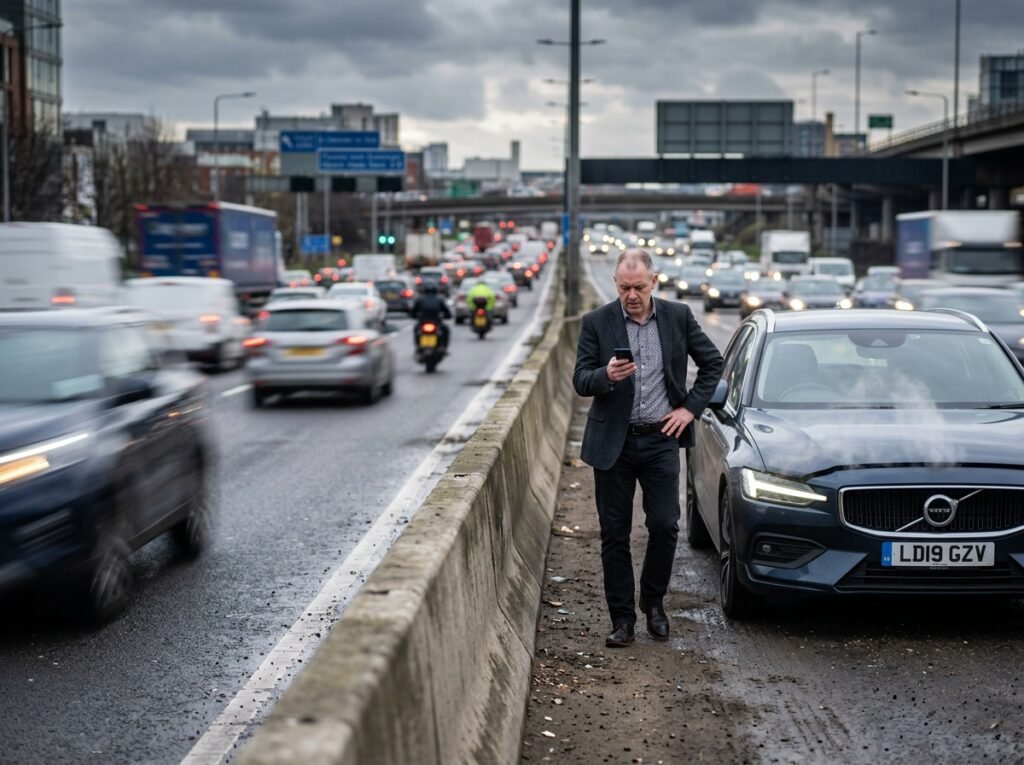
If you are stopped in a risky spot, do not focus only on the fee. Your first job is staying safe while help is on the way, especially if you asked for 24 hour roadside assistance in Vancouver at night or in bad weather.
A good option is:
- Move to a safer spot only if it is legal and safe.
- Turn on hazard lights.
- Stay out of traffic if possible.
- Keep your phone charged and volume on.
- Text the exact pickup point if the map pin is weak.
You booked, then the car started
This is the classic late-cancel problem. If the quote is still open, you may owe nothing. If dispatch already moved, a fee may apply, which is why this guide on what changes your final quote before dispatch is useful.
Do this:
- Call back right away.
- Ask if the truck was assigned.
- Ask whether the job can be closed with no trip fee.
You need a different service now
Maybe you first thought you needed a tow, but the real problem is a dead battery on a large SUV or work truck. In that case, switching to heavy vehicle battery boost in Vancouver may be easier than canceling and starting over.
We recommend this:
- Describe the vehicle clearly.
- Ask whether the team can swap the service type.
- Confirm the updated price before the driver arrives.
You are waiting in a parkade or hard-to-find spot
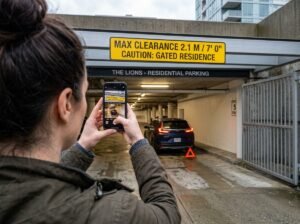
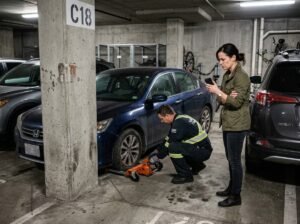
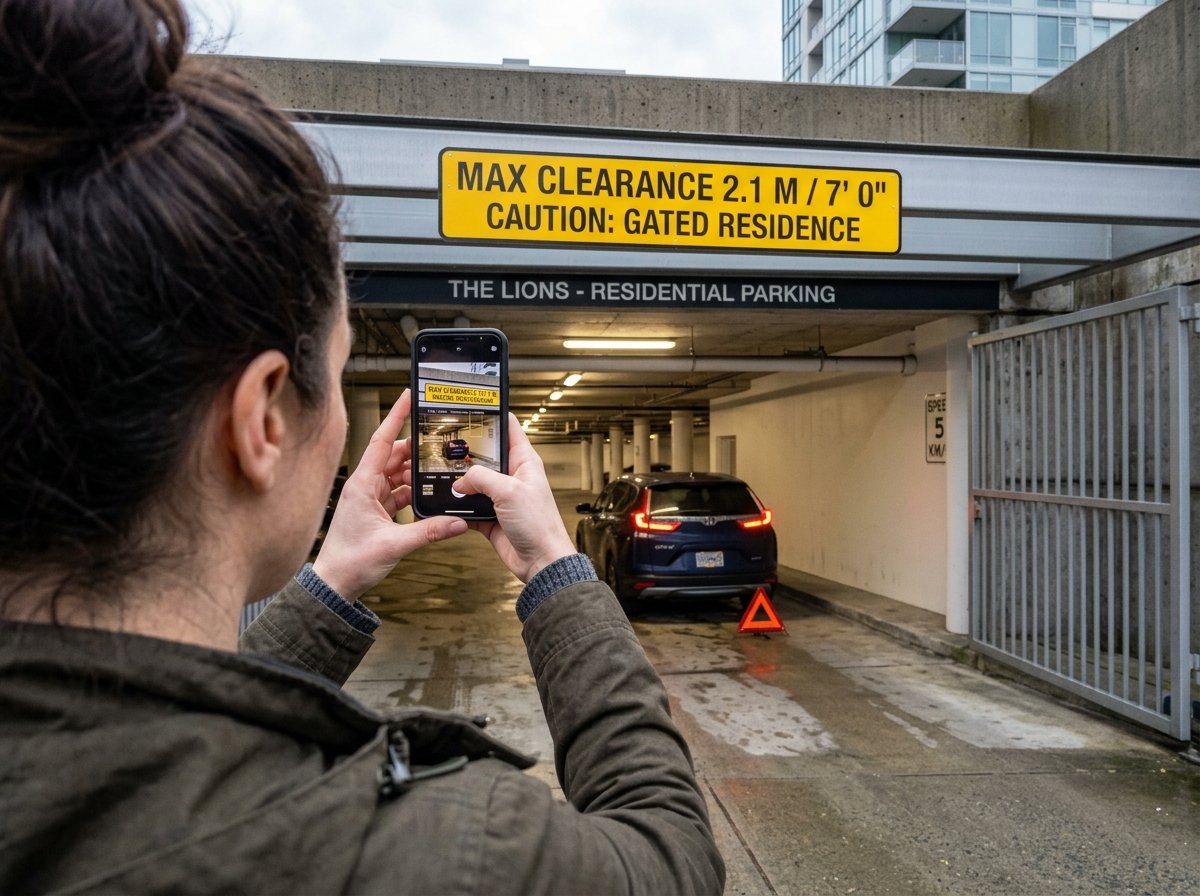
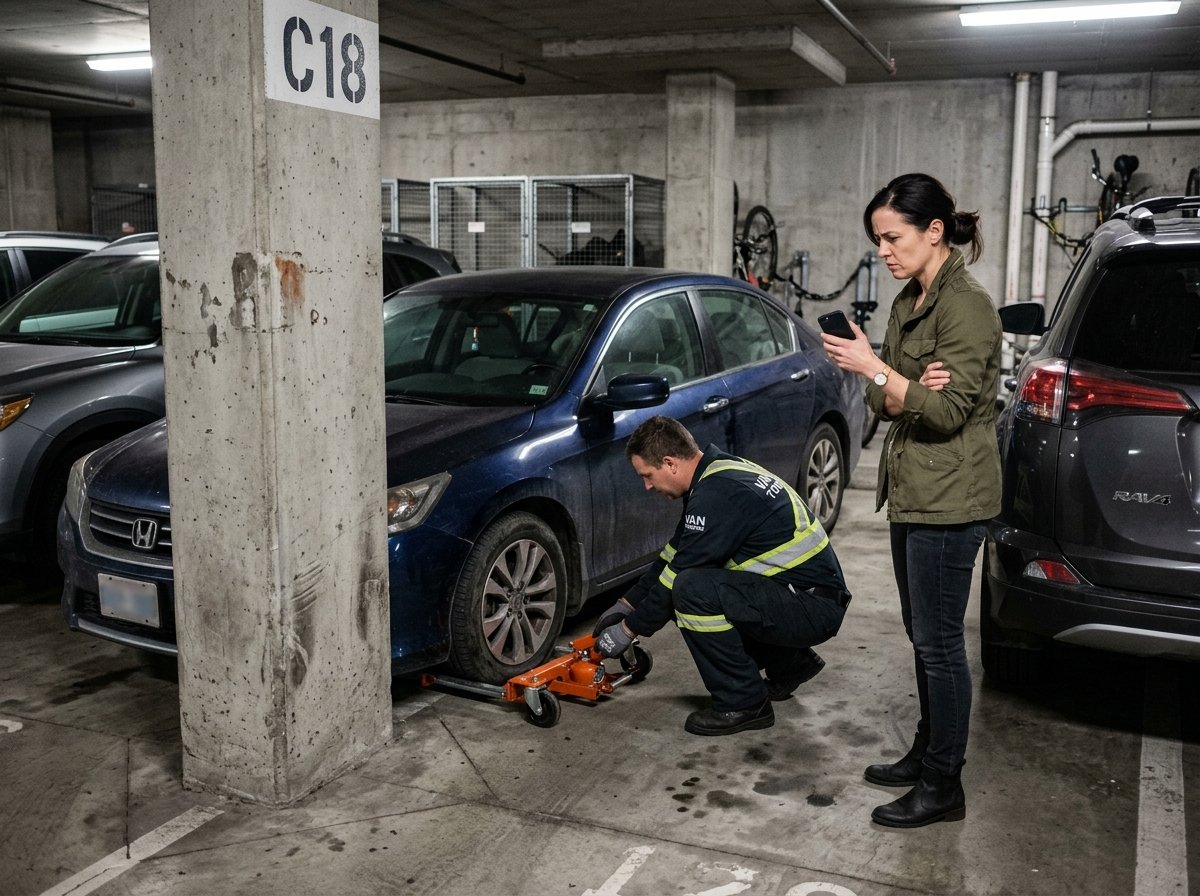
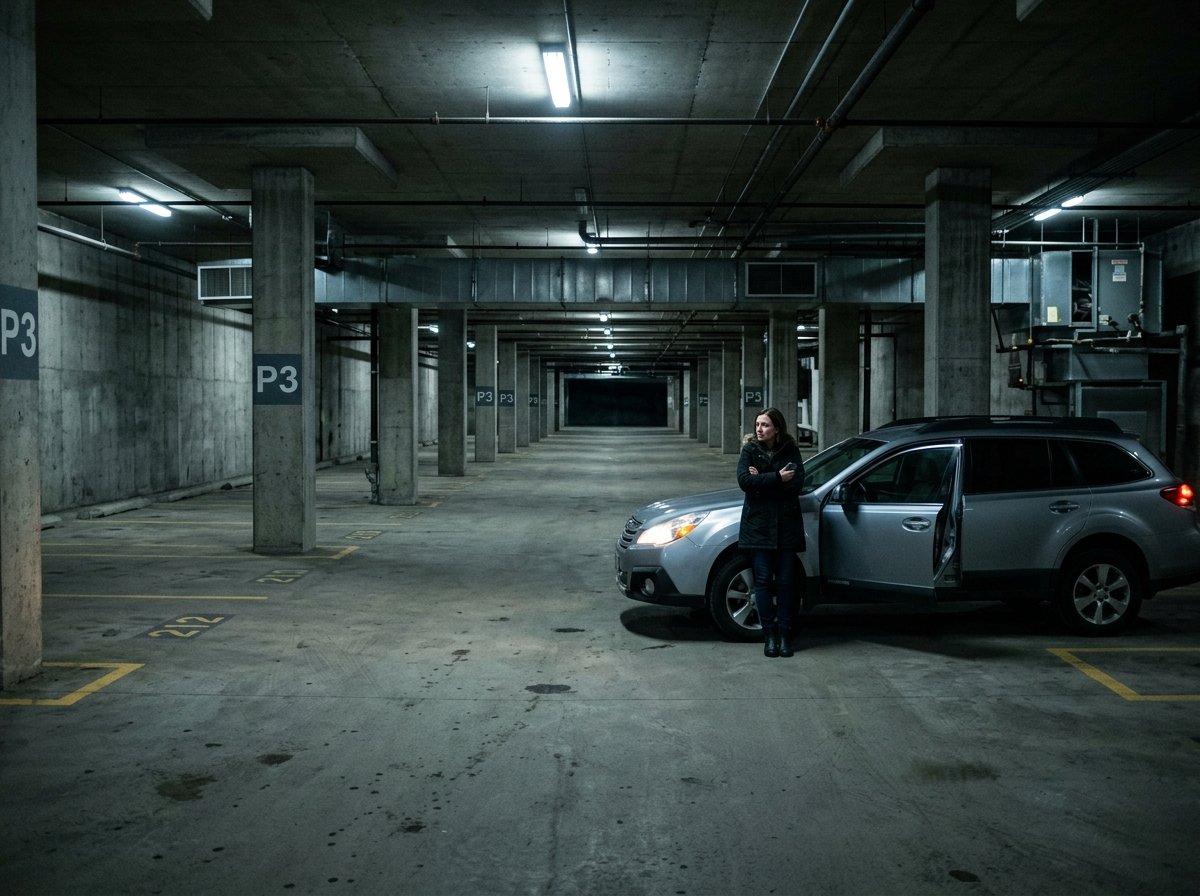
A cancel fee can get messy when the driver is trying to reach you inside a garage or loading area. It helps to sort access details early, and this article on parkade access questions shows why clear instructions matter.
Here’s a simple path forward:
- Give the entrance, level, and clearance details.
- Share a nearby landmark.
- Ask whether extra wait time can add cost.
Suggested plan:
Step 1: Book fast, but ask one fee question
When you book, ask what happens if you no longer need help five or ten minutes later. This is smart for any roadside job, even simple tire air up service in Vancouver, because the answer can change once a driver is assigned.
Step 2: Share the best location you can
Send the street, nearest landmark, stall number, gate code, or building name. Better location details reduce delays, reduce wasted travel, and make it easier to decide whether the job is active or still changeable.
Step 3: Switch service instead of canceling when possible
Sometimes the cheaper move is to change the request, not stop it. For example, a no-start issue may turn into car battery replacement in Vancouver after a quick test, and that can save time.
ICBC emergency roadside expenses
This ICBC page helps you check whether your policy may repay some roadside costs after a breakdown, flat tire, or lockout. It also shows that coverage limits and claim timing can matter. Read it before you toss your receipt. It is useful if you are deciding whether to cancel, rebook, or submit a claim later.
FAQs
Can I cancel roadside assistance after I book it?
Sometimes yes, with no fee, if the job is still only a quote. Once dispatch starts, a fee may apply, so call back fast and ask what stage the job is in. This guide on real-time update questions can help you ask the right thing.
Will I pay if the driver is already on the way?
You might. Many companies treat an en route job differently because driver time and travel already started. Ask whether the charge is a dispatch fee, trip fee, or the full service fee.
What if I gave the wrong address?
Call or text the correction right away. A small change may be easy, but a big change across town can affect ETA and price. Ask the team to confirm the new address back to you.
Can I switch from a tow to a battery or tire service?
Often yes, if the company has the right equipment and the driver has not arrived with the wrong setup. A service swap can be cheaper than a cancel and a new booking. Ask for the new total before the job changes.
Should I ask for the cancel rule in writing?
Yes. A quick text or email helps you avoid confusion later. It should show the quoted service, the ETA, and when any fee starts.
Can insurance or a roadside plan repay my costs?
Sometimes. It depends on your policy, the service type, and whether reimbursement rules apply. Keep receipts, save the dispatch message, and check your coverage as soon as the job is done.