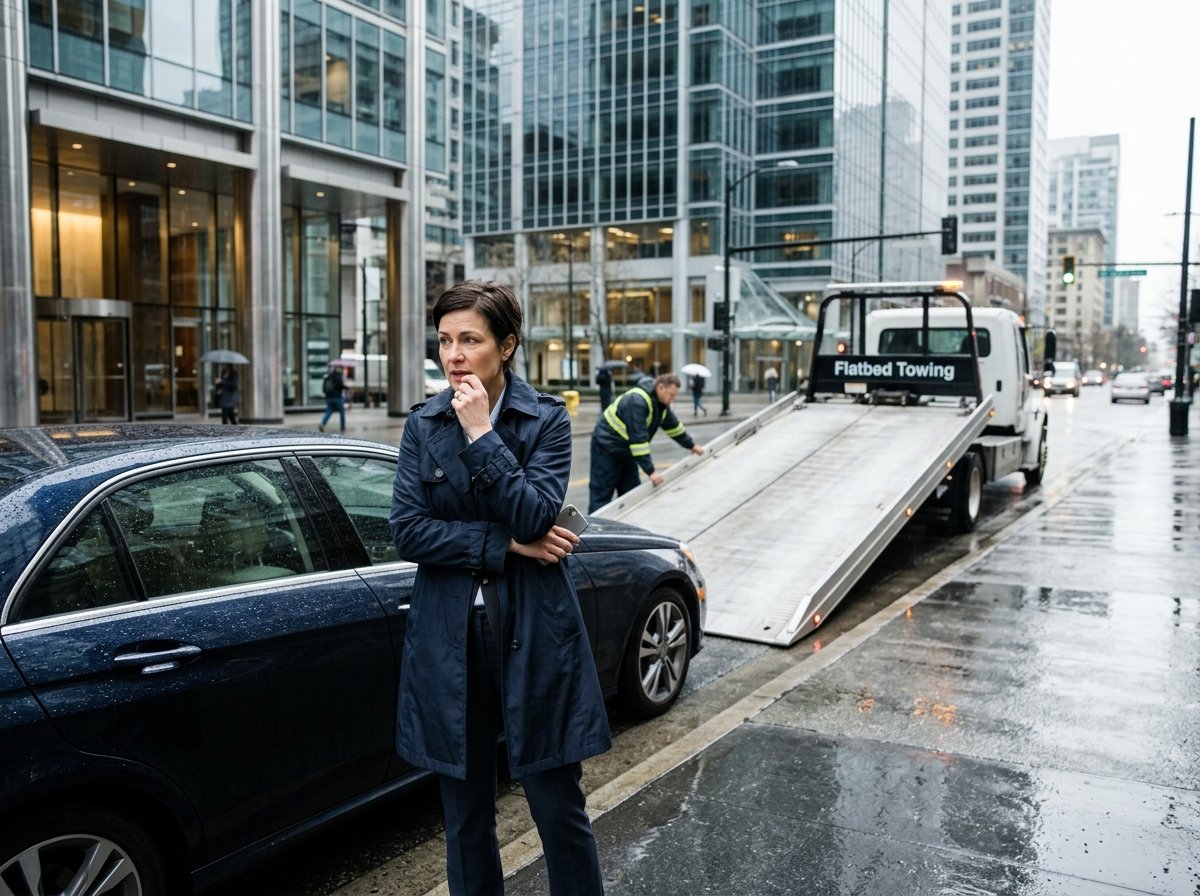
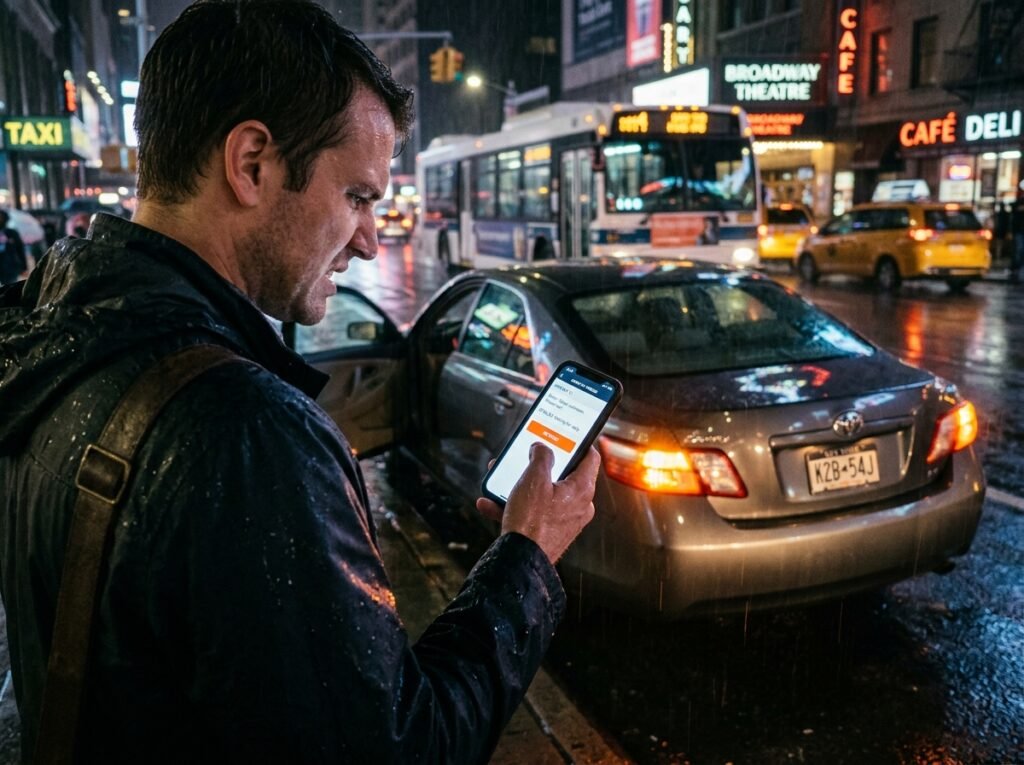
Waiting with no update is stressful. If you need roadside assistance in Vancouver, ask for text updates, the driver name, and a clear ETA. It also helps to read this final quote guide before you book with Expressway Towing.
Quick overview
- You do not know if the truck is really on the way.
- A busy Broadway pickup point can be hard to spot.
- You may not know if a boost, unlock, or tow is being sent.
- A missed call can make the wait feel longer.
In this guide
- Ask for the driver name and next update time.
- Send your exact entrance, lane, or storefront.
Simple version:
- Ask what kind of updates you will get.
- Share a live pin or exact landmark.
- Confirm the service type before dispatch.
- Keep your phone close and reply fast.
TL;DR
- Yes, you can ask for real-time updates before you book.
- Good updates usually include ETA, driver status, and arrival notice.
- Give a clear location so the truck does not lose time finding you.
What real-time updates usually mean
Real-time updates do not always mean a live moving dot on your phone. Many jobs start with a booked ETA, then a dispatch text, then an en route update, then an arrival note. That matters even more when the job may switch to flatbed towing because truck type can change the timing.
Context (what matters in this situation):
- A first ETA is only the starting estimate.
- Dispatch may update you again after the truck is assigned.
- Traffic, access, and truck setup can change the window.
- A short arrival text is often the most useful update.
What a good update flow looks like
A clear update flow is simple: booked, dispatched, en route, and arrived. If access is tight or the pickup is below grade, the same kind of details covered in these parkade towing questions can affect timing near Broadway too.
What this usually looks like (real-world flow):
- You book and get a starting ETA.
- Dispatch confirms the service type.
- The driver gets your pin, landmark, and vehicle details.
- You get a text when the truck is heading your way.
- You get a final call or text when the truck is close.
Details to confirm (so you get the right help fast):
- Share color, plate, and exact side of the street.
- Say if the wheels are locked, flat, or turned hard.
- Mention gates, ramps, or loading docks right away.
What you should get as the outcome:
- Fewer missed calls.
- Less chance of the driver passing your entrance.
- A better shot at a smooth first visit.
Where updates stop being real time
Some companies say real time when they really mean periodic check-ins. If the call needs a bigger unit such as truck towing, the ETA can change after dispatch and still be normal.
Limits / constraints (what can slow things down):
- Not every company offers a live map link.
- A driver may be finishing another job first.
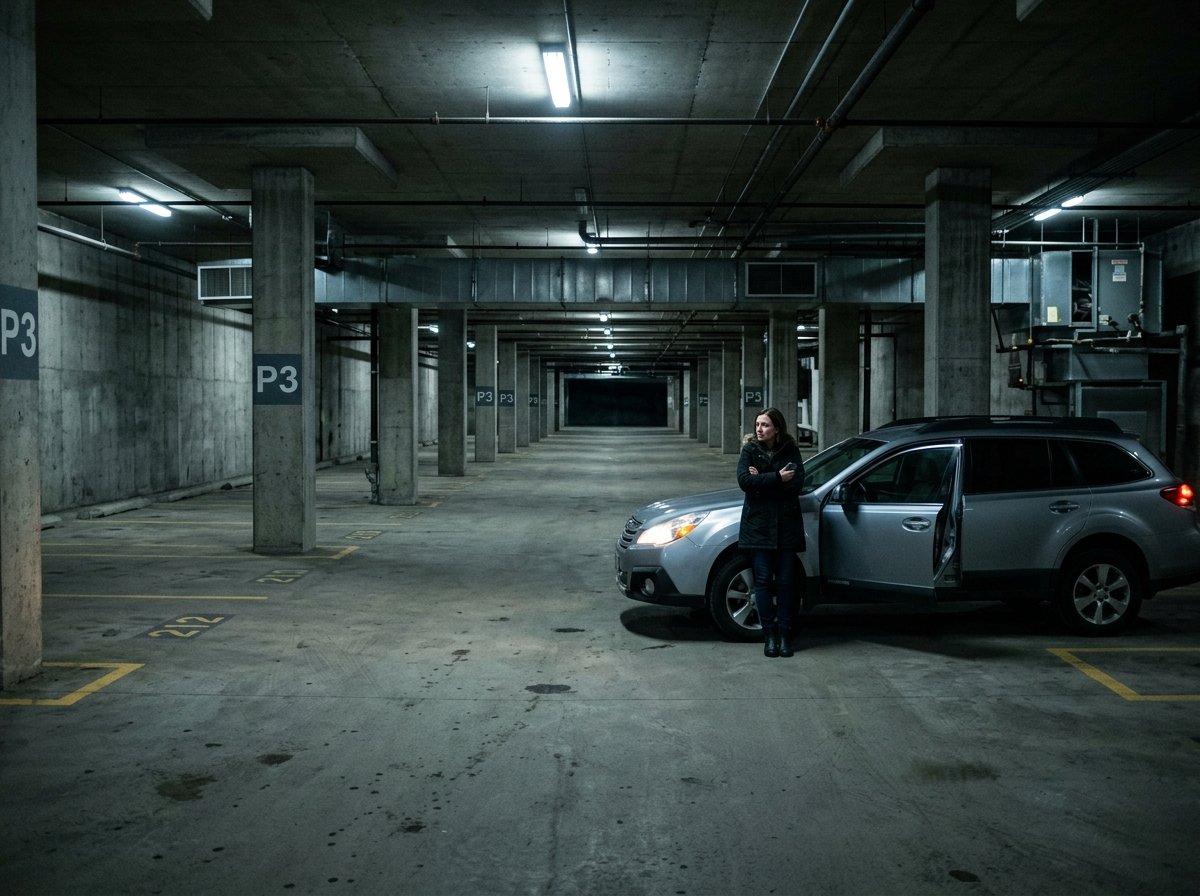
- Phone signal in underground areas can be weak.
- A service change can reset the timing.
Hidden costs to watch for:
- After-hours timing can affect price.
- Tight access may need extra equipment.
- A second visit can cost more than one complete visit.
- Longer wait zones may add pressure to move fast.
What to do right now
Start with three short questions: What is my ETA now, who is the driver, and will I get a text before arrival? It also helps to review these cancellation rules so you know what happens if the car starts again before the truck arrives.
- Send one text with your exact location details.
- Ask what happens if the service changes from roadside help to towing.
Our recommendation
Ask for text updates before the job is locked in.
Send the nearest door, shop, or lane name.
Say if you are in a no-stopping zone or loading area.
Tell dispatch if the wheels are locked or flat.
Keep your ringer on until the truck arrives.
Save screenshots of your quote and update texts.
Stay safe while you wait
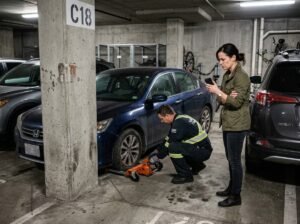
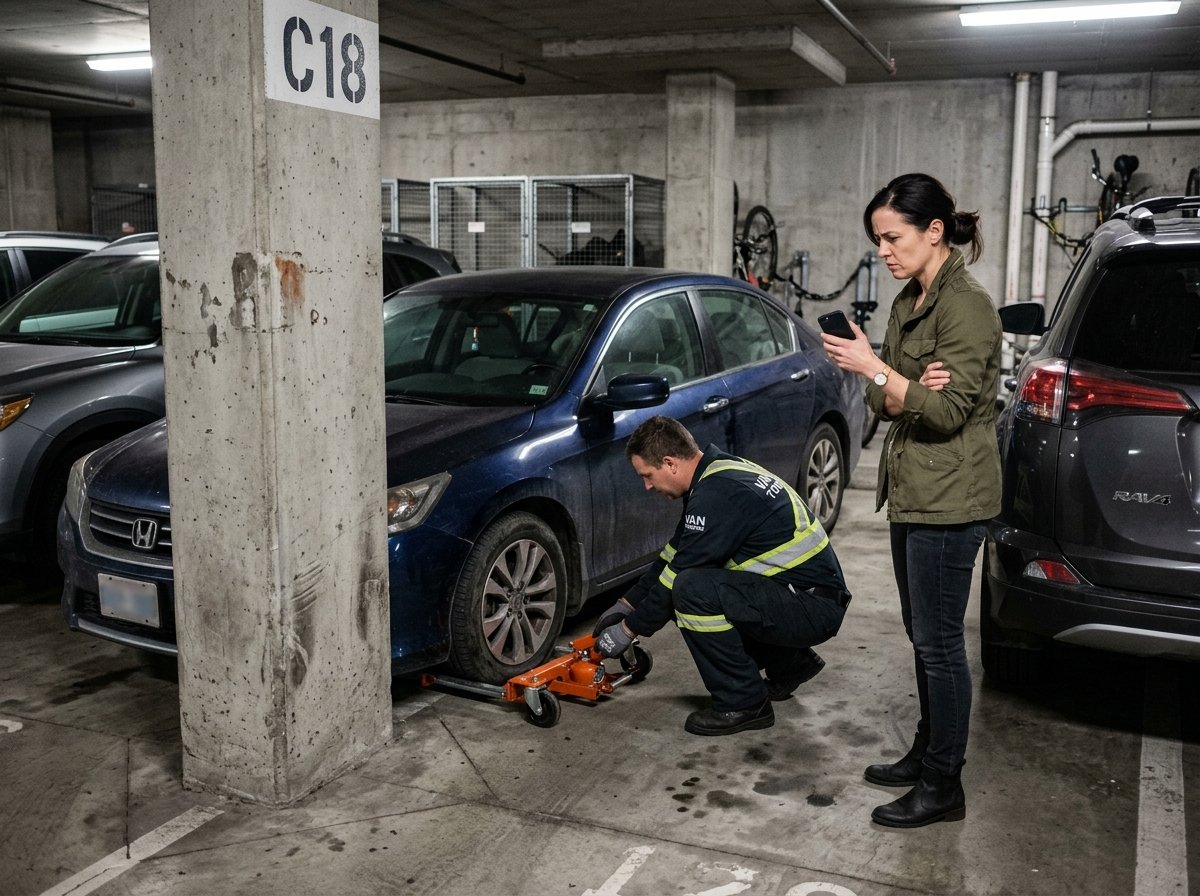
If you are in a tight lane, underground stall, or loading area, say that first because underground towing jobs often need more planning than curbside pickups.
A good option is:
- Move yourself to a safe spot if you can.
- Turn on your hazard lights.
- Stand where the driver can see you, not in traffic.
- Keep your phone charged and unlocked.
- Do not leave out key access details.
Scenario 1: Dead battery near a shop or clinic
If the battery is dead but the car is easy to reach, roadside help may solve it fast. If the boost fails, a backup plan such as light duty towing keeps the wait from starting over.
Do this:
- Say if the hood opens normally.
- Tell dispatch if the car is nose-in or backed in.
- Ask when the job changes from boost to tow.
Scenario 2: Blocking a lane or loading zone
If you are blocking a lane, bus stop, or loading zone, every minute matters. Tell dispatch if tools, racks, or job gear are attached because equipment towing calls can need a different setup.
We recommend this:
- Give the lane name and nearest cross street.
- Say if a tow truck can stop beside you safely.
- Ask for the next update time, not just the first ETA.
Scenario 3: Low-clearance parkade exit
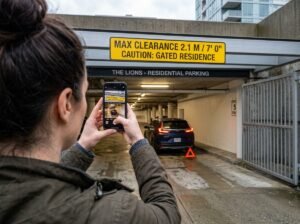
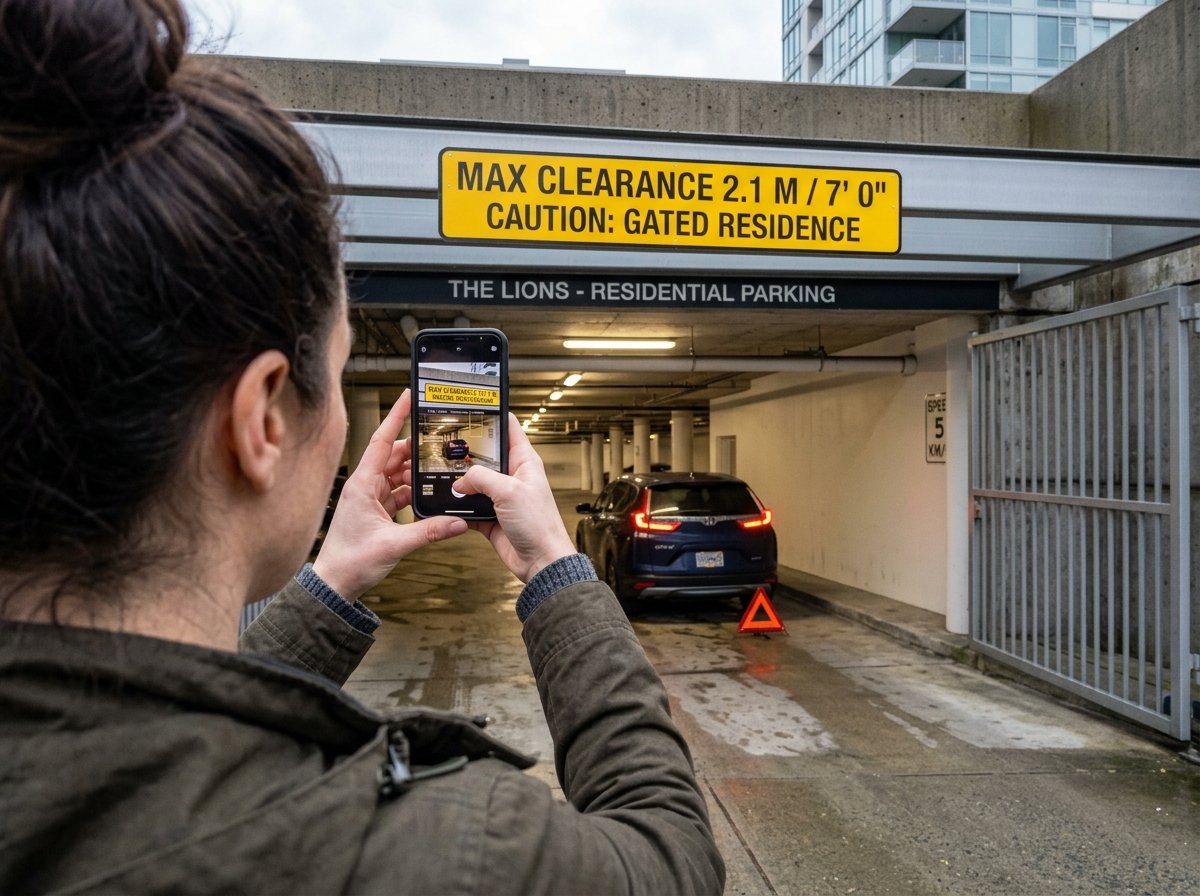
Low ceilings, sharp ramps, and locked gates can slow access. If the wheels will not roll or the exit is awkward, ask whether dolly towing is the safer setup.
Here’s a simple path forward:
- Share the height limit and parkade level.
- Say if there is a security gate or code.
- Tell dispatch if another car is blocking the turn.
Suggested plan:
Step 1: Book with clear vehicle details
When you book, send the exact address, closest entrance, and vehicle type. Special vehicles like EVs may need care closer to Tesla towing than a basic pull-and-go job.
Step 2: Share your location clearly
Send the nearest storefront, lane, level, and vehicle color. A live pin helps most when Broadway traffic is heavy or when the driver can reach you from more than one side.
Step 3: Pick the right backup plan
If the car cannot be fixed on site, ask what tow setup comes next. For longer moves, compare options like long distance hauling before the truck arrives.
Google Maps location sharing help
This guide shows how to use Google Maps location sharing so dispatch can see your moving pin, not just a rough street name. It helps when you are near a busy stretch of Broadway, in a side lane, or waiting by the wrong entrance. Use it only with people you trust, and stop sharing once the job is done.
FAQs
Can I ask for the driver name and truck details?
Yes. Ask for the driver name, truck type, and the next update time before the job is locked in. If you have an EV or special loading point, say it early so the right setup is sent.
Will I get a live map link?
Sometimes, but not always. Many dispatchers use text updates instead of a public live map. Ask what kind of update you will get before you agree to the service.
What if my car is stuck in a tight stall?
Say the ceiling height, ramp turn, and stall number right away. Tight access can change the equipment needed, and larger setups like RV towing can show why size and angle matter.
Can the ETA change after dispatch?
Yes. Traffic, lane access, truck type, and jobs already underway can move the ETA. If your car also has a small trailer attached, mention it early because trailer towing can change the setup.
Do I need to stay with the car?
Usually yes until the driver confirms the exact spot and key plan. If you must step inside, tell dispatch how to reach you and what entrance or landmark the driver should use.
What if roadside help turns into a tow?
Ask what service will be used and whether the price changes. For marina pickup points, awkward ramps, or special access jobs, unusual work such as boat towing can need a different truck and more time.