- Booking
Get a Quote In 5 minutes.
- 1. Submitted basic information
- 2. Get a call back or e-mail reply
When your trailer is stuck, damaged, too heavy to move, or unsafe to pull, Expressway Towing™ gives calm help from the first call. Our team handles trailer towing with careful checks, clear updates, fair towing guidance, and the right tow truck plan. Learn more about our safe trailer tow service and call when you need help now.
Trailer towing needs more than a fast tow truck. The driver must check the hitch, tires, lights, weight, and road space before moving. Expressway Towing™ takes this step by step, so the trailer stays steady. If the load is smaller, our light duty towing services may fit; for deck moves, ask about flatbed towing services.
tel:(604) 245-0977
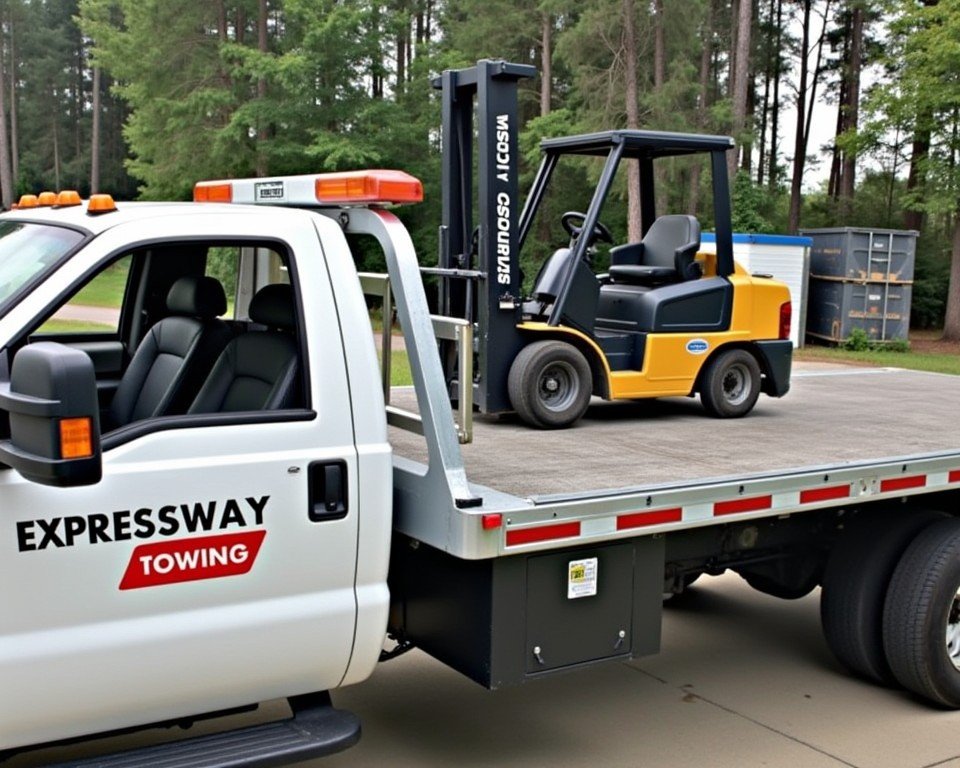
Work trailers often carry tools, small machines, parts, or supplies, so the tow plan must protect both the trailer and the cargo. Expressway Towing™ checks access, ground space, gate codes, and load notes before sending help. If your trailer carries larger gear, our equipment towing services can guide the next safe step without guessing or rushing.
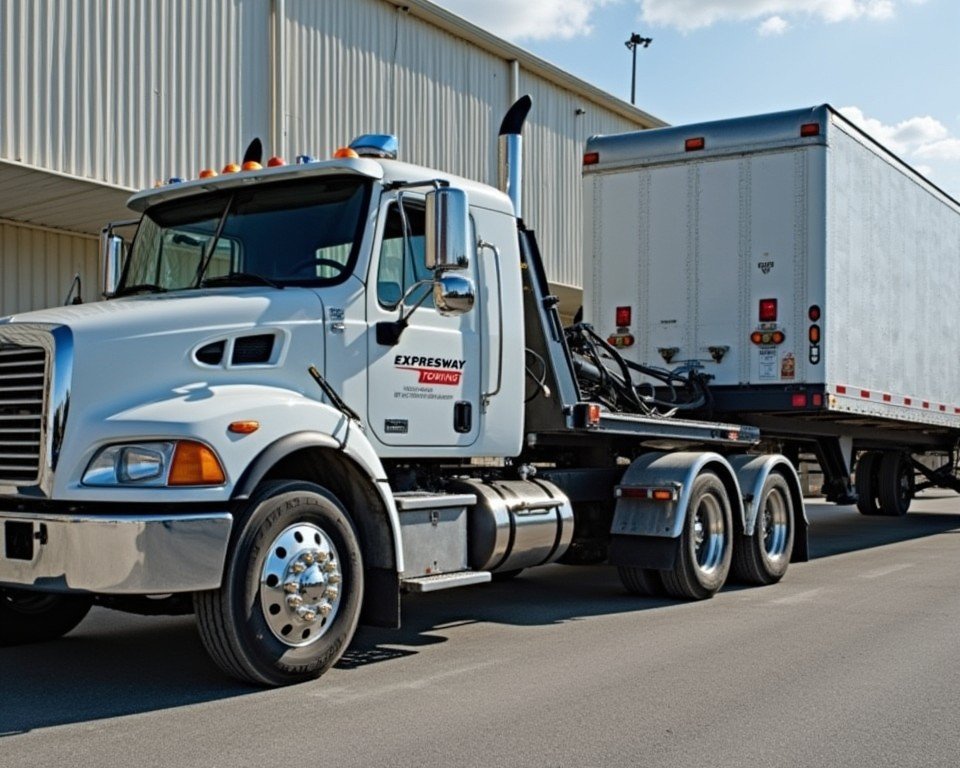
Some trailer calls need more planning because the trailer is heavy, parked tight, or not rolling straight. We ask about weight, length, cargo, and tire condition before sending the right help. For stronger jobs, drivers may also need truck towing services or heavy duty towing services when the towing setup needs more power and space.
Not every trailer tow is a large job. Small cargo trailers, open utility trailers, single axle trailers, and light haulers still need careful handling. A bad tire, broken coupler, weak jack, or blocked parking spot can make moving unsafe. If the trailer is tied to a smaller vehicle or bike setup, our motorcycle towing services may also help.
Longer trailer moves need clear pickup details, drop-off notes, road limits, and a plan for the trailer condition. Expressway Towing™ keeps the process simple by confirming the trailer type, load, keys, space, and contact person before the tow. For moves beyond a short local pull, ask about long distance hauling services and steady route planning.
First, tell dispatch what kind of trailer you have, where it is parked, and what went wrong. Share the length, load, tire issue, hitch type, and whether it can roll. If wheels cannot stay on the road, the driver may suggest safe support or a different method, including dolly towing services for the right job.
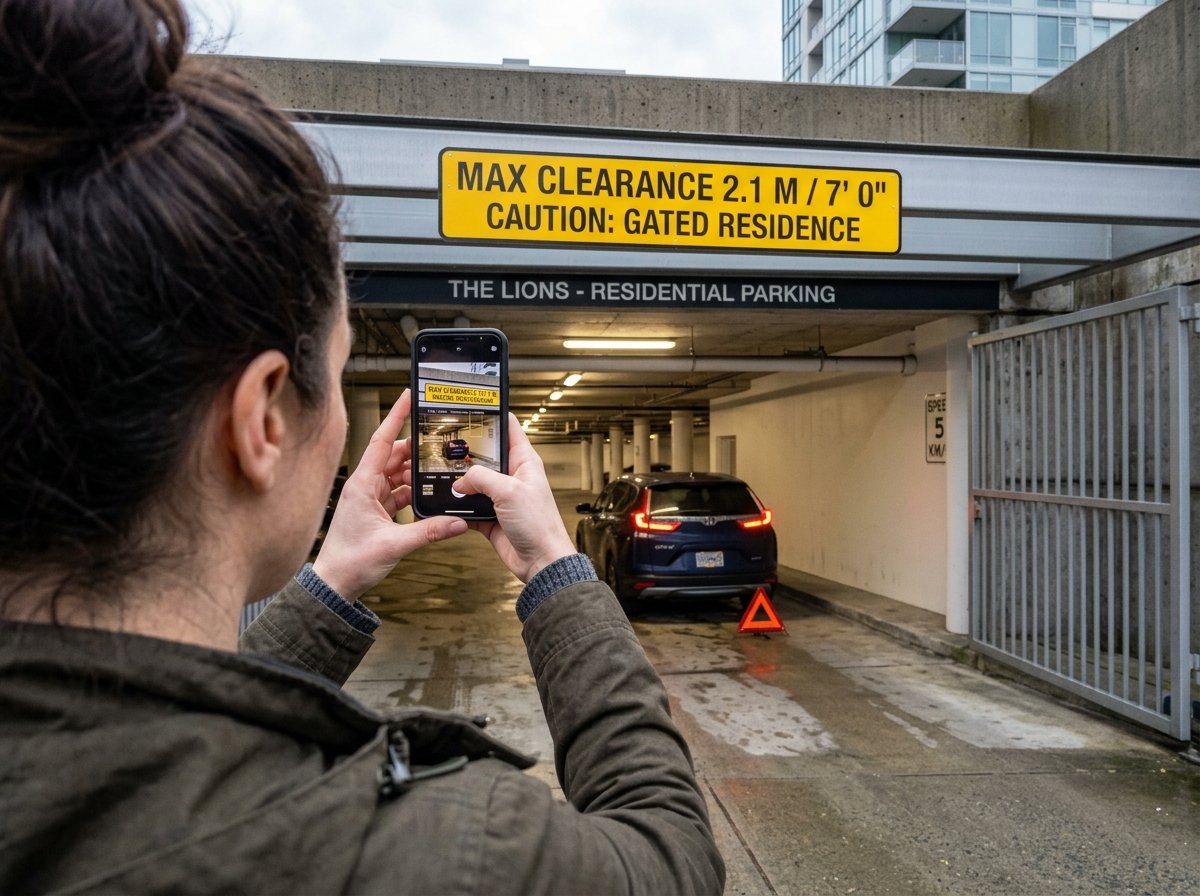
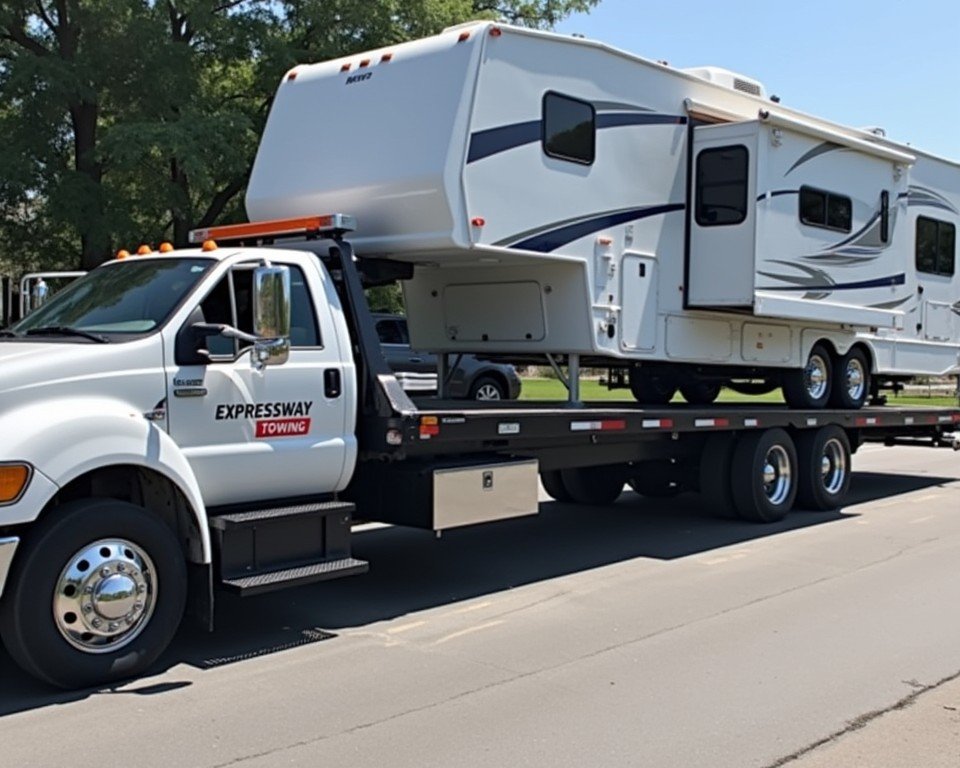
Next, we check the access. A trailer in a lane, yard, parkade, job site, or shoulder can need extra room. Send clear photos when possible, and tell us if lights, brakes, or chains are missing. For larger recreational trailers, this RV towing safety rules can help you understand why weight, brakes, route choice, and licensing matter.
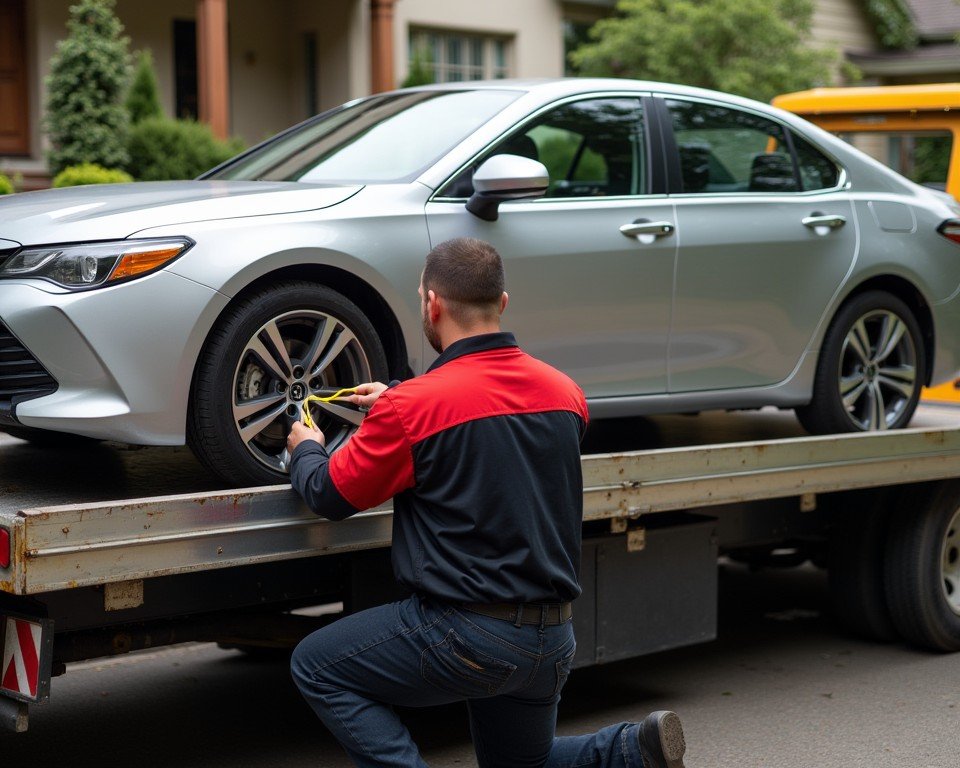
Then the driver arrives, looks at the trailer, and confirms the safest way to move it. The plan may include a slow pull, a careful load, a different truck, or extra space around the trailer. You get clear updates before the move starts, so there are no surprises with the towing service, timing, or drop-off plan.
Last, the trailer is dropped where you asked, as long as the spot is safe and legal for unloading. The driver can explain any damage seen during pickup and may suggest what to check next. Expressway Towing™ keeps the handoff simple, so your trailer, cargo, and next repair step are easier to manage after delivery.
Customers call Expressway Towing™ when they need a towing company that asks the right questions before sending help. Trailer problems can involve weight, road space, damage, keys, cargo, or a stuck hitch. We keep the process easy, explain towing cost factors, and focus on safe trailer towing from the first call to the final drop-off.
Yes, many trailers that will not roll can still be moved, but dispatch needs details first. Tell us if a tire is flat, a wheel is locked, an axle is bent, or the trailer is blocked in. The driver will review the safest tow method and may change the plan if the trailer condition is worse on arrival.
Before pickup, remove loose items when you can, close doors, secure cargo, and share photos of the hitch, tires, and parking area. Keep the trailer paperwork, keys, and drop-off address ready. If the trailer has brakes, lights, chains, or a breakaway cable, tell dispatch what works, what is missing, what looks damaged, and what does not work.
Call a towing company that can ask about trailer size, load, hitch type, access, and damage before sending a truck. Expressway Towing™ can guide the call, explain options, and help you choose the safest next step. For more background on tow rules, driver rights, storage questions, and safe service steps, read our towing laws guide.
Trailer weight changes the truck, hitch, braking, and loading plan. A light utility trailer may need simple support, while a loaded cargo trailer or travel trailer may need stronger equipment. Guessing can slow the job or make it unsafe. Share the trailer weight rating, cargo notes, tire condition, parking space, and any known damage before booking.
Use this service list to find the right tow help for your vehicle, load, or trailer. Each page explains a different kind of towing support, so drivers can pick the safest option before they call.
When a trailer problem stops your day, call Expressway Towing™ for clear help and careful service. We will ask the right questions, review the trailer type, explain the next step, and send support that matches the job. Call (604) 245-0977 for trailer towing services when you need safe, simple, and steady help without guesswork or unclear steps.


©2025 Expressway Towing | All rights reserved | Service Areas | Site Map | Terms of Use | Privacy Policy