When you are saying, my car got towed in Vancouver, slow down before release. Start with these first calls, then take proof photos while the car is still parked. Expressway Towing can help with the next move if you need a safe tow after release.
Quick overview
- You may be tired, stressed, or late.
- Damage can be hard to prove after you drive away.
- The receipt may not show every fee clearly.
- Low light, rain, and tight lots can hide marks.
In this guide
- Ask for the release receipt before leaving the yard.
- Keep photos, names, times, and plate numbers together.
Simple version: make a tiny proof file before you leave.
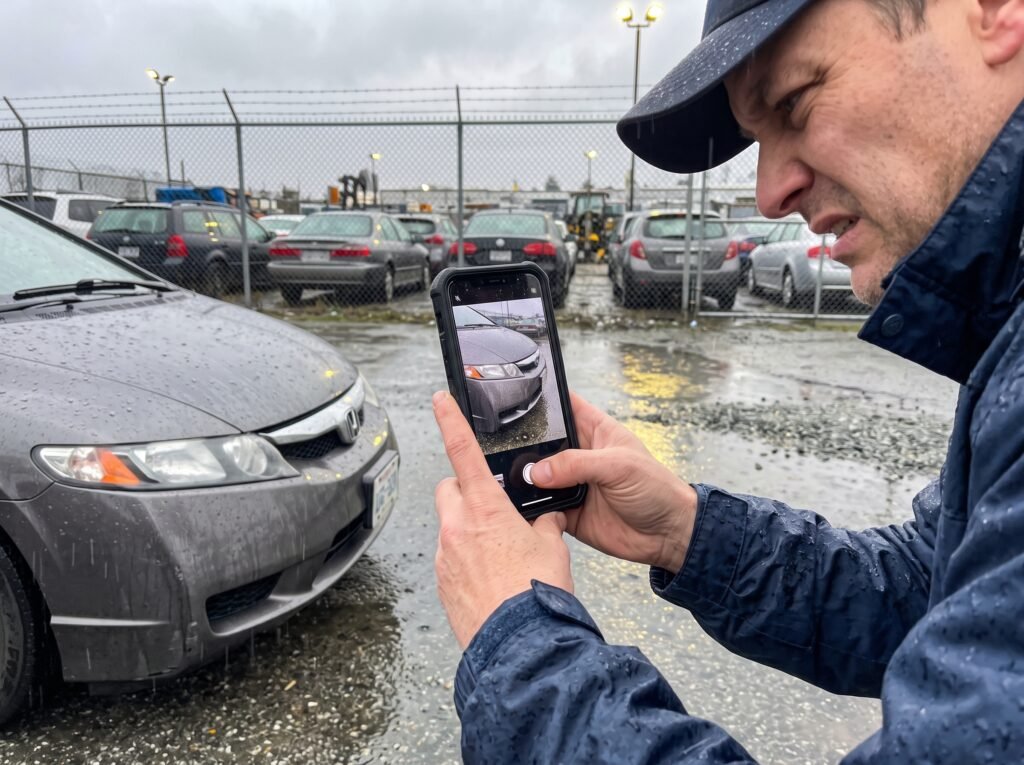
- Photo the whole car from all four sides.
- Photo tires, rims, bumpers, and underbody marks.
- Photo the odometer, fuel, dash lights, and receipt.
- Save everything before you call insurance or dispute a fee.
TL;DR: Photos First, Payment Second
- Take 7 proof photos before the vehicle moves.
- Match each photo to the date, time, and release receipt.
- Ask clear questions before signing anything you do not understand.
What Proof Photos Mean After A Tow
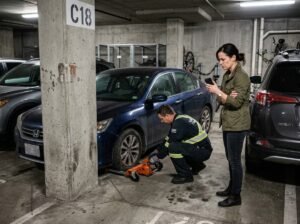
Proof photos are not fancy. They are simple pictures that show what your car looked like before you left. If the vehicle needs light duty towing after release, those photos help show the starting condition.
Context (what matters in this situation):
- Use your phone camera before you open the door.
- Stand far enough back to show the whole side.
- Then move close for scratches, dents, and rim marks.
- Keep the release receipt in the same photo folder.
The 7 Photos To Take Before Release
A careful photo set works for small cars, AWD cars, and vehicles moved by flatbed towing. Take these shots before the car leaves the release area.
What this usually looks like (real-world flow):
- 1. Front bumper and plate area.
- 2. Rear bumper and trunk area.
- 3. Driver side and passenger side full panels.
- 4. Each wheel, tire, and rim close up.
- 5. Dash lights, odometer, fuel, receipt, and lot sign.
Details to confirm (so you get the right help fast):
- Use flash if the lot is dark.
- Say the date and time in a short video if needed.
- Do not block staff, gates, or other drivers.
What you should get as the outcome:
- You leave with a clear record.
- You can compare new marks against old ones.
- You can ask better questions if a fee looks wrong.
What Photos Cannot Fix
Photos help, but they do not erase fees or change release rules. Read the receipt and compare it with these impound fee questions before you pay.
Limits / constraints (what can slow things down):
- Photos do not prove who caused old damage.
- Photos do not replace a written receipt.
- Photos do not cancel a ticket or bylaw issue.
- Photos do not prove hidden mechanical damage by themselves.
Hidden costs to watch for:
- Storage may grow if you wait too long.
- After-hours release may cost more in some cases.
- Dolly, winch, or special access may change a quote.
- Taxes and ticket costs may be separate from tow charges.
What To Do Right Now At The Lot
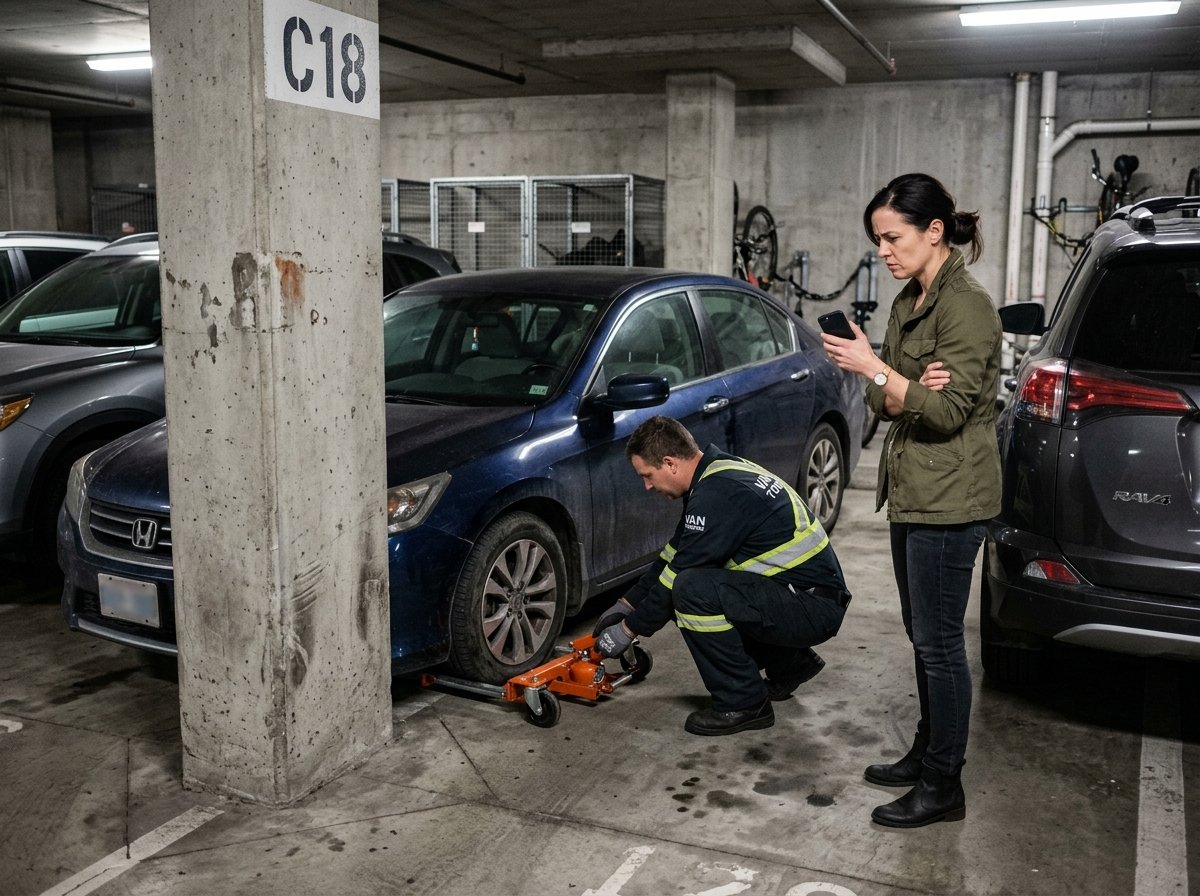
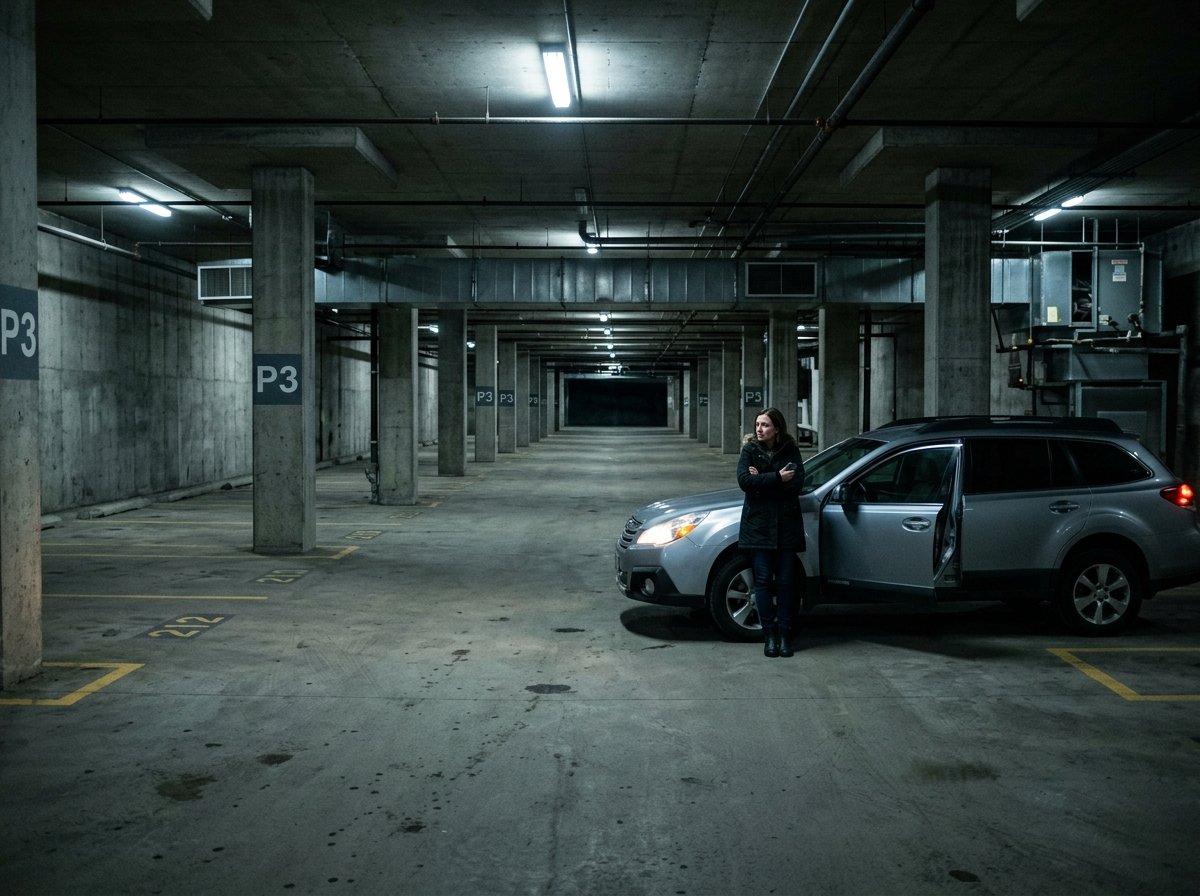
Stay calm and work in order. If the car came from an underground space, ask whether underground towing or special access changed the job.
- Ask for a printed or text receipt with line items.
- Ask who to contact if you see damage before driving away.
Our Recommendations Before You Leave The Lot
Take wheel photos if the vehicle was moved by dolly towing.
Take battery, hitch, and rear clearance photos for trailer towing issues.
Put the release receipt, ticket, and payment proof in one folder.
Ask for the truck number or company name if it is not on the receipt.
Take one short video that circles the car slowly.
Do not leave until the car starts, steers, and brakes normally.
Safety Steps Before You Drive Away
Do not rush into traffic. A car, SUV, or bike moved by motorcycle towing still needs a fast safety check before the trip home.
A good option is:
- Check mirrors, lights, and turn signals.
- Look for flat tires, rim cuts, and low tire pressure.
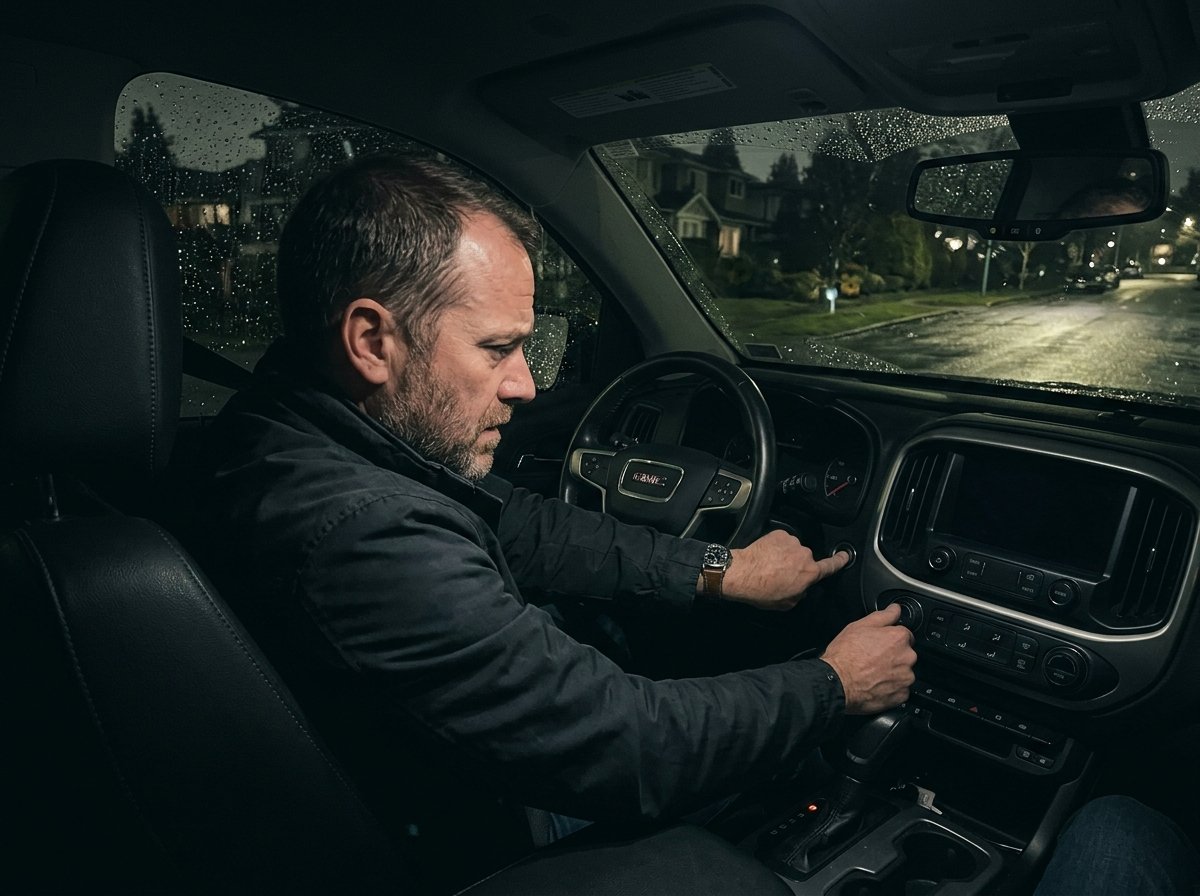
- Start the car and watch for new warning lights.
- Move slowly and listen for scraping or grinding.
- Stop if the car feels unsafe to drive.
Scenario 1: Your EV Was Towed
EV owners should take extra photos before release. If your car needs Tesla towing, battery state and wheel position photos can help the next driver choose the right method.
Do this:
- Photo battery level and dash warnings.
- Photo each wheel and tire angle.
- Ask if the car was rolled, dollied, or flatbedded.
Scenario 2: The Car Came From A Tight Parkade
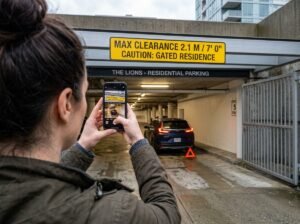
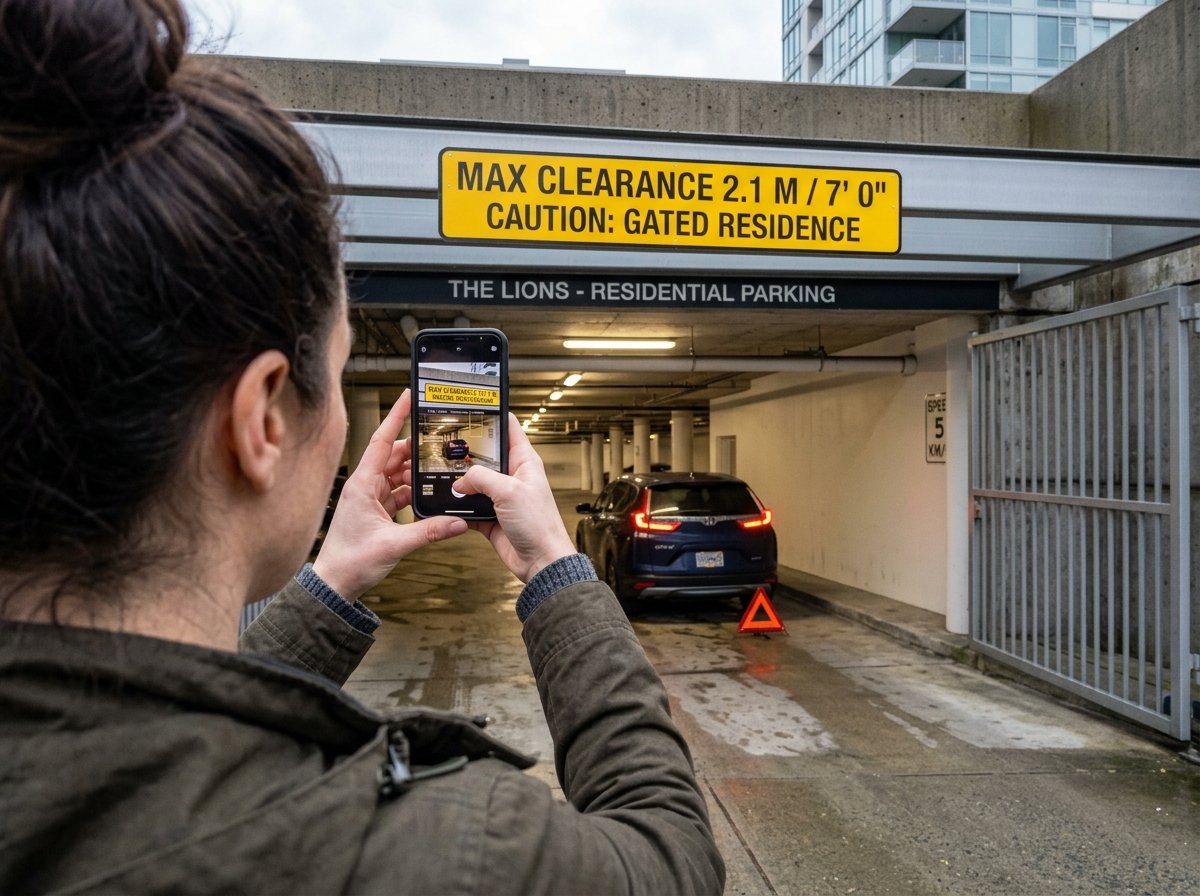
Parkades can create scraping risk. If the tow needed low clearance help, compare bumper and side photos with nearby walls, ramps, and signs.
We recommend this:
- Photo front lip, rear bumper, and rocker panels.
- Photo ramp height signs if they are near the exit.
- Ask if a smaller truck or dollies were used.
Scenario 3: A Larger Vehicle Was Released
Larger vehicles need more room and more care. For vans, trucks, or work vehicles, compare photos before any heavy duty towing or next move is booked.
Here’s a simple path forward:
- Photo mirrors, steps, bumpers, and rear doors.
- Photo tool boxes, racks, and loose cargo areas.
- Ask if weight or size changed the final fee.
Suggested plan:
Step 1: Book Help Only After You Check The Car
If the car will not start or feels unsafe, do not force it into traffic. Ask for help with the right truck, from small car work to truck towing.
Step 2: Share The Exact Location
Send the lot name, nearest cross street, gate code, stall number, and a photo of the entrance. If you are using a map pin, also type the address in words.
Step 3: Pick The Right Tow Type
The right truck depends on damage, wheel position, clearance, and distance. If the next trip is far, ask about long distance hauling before you confirm.
City of Vancouver towing fees
The official City of Vancouver impounded vehicle fee page helps you compare fee names before you pay. It explains release, towing, and fee details in plain city terms. Use it with your receipt so you can ask clear questions. It is not a replacement for legal advice.
FAQs About Proof Photos After A Vancouver Tow
What photos should I take first?
Start with four wide photos, one from each side. Then take close photos of wheels, bumpers, dash lights, and the receipt. If money may be involved, read the insurance repayment questions before you call your insurer.
Should I sign the release before taking photos?
Take safe photos first if staff allow it. Do not block the gate or argue in the yard. Ask what the signature means before you sign.
What if my work truck has tools inside?
Photo the cargo area, tool boxes, racks, and doors before you leave. If the vehicle needs equipment towing later, those photos help show what was already in place.
Can I use video instead of photos?
Use both if you can. A slow video shows the full car, while still photos are easier to send with a claim or email. Keep the files in the original order.
Do I need photos if there is no visible damage?
Yes. No-damage photos are still useful because they show the car looked fine at release. This matters for larger vehicles, small trailers, or RV towing questions.
Who should I call if the car feels unsafe?
Stop driving and move to a safe spot if you can. Call a towing company, explain what changed, and share your photos. Ask for the right truck before dispatch.