- Booking
Get a Quote In 5 minutes.
- 1. Submitted basic information
- 2. Get a call back or e-mail reply
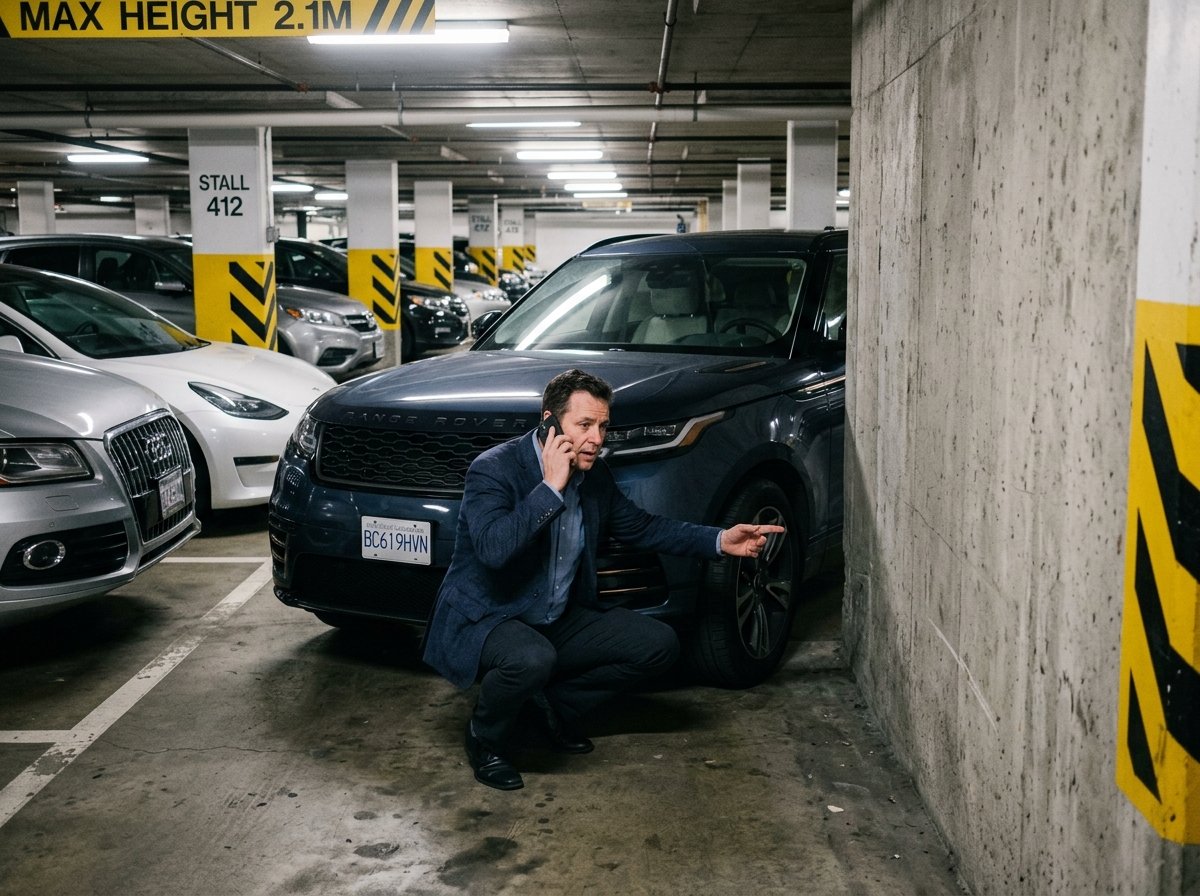
When your car will not move inside a low-clearance parkade, Expressway Towing™ can dispatch help to a local towing company or service provider. We handle calls for underground towing in Richmond BC near Richmond Centre, Brighouse, Bridgeport, and Steveston. Tell us the clearance height, parking level, vehicle type, and access details. Explore our towing service options for more ways to move a disabled vehicle safely.
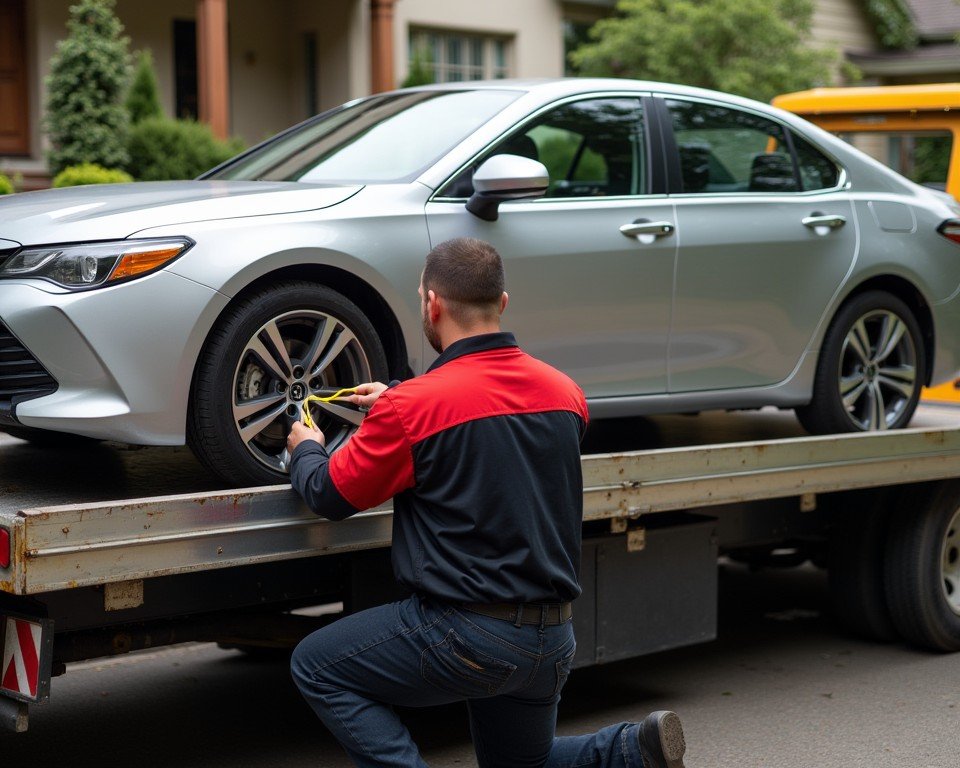
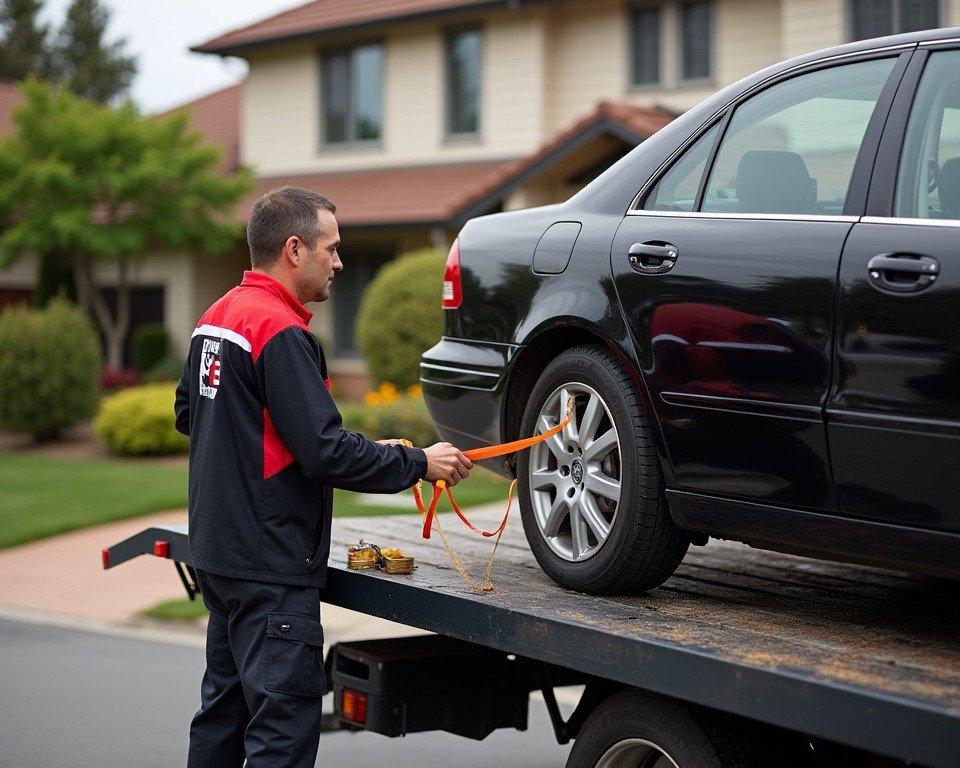
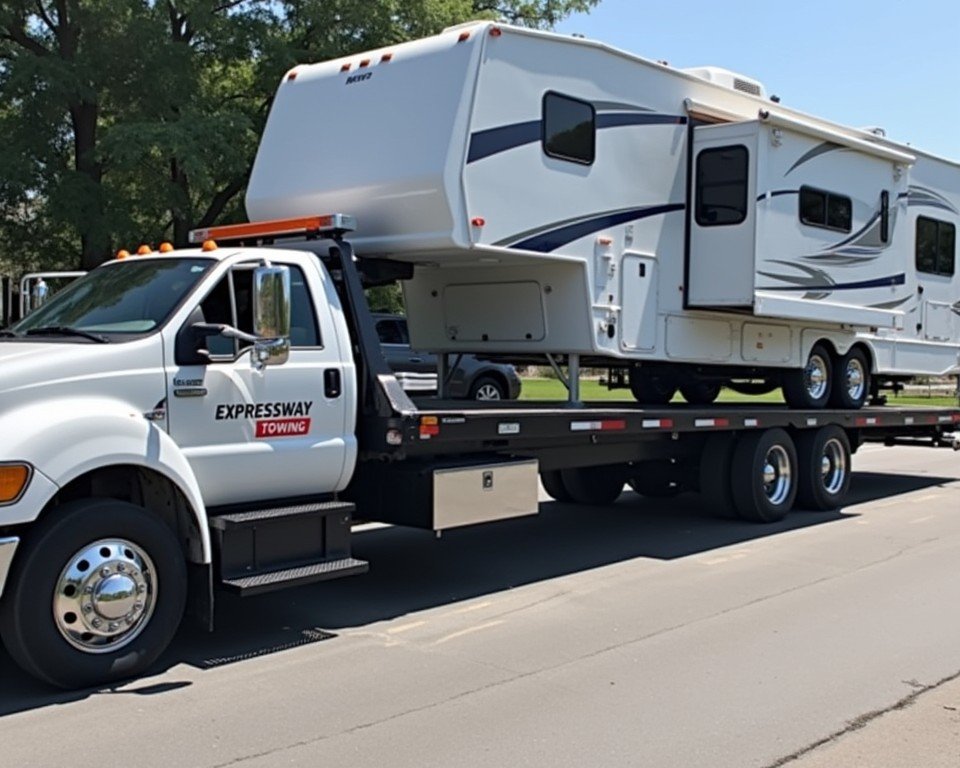
Underground garages need a different plan than an open street. Before dispatch, we ask about the posted height, ramp turns, gate width, parking level, and whether the car can roll. A smaller unit or wheel equipment may be needed before the vehicle reaches open space. For cars that can be loaded outside, flatbed towing services may be part of the next step in Richmond.
tel:(604) 245-0977
A dead battery, damaged wheel, locked steering, or transmission problem can make a parkade tow harder. The vehicle may need to be positioned before it can be moved toward the exit. Wheel skates, dollies, or other recovery tools can help in some cases. When wheels need extra support, dolly towing services are one option dispatch can consider for Richmond underground access.
AWD cars and electric vehicles can have special towing needs, so the make, model, drive system, and condition matter. Do not guess about how the wheels should move. Give dispatch the vehicle details and say if the car powers on or can shift to neutral. For an electric model, Tesla towing services show the type of vehicle-specific planning that may be needed before recovery.
Parkades around City Centre, Aberdeen, and West Cambie may have narrow lanes, pillars, and busy entry points. A motorcycle or compact car can still be difficult to move if it is blocked in or cannot roll. The recovery setup should match the vehicle and space. For two-wheel vehicles, motorcycle towing services can be arranged with the right securement plan and destination details.
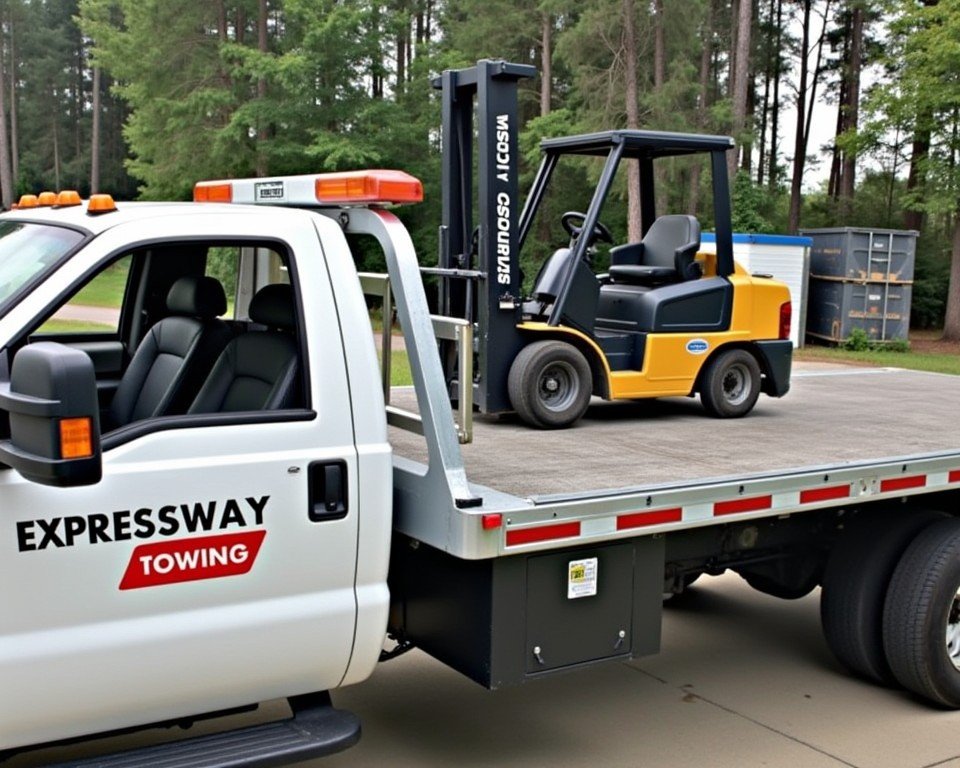
Look for the height bar before the parkade entrance and read the posted clearance. Then note steep ramps, overhead pipes, tight corners, locked gates, and the distance from the stall to the exit. This helps dispatch avoid sending equipment that cannot enter. If the disabled item is work gear or a small machine, equipment towing services may need a separate access and loading plan.
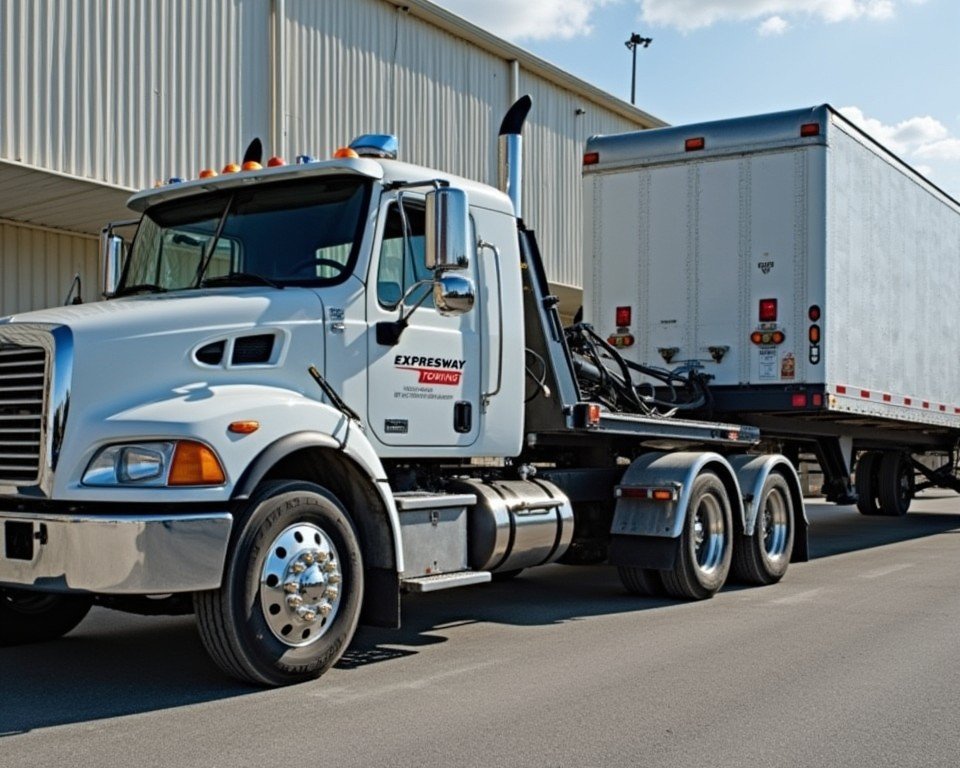
The first factor is the parkade itself. A straight ground-level garage is different from a multi-level building with tight turns and a low ceiling. Dispatch may ask whether the truck can reach the stall or whether the vehicle must be brought toward the exit first. For larger pickups or commercial vehicles, truck towing services may require more room and a different recovery setup.
The second factor is where the vehicle needs to go. A nearby repair shop in Richmond is a different trip from a destination across the Lower Mainland. Give the full drop-off address before dispatch so the route and equipment can be planned. If the move goes well beyond the local area, long distance hauling services may be a better match once the vehicle is out of the parkade.
The third factor is permission and building access. If a resident is moving their own disabled car, they may still need a fob, security desk, concierge, or property manager to open gates and clear a path. Property managers arranging vehicle removal should also review the City of Richmond’s private-property towing rules. Clear access before the tow can reduce delays at the entrance.
The fourth factor is vehicle weight and damage. A small sedan that rolls freely is not the same as a heavy van with a broken wheel or collision damage. Tell dispatch about visible damage, flat tires, steering problems, and whether the vehicle can move. For larger vehicles that need stronger equipment, heavy duty towing services may be reviewed after the parkade clearance and exit path are confirmed.
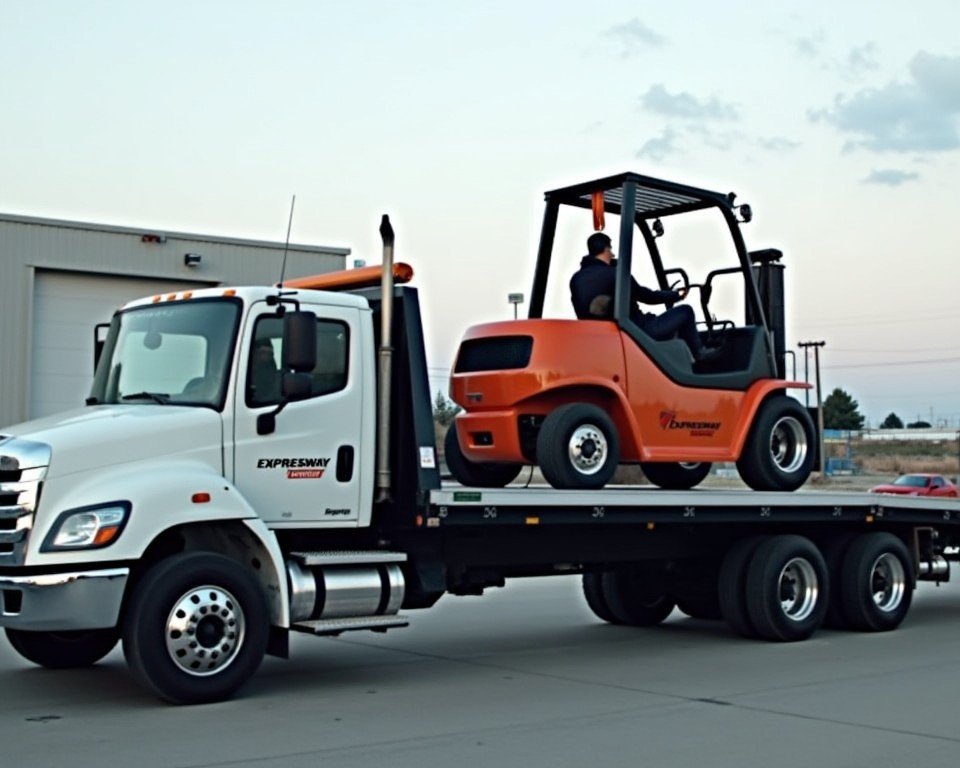
Before calling, gather the address, parking level, stall number, posted height, vehicle make and model, drive type, key status, and repair shop or drop-off address. Mention any broken wheel, blocked steering, or fluid leak. Expressway Towing™ uses these details when dispatching to local providers. If the disabled vehicle is a work machine, machinery towing services can require added weight and loading information.
Often, yes, but the answer depends on the posted clearance, ramp slope, corners, pipes, gates, and where the vehicle is parked. When you call, share the height sign and parking level. A standard truck may not fit every garage. Dispatch can use your details to look for a lower-clearance setup or another safe way to move the vehicle toward open space.
There is no single clearance number that fits every towing setup. The required height depends on the truck, attachments, vehicle, ramp angle, and overhead obstacles. Read the lowest posted height at the entrance and mention any lower pipes or beams inside. Photos of the entrance can help. Dispatch should match the equipment to the real parkade limits before a provider enters.
AWD and electric vehicles can be moved from underground parking, but the method must suit the vehicle. Share the make, model, drive system, battery condition, and whether it can shift to neutral. Some vehicles should not roll with certain wheels on the ground. Dispatch can use those details to choose equipment and plan how the vehicle will reach the parkade exit.
Keys can make an underground tow easier because they may allow steering, unlocking, or shifting to neutral, but every situation is different. If the keys are lost, locked inside, or the vehicle has no power, say so when you call. The provider may need extra tools or a different recovery method. Also explain whether the wheels turn and whether the parking brake releases.


©2025 Expressway Towing | All rights reserved | Service Areas | Site Map | Terms of Use | Privacy Policy