If your car will not shift into neutral inside a parkade, do not force the shifter or push the car on a ramp. Tell dispatch that the wheels may be locked and ask for a plan for underground towing in Vancouver. Share the vehicle make, model, parkade clearance, stall level, and whether the steering or parking brake is locked.
Quick overview
- The shifter will not move out of Park.
- The parkade has low height clearance or tight turns.
- One or more wheels may not roll freely.
- There may not be room to load the car the usual way.
In this guide
- Ask dispatch to confirm the truck type and loading equipment before arrival.
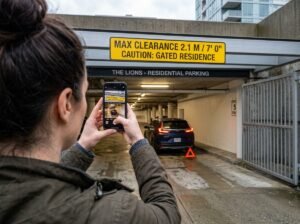
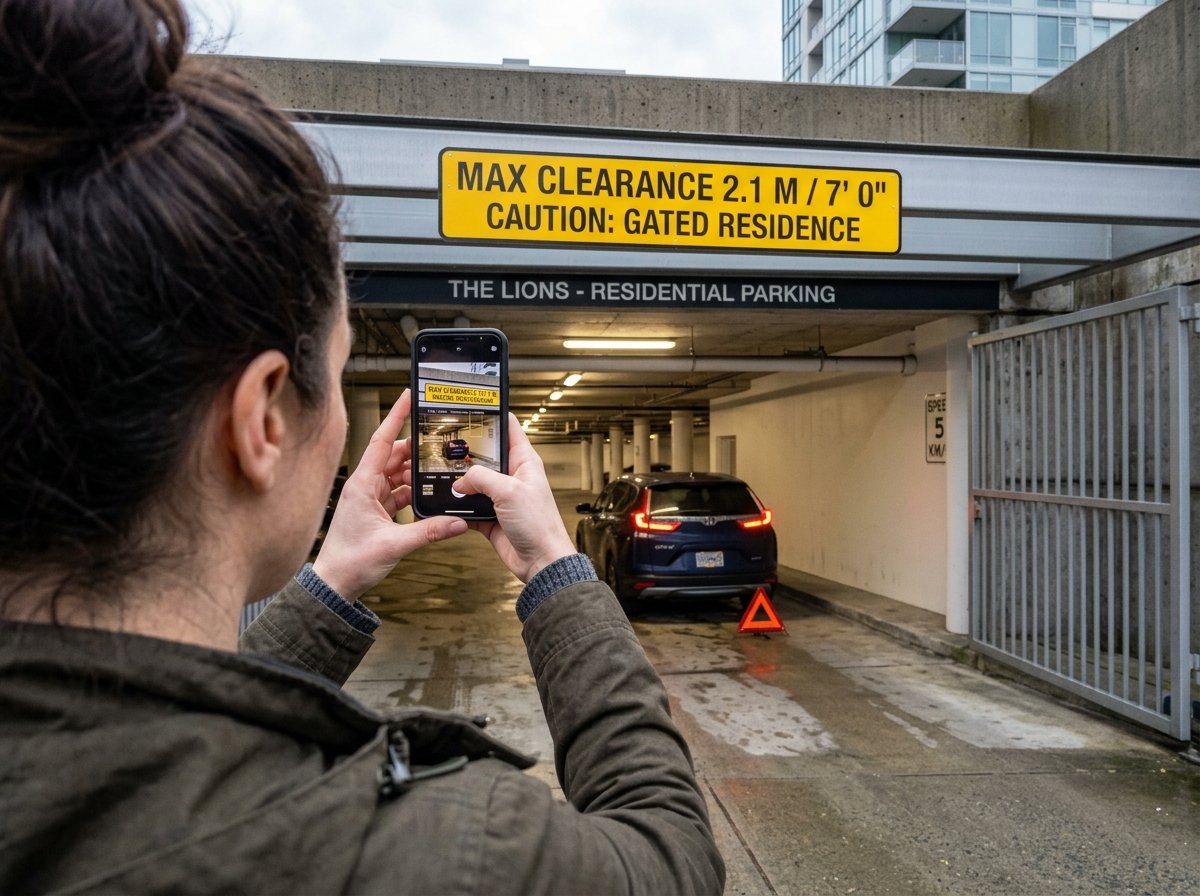
- Send clear photos of the clearance sign, stall, ramp, and vehicle position.
Simple version: protect the car first, then make the tow plan.
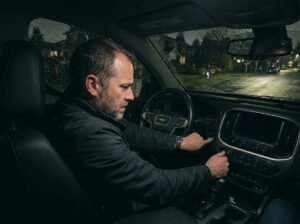
- Do not force the gear selector.
- Do not push a locked car down a parkade ramp.
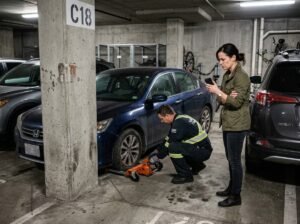
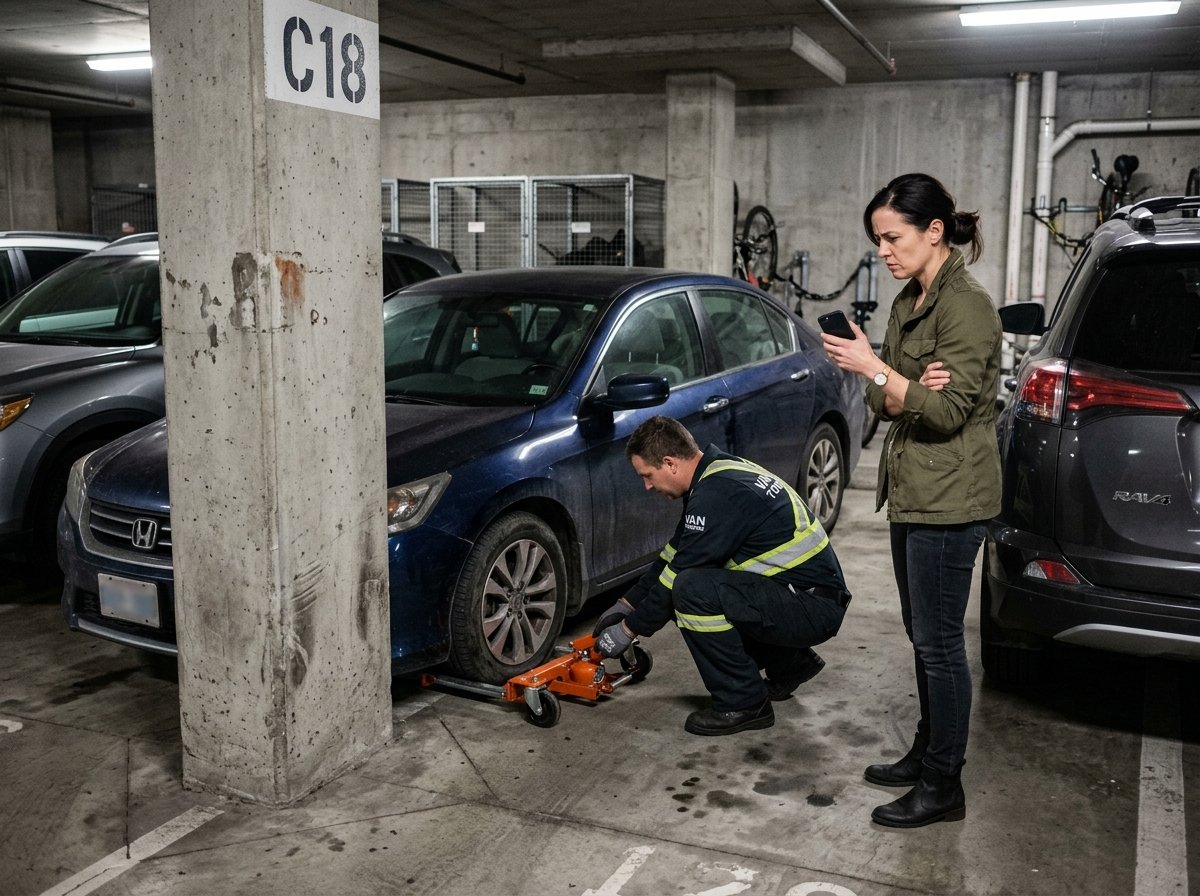
- Tell dispatch which wheels can and cannot roll.
- Confirm clearance and equipment before the truck enters.
TL;DR: A Car Stuck in Park Can Still Need a Special Tow Plan
- Tell dispatch the car will not shift into neutral before they send a truck.
- Send the parkade height, level, stall location, and photos of the access route.
- Ask whether locked-wheel loading, extra equipment, or added labour changes the quote.
What It Means When the Car Will Not Shift Into Neutral
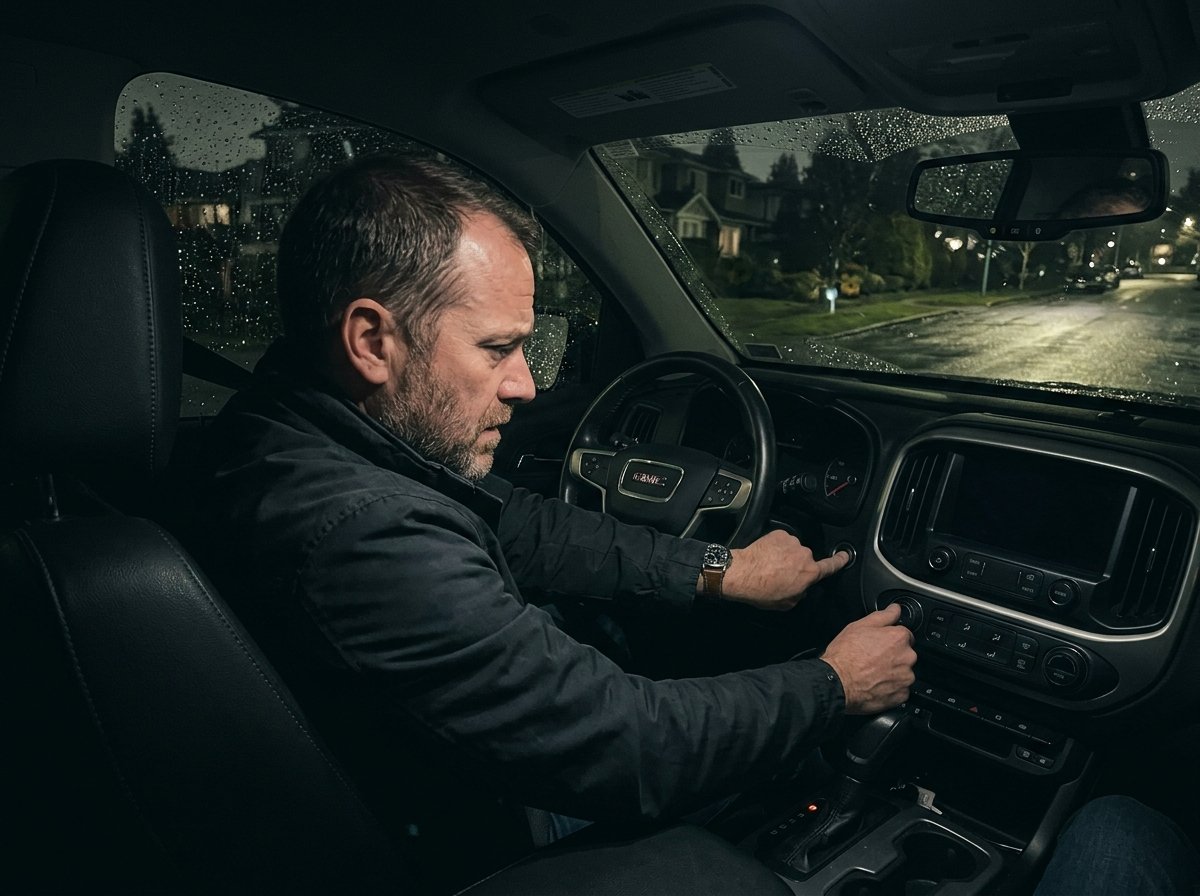
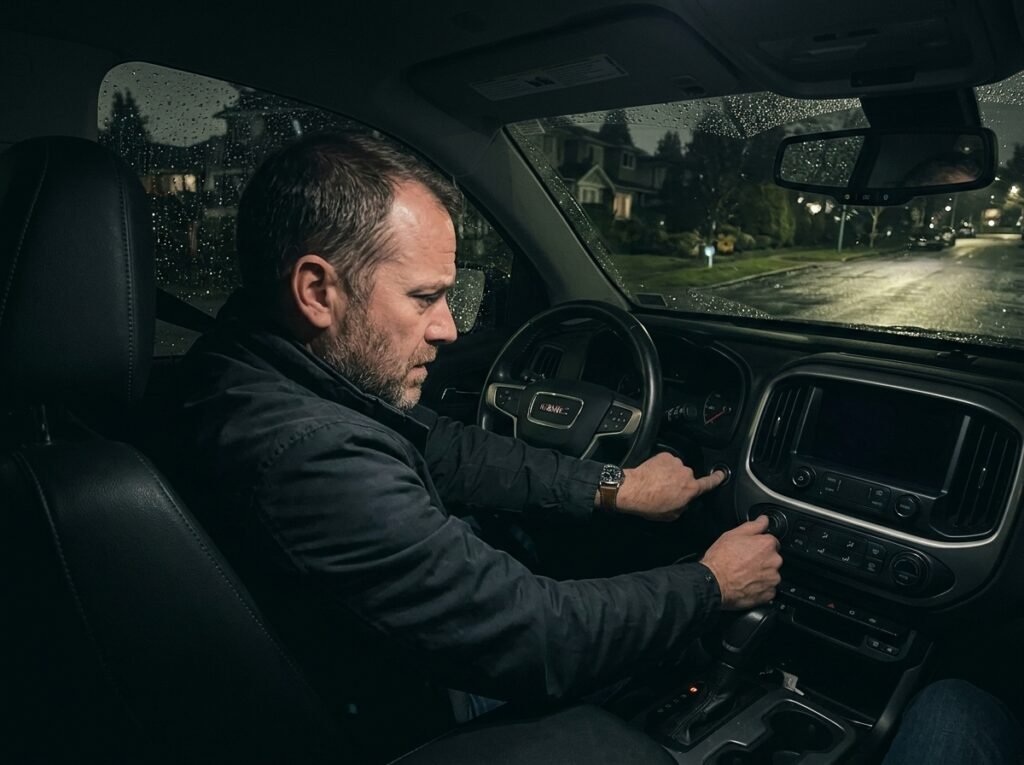
A car that stays in Park may have a power, shifter, brake, or drivetrain issue, but dispatch does not need you to diagnose it first. The key fact is whether the wheels can roll safely. If they cannot, tools used for dolly towing services may be part of the loading plan.
Context (what matters in this situation):
- Say exactly what the gear display shows, if anything.
- Tell dispatch if the steering wheel is locked.
- Say whether the parking brake will release.
- Share whether the vehicle is front-wheel drive, rear-wheel drive, AWD, or unknown.
What Dispatch Should Confirm Before Sending a Truck
The fastest useful call is one that gives the driver the parkade limits before arrival. Use this parkade clearance checklist to gather the height, ramp, and access details that can affect the truck choice.
What this usually looks like (real-world flow):
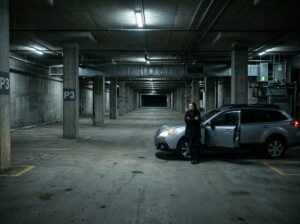
- First, give the exact address, parkade level, and stall number.
- Next, read the posted height clearance at the entrance.
- Then, explain that the car will not shift into neutral and which wheels are locked.
- Send photos of the entrance, ramp, corners, stall, and the car.
- Before dispatch is locked in, confirm the equipment plan and the price terms.
Details to confirm (so you get the right help fast):
- Vehicle year, make, model, plate, and approximate weight class if known.
- Key or fob status, battery status, and whether the vehicle powers on.
- Destination address and any drop-off access limits.
What you should get as the outcome:
- The driver has a better chance of arriving with suitable equipment.
- You reduce the chance of a truck reaching the parkade and finding it cannot enter.
- You can ask about extra charges before work starts.
What May Not Be Included in a Basic Tow or Roadside Benefit
Parkade jobs can take more setup than a simple curbside pickup. Before you book, use this underground tow fee checklist and ask what the quote includes when the wheels are locked or the car is deep inside the building.
Limits / constraints (what can slow things down):
- A roadside plan may require its own approval or dispatch process.
- Reimbursement rules may be different from direct payment rules.
- Distance, vehicle type, and service limits can depend on the plan you have.
- Special extraction or loading equipment may not be part of a basic benefit.
Hidden costs to watch for:
- Extra loading time for wheels that will not roll.
- Special equipment needed inside a low-clearance parkade.
- Longer towing distance to your chosen shop or home.
- Waiting or access delays if a gate, concierge, or property manager is needed.
What to Do Right Now
Start by keeping the car where it is if moving it would be unsafe. Then follow this underground garage towing guide and send dispatch the clearance, car position, wheel status, and destination before you confirm the tow.
- Take one clear photo of the entrance height sign and one wide photo of the car in the stall.
- Ask dispatch to repeat the truck type, expected equipment, ETA, and quote terms back to you.
Our Recommendations Before Dispatch
Do not force the shifter, steering, or electronic parking brake.
Photograph the parkade clearance sign before the truck arrives.
Give the full vehicle year, make, and model.
Tell dispatch which wheels can roll and which cannot.
Ask if locked-wheel loading or extra labour changes the price.
Keep the key or fob, owner manual, and destination details ready.
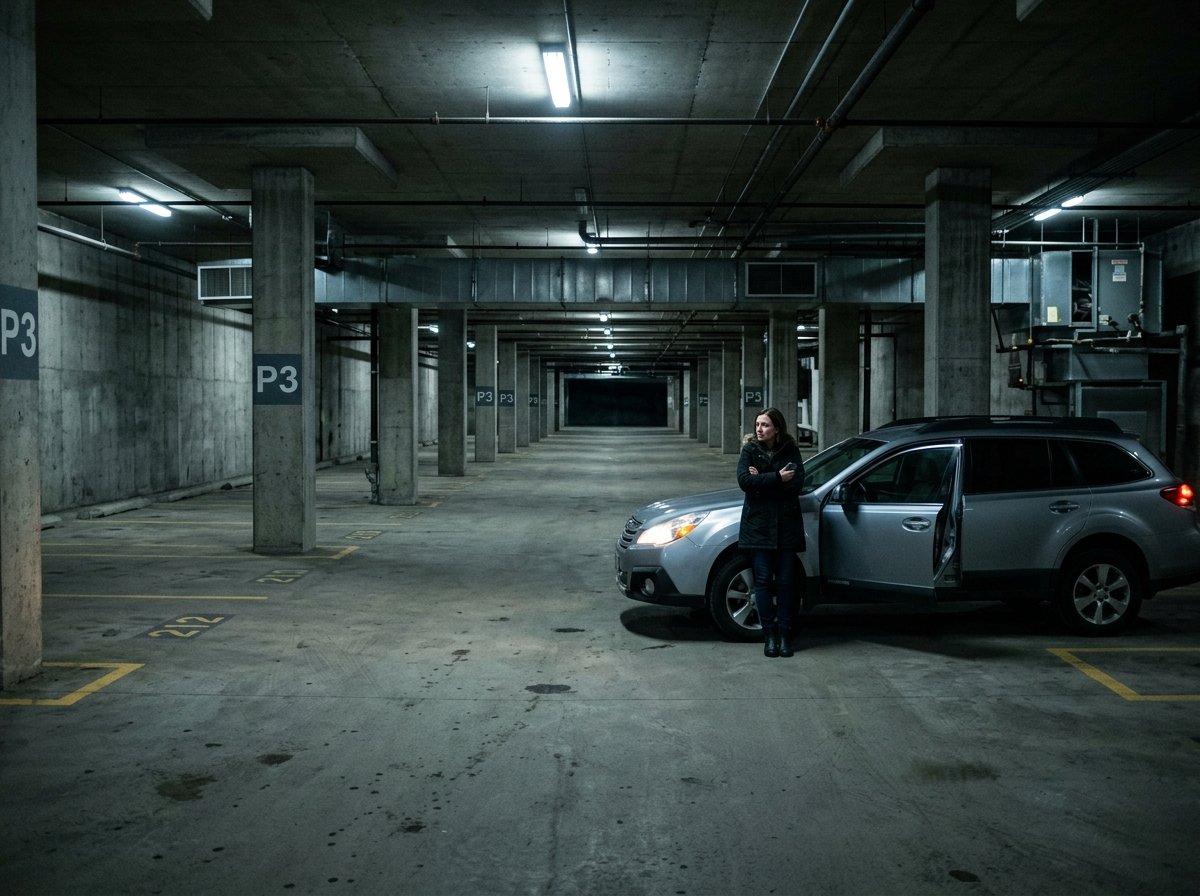
Safety Steps While You Wait in the Parkade
Keep yourself out of moving lanes and do not crawl under the vehicle. For a normal passenger car, tell dispatch if you expect light-duty towing services so they can match the job to the vehicle and access limits.
A good option is:
- Stand in a safe place away from ramps and active drive lanes.
- Use hazard lights if they work and if doing so will not drain the battery you need.
- Do not try to roll a locked vehicle down a slope.
- Do not go under the car or try to lift it with unsafe tools.
- Tell building staff that a tow truck is coming if gate or elevator access is controlled.
Scenario 1: The Battery Is Dead and the Shifter Stays in Park
If the car has no power, tell dispatch that the shifter and parking brake may not release. A flatbed towing service may be useful after the car is moved to an area where loading space and height allow it, but the parkade extraction method still depends on access.
Do this:
- Do not assume a jump start will release every electronic control.
- Tell dispatch whether the dash, locks, or brake lights work.
- Ask what happens if the wheels remain locked after power is restored.
Scenario 2: The Vehicle Is AWD or Electric
AWD and electric vehicles can have model-specific towing limits, so give the exact model before dispatch. If the vehicle is a Tesla, the Tesla towing service page is a useful internal reference for the type of vehicle detail dispatch needs before loading.
We recommend this:
- Share the exact model and model year.
- Say whether the vehicle powers on or shows any warning message.
- Do not guess at a tow mode or neutral procedure; check the owner manual if available.
Scenario 3: A Pickup or Work Truck Is Stuck in the Parkade
Larger vehicles can add height, weight, and turning limits inside a garage. If the disabled vehicle is a pickup or work truck, tell dispatch before booking and review the truck towing service option so the vehicle class is clear.
Here’s a simple path forward:
- Send the posted clearance and a side photo of the vehicle.
- Mention racks, roof boxes, trailers, or loads that add height or length.
- Confirm the truck can reach the stall before you accept the dispatch.
Suggested plan:
Step 1: Send the Vehicle and Destination Details
Send the year, make, model, stall level, wheel status, and drop-off address in one message. If the destination is far from Vancouver, ask whether long-distance hauling services changes the quote before the job starts.
Step 2: Share the Parkade Location Clearly
Send the street address, building name, entry point, parking level, stall number, gate instructions, and a photo of the height sign. A dropped map pin can help, but the driver still needs the correct parkade entrance.
Step 3: Confirm the Loading Plan Before Dispatch
Ask what equipment is being sent and what happens if the car still cannot roll when the driver arrives. If another machine, trailer, or heavy item blocks access, mention it too because equipment towing services can require a different setup than a passenger-car tow.
ICBC emergency roadside expenses
ICBC’s emergency roadside expenses page explains when some roadside costs may be claimed under eligible coverage. It can help you know what receipts to keep after a tow or breakdown. Coverage depends on your policy, so check your own plan before expecting repayment.
FAQ: Towing a Car That Will Not Shift Into Neutral
Can a tow truck move my car if it will not go into neutral?
It may be possible, but the method depends on the vehicle, wheel position, and garage access. Tell dispatch the wheels may be locked so they can plan for tools such as a flatbed tow or other loading equipment where space allows.
Should I use the shift-lock release myself?
Only use a release procedure that is listed for your exact vehicle and that you can do safely. Some cars need power, a service setting, or a specific sequence. If you are not sure, stop and tell dispatch the car is still in Park.
Can a tow truck fit into every underground garage?
No truck fits every parkade. Height, ramp angle, tight corners, pipes, sprinklers, and stall position can all matter, so confirm the access details for underground towing before the driver enters.
Is towing different for an EV or AWD car?
It can be. The safe loading method can depend on the exact model and which wheels are allowed to roll, so give dispatch the full vehicle details and follow the owner manual when it applies.
Will locked wheels make the tow cost more?
They can add time or equipment, so ask before dispatch instead of assuming. Use the parkade tow fee checklist to confirm loading, access, distance, waiting, and other possible charges.
What should I send dispatch before the tow truck comes?
Send the address, parkade level, stall number, entrance clearance, vehicle year and model, key status, wheel status, and destination. Add clear photos of the entrance, ramp, car position, and any tight corner the driver must pass.