If your car is stuck below street level, do not book a truck until the garage height and vehicle condition are clear. Expressway Towing can use those details to plan the right underground towing in Vancouver approach before dispatch.
Quick overview
- The tow truck may be too tall for the parkade entrance.
- The car may be stuck in Park or unable to roll.
- Tight ramps and sharp turns can limit truck access.
- A locked gate or missing fob can stop the tow before it starts.
In this guide
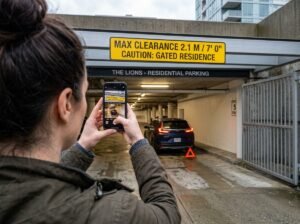
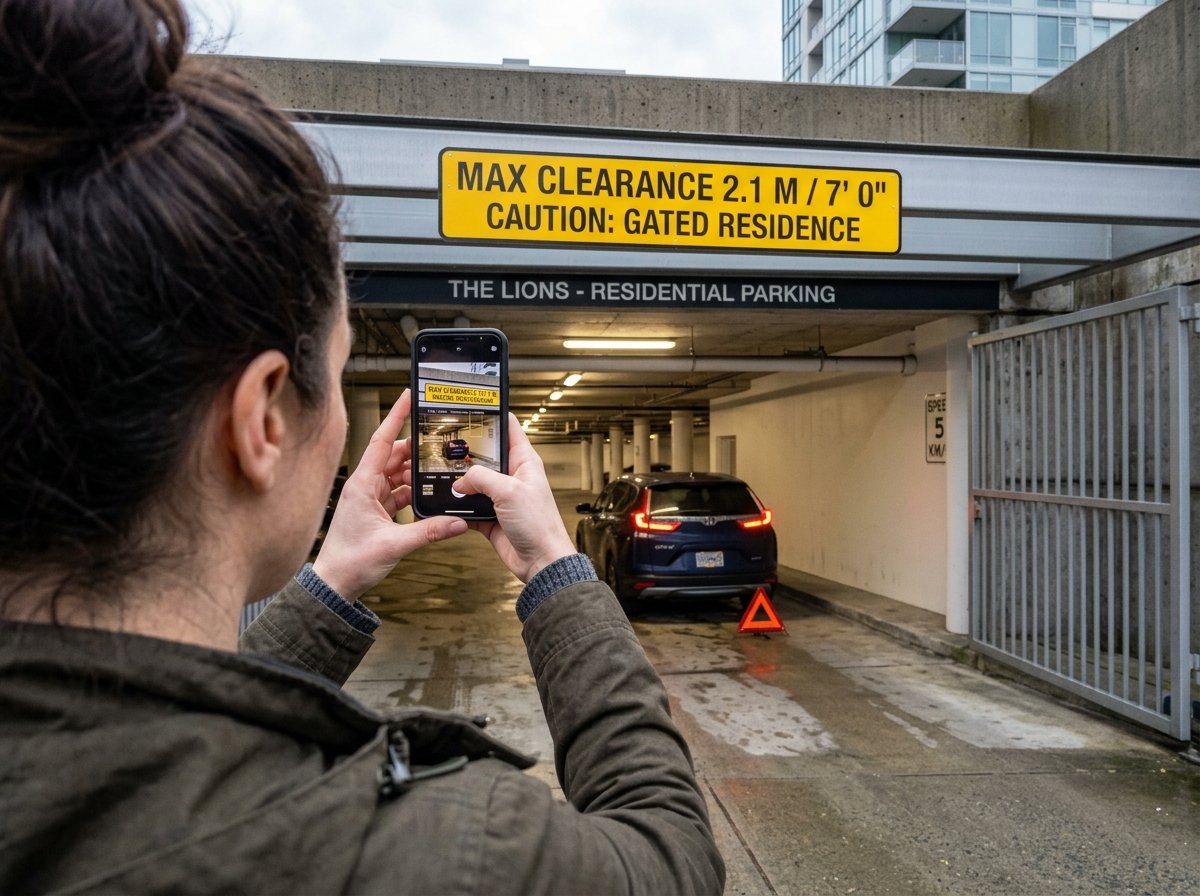
- Send the posted clearance height and a photo of the entrance before dispatch.
- Describe the car, wheel position, keys, damage, and exact parking level.
Simple version: give dispatch four facts before you book.
- Garage clearance height.
- Parking level and stall location.
- Whether the car can shift, steer, and roll.
- Vehicle year, make, model, and drive type if known.
TL;DR: How to Tow a Car From an Underground Garage
- Measure the entrance height before a truck is sent.
- Tell dispatch if the car is in Park, has locked steering, or has wheels that will not roll.
- Use the equipment plan that fits the garage, then move the car to a safer open area if needed.
What Makes an Underground Garage Tow Different?
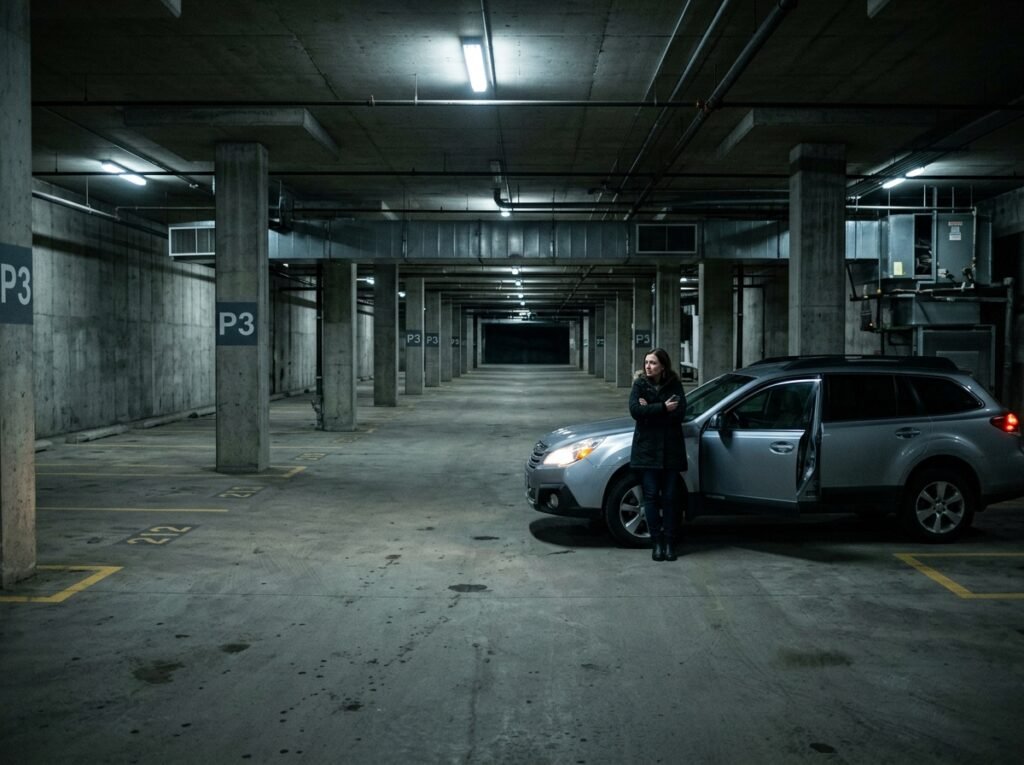
A normal street tow has open space around the vehicle. A garage tow has a roof, columns, ramps, gates, and tight stalls. For a typical passenger car, light-duty towing may be the starting point, but the access details decide what can actually enter.
Context (what matters in this situation):
- Low ceilings can block taller tow trucks.
- Steep ramps can change the safe approach angle.
- Concrete columns can limit room beside the car.
- Building access rules can affect where the truck can stop.
What the Underground Towing Process Usually Looks Like
The goal is to avoid sending the wrong truck. Dispatch may plan a low-clearance move first and use flatbed towing after the car reaches an open area where there is enough height and room.
What this usually looks like (real-world flow):
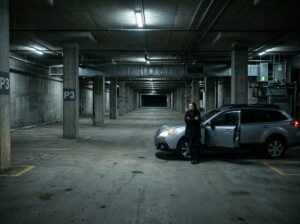
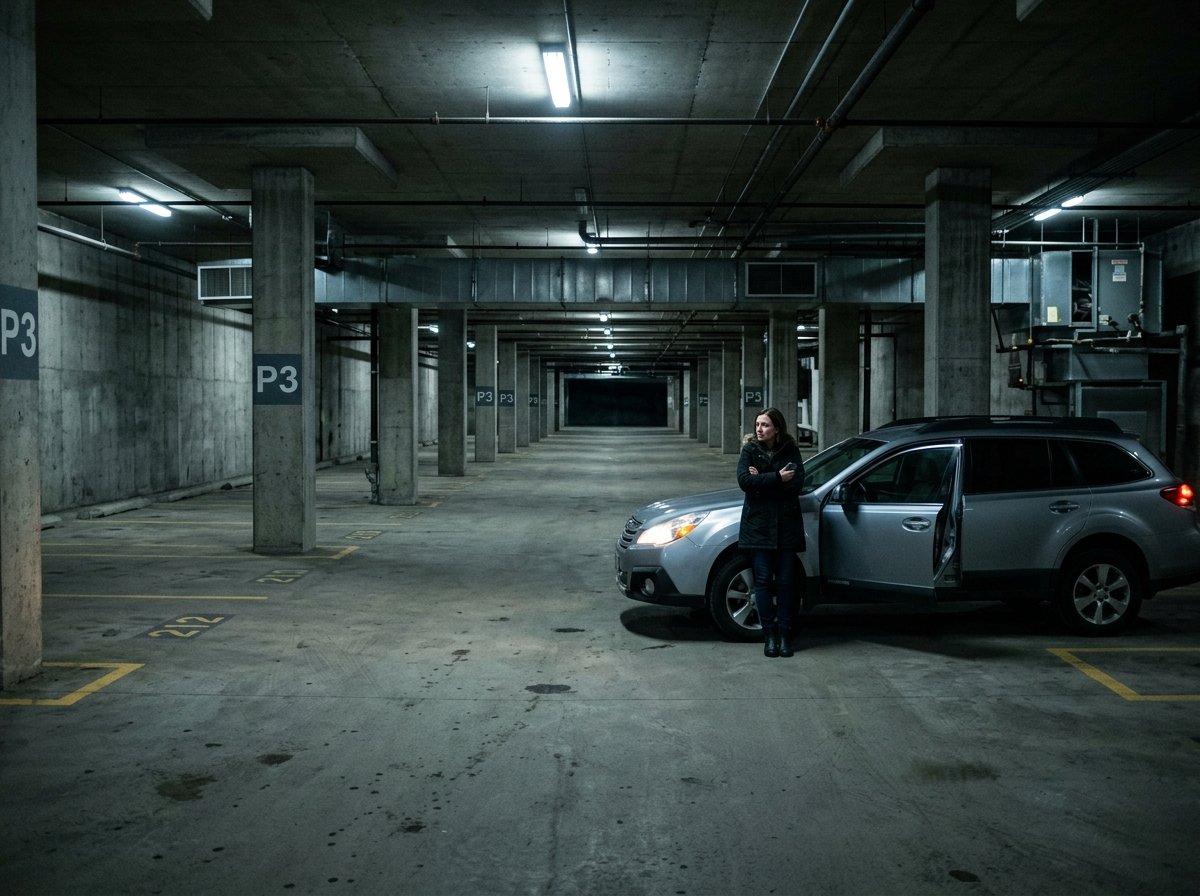
- Your car stops on P2 and cannot leave under its own power.
- You photograph the clearance sign, ramp, and stall.
- You tell dispatch whether the car can shift, steer, and roll.
- Dispatch matches the job to equipment that can work in the available space.
- The car is moved out of the tight area and then taken to your chosen destination.
Details to confirm (so you get the right help fast):
- Keep the garage gate open or arrange building access.
- Move loose items away from the car and keep the route clear.
- Tell dispatch about wheel locks, lowered suspension, or visible damage.
What you should get as the outcome:
- Less risk of a truck arriving that cannot enter.
- Fewer surprises when the car will not roll.
- A clearer quote because access and handling needs are known early.
Check Coverage Limits and Possible Extra Charges
Roadside plans and insurance do not all cover the same work. If the car cannot roll, ask whether dolly towing or other special handling is needed and whether that changes the quote.
Limits / constraints (what can slow things down):
- Your plan may limit towing distance.
- Some plans may limit the number of service calls.
- Special recovery or difficult-access work may have separate rules.
- Coverage can depend on why the vehicle needs a tow.
Hidden costs to watch for:
- Low-clearance or difficult-access handling.
- Dollies, skates, or added recovery equipment when needed.
- Extra distance to the repair shop or destination.
- Waiting time caused by locked gates or blocked access.
What to Send Dispatch Before the Truck Leaves
Send clear photos and simple facts first. If the car is pinned close to a wall or needs special pulling space, ask whether specialized towing equipment may be needed before the truck is assigned.
- Send the clearance sign, entrance, ramp, stall, and vehicle photos.
- Send the exact address, garage level, stall number, gate instructions, and destination.
Our Recommendations: Confirm parkade clearance Before Dispatch
Take a photo of the clearance sign at the entrance.
Give the parking level, stall number, and best entry gate.
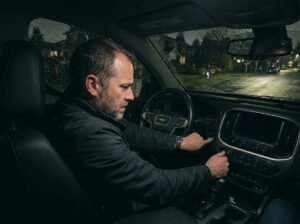
Say whether the car is in Park, Neutral, or cannot shift.
Tell dispatch if the steering is locked or the keys are missing.
Mention AWD, 4WD, EV, low suspension, or damaged wheels.
Ask for the full quote before the truck is sent.
5 Safety Steps Before the Tow Truck Arrives
Do not try to pull the car with another vehicle inside a tight parkade. If the car is badly stuck or cannot move normally, describe the problem clearly so dispatch can choose a safe recovery plan.
A good option is:
- Turn on hazard lights if the battery allows it.
- Set the parking brake until the tow operator tells you otherwise.
- Do not crawl under the vehicle or touch towing gear.
- Keep people away from the winch line, wheels, and moving vehicle.
- Follow the operator and building rules during the move.
Scenario 1: A Sedan Is Stuck Nose-In on P2
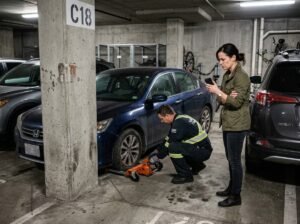
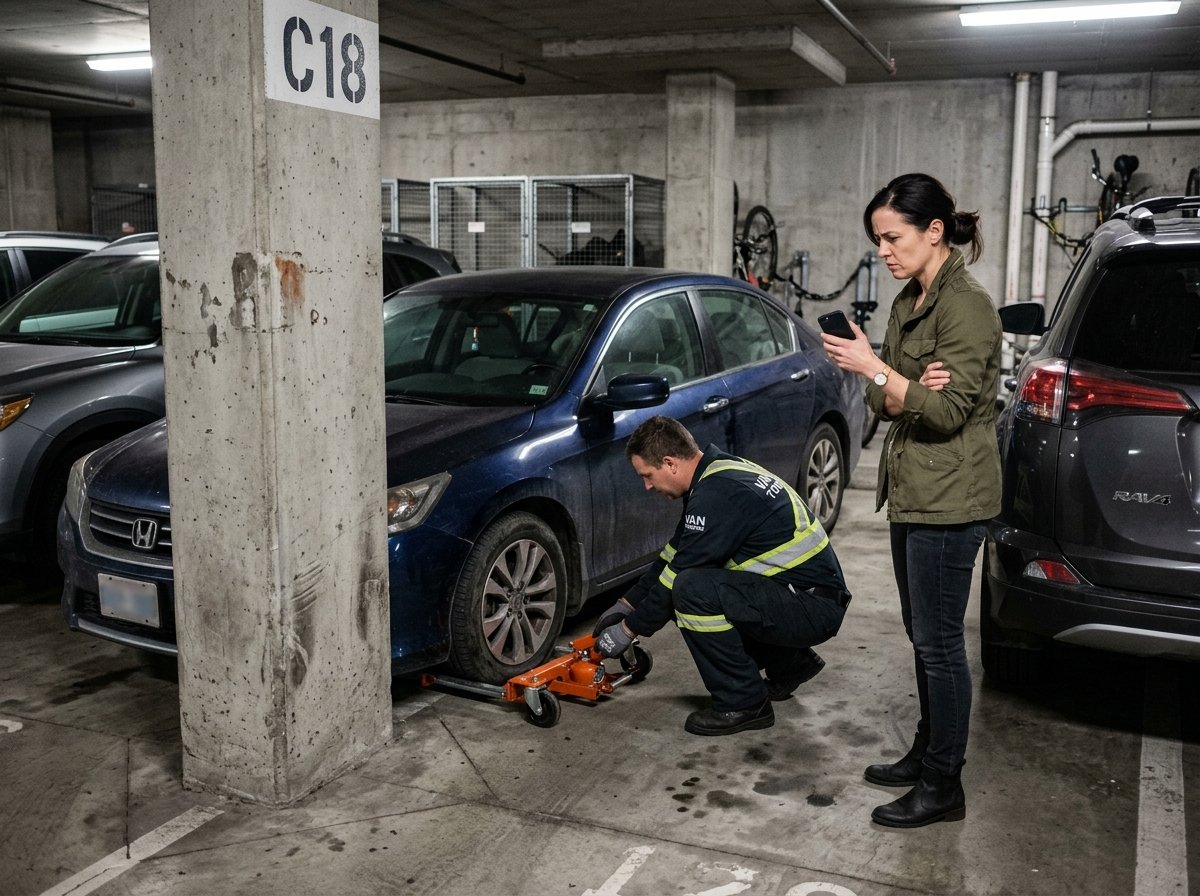
The car starts but will not drive, and the ceiling is too low for a large truck. A compact light-duty tow setup may be considered if it fits the entrance and has room to work.
Do this:
- Send the clearance height and stall photo.
- Say whether the front and rear wheels can roll.
- Confirm where the car should be taken after it leaves the garage.
Scenario 2: An AWD EV Will Not Shift Into Neutral
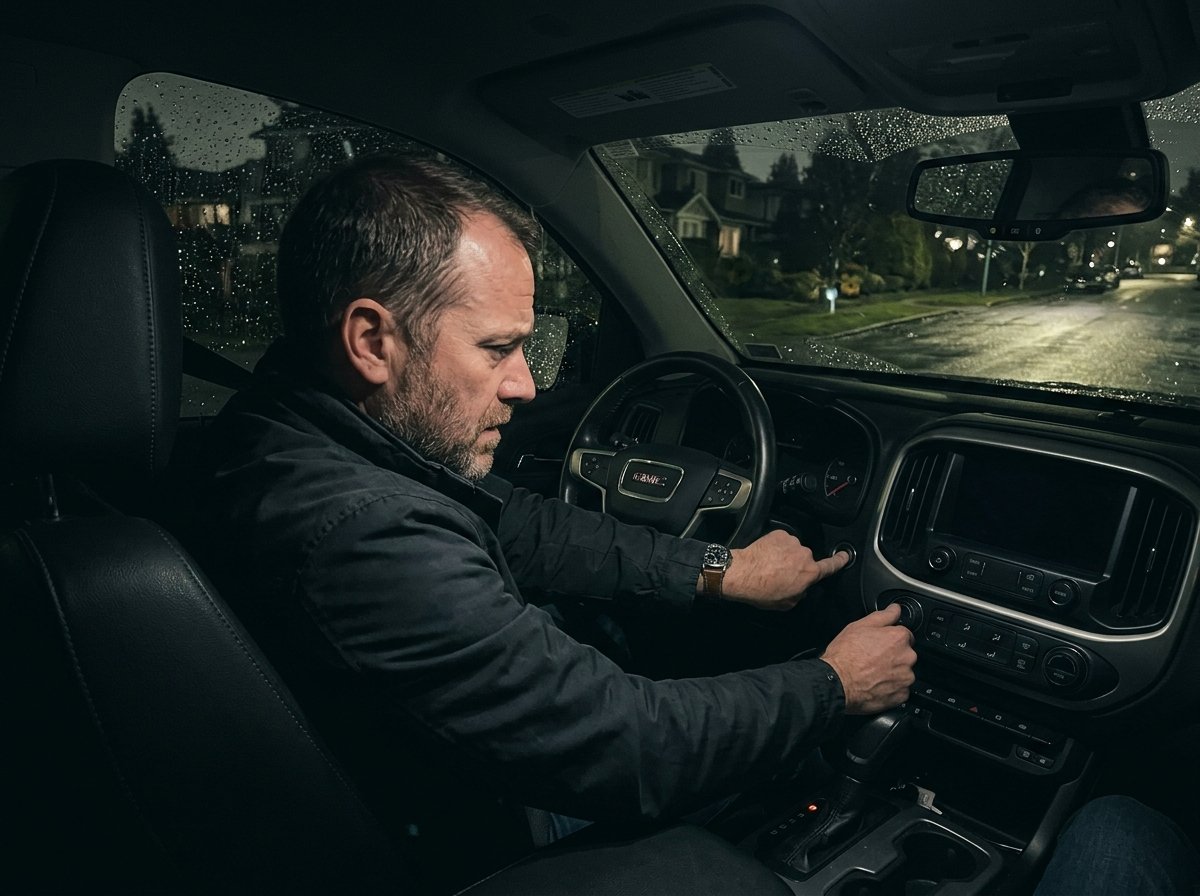
Do not force the car to roll. For an EV such as a Tesla, tell dispatch the exact model and warning shown on screen, then ask about Tesla towing in Vancouver or the correct transport method for your vehicle.
We recommend this:
- Keep the key card, key, or phone access ready if available.
- Tell dispatch if any wheel is locked.
- Do not drag an AWD or EV vehicle without the correct plan.
Scenario 3: A Large SUV or Work Truck Is in a Tight Stall
Vehicle size matters as much as garage height. Share the vehicle weight class if known so dispatch can decide whether regular towing is enough or whether truck towing equipment is a better match.
Here’s a simple path forward:
- Measure or photograph the clearance sign.
- Show how close the vehicle is to walls, columns, and other cars.
- Tell dispatch about added racks, roof boxes, or lifted suspension.
Suggested plan:
Step 1: Book With the Full Garage Details
Start with the pickup address, parkade level, clearance, vehicle condition, and destination. If the repair shop is far away, say so early because long-distance hauling can change the plan and quote.
Step 2: Share the Exact Entrance and Vehicle Location
Send the correct garage entrance, level, stall, gate code or fob instructions, and a clear photo of the clearance sign. This helps dispatch avoid a truck mismatch before arrival.
Step 3: Confirm the Equipment Plan and Destination
Ask what will enter the garage and what will happen once the car reaches open space. For a larger vehicle, ask whether heavy-duty towing is truly needed instead of assuming the biggest truck is best.
ICBC Emergency Roadside Expense Repayment
ICBC’s Emergency Roadside Expense Repayment guide explains when some roadside costs may qualify for repayment after a mechanical breakdown. It also explains the claim steps and why keeping your tow receipt matters. Check your own coverage before you book because repayment depends on your policy and the reason for the tow.
Frequently Asked Questions About Underground Garage Towing
Can any tow truck enter an underground garage?
No. The posted height, ramp angle, turns, and work space all matter. Send a clearance photo before dispatch so the towing company can choose a truck that has a better chance of fitting.
What if my car will not shift into Neutral?
Tell dispatch before the truck is sent and do not force the shifter. The right solution depends on the vehicle and which wheels are locked; this guide on a car that will not shift into Neutral explains the key details to report.
Can a flatbed tow truck go into a parkade?
Sometimes, but not every flatbed fits every parkade. The towing company may use lower-clearance equipment to move the car outside first, then load it onto a flatbed where there is more room.
What if the steering is locked or the keys are missing?
Tell dispatch exactly what is locked and whether any wheels can roll. Do not try to drag the car yourself because the operator may need dollies, skates, or another method to move it safely.
How much does it cost to tow a car from an underground garage?
There is no single price because access, equipment, distance, waiting time, and vehicle condition can change the job. Before booking, review these underground garage tow fees to confirm and ask for the full quote.
Can roadside assistance or insurance pay for the tow?
Maybe. Coverage depends on your plan, the reason for the tow, and any limits that apply. Ask your provider what is covered and keep the final towing receipt.