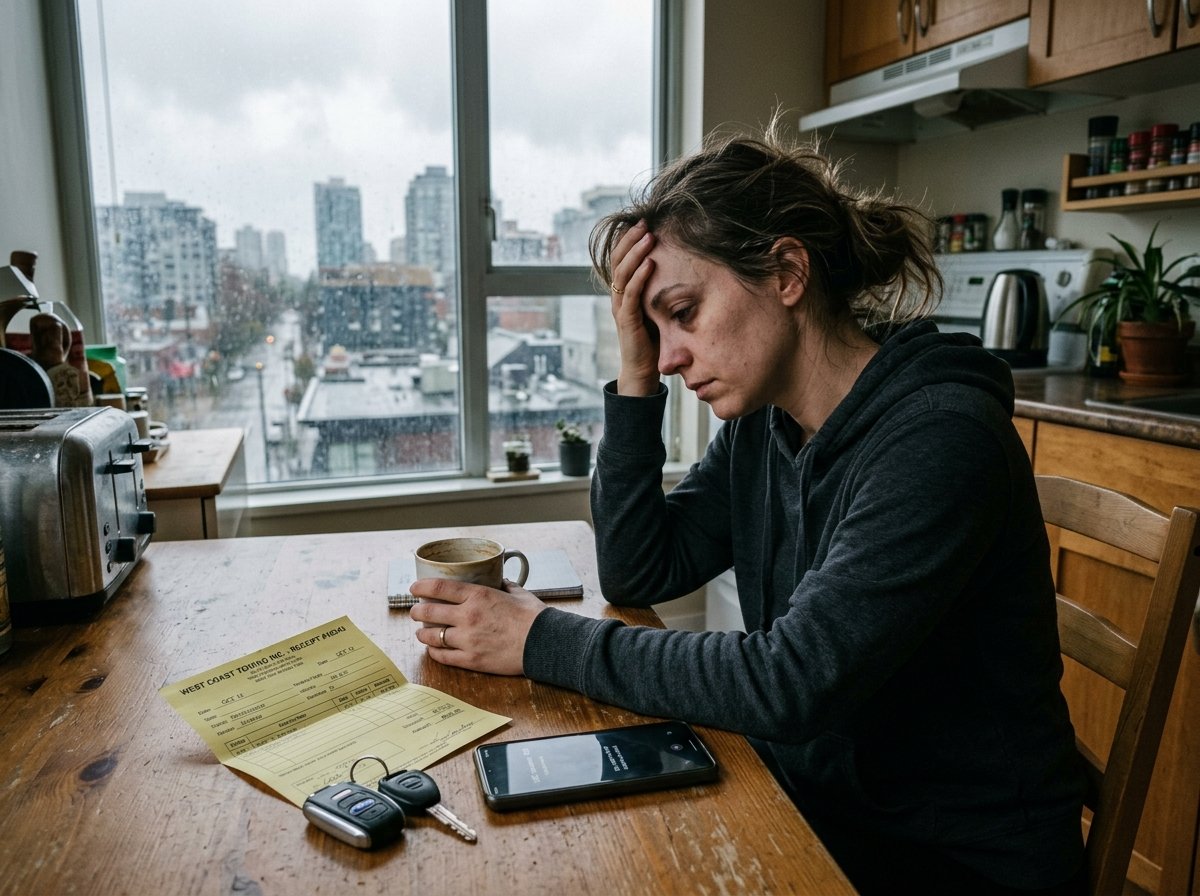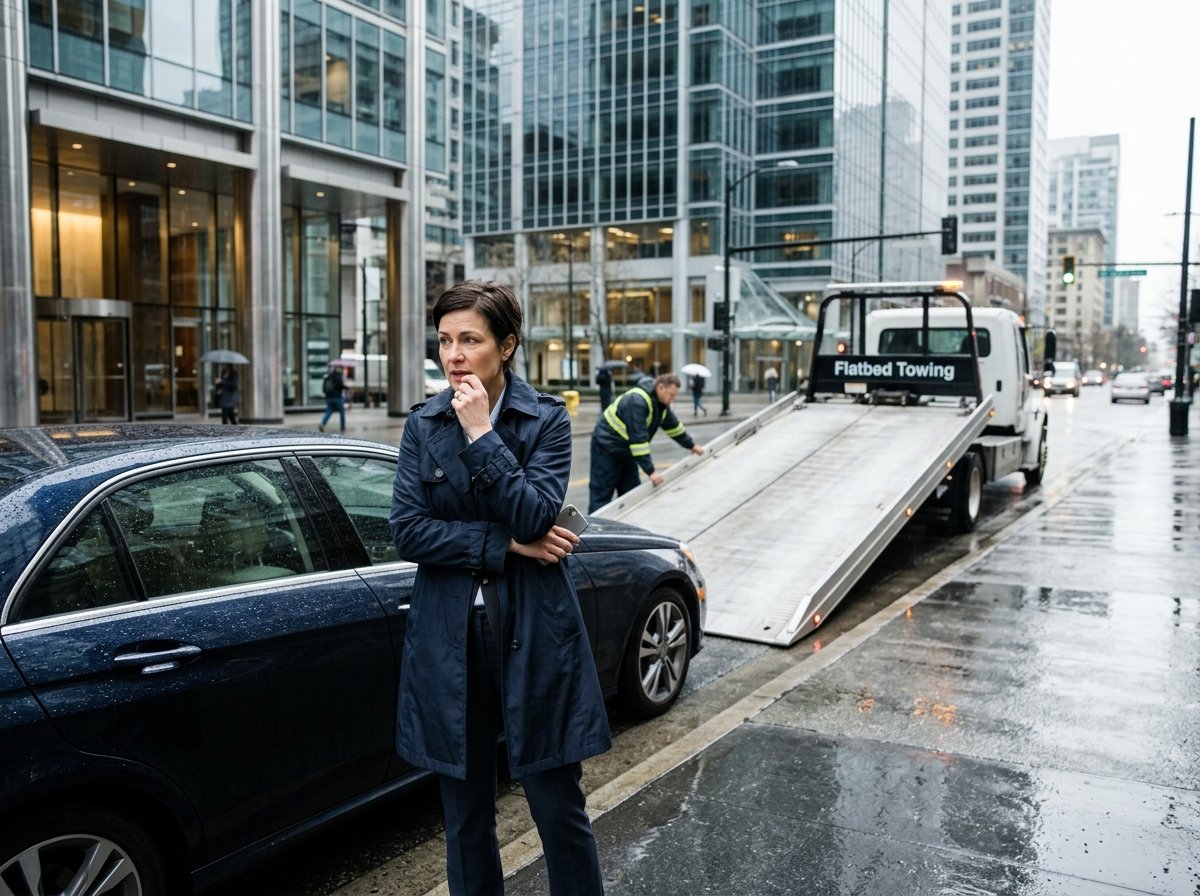
If your car needs a tow after a crash or breakdown, do not assume insurance will pay the whole bill. Coverage depends on why the tow happened and your policy. Ask for a clear invoice and keep the pickup and drop-off details. For a common passenger car move, review light-duty towing in Vancouver before you confirm the truck.
Quick overview
- You need a tow now, but you do not know if the bill is covered.
- You are not sure if you should pay first or open a claim first.
- The tow may need special equipment that changes the price.
- You need a receipt that clearly shows what was done.
In this guide
- Ask dispatch for the quoted service, pickup point, destination, and payment method before the truck moves.
- Keep the invoice, photos, claim number, and any insurer instructions in one place.
Simple version: protect your chance of reimbursement before the tow is finished.
- Ask what the tow will include.
- Confirm the destination with dispatch.
- Get an itemized receipt after payment.
- Send the receipt to your insurer or claims representative if they request it.
TL;DR: Can Insurance Pay a Vancouver Tow Bill?
- Sometimes. Coverage depends on the reason for the tow, your policy, and the claim.
- Keep a detailed towing receipt and your claim information.
- Ask the insurer what is eligible before assuming every fee will be repaid.
What Towing Reimbursement Usually Means
Reimbursement usually means you pay an eligible cost and then submit proof for review, or the tow is handled as part of an accepted claim. The key word is eligible. If your vehicle needs flatbed towing in Vancouver, ask whether that equipment is needed for the vehicle and whether your insurer wants any special documentation.
Context (what matters in this situation):
- Crash-related towing may be handled under vehicle damage coverage when the claim qualifies.
- Breakdown towing may depend on a roadside package, another membership, or separate coverage.
- Your deductible and policy terms can affect what you pay yourself.
- Storage, extra labour, distance, and special access may be reviewed separately.
A Safer Way to Book the Tow Before You Know the Claim Result
First, get the tow details in writing when possible. The full towing quote checklist explains which price details to confirm before dispatch. Then keep the final invoice so the insurer can compare the actual service with the claim.
What this usually looks like (real-world flow):
- Your vehicle cannot be driven safely.
- You contact dispatch and explain the vehicle, location, and destination.
- You ask whether special access, distance, or equipment changes the quote.
- You pay using the agreed method and get an itemized receipt.
- You submit the receipt if your insurer says the expense is eligible.
Details to confirm (so you get the right help fast):
- Keep the date, pickup address, destination, vehicle details, and service type on the invoice.
- Save texts or emails that show the quoted service and major charges.
- If you already have a claim number, add it to your notes for the insurer.
What you should get as the outcome:
- You have a cleaner record of what happened.
- You can answer insurer questions faster.
- You are less likely to confuse a quoted price with a guaranteed insurance payment.
Coverage Limits and Costs That Can Surprise You
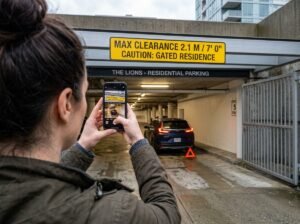
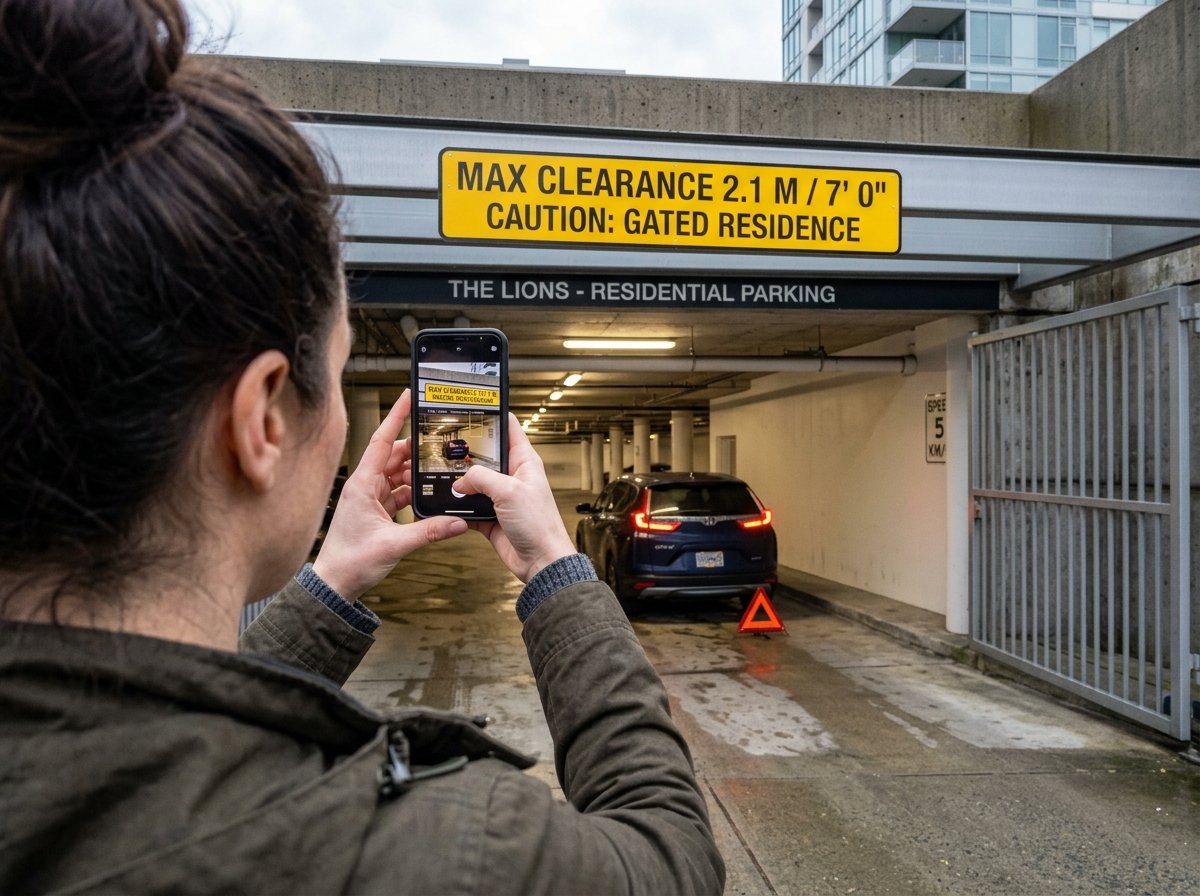
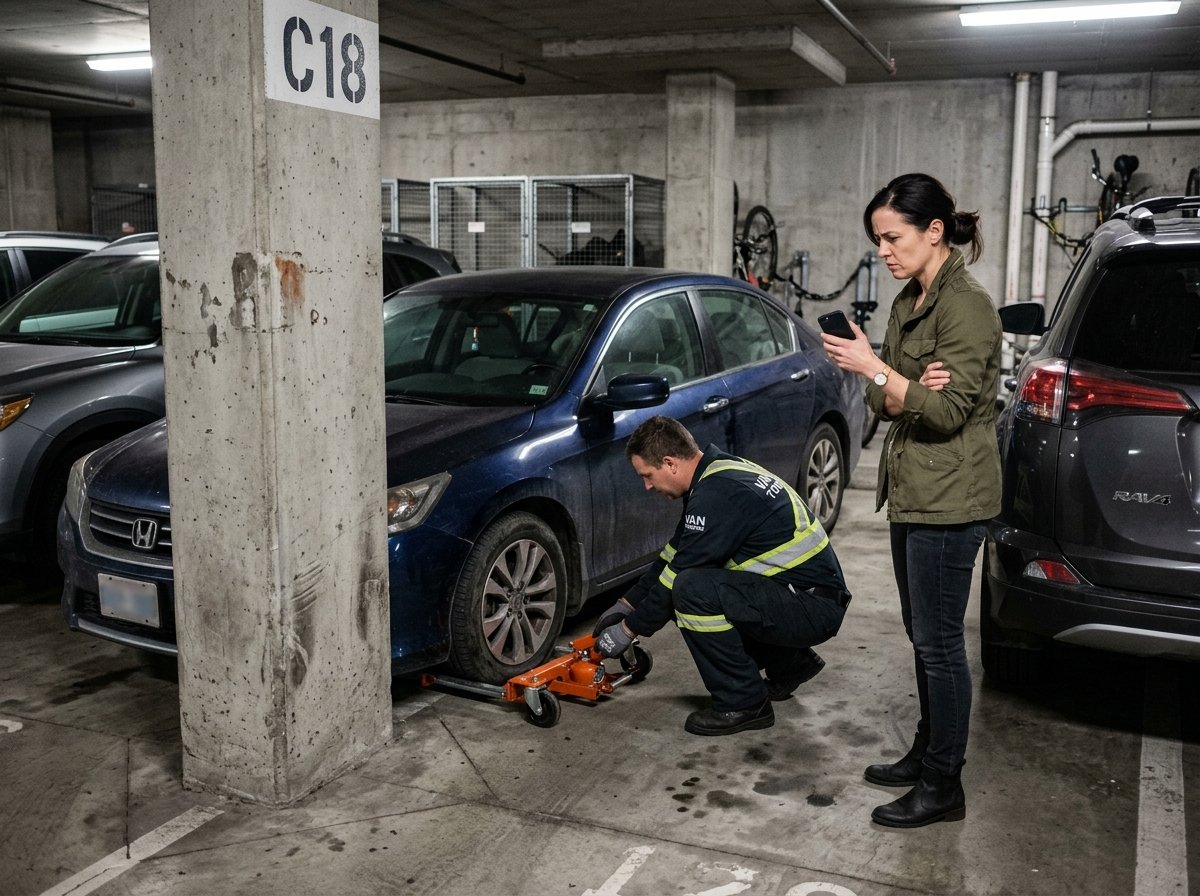
Insurance may not treat every charge the same way. A tow from a low-clearance garage may need underground towing in Vancouver, which can change the job setup. Ask both the towing company and your insurer what documents they need before you expect repayment.
Limits / constraints (what can slow things down):
- The reason for the tow may need to match a covered event.
- Some policies have limits, deductibles, or conditions.
- The insurer may ask whether the tow was necessary and where the vehicle was taken.
- A roadside benefit may work differently from a collision claim.
Hidden costs to watch for:
- Extra distance beyond the basic tow.
- Special equipment or recovery labour.
- Parking-garage or difficult-access work.
- Storage or waiting time after the vehicle is moved.
What to Do Before You Confirm Dispatch
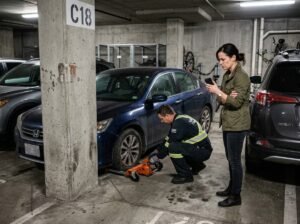
Ask for the service type, destination, and major price factors first. If the vehicle is in a parkade, use this parkade tow pricing guide to flag clearance and access issues before the truck arrives.
- Tell dispatch if the vehicle is AWD, EV, damaged, blocked in, or in a low-clearance area.
- Ask your insurer whether you should open a claim before paying, when it is safe and practical to do so.
Our Recommendations Before Booking long-distance hauling in Vancouver
Do not treat a towing quote as a promise that insurance will reimburse it.
Tell dispatch why the vehicle needs a tow and where it must go.
Ask for an itemized invoice with the service type and final charges.
Keep photos of the vehicle and pickup area when they help explain the tow.
If there is a claim, keep the claim number with your towing documents.
Ask the insurer which charges are eligible before expecting full repayment.
Safety First While You Sort Out Insurance
Insurance questions can wait if you are in a dangerous spot. Move away from traffic when you can do so safely and follow emergency instructions. If an EV needs transport, tell dispatch so the right Tesla towing service in Vancouver or suitable equipment can be considered.
A good option is:
- If the vehicle is in a live lane or unsafe spot, focus on personal safety first.
- Turn on hazard lights when appropriate and safe.
- Tell dispatch about traffic, steep grades, tight access, or vehicle damage.
- Do not stand between the disabled vehicle and moving traffic.
- Share the exact pickup point so the driver can find you without delay.
Scenario 1: A Motorcycle Is Damaged After a Crash
A damaged motorcycle may need secure loading rather than a basic car tow. Ask for motorcycle towing in Vancouver and keep the invoice with your claim records. The insurer can then decide what part of the cost is eligible.
Do this:
- Tell dispatch the bike make, model, condition, and exact location.
- Ask the driver to note the tow service on the invoice.
- Keep photos if they help show why towing was needed.
Scenario 2: A Heavy Vehicle Needs a Tow
Large vehicles can require different equipment and labour. If the job needs heavy-duty towing in Vancouver, confirm the vehicle weight or type with dispatch and ask your insurer how it wants the towing cost documented.
We recommend this:
- Give dispatch the vehicle type and condition.
- Confirm the destination can receive the vehicle.
- Keep the final itemized invoice for any claim review.
Scenario 3: An RV Breaks Down in Vancouver
A roadside breakdown is not the same as a collision claim. For RV towing in Vancouver, tell dispatch the RV size and problem, then ask your insurer or roadside provider whether your plan includes any towing benefit.
Here’s a simple path forward:
- Confirm the RV length, height, and approximate weight if known.
- Ask whether distance or special equipment affects the tow bill.
- Keep the receipt even if coverage is not confirmed yet.
Suggested plan:
Step 1: Get the Tow Details Before Dispatch
Ask what type of truck is being sent, what the quoted price covers, and what can change the final bill. The flatbed towing cost guide can help you ask about equipment before booking.
Step 2: Share the Exact Pickup and Destination
Send the exact address or a clear map pin, plus the repair shop or other approved destination. If you have an open claim, ask the insurer whether it has destination or towing instructions.
Step 3: Match the Truck to the Vehicle
The right equipment can affect both safety and price. For commercial or unusual loads, review equipment towing in Vancouver before dispatch and tell the operator exactly what needs to be moved.
ICBC towing and reimbursement guidance
ICBC explains how towing and storage can be handled when a vehicle is part of a claim. It also notes that, in some cases, you may pay a non-vendor tow first and submit eligible receipts for reimbursement. Read the official ICBC damage estimate and towing guidance before assuming a tow charge will be covered. Your own coverage and claim details still decide what is eligible.
FAQ: Insurance and Towing Cost in Vancouver
Will insurance always reimburse my Vancouver towing cost?
No. It depends on why the tow was needed, your policy, and whether the expense is eligible under a claim or roadside benefit. Ask your insurer before treating the tow bill as covered.
What should be on my towing receipt?
Keep the date, vehicle details, pickup point, destination, service type, and final amount paid. An itemized invoice makes it easier for an insurer to review the expense.
Can a breakdown tow be reimbursed if there was no crash?
Possibly, but that usually depends on roadside coverage or another benefit rather than a crash claim. Check your policy or membership before assuming the tow is included.
Should I call insurance before the tow truck?
If you are safe and have time, it can help to ask the insurer what it wants you to do. If the vehicle is creating a safety risk, deal with the immediate danger first and keep clear records of the tow.
What if the towing company is not an ICBC vendor?
You may need to pay the towing and storage bill first, then submit eligible receipts if ICBC tells you the cost can be reimbursed. Keep the full invoice and follow the claim instructions you receive.
Can special equipment change what insurance reimburses?
It can change the towing bill, but reimbursement still depends on the claim and coverage. Tell dispatch what the vehicle needs and ask the insurer whether it needs proof that the special equipment was necessary.