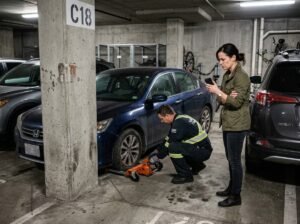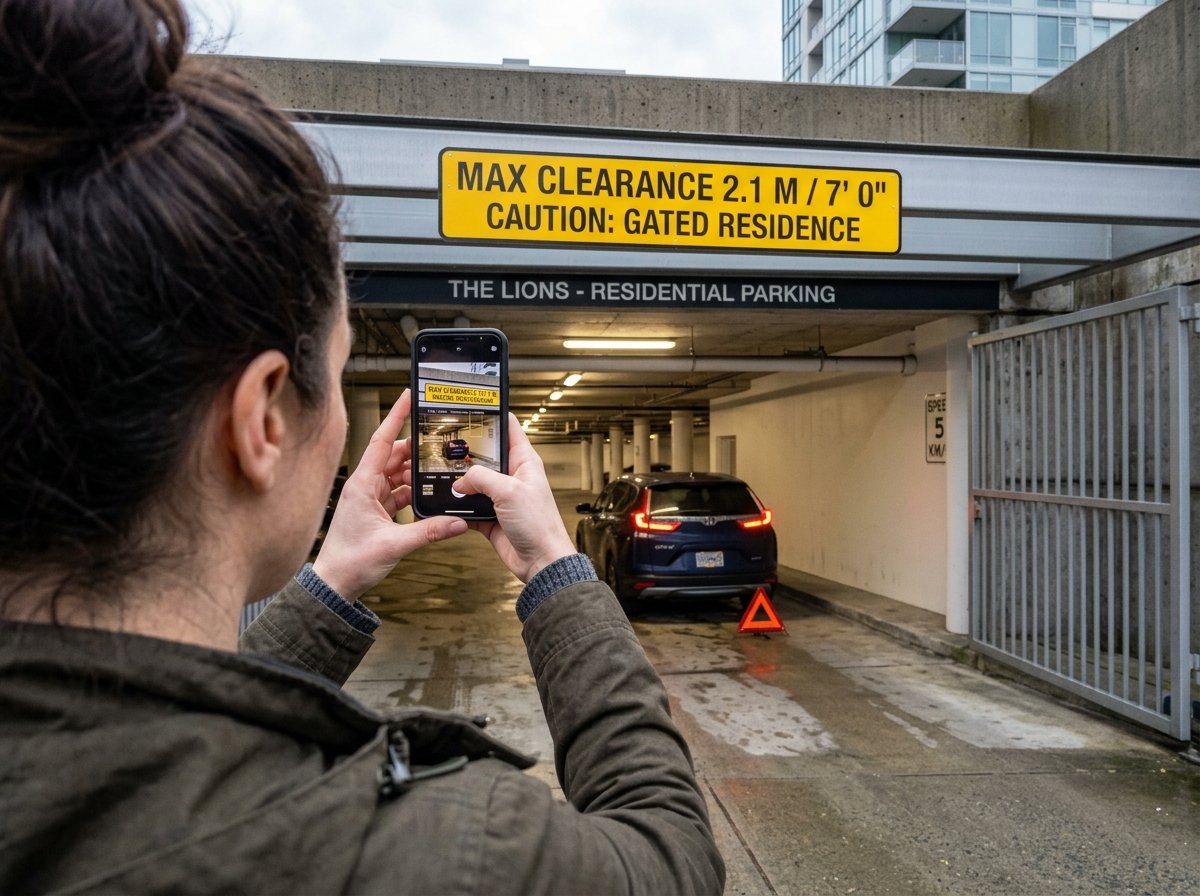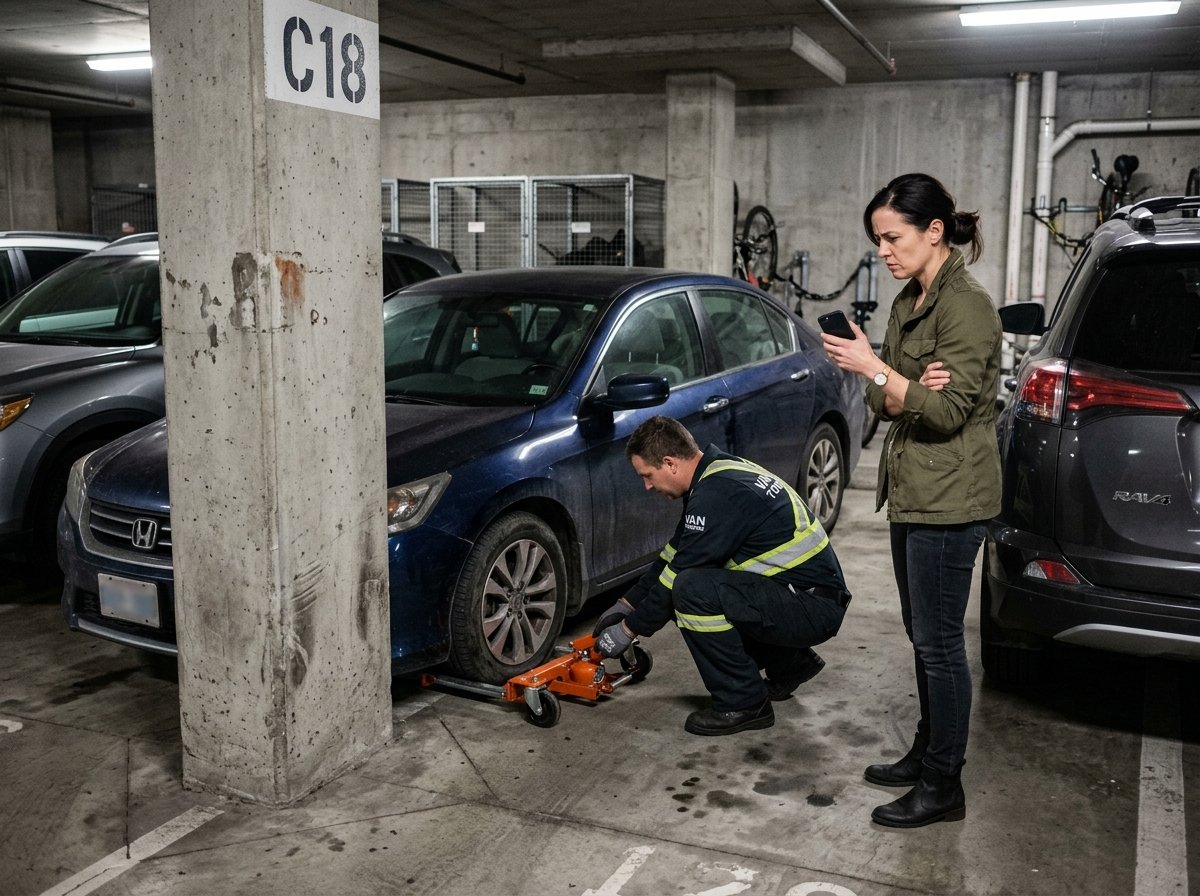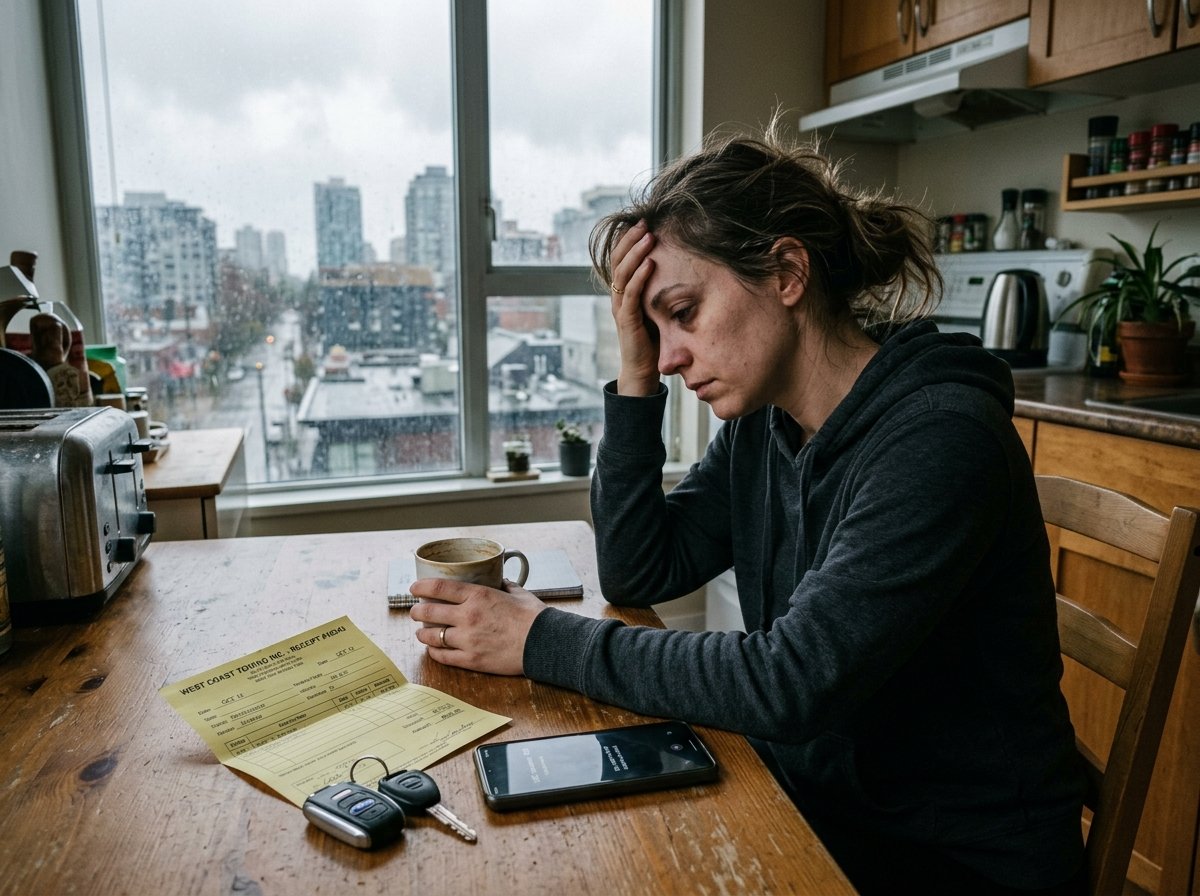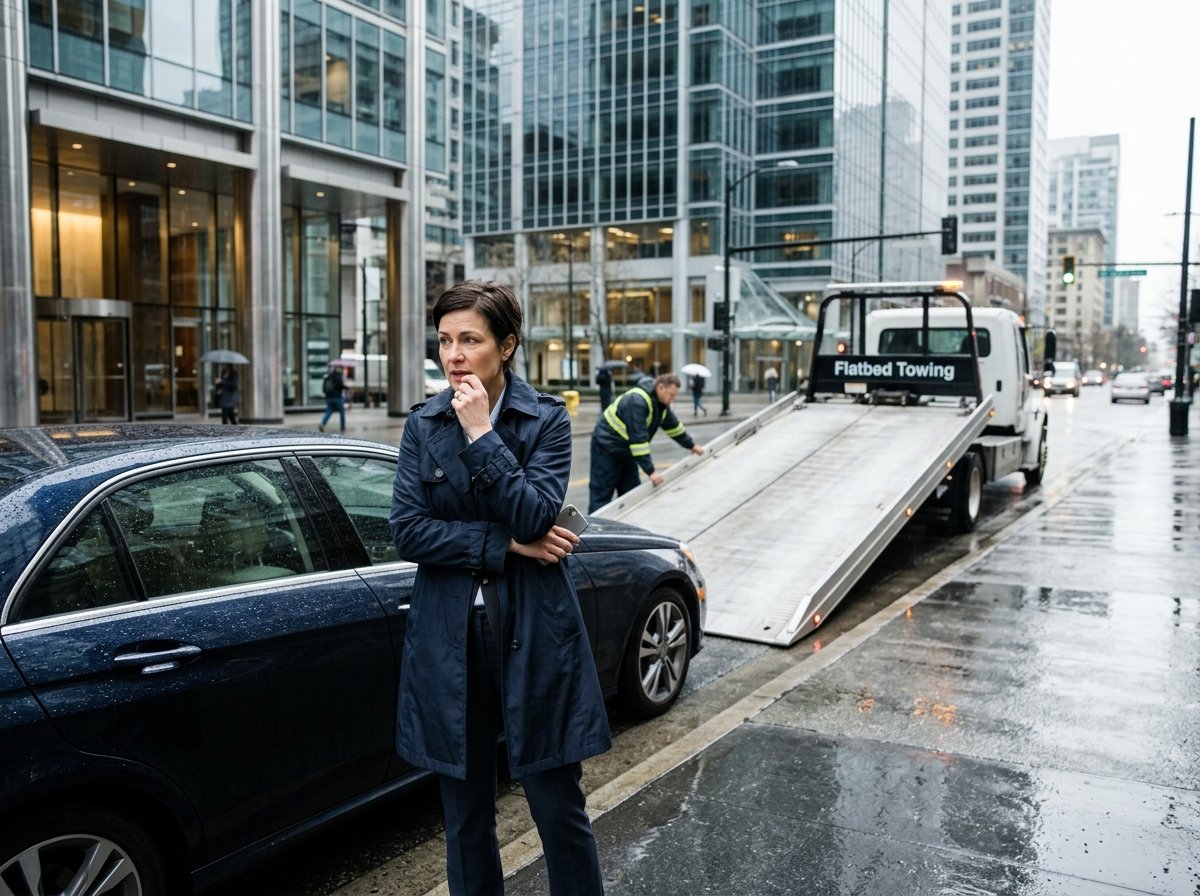
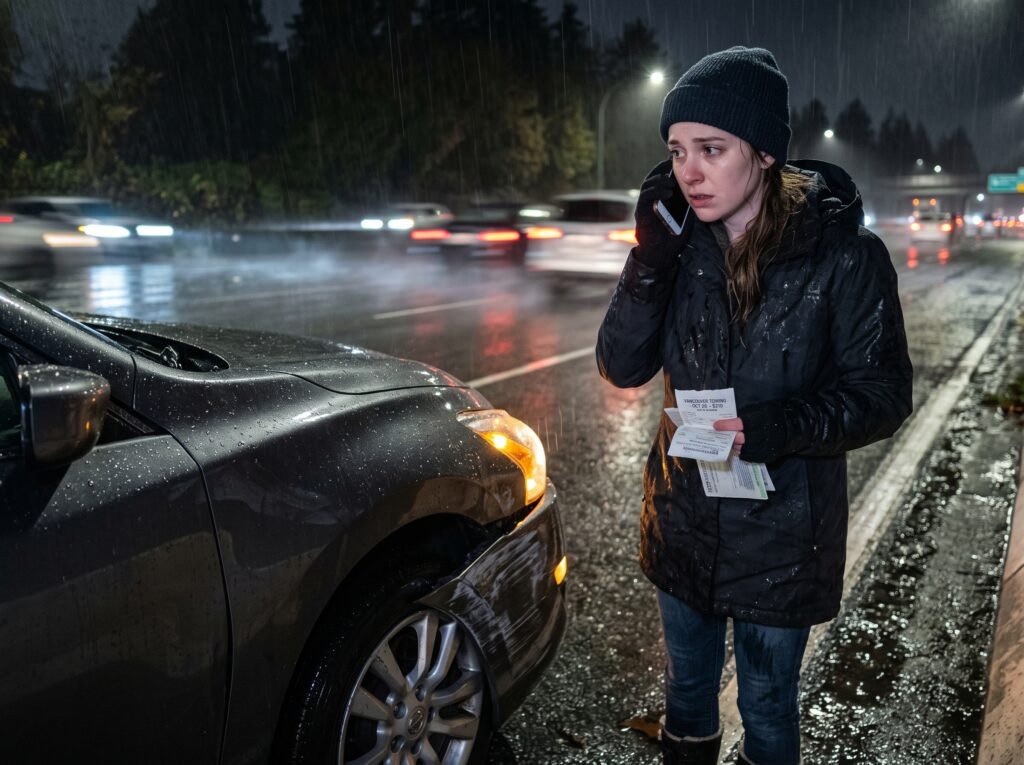
If you are thinking, “my car got towed in Vancouver,” first ask why the tow happened. Insurance may help when the tow is tied to a covered crash, theft, or roadside benefit. It usually will not pay a parking ticket just because the car was impounded. If you need safe movement now, ask about light duty towing and keep every receipt.
Quick overview
- Your insurer may ask why the tow happened.
- The impound lot may want payment before release.
- Storage can grow each day.
- A missing receipt can slow a claim.
In this guide
- Ask for an itemized tow bill before you leave.
- Take photos of the car, plate, lot, and receipt.
Simple version:
- Crash tow: ask your insurer before moving the car again.
- Parking tow: expect to pay the lot first.
- Roadside plan: check if payback is capped.
- No proof: hard to get money back.
TL;DR: What To Do Before You Pay
- Ask the lot for a receipt that shows towing, storage, taxes, date, and location.
- Call your insurer and ask if this was a covered tow, not just a tow.
- Take photos before release and keep every paper until the claim is closed.
Can Insurance Pay You Back For A Vancouver Tow?
Maybe, but only if the tow fits your coverage. A claim tow after a crash is different from a bylaw or private-lot impound. If your car needs a safer move, flatbed towing may help protect it while you sort out the claim.
Context (what matters in this situation):
- Reason for tow matters most.
- Coverage, deductible, and limits matter.
- Receipts matter more than a story.
- Do not guess; ask the insurer before you assume.
The Story Your Insurer Will Ask For
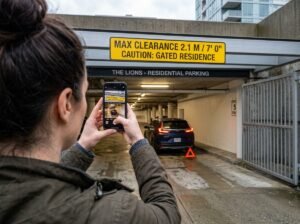
Before they pay anything, your insurer may ask for a clean timeline. Note where the car was found, who ordered the tow, and who you paid. If the car came from a parkade or tight space, mention whether underground towing was needed.
What this usually looks like (real-world flow):
- Where was the car before it was towed?
- Who ordered the tow?
- Was there a crash, theft, breakdown, or parking issue?
- Which lot has the car now?
- Did you pay towing, storage, or both?
Details to confirm (so you get the right help fast):
- Save the receipt and card slip.
- Write the driver or lot name.
- Take photos before release.
What you should get as the outcome:
- You may get full payback, partial payback, or no payback.
- Your deductible may still apply.
- Fast proof gives you a better shot.
Membership Limits And Hidden Costs
A roadside plan or insurer may cover only a set amount. Extra distance, storage days, and special equipment can sit outside the plan. Ask first if you need truck towing or another service that costs more than a basic tow.
Limits / constraints (what can slow things down):
- Some plans pay only after you send a receipt.
- Some plans cover breakdowns, not parking impounds.
- Some plans cap distance.
- Some plans require a claim number.
Hidden costs to watch for:
- Daily storage
- Release fee
- After-hours fee
- Special access fee
What To Do Now
Call the lot, insurer, and tow company before paying more storage. Ask what proof is needed today. If the vehicle must move from the lot, ask if dolly towing is safer than a basic hook.
- Do not argue at the counter; collect proof.
- Ask for the exact fee split before tapping your card.
Our Recommendations Before A Tow Claim
Ask your insurer for the exact words they need on the receipt.
Keep storage days low by calling the lot today.
Ask if your plan pays you back or pays the tow company.
Take proof photos before the car leaves the lot.
Do not approve a second tow until you know who pays.
Keep one folder with receipts, photos, emails, and claim notes.
Safety Steps Before You Release The Car
Before the car leaves the lot, check for damage and loose parts. If it is a bike or low-clearance vehicle, ask about motorcycle towing or flatbed support before it moves.
A good option is:
- Stand in a safe spot away from traffic.
- Photo each side of the car.
- Check tire, bumper, and underbody damage.
- Keep the release receipt in your phone.
- Do not drive if brakes, steering, or tires feel wrong.
Scenario 1: The Tow Came After A Crash
A crash-related tow has the best chance of being part of an insurance claim. Ask the adjuster before you move the car again, especially if you need equipment towing for a damaged work vehicle.
Do this:
- Report the claim first when needed.
- Ask if towing and storage are included.
- Keep the impound receipt and photos.
Scenario 2: The Tow Was From A Private Lot
A private-lot tow is often treated like a parking problem, not a covered claim. You may still ask your insurer, but be ready to pay the release fee first. If it must go across the Lower Mainland, ask about long distance hauling before booking.
We recommend this:
- Ask who ordered the tow.
- Ask for the bylaw or lot reason.
- Save the receipt even if you expect no payback.
Scenario 3: Your Roadside Plan Might Pay Back Part
Some roadside plans pay back basic towing after you submit proof. They may not cover storage, impound penalties, or the full distance. If you drive an EV, ask whether Tesla towing is needed before the truck is sent.
Here’s a simple path forward:
- Check the dollar cap.
- Ask what receipt format they need.
- Submit the claim fast.
Suggested plan:
Step 1: Get The Receipt First
Before you pay, ask for an itemized receipt. It should show the towing charge, storage charge, taxes, dates, and location. Use the quote page only if you need a second move, such as trailer towing after release.
Step 2: Share The Exact Location
Send the lot name, nearest cross street, stall number, and gate rules. If the vehicle is blocked or does not roll, say that up front. For odd loads, machinery towing may need different equipment.
Step 3: Pick The Right Tow Type
Do not book a random truck if damage is possible. Match the vehicle to the service, such as boat towing, flatbed, dolly, or light duty support. This can make your receipt cleaner for a claim review.
ICBC collision coverage
The ICBC collision coverage page is useful when the tow is tied to a crash claim. It explains why coverage, towing, and storage may be reviewed together. Use it before you assume a parking impound and a covered crash tow are the same thing.
FAQs About Insurance And Vancouver Tow Bills
My car got towed in Vancouver. Should I call insurance first?
Yes, call if the tow came from a crash, theft, or breakdown. Ask what proof they need before you pay more storage. Keep notes from the call.
Will insurance pay for a parking impound?
Usually not just because the car was impounded. Insurance may look for a covered event, like a crash or theft. Ask before you count on payback.
Can storage fees be repaid?
Sometimes, but only if the storage is part of a covered claim or plan. Daily fees can add up fast, so ask the lot for the daily rate. This impound fee checklist can help you ask better questions.
What receipt should I ask for?
Ask for one receipt that splits towing, storage, taxes, and release fees. It should show dates and the lot name. A card slip alone may not be enough.
What if the tow damaged my car?
Take photos before the car leaves the lot. Tell the lot and insurer right away. If the vehicle should not be driven, ask for safer transport.
Should I take photos before release?
Yes. Photo the car, plate, wheels, bumper, odometer, receipt, and lot signs. Use this proof photo list before you drive away.