Getting out of a Yaletown parkade is often about fit, not force. For towing downtown Vancouver, the fastest move is giving dispatch the ceiling height, level, and whether the car can roll so they can send the right setup for underground towing instead of guessing. Expressway Towing can also use the same details to give a better read on timing, just like this real ETA guide.
Quick overview
- Height bars can block taller tow trucks.
- Tight ramps can rule out a wide turn.
- AWD, EV, or locked wheels may need special gear.
- A bad truck match can mean a second dispatch.
In this guide
- Clear info helps dispatch send the right unit first.
- Low-clearance jobs need planning before the truck arrives.
Simple version:
- Tell dispatch the height limit.
- Share the level and stall number.
- Say if the car rolls, steers, or is stuck in park.
- Ask what truck type they plan to send.
TL;DR
- Low-clearance parkades often need a smaller or special tow setup.
- AWD, EV, and blocked wheels change the truck choice.
- Tell dispatch your height bar, level, and ramp limits before the truck leaves.
What “the right tow truck” means in a Yaletown parkade
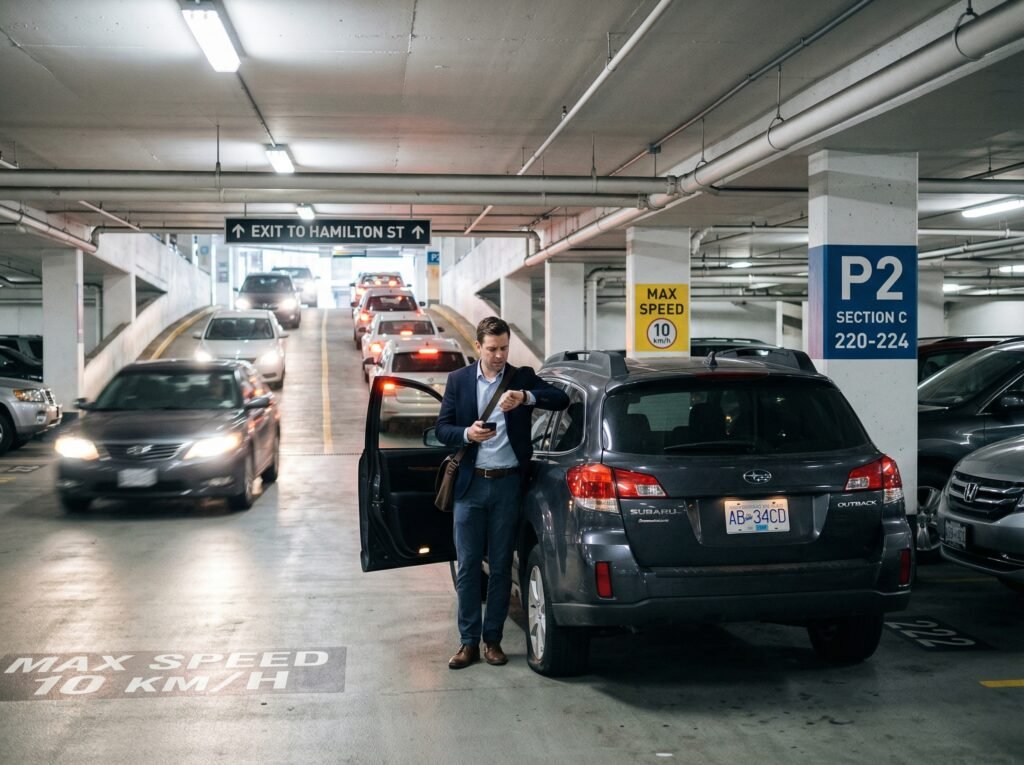
In a parkade, the right tow truck is the one that can enter, turn, load, and exit without damage. That may mean flatbed towing for a sensitive vehicle, or light duty towing when space is tight and the car still rolls well. The goal is a safe match for the garage, the vehicle, and the exit path.
Context (what matters in this situation):
- Low pipes and sprinklers reduce working room.
- Steep ramps change loading angle.
- Sharp corners make long trucks harder to place.
- Locked wheels or no power add loading time.
How a Yaletown parkade tow usually plays out
First, dispatch confirms the basics. Then they decide whether a standard setup works or if the job needs a special plan, which is why this AWD towing guide matters for many downtown calls.
What this usually looks like (real-world flow):
- Driver calls from inside the parkade.
- Dispatch asks for height, level, and vehicle type.
- Truck choice is matched to access and wheel setup.
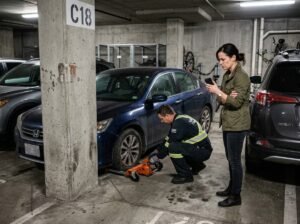
- Operator checks the safest load angle on site.
- Vehicle is removed to street level or a repair destination.
Details to confirm (so you get the right help fast):
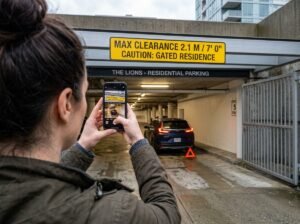
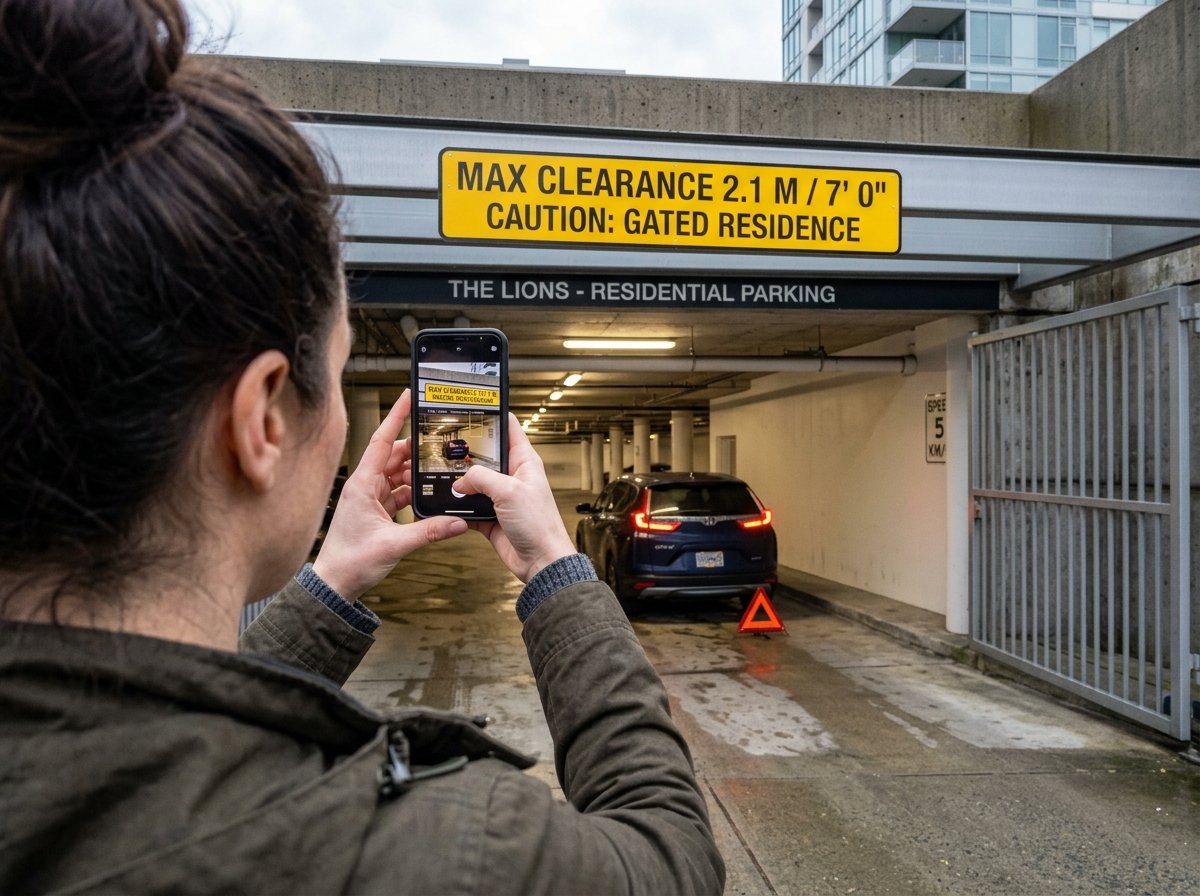
- Photos of the height bar can help.
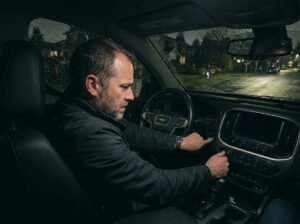
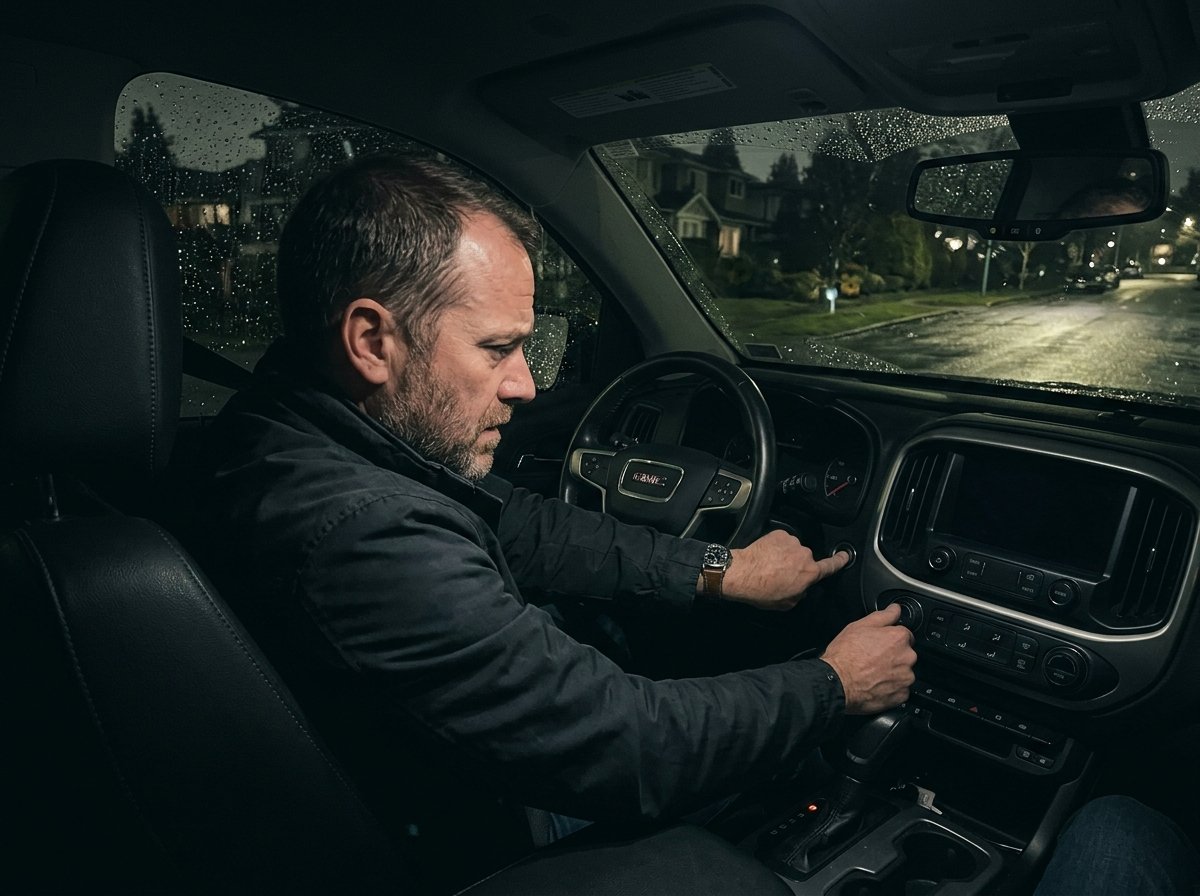
- A dead battery may affect shifting and steering.
- EVs and AWD vehicles need the right loading method.
What you should get as the outcome:
- Better truck match on the first try.
- Less time spent blocking ramps or lanes.
- Lower chance of extra handling charges.
What memberships and cheap quotes may not cover
A low price can leave out the hard part of the job. In a parkade, add-ons can show up for dollies, extra labor, or special handling for vehicles like those needing Tesla towing. Before you book, review a simple fee checklist so the total is not a surprise.
Limits / constraints (what can slow things down):
- Some plans only cover a basic hook-up.
- Low-clearance access may count as extra work.
- Private parkade rules can slow the job.
- Long wait time can trigger storage or after-hours costs.
Hidden costs to watch for:
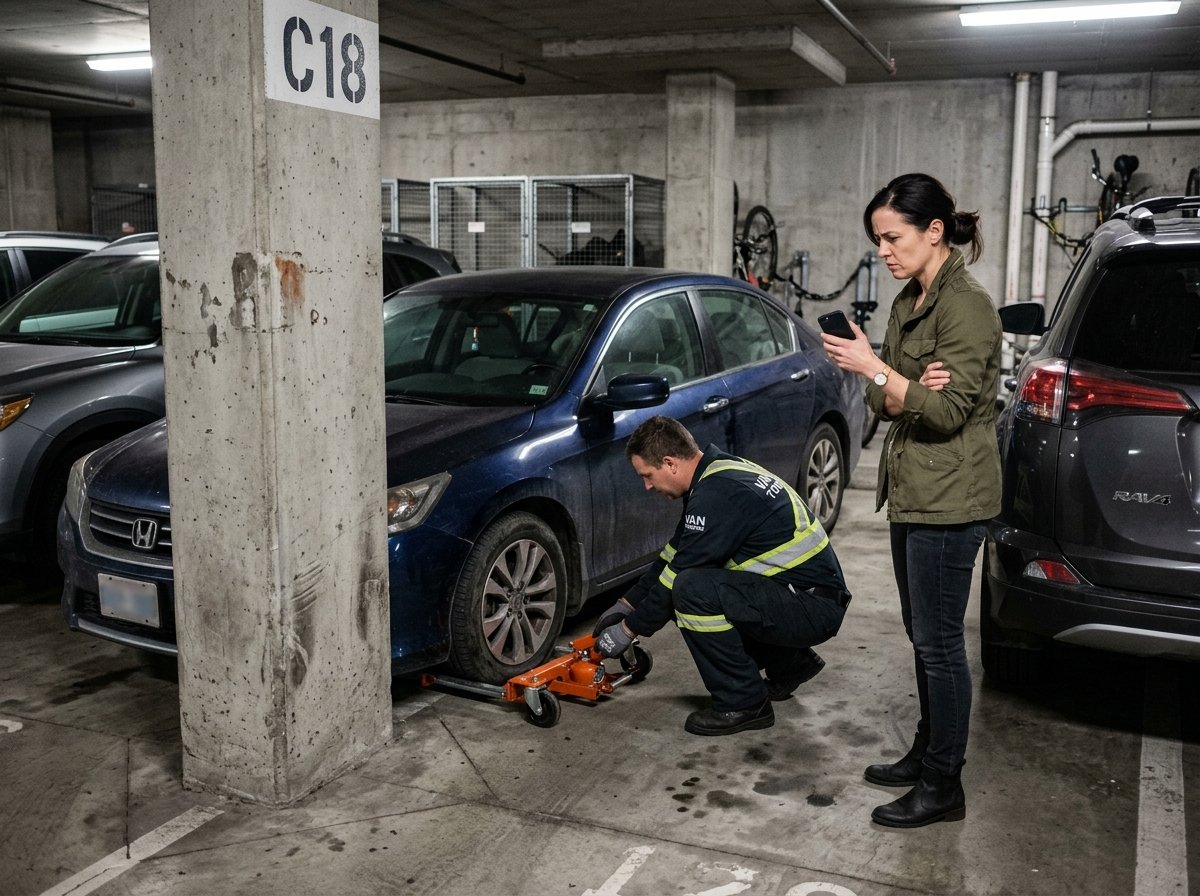
- Dolly fee if the wheels cannot roll freely.
- Winch or skates if the car is pinned.
- Extra labor for long pushes or manual moves.
- Higher rate if a second truck is needed.
What to do now if you are stuck
Start with the facts that change truck choice. Tell dispatch the garage name, level, height bar, and whether the car is a sedan, SUV, or truck. If the vehicle is oversized, ask what setup is needed before anyone heads in.
- Send one clear photo of the height bar and ramp.
- Move people to a safe area away from traffic flow.
Our recommendations for Yaletown parkade tows
Ask dispatch what truck type they plan to send.
Say if the car is AWD, EV, lowered, or oversized.
Share the exact level, stall, and nearest exit door.
Mention if the wheels are turned hard or locked.
Confirm all likely add-on fees before the truck leaves.
Keep the path clear so loading is faster and safer.
Safety first in a tight parkade
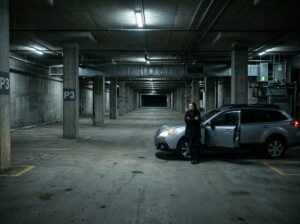
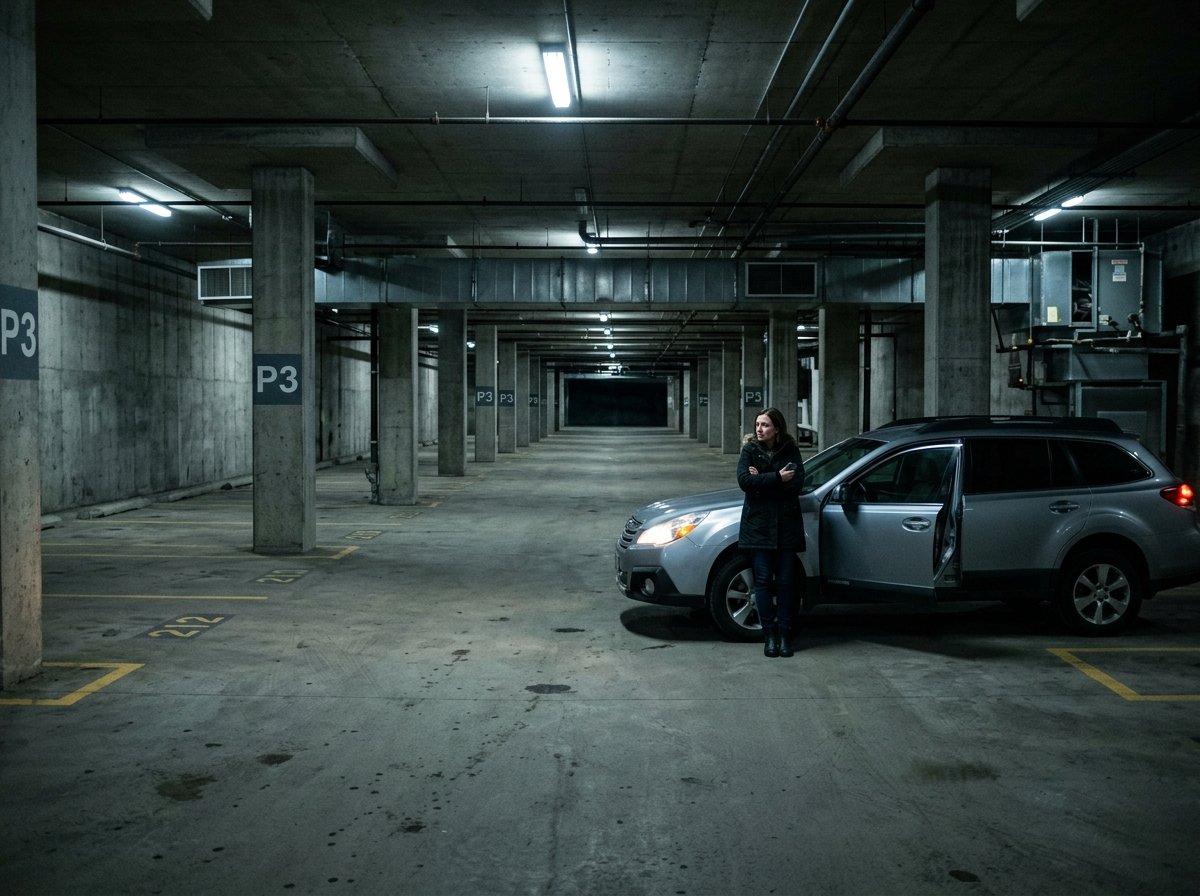
Parkades are cramped, dark, and busy. Larger vehicles need extra care because space is limited and people may be walking past the scene.
A good option is:
- Turn on hazard lights if the battery still works.
- Do not stand behind or downhill from the vehicle.
- Keep children and pets away from the ramp area.
- Do not force the shifter if the car has no power.
- Wait for the operator before trying to push the vehicle.
If your car is AWD or electric
These vehicles often need a more careful load plan. A quick read through this AWD towing guide can help you know why the truck choice matters before the operator arrives.
Do this:
- Tell dispatch if any wheel cannot rotate.
- Say if the battery is dead or very low.
- Mention if tow mode cannot be activated.
If you are on P2 or lower with a low ceiling
Lower levels make access harder and bad guesses cost time. Jobs like this often call for underground towing because height, turn radius, and exit angle all matter at once.
We recommend this:
- Measure or estimate the height bar if you can.
- Share the easiest entry lane for the truck.
- Say if another car is boxed in beside you.
If you are blocking the ramp or gate
This raises the pressure fast. A fast-clear job still needs a careful setup so the vehicle can be moved without scraping walls, gates, or nearby cars.
Here’s a simple path forward:
- Warn oncoming drivers if it is safe to do so.
- Stay out of the blind corner near the ramp.
- Tell dispatch that traffic flow is blocked.
Suggested plan:
Step 1: Book with the right details
When you request help, include the garage name, level, height limit, and whether the vehicle rolls. If the wheels are locked or the car must be moved sideways, ask if dolly towing gear may be needed.
Step 2: Share your exact location
Send a pin, the nearest stairwell or elevator, and one photo of the entrance sign. Good location details can save a missed turn and a wasted dispatch.
Step 3: Pick the best next move
If the car only needs a short move out of the garage, say that first. If it needs a longer trip after the rescue, mention it early because that can change the plan toward options like long distance hauling.
City towing and impound info
The City of Vancouver page on impounded vehicles and towing fees helps if you are not sure whether your car was moved, impounded, or is still inside the garage. It shows where to look, who to call, and how city and private-property tows can work differently. It is also a useful place to check general towing and storage rules before you head out.
FAQ
Can any tow truck fit into a Yaletown parkade?
No. Some parkades are too low or too tight for a standard setup. The best truck depends on the height bar, ramp angle, and whether your car can roll and steer.
What should I tell dispatch first?
Start with the garage name, level, ceiling height, and if the car is boxed in. Then say if the vehicle rolls, steers, or has a dead battery. This real ETA guide shows why those details matter before the truck leaves.
Will an AWD or EV always need a flatbed?
Not always, but it often needs a careful plan. Some vehicles are safest on a flatbed, while others may use dollies or another approved method based on access and wheel movement.
What fees should I confirm before booking?
Ask about the hook-up fee, dolly fee, extra labor, after-hours rate, and any parkade surcharge. Also ask what happens if a second truck is needed. This fee checklist gives you a simple list to confirm before the job starts.
Can a tow truck help if my battery is dead in the parkade?
Yes, but the best answer depends on the car and the space around it. If the battery issue stops the car from shifting or steering, dispatch may still plan the call like a tow, not a simple boost.
How long does towing downtown Vancouver usually take?
It depends on traffic, garage access, truck match, and whether the car is easy to load. A clear first call usually saves the most time because dispatch can send the right setup from the start.