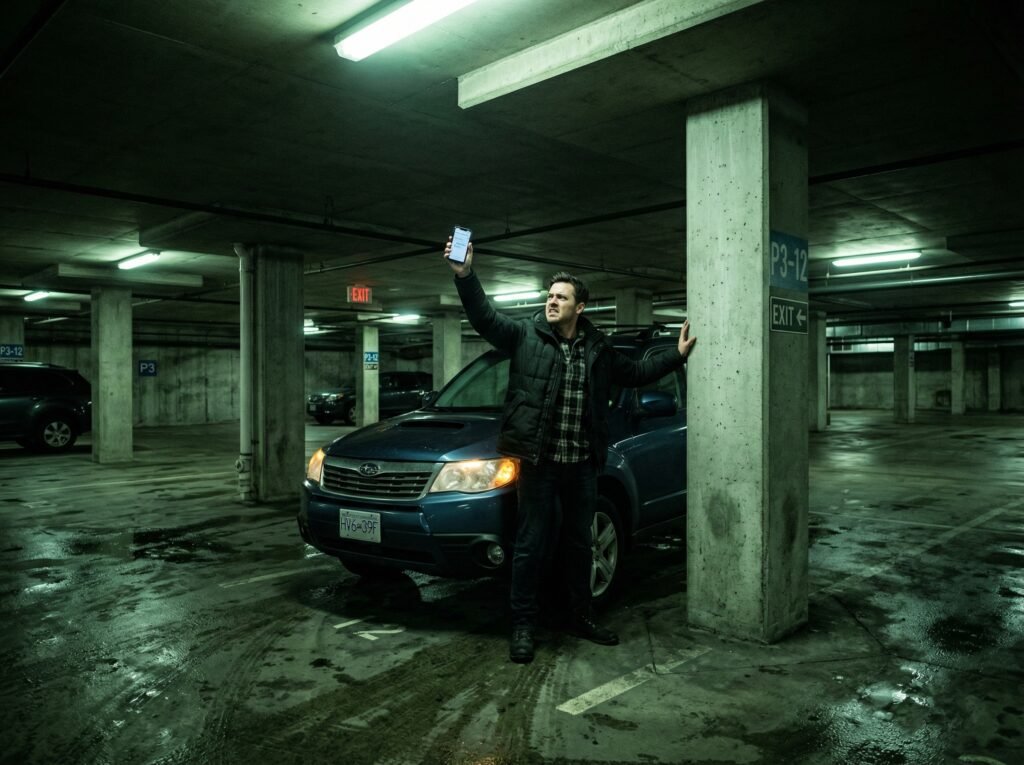
If your car will not start in a downtown parkade, do not book the first truck you see. Ask if the company handles underground towing services and whether they can give real dispatch timing like this ETA guide. If the problem is not a full tow, dispatch can point you to the right help fast.
Quick overview
- Low clearance can block standard tow trucks.
- Some parkades need a manager or security code for access.
- After-hours exits can add delay.
- Extra gear can change the final bill.
In this guide
- Ask for truck type, access plan, and arrival window before you agree.
- Save every receipt if you may need an ICBC file later.
Simple version:
- Tell dispatch your exact parkade level.
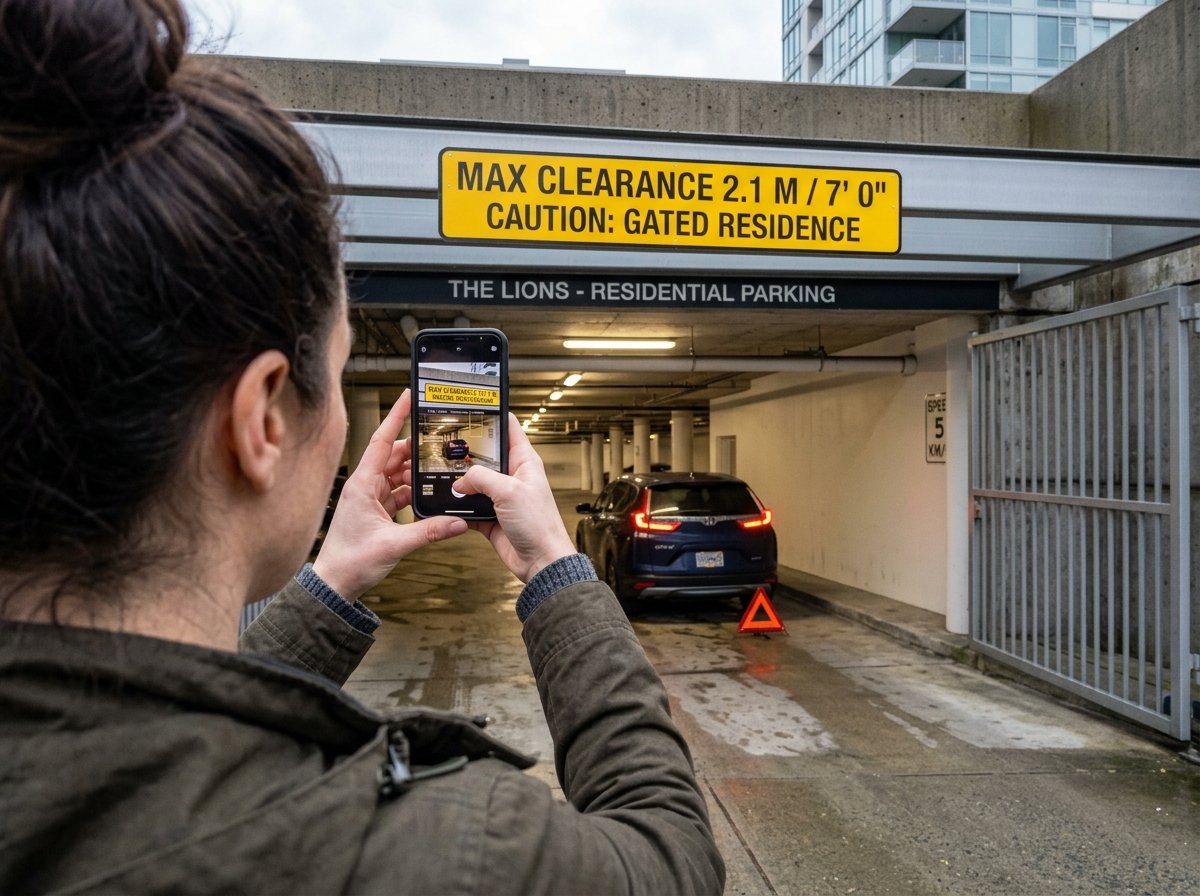
- Share the ceiling height if you can see it.
- Ask what extra fees may apply.
- Get the quote and ETA in writing.
TL;DR: 7 questions that save time
- Can your truck fit the height and turn space?
- Do you handle underground and flatbed jobs in the same area?
- What fees can be added for gates, dollies, or extra wait time?
Why parkade towing is different
A downtown parkade tow is not the same as a curbside pickup. The best first question is whether the job needs flatbed towing services or another setup, because the wrong truck wastes time. If the vehicle is electric, tell dispatch before they roll.
Context (what matters in this situation):
- Height bars can block entry.
- Tight turns may need a smaller unit.
- Dead batteries can look like tow jobs but may not be.
- Security desks may need plate details before access.
The 7 questions to ask before you book
Start with access, then equipment, then price. A good dispatcher should explain whether your job sounds like dolly towing services or a simple recover-and-load call. If timing matters, compare the answers with this pricing guide so you know what can change the bill.
What this usually looks like (real-world flow):
- What is your truck height, and can it enter this parkade?
- Do you need a clearance measurement or photo from me?
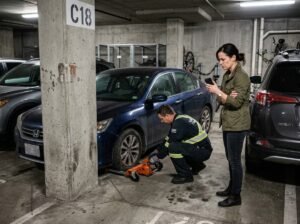
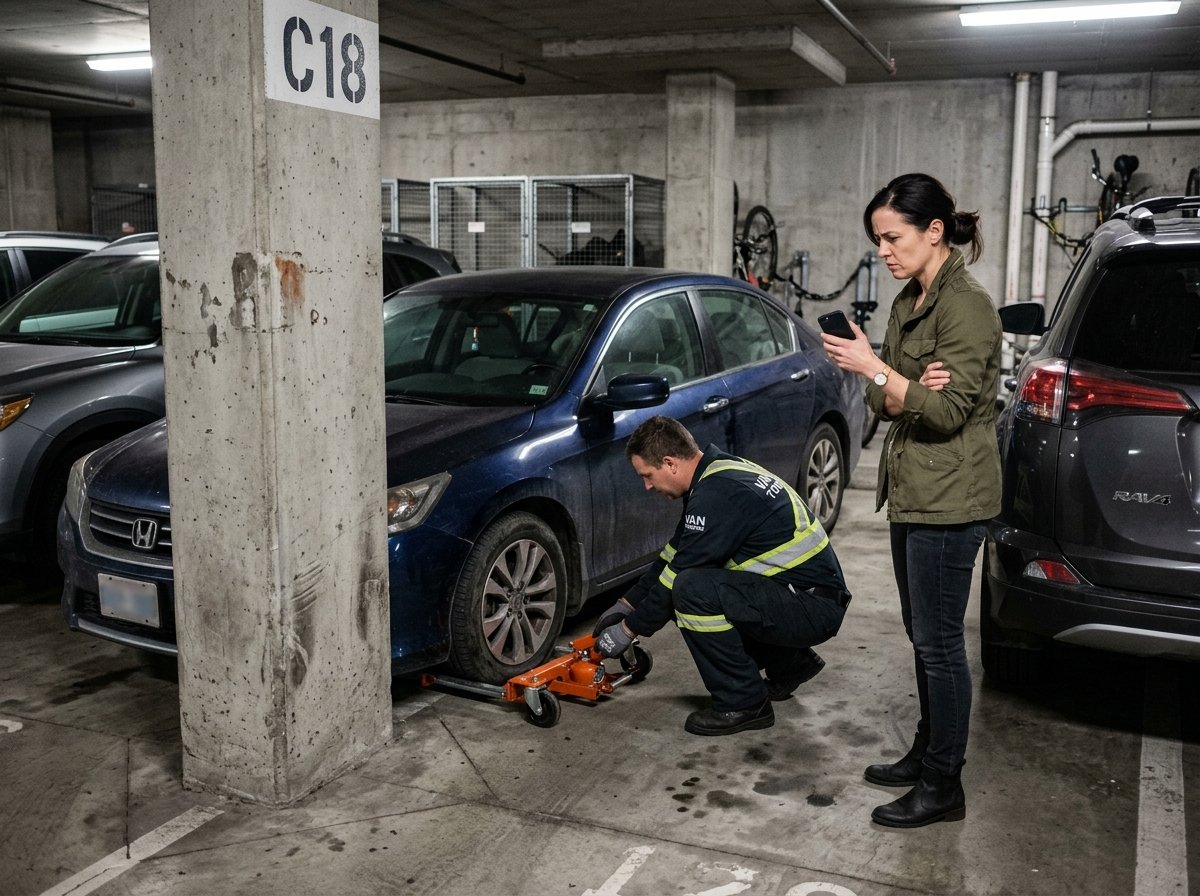
- Will you bring dollies or special gear for a locked wheel or tight turn?
- Can you enter after hours, or do I need security to meet you?
- What is included in the quote, and what can still change?
Details to confirm (so you get the right help fast):
- Give the street entrance, level number, and stall area.
- Say if the car is blocked in by pillars or other cars.
- Tell them if the steering is locked, the tire is flat, or the battery is dead.
What you should get as the outcome:
- You avoid the wrong truck showing up.
- You cut down on repeat dispatch calls.
- You get a cleaner invoice for records.
Membership limits and hidden costs to watch
Some driver plans or roadside memberships help, but they may not cover every downtown parkade problem. A plan that works for a street pickup may not fully cover underground towing services if special access, extra labour, or dollies are needed. This is also why receipt details matter on jobs that may later tie into an insurance file, as explained in this ICBC receipt checklist.
Limits / constraints (what can slow things down):
- Coverage may stop at a set towing distance.
- Special equipment fees may be outside the plan.
- Private parkade releases can slow the job.
- After-hours storage is usually separate from the tow.
Hidden costs to watch for:
- Dolly use fee
- Multi-level parkade access fee
- Extra wait time fee
- Longer pull distance fee
What to do right now if you are stuck
First, make sure you and your passengers are safe. Then send one clear message with your level, entrance, ceiling height, and vehicle issue. If the job sounds larger than a normal car tow, ask if they also handle heavy duty towing services so you do not get transferred later.
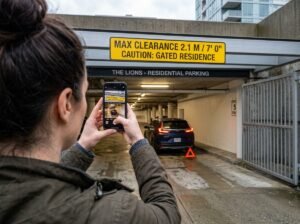
- Take photos of the height bar, your car, and the nearest sign.
- Keep your phone on and watch for dispatch updates.
Our recommendations for a faster downtown tow
Send dispatch a photo before they roll. This helps them pick the right unit the first time.
Ask for the full price range, not just the base hook fee.
Tell them if the wheel is locked, the tire is flat, or the car is boxed in.
If you drive a bike or specialty unit, ask about motorcycle towing services or another matching service type.
Have parkade security or the building contact ready before the truck arrives.
Save screenshots of the ETA and the final invoice.
Safety steps while you wait
Your first job is staying visible and calm. If you can move the car to a safer space, follow building rules. If the vehicle is not safe to move, wait nearby and keep the lane clear for the operator.
A good option is:
- Turn on hazard lights if the battery still works.
- Stand away from blind corners and ramps.
- Do not crawl under the vehicle.
- Keep kids and pets out of drive lanes.
- Stay reachable for the driver or dispatch.
Scenario 1: Dead battery in a low-clearance level
Not every low-clearance call needs a full tow. Ask whether the company can try a boost first or if the vehicle still needs removal after testing. If the vehicle later needs loading, the dispatcher should explain the next step before the truck arrives.
Do this:
- Share the exact level and nearest elevator or stairwell.
- Say whether the car is nose-in or backed in.
- Tell dispatch if the battery has failed before.
Scenario 2: Flat tire with no room to change it
A flat tire in a tight stall can stop a normal roadside fix. Ask whether they can safely move the car first or whether it needs a tow out of the parkade. That can lead to trailer towing services style gear, depending on space and wheel position.
We recommend this:
- Tell them which tire is flat.
- Say if the wheel lock key is in the car.
- Mention any nearby wall, pillar, or curb that limits access.
Scenario 3: EV or specialty vehicle in a parkade
EVs and specialty vehicles may need extra care with loading points and wheel handling. Ask if the team has done similar jobs before and whether the destination should be your dealer, home, or a repair shop. For larger units, a dispatcher may also point you to motorhome towing services when the vehicle type is outside a normal car tow.
Here’s a simple path forward:
- Share the make, model, and drive type.
- Say if the vehicle can go into neutral.
- Ask how the vehicle will be loaded before the truck starts.
Suggested plan:
Step 1: Book with the right details
Use one message with your parkade name, entrance, level, stall zone, vehicle issue, and callback number. That gives dispatch a better start and helps them decide whether the job fits Vancouver towing services or a more specific sub-service.
Step 2: Share location and check official fee info
Send a dropped pin plus one photo of the entrance and one photo of the height bar. If your car was towed or impounded, the City of Vancouver fee page can help you understand common release and towing charges before you pay.
Step 3: Pick the best service path
If dispatch says the job is too tight for a standard pull, ask what the next best option is and where the vehicle should go after removal. Getting that answer first can save a second call and a second fee.
City towing fee guide
This official City of Vancouver page helps if your vehicle was moved, impounded, or released after a tow. It shows examples of towing-related charges, including some fees that can matter on multi-level jobs. Review the City towing fee guide before you pay so you know what items may appear on the bill.
FAQ
Can any tow truck enter a downtown parkade?
No. Height, turn space, and ramp angle matter. Ask dispatch to confirm the truck height and whether they handle underground jobs before they send a unit.
What should I tell dispatch first?
Start with the parkade name, entrance street, level, and the problem with the vehicle. A photo of the height bar and your stall area helps even more.
Will a membership plan always cover a parkade tow?
Not always. Some plans limit distance or do not include special gear, extra labour, or multi-level access. Read the fine print and compare it with the cost items covered in this pricing guide.
Do I need a full tow for a dead battery in a parkade?
Sometimes no. A boost or quick test may be enough if the vehicle can safely start and exit. If not, the driver may still need to remove the car with the right towing setup.
What if my car is a Tesla or another EV?
Tell dispatch before the truck leaves. EVs can need special loading care, so ask if they know your vehicle’s safe tow points.
What paperwork should I keep after the tow?
Keep the invoice, payment record, driver details, and any dispatch texts or screenshots. If the tow ties into a claim or reimbursement later, this ICBC receipt checklist can help you keep the right proof.