When your car will not move, payment should not be a surprise. Before you book emergency towing in Vancouver, ask how the driver can take payment, what receipt you get, and whether the quote is locked in. Expressway Towing can help you confirm details for simple light duty towing before dispatch.
Quick overview
- You do not know if card, tap, or e-transfer is accepted.
- You worry the quoted price may change after pickup.
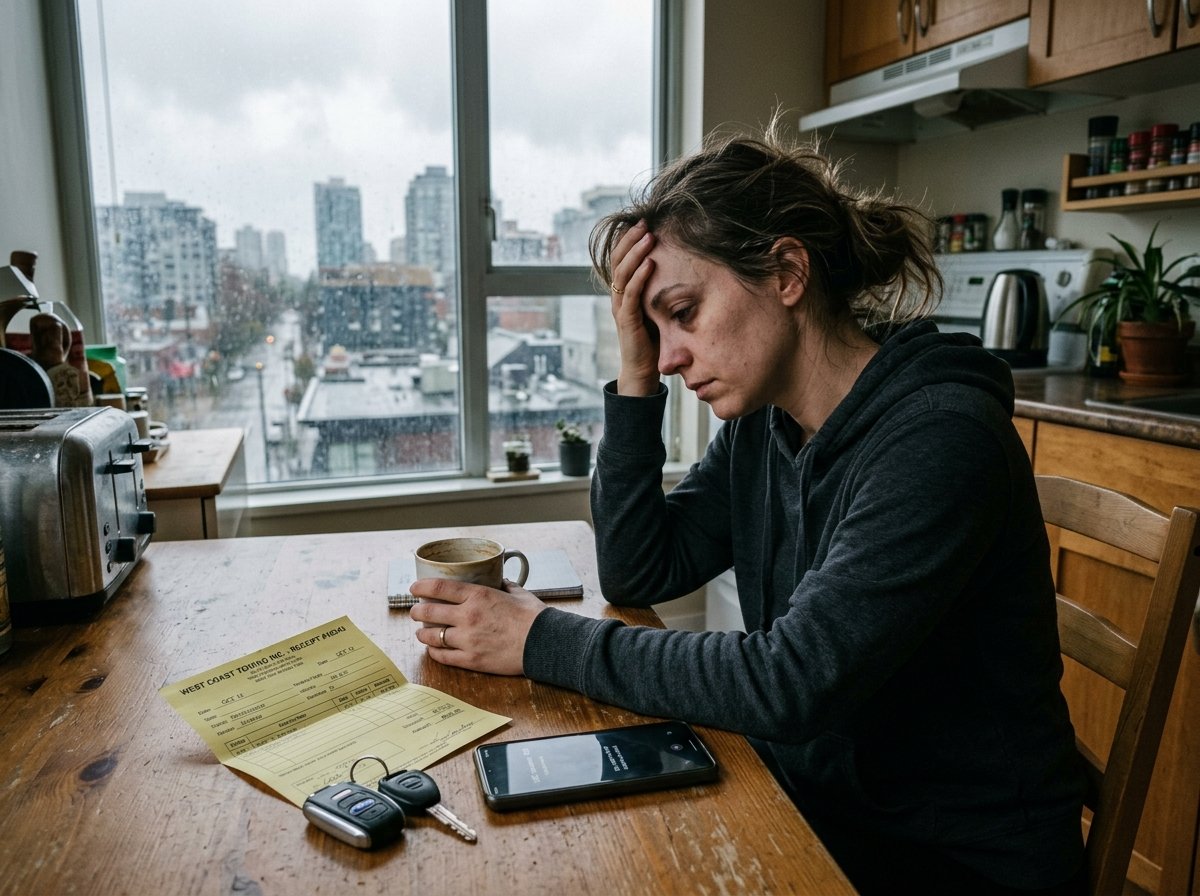
- You need a receipt for work, insurance, or records.
- You want the truck sent, but not without clear payment terms.
In this guide
- Ask for the total, payment method, and receipt type by text.
- Keep photos, the pickup address, and the drop-off address ready.
Simple version: confirm these before you say yes.
- Accepted payment methods for this exact job.
- Base rate, distance, and any after-hours fee.
- Receipt name, tax details, and invoice copy.
- What happens if you cancel after dispatch.
TL;DR: Ask Before Dispatch
- Do not guess. Ask if card, tap, or e-transfer works for your tow.
- Get the total in writing before the truck is sent.
- Save the receipt in case you need to claim or expense it.
What Payment Confirmation Means For Emergency Towing
Payment confirmation means the dispatcher tells you how you can pay, what may change the total, and how the receipt is sent. It is not just about the card machine. It is also about distance, vehicle access, and whether you need flatbed towing. For cost context, compare the fee questions in this emergency towing cost guide.
Context (what matters in this situation):
- Card or tap may depend on the driver terminal and signal.
- E-transfer may need a name, note, or confirmation screen.
- Cash may need exact change or a receipt plan.
- Insurance or work claims may need a clear invoice.
How A Payment Mix-Up Usually Starts
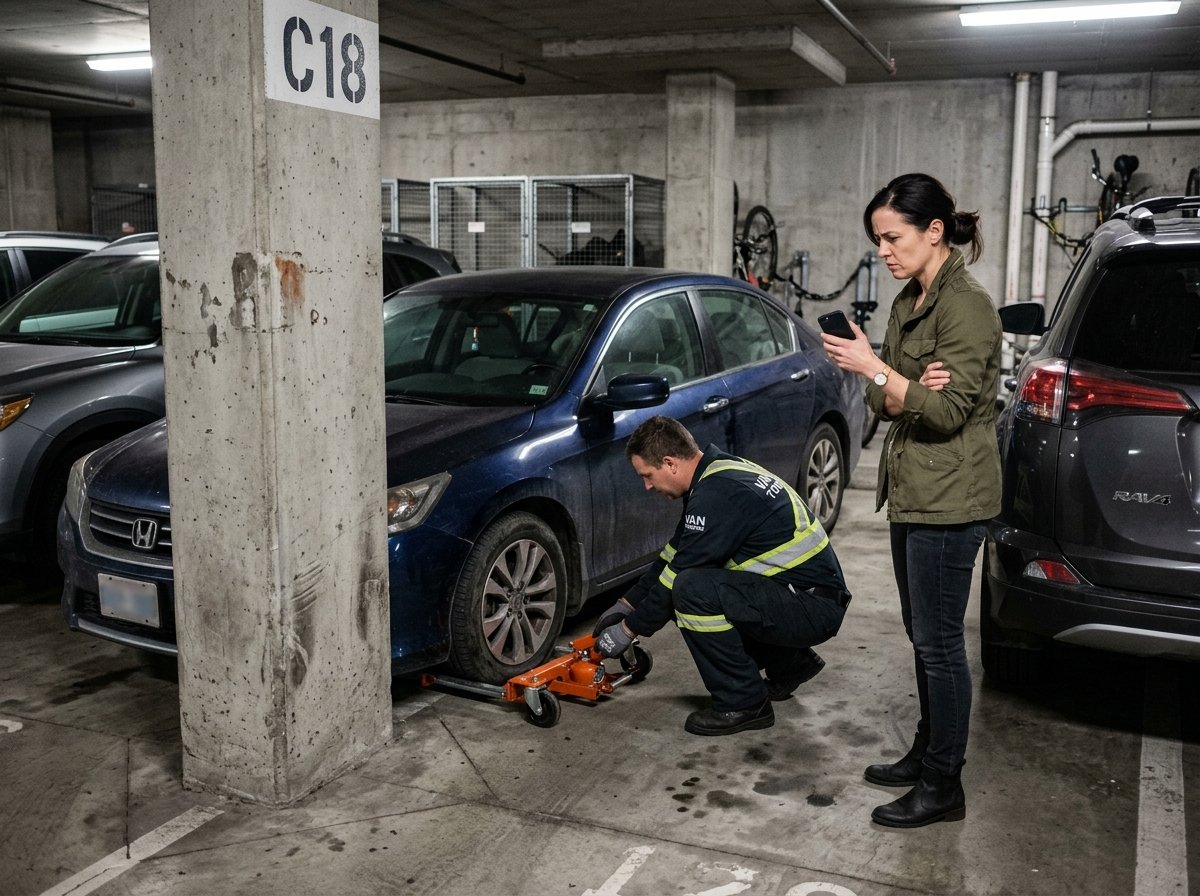
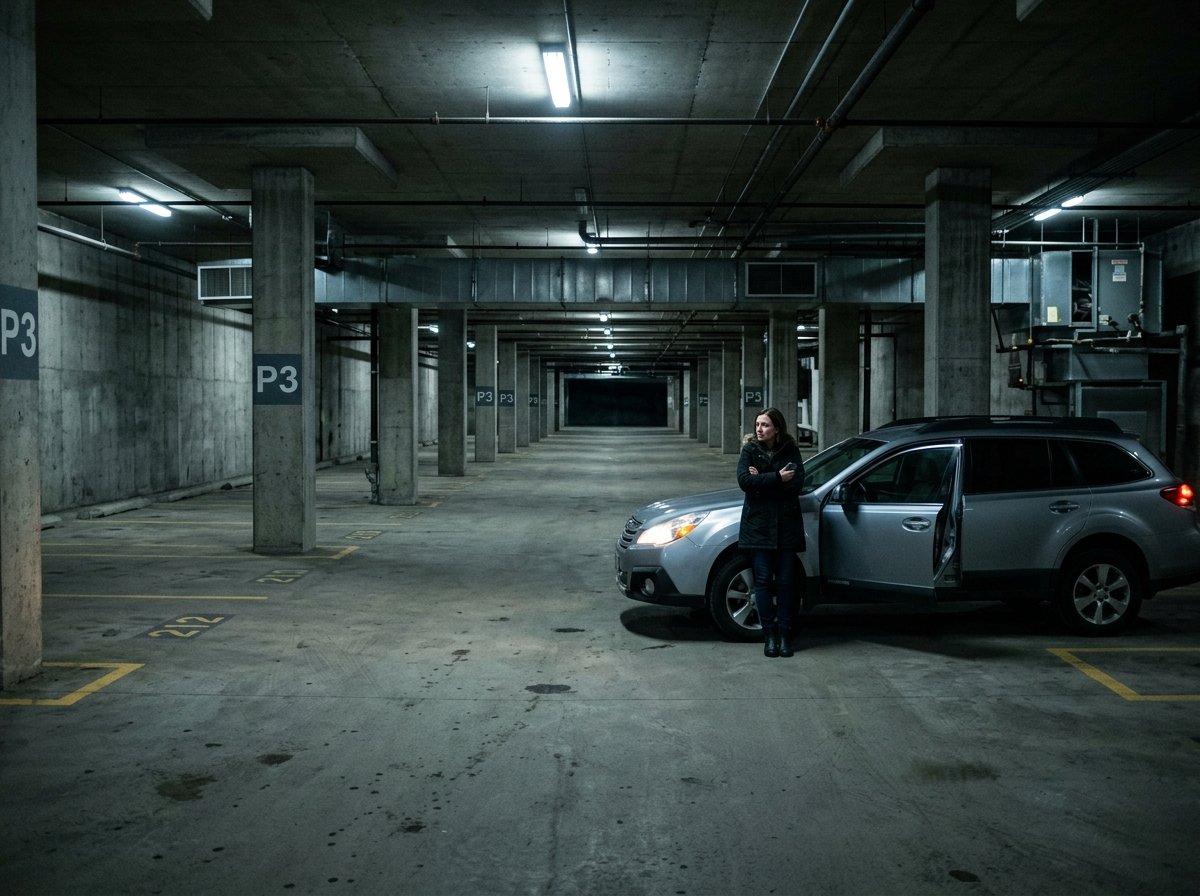
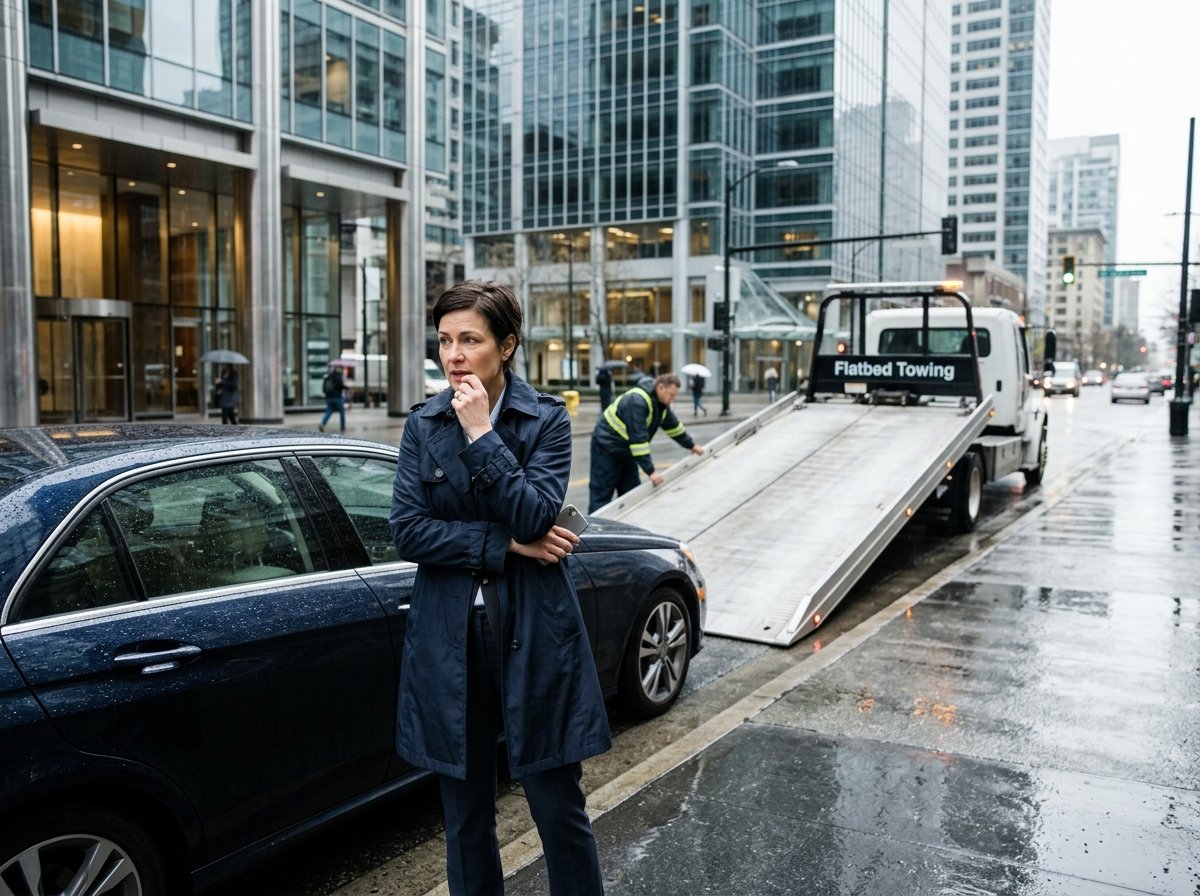
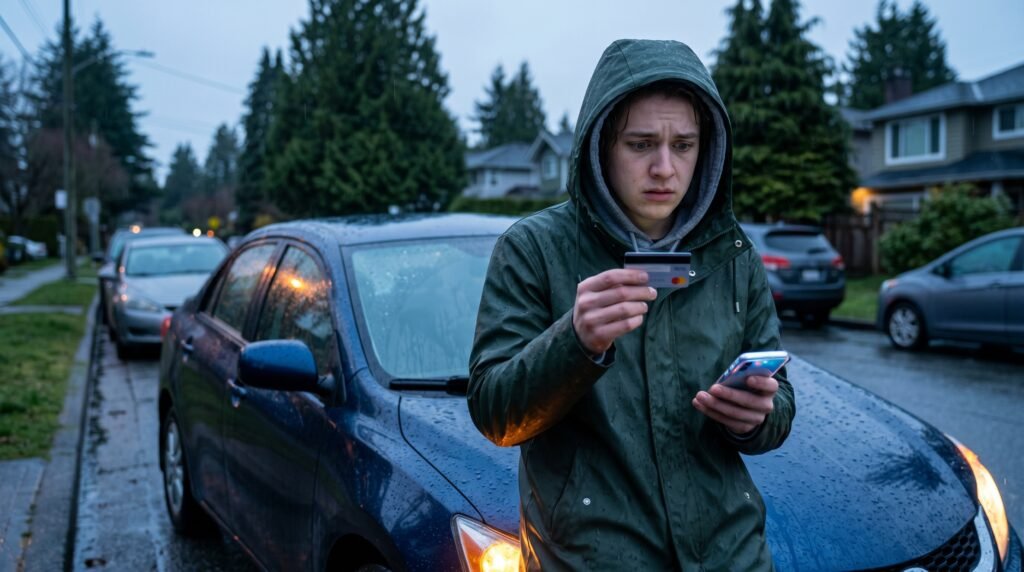
A driver is stuck downtown. They call fast, hear an ETA, and forget to ask payment questions. Later, the vehicle access is tighter than expected, so underground towing details matter. Before that happens, use the same clear check-in style from this real ETA towing guide.
What this usually looks like (real-world flow):
- The car stops in a lane, alley, parkade, or paid lot.
- The caller asks how fast the tow truck can arrive.
- The price is discussed, but payment method is not clear.
- The driver arrives and the customer asks about tap or transfer.
- Stress rises because the job is already active.
Details to confirm (so you get the right help fast):
- Ask if the same payment method works for hookup and drop-off.
- Ask if a deposit or full payment is needed before tow.
- Ask if the receipt can show pickup, drop-off, and vehicle plate.
What you should get as the outcome:
- You know what to expect before the truck leaves.
- The driver has less to sort out at the curb.
- Your receipt is easier to save and submit.
Membership, Coverage, And Hidden Payment Limits
Membership, insurance, or roadside coverage may not pay the same way as a direct tow. Some plans reimburse later, some limit the amount, and some do not cover special access. Ask before booking if your vehicle needs RV towing or another non-standard truck.
Limits / constraints (what can slow things down):
- A membership plan may have distance limits.
- A policy may need the receipt name to match the driver or owner.
- A reimbursement claim may not cover every fee.
- A third-party dispatch may not use the same price rules.
Hidden costs to watch for:
- After-hours fee.
- Parkade, tight access, or extra winch time.
- Longer distance than first shared.
- Storage, wait time, or second stop.
What To Do Before You Pay
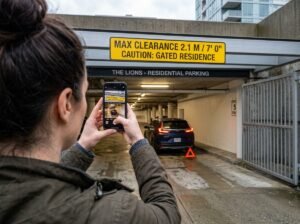
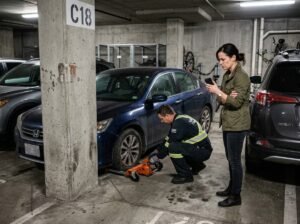
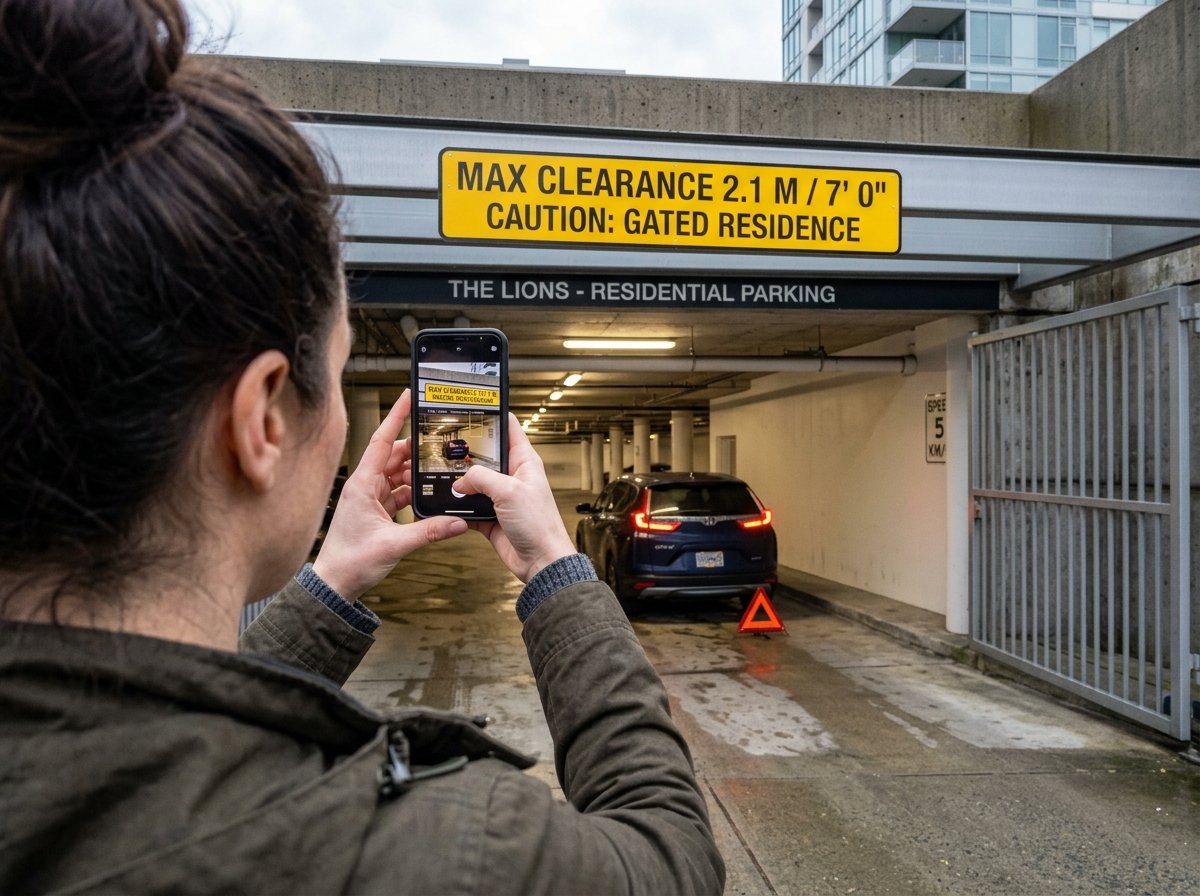
Send one clear message before you approve the job: pickup address, drop-off address, vehicle type, and preferred payment method. This helps if you are in a parkade or need special access. For tight spaces, read the parkade towing quote guide before asking about motorcycle towing or car towing.
- Ask for the total or the price range before dispatch.
- Ask what receipt you will get and when it will arrive.
Our Recommendations For Paying A Tow Bill
For small cars, ask if equipment towing is not needed so the quote stays simple.
For work vehicles, ask for a receipt with the company name before you pay.
For tap or card, ask if the driver terminal works at your pickup spot.
For e-transfer, ask for the exact recipient and memo before sending.
For cash, ask if tax and receipt details are still shown.
For any dispute, save texts, photos, and the final receipt.
Safety Steps While You Sort Out Payment
Payment can wait a minute if the spot is unsafe. Move away from traffic, keep your phone charged, and tell dispatch if a larger truck towing setup may block traffic. Your safety comes before the receipt.
A good option is:
- Stand on the sidewalk or behind a barrier when possible.
- Turn on hazard lights if the vehicle is safe to access.
- Do not stand between vehicles during hookup.
- Ask for the driver name or truck details if you feel unsure.
- Keep your payment app ready, but do not send money to the wrong contact.
Scenario 1: Heavier Vehicle Or Work Truck
If the vehicle is bigger than a normal car, payment can depend on truck type, time, and distance. Ask before dispatch if the job needs heavy duty towing. This protects you from a surprise bill after the truck arrives.
Do this:
- Share vehicle size and load details.
- Ask if the rate changes for heavier equipment.
- Confirm if payment is due before or after drop-off.
Scenario 2: Long Tow Or Special Equipment
If the tow is going far, the final bill may depend on kilometres, wait time, and route. Ask for the payment plan before booking long distance hauling. You should also say if the vehicle needs special loading.
We recommend this:
- Give the full drop-off address.
- Ask if mileage starts at pickup or dispatch.
- Ask if e-transfer must clear before the tow leaves.
Scenario 3: EV Or Low-Clearance Vehicle
For an EV, low car, or vehicle with special tow points, ask more than one payment question. Ask if the quote changes for Tesla towing or flatbed use. Send photos so dispatch can plan the right truck.
Here’s a simple path forward:
- Share make, model, and drive type.
- Ask if the car must go on a flatbed.
- Ask if the receipt can list the service type.
Suggested plan:
Step 1: Send The Job Details
Start with the pickup address, closest landmark, drop-off address, vehicle type, and payment method you prefer. If you are dealing with a camper or tall vehicle, say so before booking motorhome towing. Clear details make the quote easier to confirm.
Step 2: Share Your Location Clearly
Send a pin if you can, then type the street name, building, lot level, or nearest cross street. This helps the driver find you and helps dispatch judge access. If your phone battery is low, share the key details by text first.
Step 3: Choose The Closest Service Type
Pick the closest service type so the quote matches the truck needed. A boat, trailer, or dolly job can change loading time, payment timing, and receipt notes. Start with boat towing if the vehicle is not a normal car.
ICBC emergency roadside expenses
This resource helps if you plan to claim or repay a tow through insurance later. The ICBC emergency roadside expenses page explains why receipts and claim rules matter. Check your own policy before you assume a tow will be paid back. Save the invoice, payment proof, and job details.
Emergency Towing Payment FAQs
Can I pay for emergency towing by card?
Ask dispatch before the truck is sent. Card or tap may depend on the driver terminal, cell signal, and job type. Get the answer by text when possible.
Can I pay by e-transfer?
Maybe, but confirm first. Ask for the exact recipient name, note line, and when the transfer must clear. Do not send money until you know it is the right contact.
Should I ask for a receipt?
Yes. Ask for a receipt that shows the date, service, pickup, drop-off, and amount paid. This helps for work records, insurance, or a dispute.
Will the tow price change after I pay?
It should be clear before you approve the job. The total may change if distance, access, vehicle type, or wait time changes. Ask what can change the quote before dispatch.
What if my phone dies before payment?
Share the key details early: your name, vehicle, location, drop-off, and payment plan. Keep a charger or power bank if you can. Ask dispatch how to handle payment if your phone loses power.
Can someone else pay for the tow?
Ask before booking. A family member, employer, or fleet contact may be able to pay, but dispatch may need their name and approval. Put the payer name on the receipt if needed.