When you need emergency towing in Downtown Vancouver, a fast ETA only helps if it is honest. Ask what truck is being sent, where it is coming from, and what could slow it down. For smaller cars, light duty towing may move faster than a larger truck. The goal is a safe pickup, not a guess that sounds good.
Quick overview
- You are blocking a lane, driveway, or parkade exit.
- You were told 20 minutes, but traffic is building.
- You do not know if the driver is already dispatched.
- You need a safe place to wait without missing the truck.
In this guide
- Ask for a clear dispatch status before you book.
- Ask for text updates if calls are hard to answer.
Simple version: before you agree, confirm these four things.
- The truck type and pickup address are correct.
- The driver has enough room to load safely.
- The ETA is based on dispatch, not just a hope.
- The quote rules are clear before the truck rolls.
TLDR: How To Check If A Downtown ETA Is Real
- Ask if the driver is assigned now or still being found.
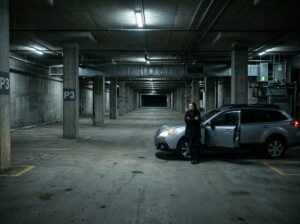
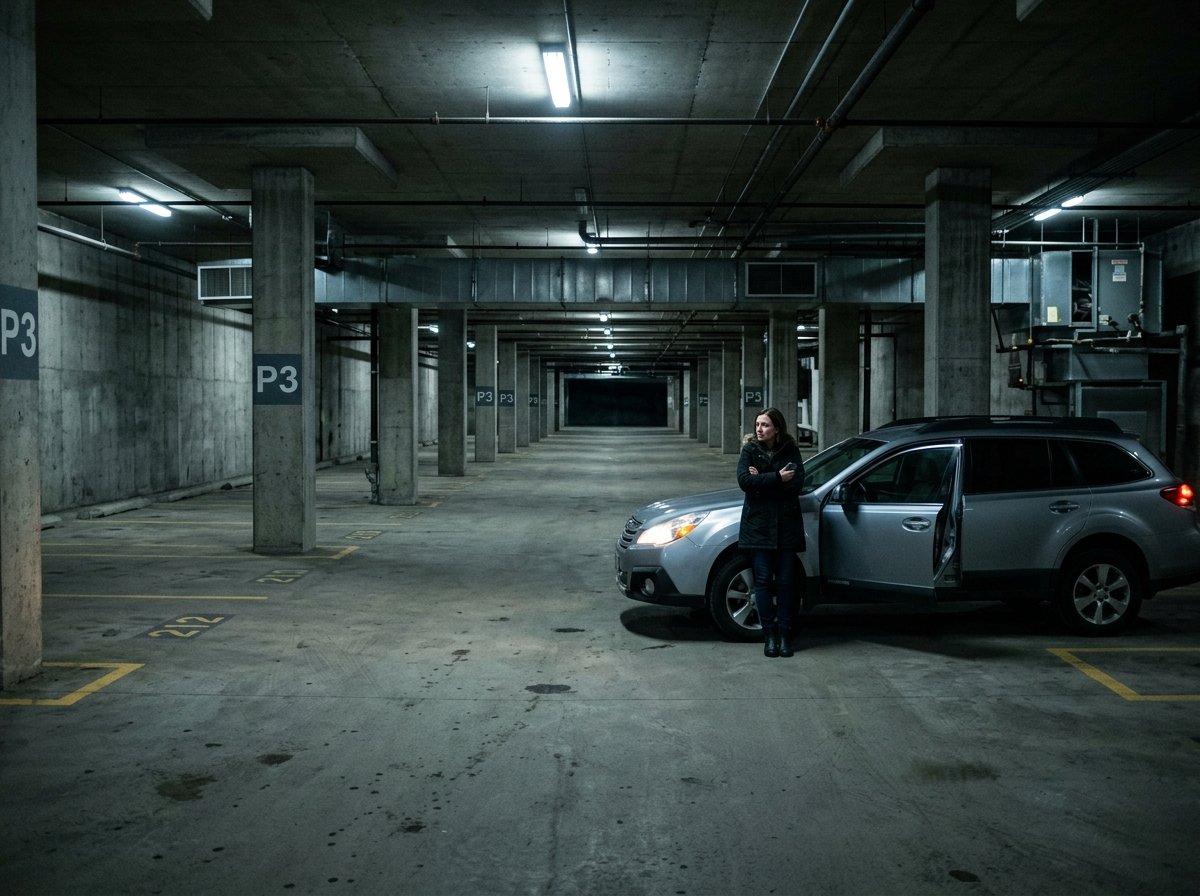
- Share the nearest cross street, lane, tower name, or parkade level.
- Confirm the fee rules before the truck is on the way.
What A Real Emergency Towing ETA Should Mean
A real ETA should mean a truck type has been matched to your car, your location has been checked, and the route is possible. If your car needs flatbed towing, say that early. If the car is below grade, ask about underground towing before dispatch. These details can change the time more than the distance on a map.
Context (what matters in this situation):
- It should be tied to your exact pickup spot.
- It should account for truck size and access.
- It should include what happens if the first route is blocked.
- It should be updated if the driver is delayed.
Why Downtown Vancouver ETAs Change Fast
Downtown towing is not only about distance. It is about lanes, towers, loading space, and traffic. If the job also has cost questions, check the emergency towing cost guide before you approve the job. A clear ETA should explain the main delay risk in plain words.
What this usually looks like (real-world flow):
- You call from a curb lane near a busy block.
- Dispatch asks for a landmark, not just the street name.
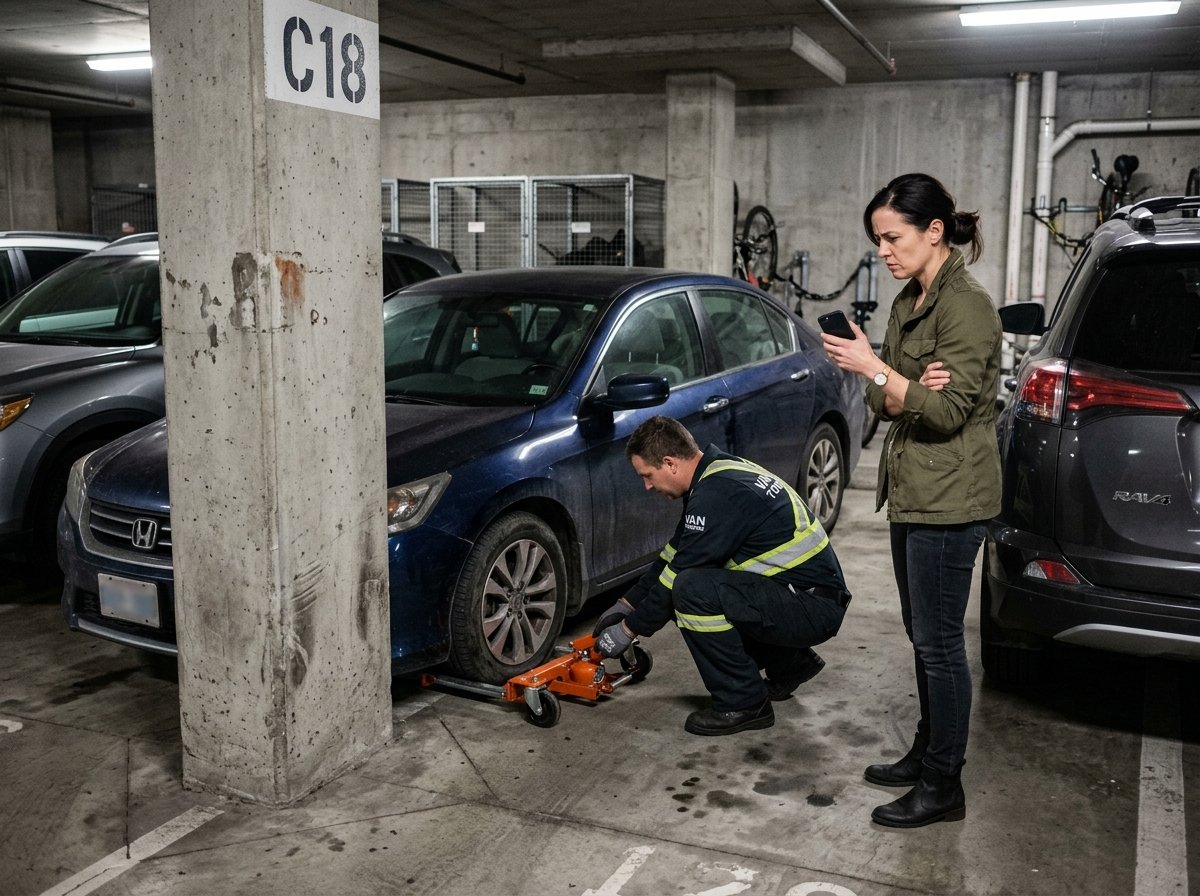
- They check whether a wheel lift, dolly, or flatbed is safer.
- They tell you what could change the arrival time.
- You keep your phone on and watch for the driver update.
Details to confirm (so you get the right help fast):
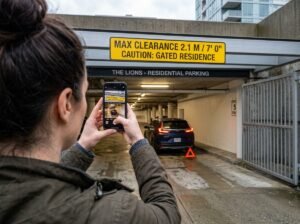
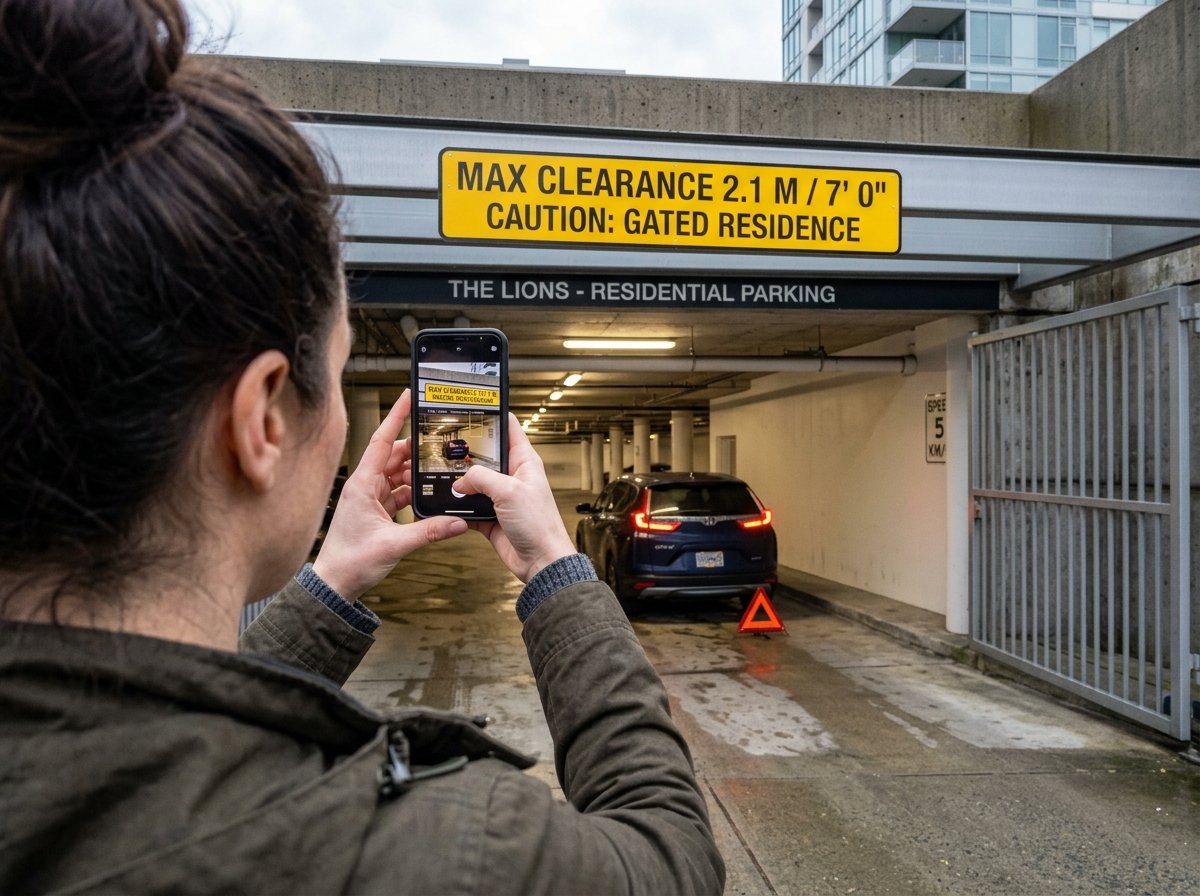
- Parkade height can rule out some trucks.
- One-way streets can add time to the route.
- No-loading zones can force a safer pickup point nearby.
What you should get as the outcome:
- You know whether help is actually moving toward you.
- You know what to do if the ETA changes.
- You avoid surprise access problems at arrival.
Membership Limits, Hidden Costs, And ETA Surprises
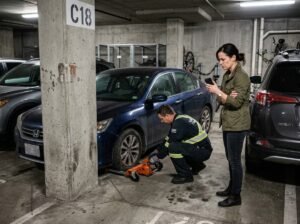
Roadside plans can help, but they may not cover every downtown case. Some plans have distance caps, access limits, or wait rules. For tight building access, the parkade emergency towing guide can help you ask better questions. Always confirm what is covered before you let the job start.
Limits / constraints (what can slow things down):
- Ask if your plan covers downtown pickup access.
- Ask if the tow distance is fully covered.
- Ask if a special truck changes coverage.
- Ask if cancellation or wait time has a fee.
Hidden costs to watch for:
- After-hours service may change the quote.
- Parkade entry or tight access may add time.
- Dollies, flatbeds, or extra equipment may change the price.
- Longer tow distance can change the final bill.
What To Do Now If You Need A Real ETA
Before you book, give dispatch the exact pickup point, car type, and what feels unsafe. If you drive an EV, ask early whether Tesla towing steps are needed. Then ask for the ETA, the truck type, and the fee rules in one message.
- Use a landmark if your pin drops in the wrong lane.
- Stay in a safe place and keep your phone on.
Our Recommendations For Real ETA Checks And Safe motorcycle towing
Send one clear pickup message with street, side of road, and landmark.
Ask if the driver is assigned before you share payment details.
Ask what truck is coming and why that truck fits.
Ask what could change the ETA before the driver arrives.
Ask for the quote rules in writing when possible.
Move only if it is safe and legal to do so.
Safety Steps While You Wait For The Tow Truck
Safety comes before speed. If the vehicle is large or blocking work traffic, ask about truck towing so the right equipment is sent. Do not stand behind the car or near moving lanes. Keep the call simple and focus on location, risk, and access.
A good option is:
- Turn on hazard lights if you can do it safely.
- Stay inside a safe building or away from traffic.
- Do not try to push the car in a busy lane.
- Share photos only when you are out of danger.
- Meet the driver from a safe spot, not the road side.
Scenario 1: You Are Stuck Near A Hotel Or Tower
Downtown towers can have loading bays, valet lanes, and tight corners. If the vehicle is bigger than a car, ask if RV towing or another larger setup is needed. The ETA is more useful when access is clear before the truck arrives.
Do this:
- Give the building name and front door side.
- Ask if the truck should use the lane or loading bay.
- Tell security or concierge if a truck is coming.
Scenario 2: You Need A Tow Out Of Downtown
If the drop-off is far from Vancouver, the ETA is only one part of the job. Ask how distance affects time and price. For longer moves, long distance hauling may be the better fit. Confirm the drop-off address before dispatch.
We recommend this:
- Share the destination before the truck is assigned.
- Ask if distance changes the quote.
- Confirm who receives the car at drop-off.
Scenario 3: Your Car Cannot Roll Or Steer
If the wheels are locked, damaged, or turned hard, the driver may need extra gear. Ask early about dolly towing so the ETA is based on the real job. This can prevent a second truck or a failed load attempt.
Here’s a simple path forward:
- Tell dispatch if the keys are missing.
- Say if the wheels are locked or flat.
- Send a photo if it is safe to do so.
Suggested plan:
Step 1: Book With The Exact Pickup Details
Start with the pickup address, cross street, vehicle type, and problem. Then confirm how payment works; the payment options guide can help you know what to ask. Clear details make the ETA more honest.
Step 2: Share A Location That A Driver Can Use
A map pin may land in the wrong lane downtown. Add the closest entrance, tower name, parkade level, or safe waiting spot. Ask the dispatcher to repeat the pickup point back to you.
Step 3: Choose The Tow Type Before The Truck Rolls
The right truck can protect the car and save time. If the vehicle is heavy, ask about heavy duty towing. If it is low, all-wheel drive, or blocked in, say that before dispatch. The ETA should match the tow type.
DriveBC road conditions
DriveBC helps drivers check road conditions, closures, webcams, and delays before they choose a route. Use DriveBC if your breakdown is near a bridge, highway ramp, or busy route into downtown. It can help you understand why an ETA may change. Still give dispatch your exact pickup point so the driver can find you.
Emergency Towing ETA FAQs
How do I know if the ETA is real?
Ask if the driver is assigned now and where the truck is coming from. A useful ETA should also include what could slow it down.
Can the ETA change after I book?
Yes. Traffic, access, and truck type can change it. If you are towing a trailer or blocked vehicle, ask about trailer towing needs before the driver leaves.
Should I wait in the car?
Only wait in the car if it is safe. If you are near traffic, move to a building, sidewalk, or other safe place and keep your phone on.
What should I send dispatch?
Send the address, cross street, vehicle type, problem, and nearest landmark. If the car is in a parkade, send the level and height sign.
Will a cheap ETA mean a cheap tow?
Not always. A low starting quote can change if distance, access, or equipment changes. Ask for fee rules before the truck is dispatched.
What if the driver cannot find me downtown?
Stay on your phone and give a simple landmark. Tell them the side of the street, building entrance, and where you can safely meet.