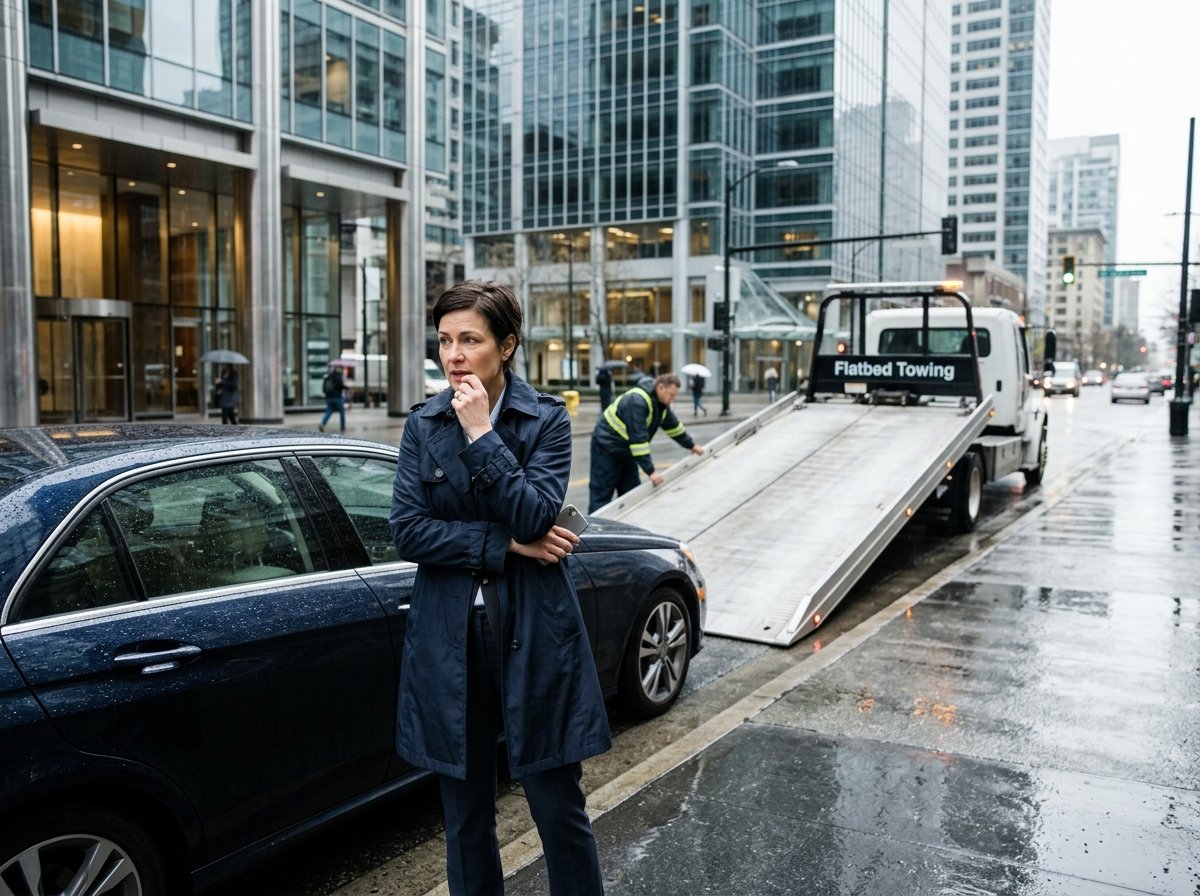
If you need towing in Vancouver and the keys are not with you, the job may still be possible. A tow company will usually ask where the car is, who owns it, whether it rolls, and where it needs to go. Some jobs are simple with flatbed towing, while others need extra care in a parkade or tight lane. The faster you give clear facts, the faster dispatch can tell you yes, no, or not yet.
Quick overview
- You cannot start or unlock the car.
- The vehicle may be in park, blocked in, or underground.
- Dispatch may need proof that the car is yours.
- Wrong truck choice can waste time and raise cost.
In this guide
- Ask what truck type fits your exact spot.
- Ask what proof or access is needed before dispatch.
Simple version:
- Yes, many cars can be towed without keys.
- A flatbed is often the safest choice.
- You may need ID, plate, and exact location details.
- Ask about lockout help before you pay for a full tow.
TL;DR
- A car without keys can often be moved if it can be reached safely.
- Tell dispatch if the car is underground, blocked, or all-wheel drive.
- Have ID, plate, address, and destination ready before you book.
Can a car be towed without keys present?
Usually yes, but not every setup is the same. A tow without keys is easier when the car is in an open lot and can roll or be loaded with light-duty towing. It gets harder when the steering is locked, the car is buried in a parkade, or another vehicle blocks the path. The goal is not just moving the car; it is moving it without damage or delay.
Context (what matters in this situation):
- Open street pickup is easier than a tight garage pickup.
- All-wheel drive vehicles often need a flatbed.
- No key plus no access can change the plan.
- Photos help dispatch choose the right truck.
What dispatch needs before saying yes
Most calls go faster when you explain the scene in order. Start with the address, then say if the car is locked, if the wheels turn, and if there is height trouble. That is why jobs near downtown often end up needing underground towing instead of a standard pickup. If the vehicle is electric, mention battery level too.
What this usually looks like (real-world flow):
- Tell them the exact pickup address and nearest landmark.
- Say whether the keys are lost, inside, or far away.
- Explain if the car rolls freely or is stuck in park.
- Mention ceiling height, gate codes, and tight turns.
- Give the drop-off address before dispatch sends a truck.
Details to confirm (so you get the right help fast):
- Share the plate, make, model, and colour.
- Say if the wheel is turned hard against a curb.
- Send a photo if the car is boxed in.
What you should get as the outcome:
- Better truck match.
- Fewer delays on arrival.
- Less chance of a second dispatch fee.
Limits, add-ons, and costs people miss
The hard part is usually not the missing key by itself. The hard part is access, wheel lock, parking rules, and the truck needed to load the car. A simple curbside call is different from a tight condo bay. If the vehicle is large, you may need heavy-duty towing or a different loading plan.
Limits / constraints (what can slow things down):
- Some locked cars need access help before loading.
- Low-clearance parkades may limit truck choice.
- Blocked wheels can slow down loading.
- Private property rules can affect pickup timing.
Hidden costs to watch for:
- Extra labour for a hard-to-reach vehicle.
- Special equipment for wheel dollies or skates.
- After-hours or parkade wait time.
- Longer route or second truck if the first one cannot fit.
What to do now before you book
First, decide whether you need a tow, a lockout, or both. If the car only needs access, that may be faster than a full tow. If it must move right away, ask whether dolly towing is the safer fit for your setup. You can also compare common fees before you book.
- Take two or three photos before you call.
- Write down the exact drop-off address and contact number.
Our recommendations
Ask if the car can roll, steer, and be unlocked.
Say if the car is in a condo, lane, or paid lot.
Have ID and plate details ready before dispatch calls back.
Ask what extra fees apply before the truck leaves.
Confirm whether the quote changes if access is worse than described.
If the vehicle is oversized, ask about truck size first.
Safety first
If the keys are missing, keep the job simple and safe. Stand somewhere visible, keep your phone charged, and do not force the steering or transmission. If the vehicle is larger than a normal car, tell dispatch early because truck towing may need more room than a standard unit.
A good option is:
- Wait in a safe place away from moving traffic.
- Turn on hazards if the battery still works.
- Do not crawl under the vehicle or try to drag it.
- Keep valuables with you before the truck arrives.
- Meet the driver with ID if the area feels secure.
Scenario 1: Keys locked inside at home
This is often the easiest case because the car is usually in a driveway or open stall. Ask whether a quick access service can solve the problem before paying for a full tow. If the car still needs to move, light-duty towing is often enough when access is clear.
Do this:
- Tell dispatch the car is locked but easy to reach.
- Have proof of ownership ready.
- Ask whether a lockout call costs less than towing.
Scenario 2: Car stuck in an underground parkade
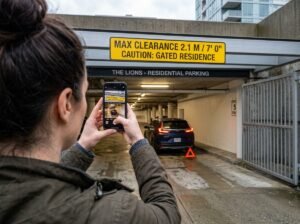
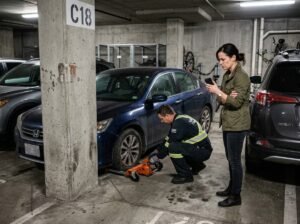
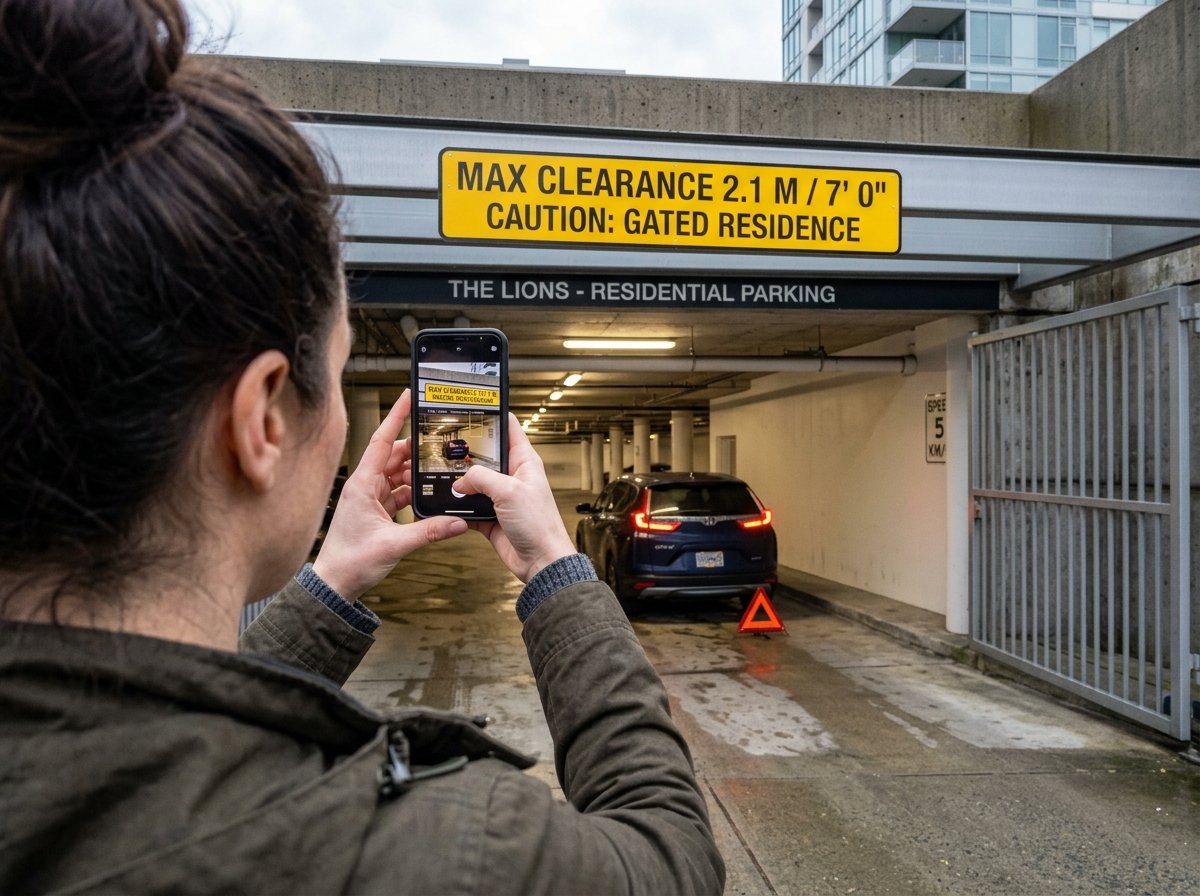
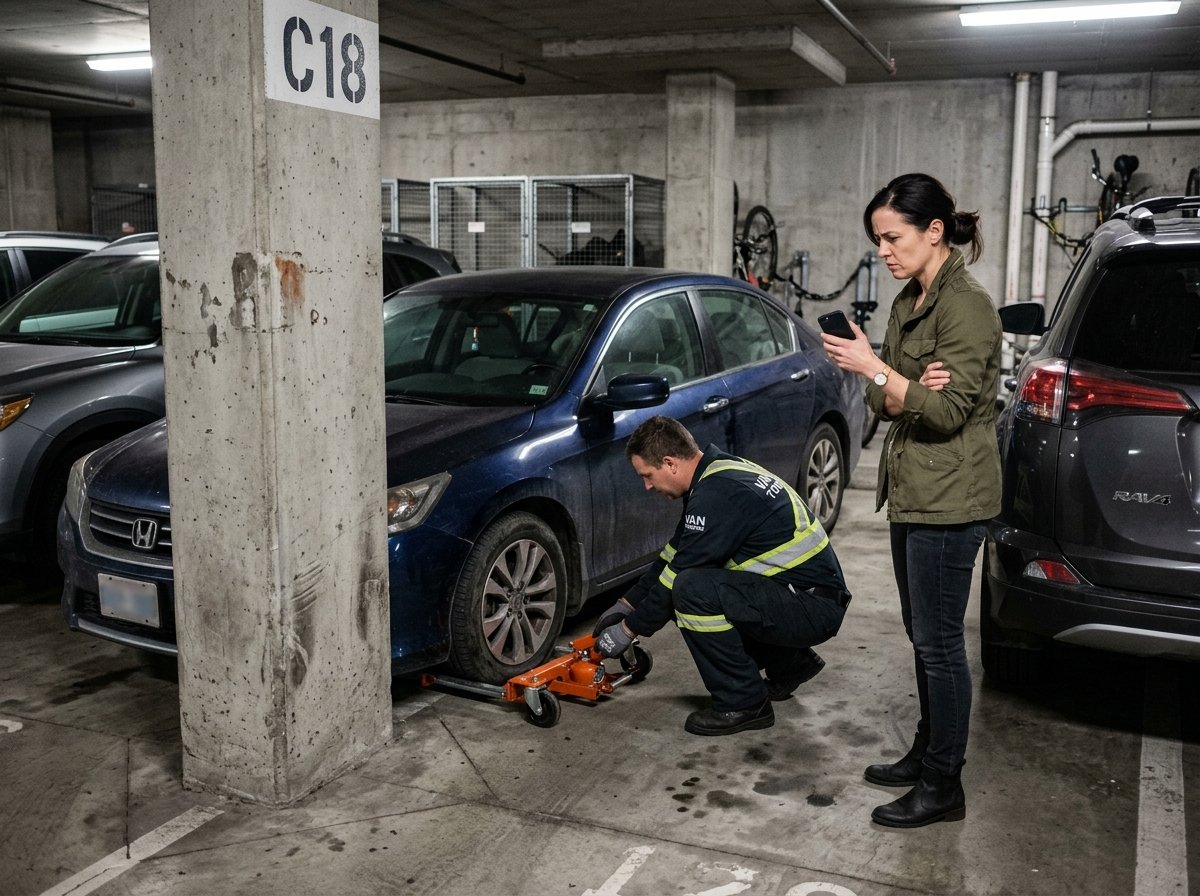
This is where missing keys can turn into a more technical job. Height limits, gates, and tight ramps often matter more than the key issue. If the truck cannot fit, the company may need underground towing tools or a different load plan.
We recommend this:
- Share the height limit and parkade level.
- Say if another car blocks the exit path.
- Send photos of the stall and ramp if you can.
Scenario 3: Vehicle needs a long move
When the car must travel farther, missing keys are only one part of the call. Dispatch also needs to know loading method, distance, and drop-off rules. For longer trips, ask whether long-distance hauling is the better fit for your vehicle size and condition.
Here’s a simple path forward:
- Confirm the full drop-off address.
- Ask if mileage changes the final price.
- Check whether the receiver must be on site.
Suggested plan:
Step 1: Book the right service
Start with the clearest service match, not just the fastest call. A job with a small car may suit light-duty towing. Give honest details so the first truck is the right truck.
Step 2: Share your exact location
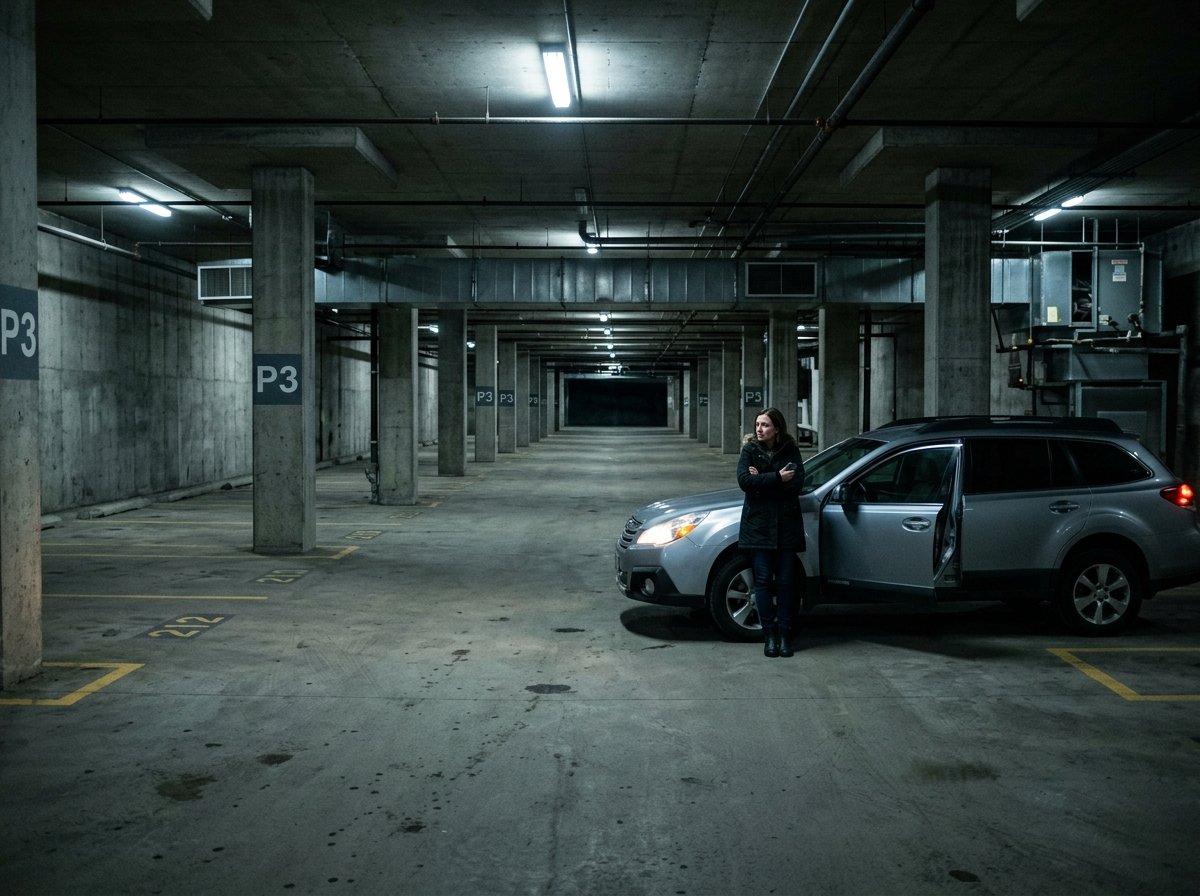
Send the full address, closest cross street, stall number, and any gate or buzzer notes. If you cannot drop a pin, send a photo of the entrance and a simple text like “P2, left at the gate, third row.” Clear directions save time when the keys are not there and the driver cannot reposition the car easily.
Step 3: Pick the best towing option
Ask which option fits the scene best. A small open pickup may work with flatbed towing. The right choice lowers risk and surprise cost.
ICBC
The ICBC website can help if you need to check driver, vehicle, or insurance details before a tow. That can save time when the keys are missing and dispatch needs clear information about the car. It is also useful if the missing keys are tied to theft, damage, or a claim question. Review it before you book so you have the right details ready.
FAQ
Can a tow truck move my car if I lost the keys?
In many cases, yes. The big question is access, not just the missing key. A car in an open spot is easier to move than one in a tight ramp or garage. Tell dispatch exactly what the scene looks like so they can choose the right setup.
Do I need proof that the vehicle is mine?
Usually, that helps a lot. Be ready with ID, plate number, and the drop-off address. If cost is your main worry, review this guide on fees to confirm before booking before you call.
Will towing without keys cost more?
Sometimes. The price can rise if the car is blocked in, stuck in park, underground, or needs extra loading tools. Ask about labour, wait time, and after-hours charges before dispatch sends the truck.
Is a flatbed better than a wheel-lift when keys are missing?
Often yes, because it can be gentler for many vehicles and easier for all-wheel drive setups. But access still matters. In tight downtown stalls, compare the space first, just like in this article on whether a flatbed fits an underground parkade.
Can you tow an electric car without keys?
Sometimes, but dispatch needs the exact make, model, and battery situation. Electric vehicles can need special handling or a flatbed. This guide on towing a Tesla to a charger shows the kind of details drivers usually ask for first.
What should I have ready before I book?
Have the pickup address, nearest landmark, plate number, car details, destination, and your callback number ready. Photos help too. The clearer you are, the faster dispatch can choose the right plan.