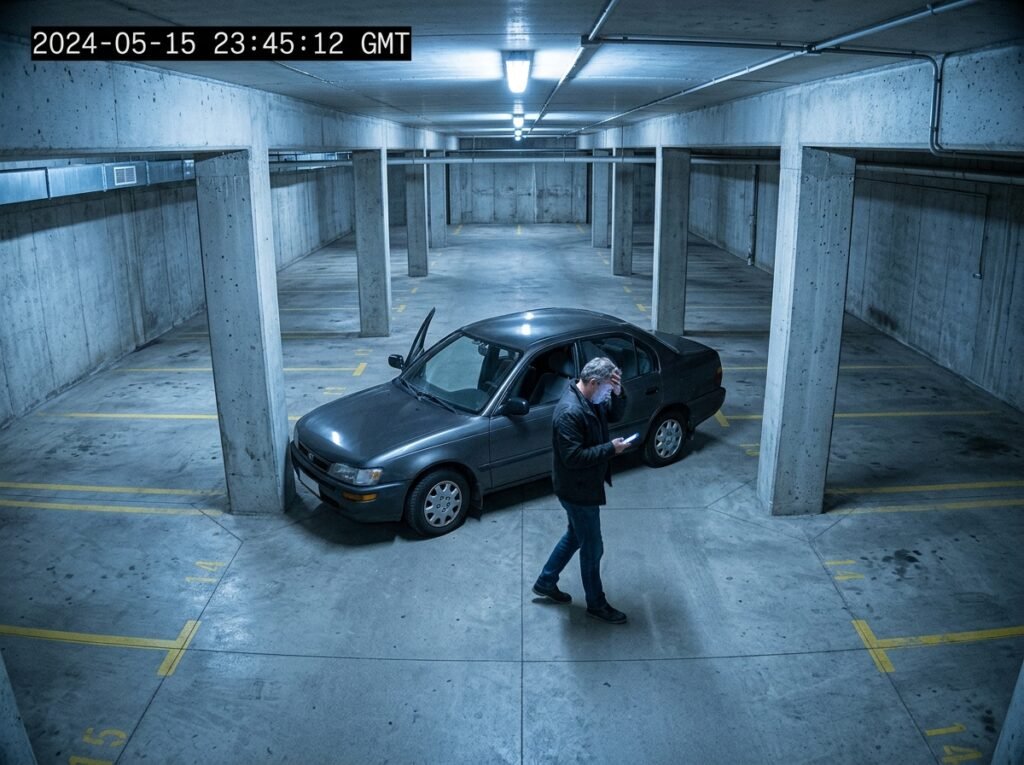
If you are stuck in a downtown parkade, the key question is not only who can arrive fast. It is whether a full flatbed towing truck can clear the entrance or whether underground towing is the safer plan. Give dispatch the posted height, ramp shape, and stall level so the right truck is sent the first time.
Quick overview
- The entrance bar may be lower than the truck.
- A sharp ramp can block a long wheelbase truck.
- Tight turns can stop loading even when height looks fine.
- Sending the wrong truck first can waste time and money.
In this guide
- Ask dispatch what truck type is being sent before the driver leaves.
- Share photos of the height bar, ramp, and your stall.
Simple version
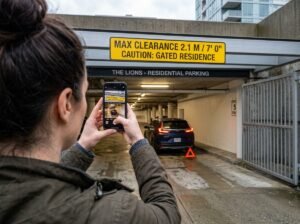
- Check the clearance bar first.
- Take 3 photos for dispatch.
- Say if the car rolls or has locked wheels.
- Ask what backup plan is ready if the truck cannot enter.
TL;DR
- A flatbed may not fit if the parkade has a low bar, steep ramp, or tight turns.
- Dispatch needs the entrance height, level, stall number, and whether the car rolls.
- Confirm truck type, total price range, and destination before dispatch locks the job.
What makes an underground parkade tow different
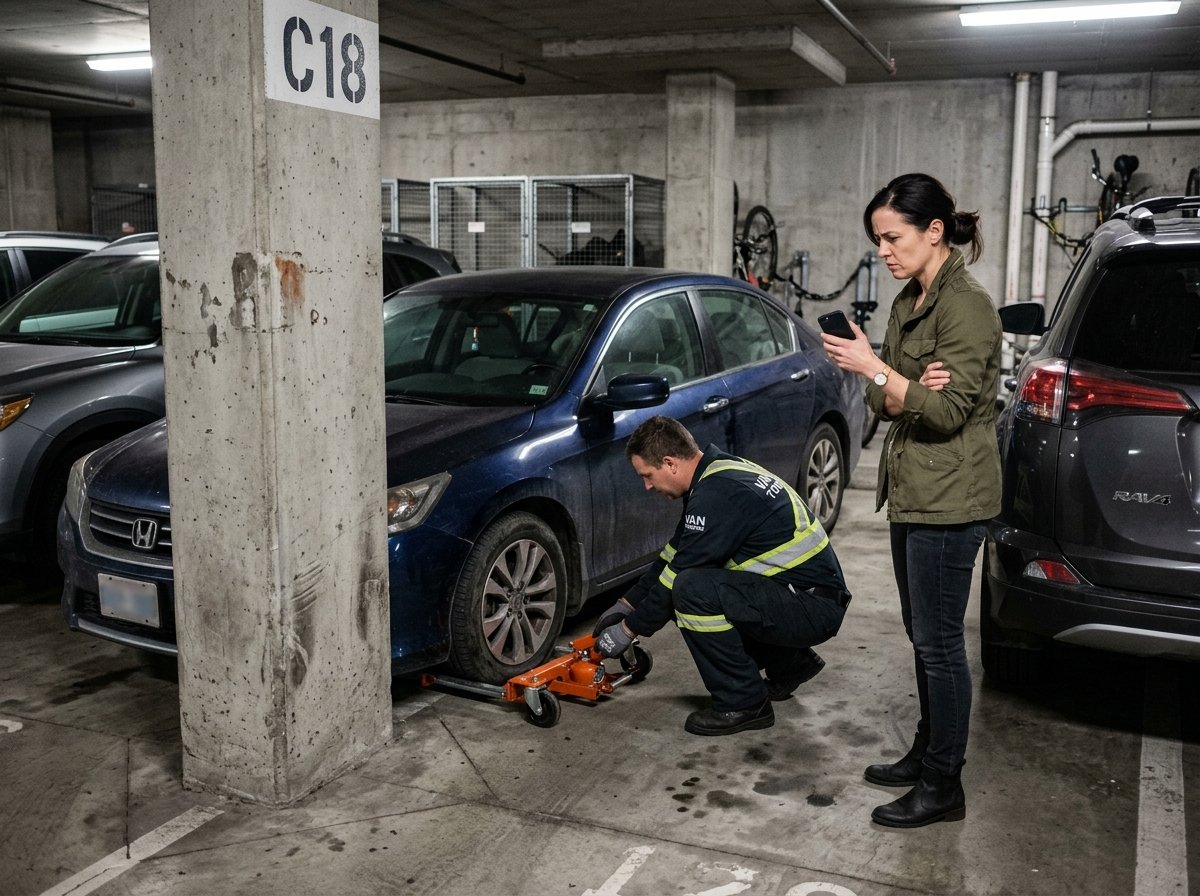
Many downtown calls start with a request for a tow, but the real job is access planning. A low-clearance parkade may need dolly towing or another low-access setup, not the same truck used on an open street. The wrong choice can lead to a second dispatch and a longer wait.
Context (what matters in this situation):
- Posted entrance height is the first filter.
- Ramp angle matters almost as much as ceiling height.
- Tight corners can stop loading even after the truck gets inside.
- Your stall position can change the whole recovery plan.
What dispatch should ask before sending a truck
A good dispatcher will narrow the job fast. For many cars, light duty towing is enough, but some garages need a lower and smaller access plan before any truck goes underground. Clear details now usually prevent a bad first dispatch.
What this usually looks like (real-world flow):
- Start with the exact garage entrance, not only the building address.
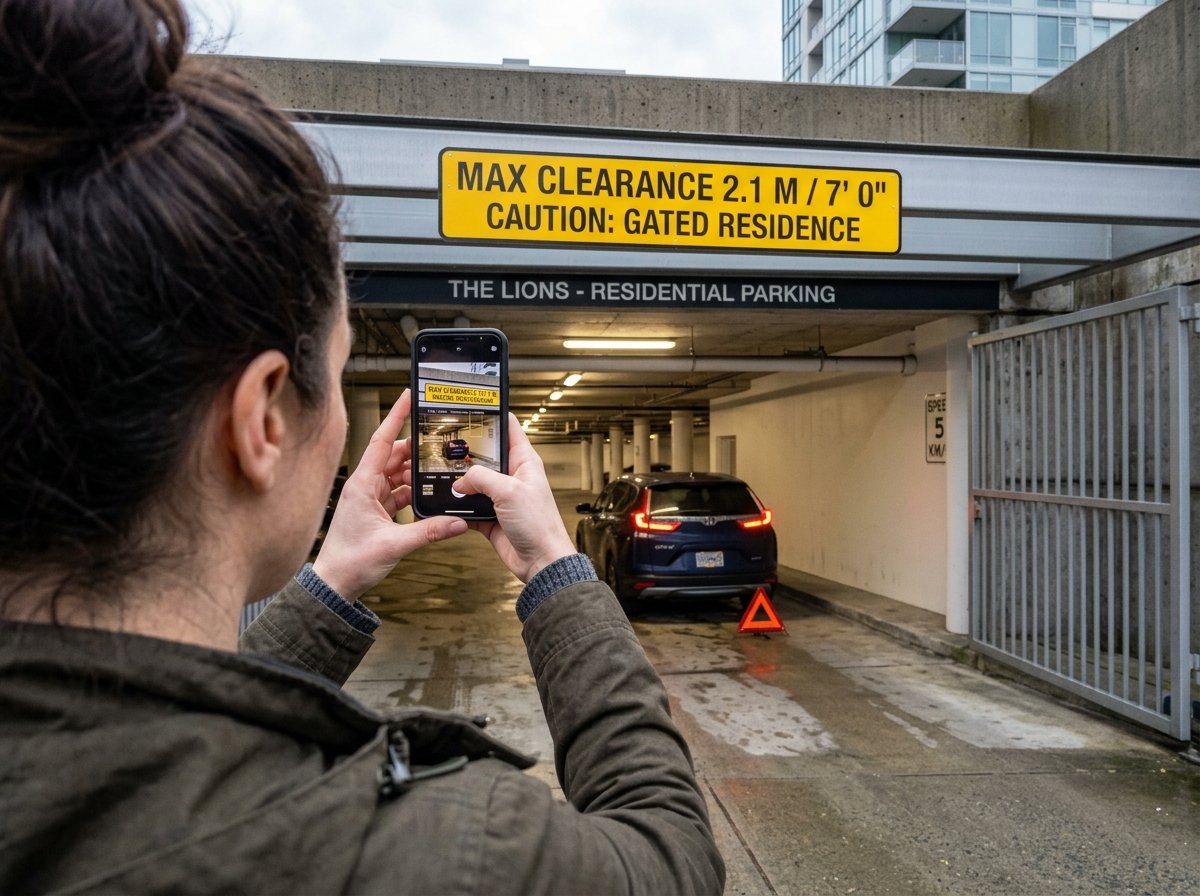
- Read the posted height sign out loud if you can.
- Say whether the car rolls, steers, and has air in the tires.
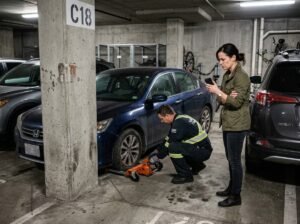
- Tell dispatch the level, stall number, and nearest pillar or elevator.
- Confirm where the vehicle needs to go after it is out.
Details to confirm (so you get the right help fast):
- Send one photo of the entrance bar.
- Send one photo of the ramp or turn.
- Send one photo of the car in the stall.
What you should get as the outcome:
- Fewer delays at the entrance.
- Better price accuracy before booking.
- Lower risk of scrape damage in a tight space.
Limits and extra costs people miss
Even if you have roadside coverage, a parkade job can still change the final bill. Read this towing rates guide before you book, because low-clearance access, extra equipment, or a second truck can add time. Ask what is covered and what is not before the driver is dispatched.
Limits / constraints (what can slow things down):
- Some plans cover a tow but not underground recovery work.
- After-hours access rules can slow the job.
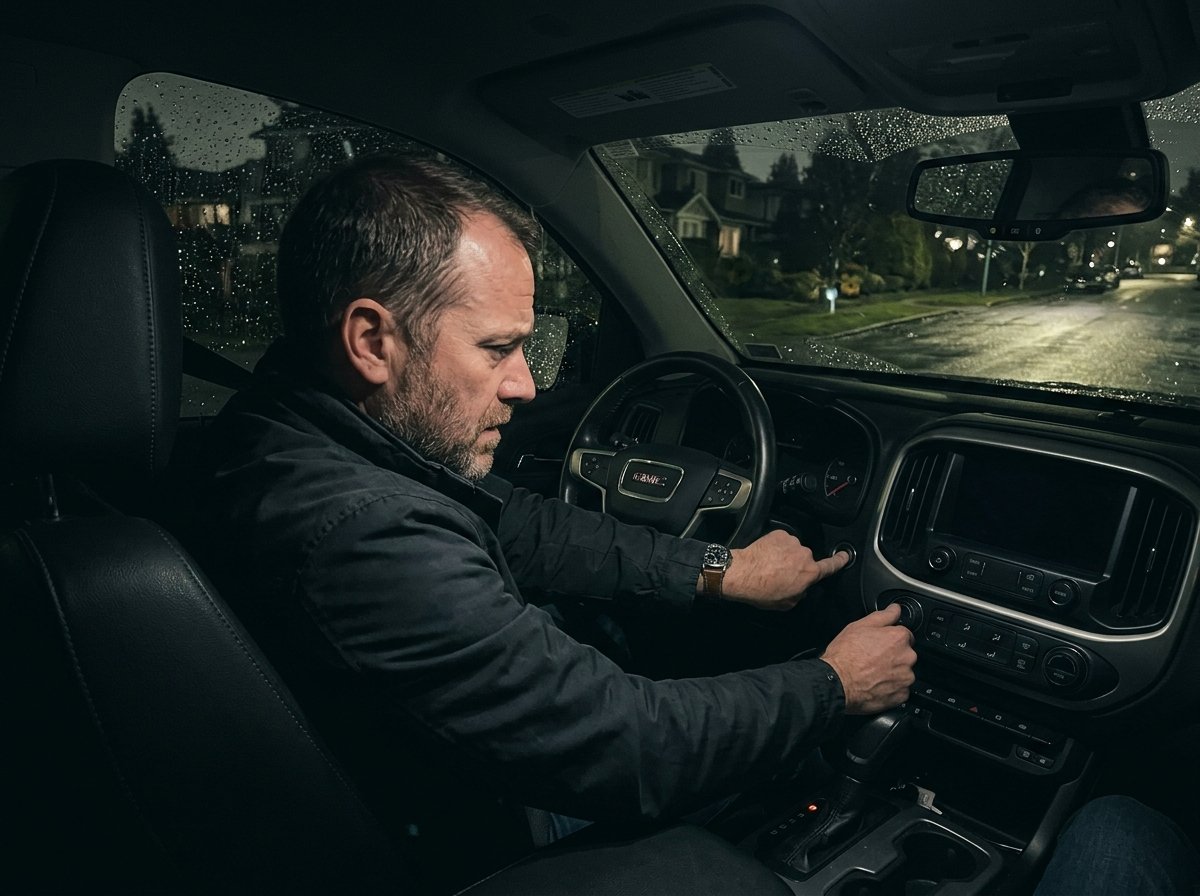
- A locked steering wheel can change the equipment needed.
- Owner presence may be required in some private garages.
Hidden costs to watch for:
- A second truck or re-dispatch fee.
- Extra labor for tight-angle winching.
- Wait time at a gate or security desk.
- Special dollies or skates for locked wheels.
What to do right now
First, stop guessing about truck size and start gathering facts. If you drive an EV, this note on towing a Tesla to a charger also shows why the truck choice matters before dispatch sends help.
- Take a clear photo of the entrance height bar.
- Move the car only if it is safe and you are told to do so.
Our recommendations for downtown parkade calls
Lead with the posted height, not just your address.
Tell dispatch if the wheels are locked or the car will not steer.
Mention roof racks, cargo boxes, or a lifted suspension right away.
Ask which truck is planned and what backup option is ready.
Confirm the full destination before the job is locked.
Keep your phone close in case the driver needs a gate code or lane detail.
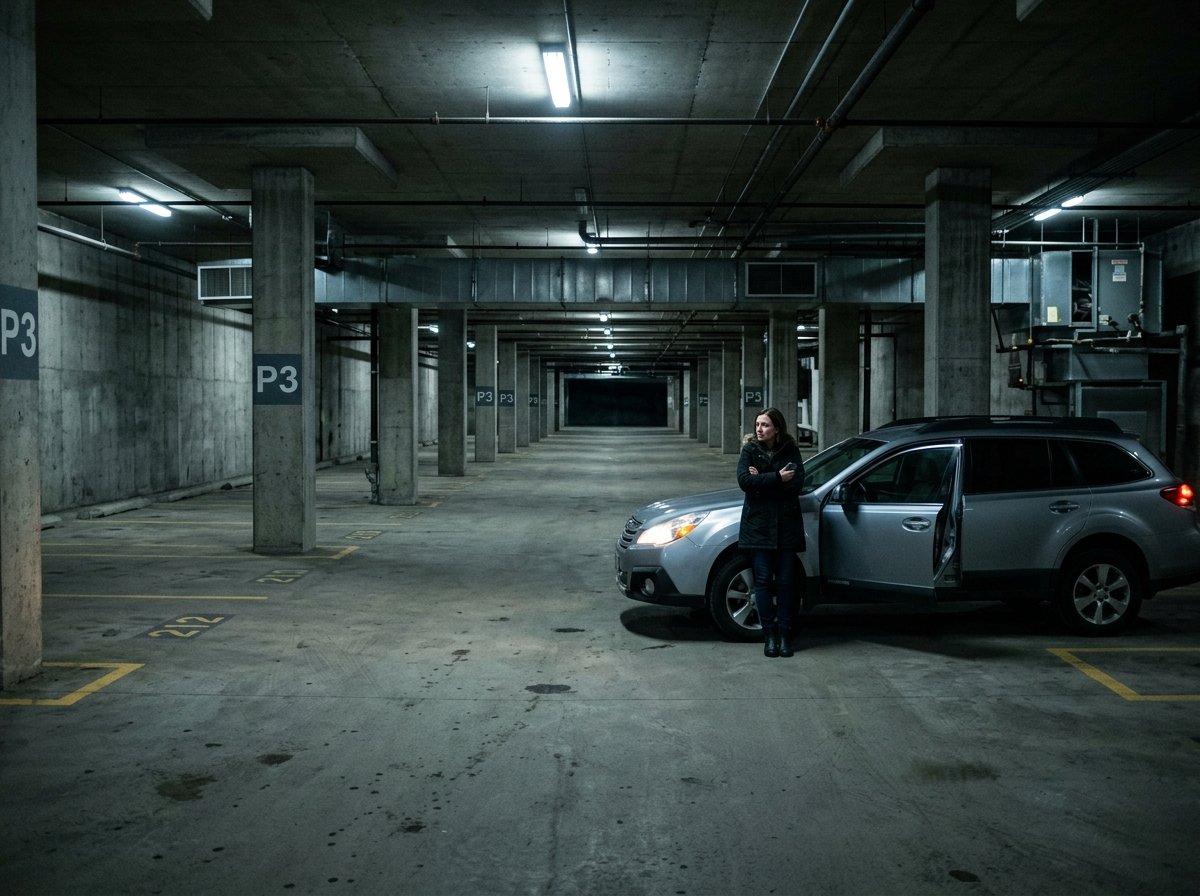
Stay safe while you wait
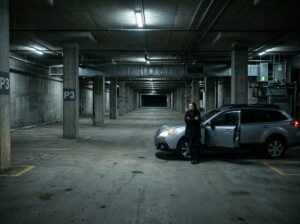
Stay visible and keep clear of the ramp. If the disabled vehicle is a bike, ask for motorcycle towing instead of a car setup. For any vehicle, wait away from moving traffic and blind corners inside the garage.
A good option is:
- Turn on hazard lights if the battery allows.
- Stand off to the side, not behind the car.
- Do not crawl under the vehicle or push it on a slope.
- Keep kids and pets away from the ramp and lane.
- Have your phone ready for driver or security calls.
Scenario 1: The ceiling is very low at the entrance
If the height bar looks close, say that before a truck is sent. An EV may still need Tesla towing, but the access method matters as much as the brand. The goal is to avoid sending a tall truck that has to turn away at the entrance.
Do this:
- Read the posted height exactly as shown.
- Send a photo of the bar and the ramp together.
- Say if the vehicle rolls freely.
Scenario 2: It is a tall pickup, van, or full-size SUV
A bigger vehicle changes the plan fast. In that case, truck towing or a different exit plan may be needed, especially if mirrors, roof gear, or a dead steering wheel reduce your room.
We recommend this:
- Mention any lift kit or oversize tires.
- Say if there is a roof box, ladder rack, or cargo on top.
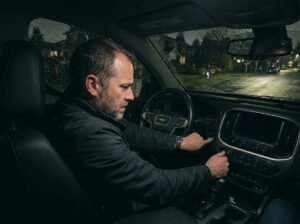
- Tell dispatch if the steering is locked.
Scenario 3: The vehicle has a trailer or rear carrier attached
If the car has a small trailer, cargo tray, or hitch carrier attached, say that upfront. A call like this can shift from a simple car pull to trailer towing or a split recovery plan.
Here’s a simple path forward:
- Share the total length if you know it.
- Say whether the trailer is loaded.
- Ask if the attachment should be removed first.
Suggested plan:
Step 1: Book with the right details
When you call, say ‘underground parkade, downtown Vancouver,’ then share the garage name, level, and whether the car rolls. If the keys are missing, this guide on towing a car without keys will help you explain the problem clearly.
Step 2: Share the exact entrance
Send a pin to the correct garage entrance, not only the building front. Add the clearance bar photo, stall number, and lane name if there are multiple entries.
Step 3: Confirm the truck plan
Ask which truck is being sent and what backup plan is ready if the first truck cannot enter. For larger vans or loaded rigs, heavy duty towing or an outside pull may be safer. Confirm the destination before dispatch locks the job.
City of Vancouver parking by-law section
This City of Vancouver parking by-law section helps you understand why posted height bars and access layout matter before a tow truck enters a parkade. It outlines clearance and access rules used in local parking design. Use it to compare the sign at the entrance with what you tell dispatch. That can help avoid sending the wrong truck first.
FAQ
Can a flatbed fit in most underground parkades?
Not always. Height, ramp angle, and turning room all matter. If you drive an EV, ask whether Tesla towing is possible with the garage access you have, because the tow method matters as much as the destination.
What should I text dispatch first?
Start with the garage name, exact entrance, posted height, level, stall number, and whether the car rolls. Three photos usually help more than a long description.
Will roadside coverage pay for a parkade tow?
It might cover part of it, but not every underground recovery detail. Ask whether low-clearance access, extra labor, or a second dispatch is excluded before you approve the job.
Can my car be towed without the keys in a parkade?
Sometimes yes, but the equipment and loading steps may change. Tell dispatch if the steering is locked, if the gear selector is stuck, and if the parking brake is on.
Do I need to stay with the vehicle?
In many cases, yes, especially in a private garage with security or gate access. If you must leave, ask what photos, payment step, or written approval is needed first.
Can I move the car to a better spot before the tow truck arrives?
Only do that if it is safe and the vehicle still rolls and steers. A small move to a wider area can help, but pushing a disabled car on a slope can be risky.