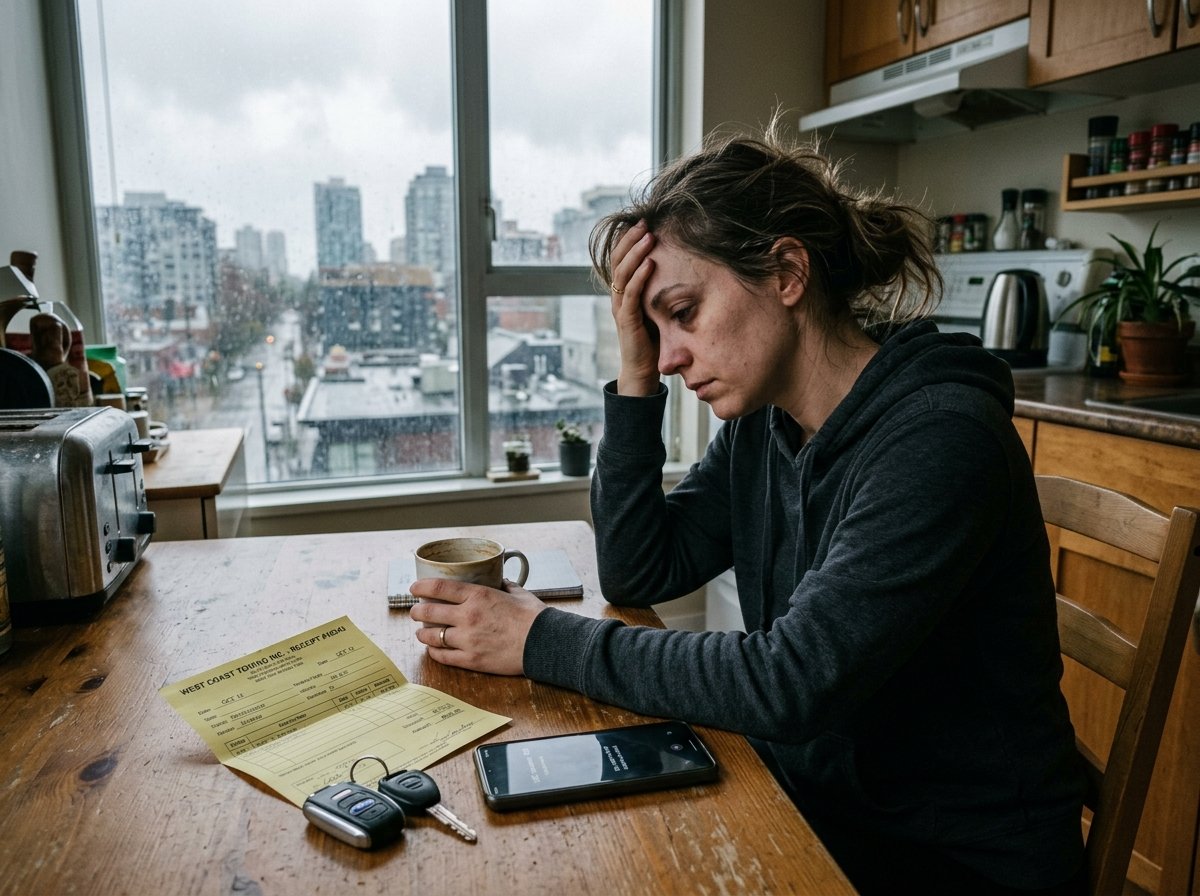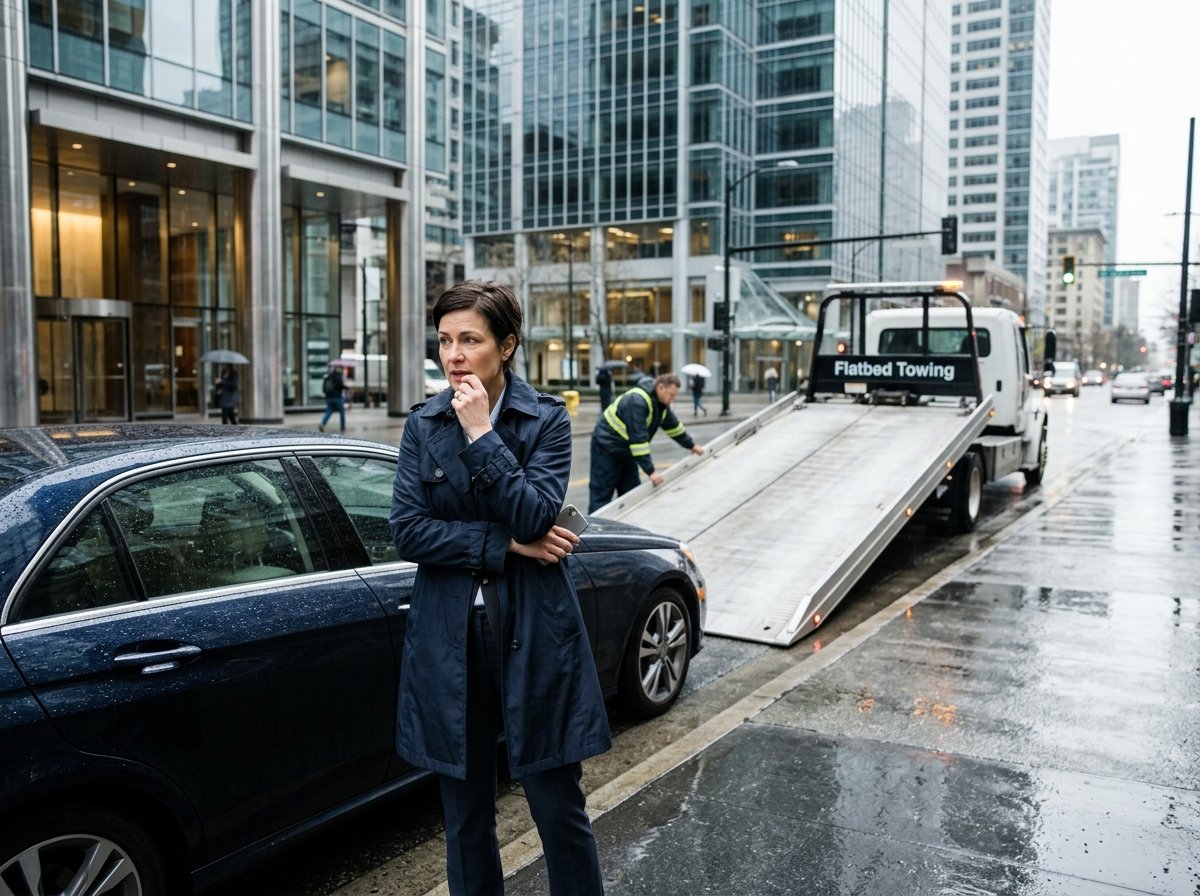
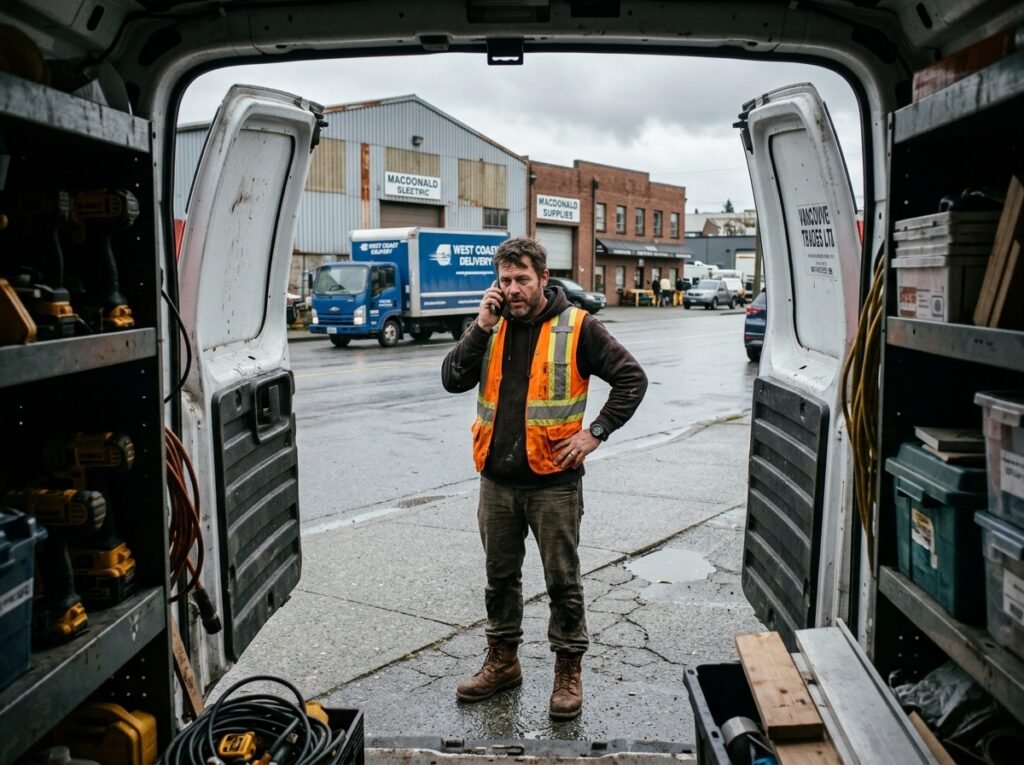
A low quote can rise fast when dispatch learns the car is stuck in a parkade, blocked by another vehicle, or needs more than a boost. Before you book roadside assistance in Vancouver, share the exact problem, location, vehicle type, and access limits. If you are in a condo or tight ramp, these parkade dispatch questions can help you explain the job clearly.
Quick overview
- You got one price, then dispatch asked new questions.
- You are not sure if this is a simple roadside call or a tow.
- Your car is in a parkade, lane, loading zone, or no-stopping area.
- You want to avoid surprise fees before the driver rolls.
In this guide
- Clear job details usually make the quote more stable.
- A short call now can prevent a bigger bill later.
Simple version:
- Tell dispatch what failed: battery, tire, fuel, lockout, or no-start.
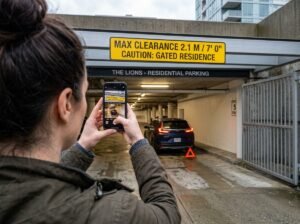
- Say where the car is parked and if height or gate access is tight.
- Mention SUV, EV, AWD, lifted, lowered, or loaded vehicles.
- Ask what would make the price change before the truck is sent.
TL;DR
- Your quote can change if the job becomes towing, not simple roadside help.
- Parkades, blocked wheels, large tires, and bad access often raise the final bill.
- Give full details before dispatch and ask about add-ons, wait time, and cancellation.
What changes a roadside quote before dispatch
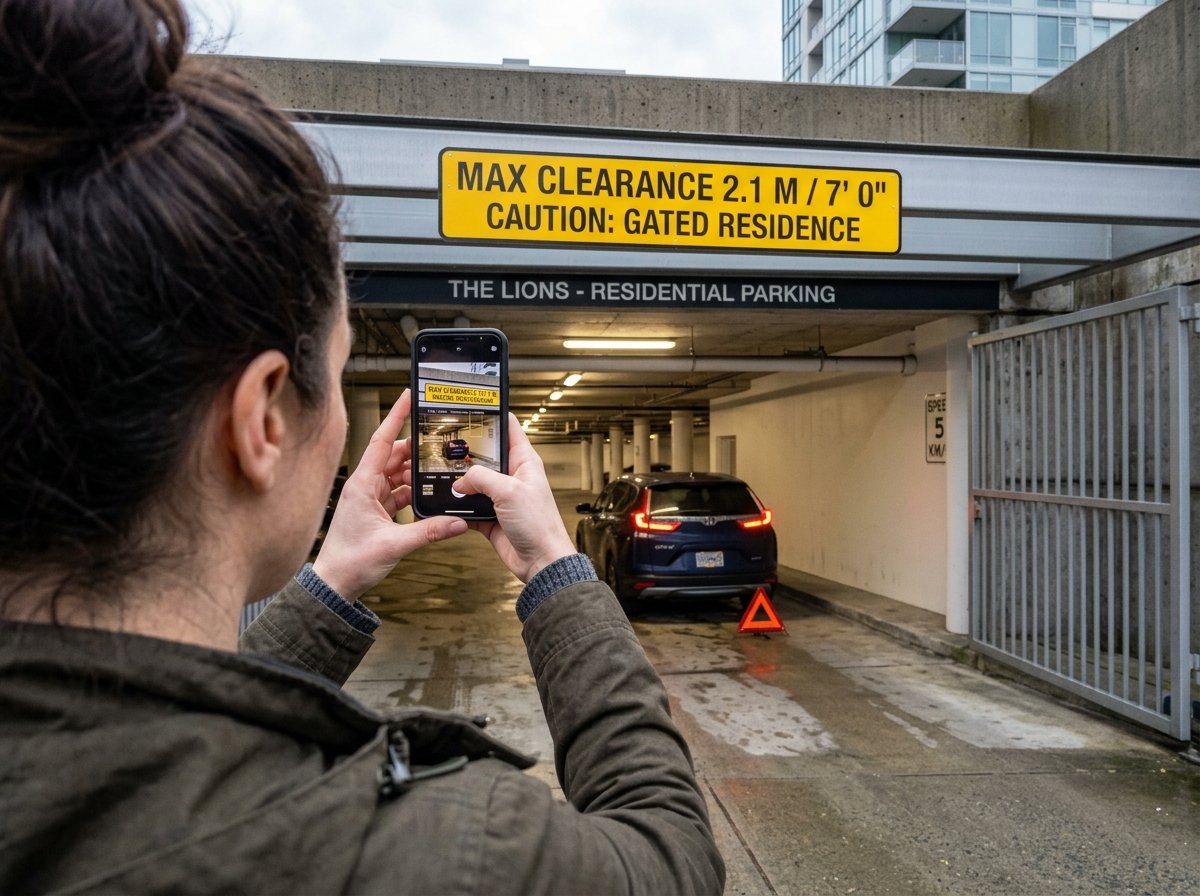
Most quote changes happen when the first problem description is too small for the real job. A dead battery in an open lot may be simple, but a no-start in a low-clearance ramp can need underground towing services or flatbed towing services instead of a quick boost. The more exact you are at the start, the less likely the price will shift later.
Context (what matters in this situation):
- Access: parkade height, gate code, alley, lane, shoulder, or busy street.
- Vehicle: EV, AWD, work van, pickup, trailer, or low-clearance car.
- Condition: flat tire, broken wheel, locked steering, dead battery, or no keys.
- Timing: rush hour, late night, rain, snow, or holiday demand.
How quote changes happen in real life
The job often starts with one short problem, then grows after dispatch checks access, safety, and the right truck type. That does not always mean the first quote was wrong. It usually means the first details were incomplete.
What this usually looks like (real-world flow):
- Caller says the battery is dead.
- Dispatch learns the vehicle is inside a tight downtown parkade.
- The car is AWD and cannot be moved by hand.
- A standard roadside unit may not fit or may not be enough.
- The service changes, and the final quote changes with it.
Details to confirm (so you get the right help fast):
- Extra setup time can matter.
- Special gear or a second truck can matter.
- Waiting for access or key handoff can matter.
What you should get as the outcome:
- The best quotes come from full details, not fast guesses.
- Photos help when the location is hard to explain.
- Ask what truck type dispatch expects to send.
Why cheap quotes and memberships can still leave extra charges
A cheap starting number may only cover a basic event. If the call turns into a blocked-wheel move, a long wait, or work that needs dolly towing services, the final bill can change. Before you lock in the job, read these notes on canceling later without a fee so you know what to ask first.
Limits / constraints (what can slow things down):
- Some memberships cover one kind of roadside event, not every kind of recovery.
- Distance caps may apply if the vehicle must be moved farther than expected.
- Passenger-car pricing may not fit vans, trucks, or loaded vehicles.
- After-hours or unsafe locations can change dispatch rules.
Hidden costs to watch for:
- Extra labor for blocked access or hand-pushing.
- Extra gear for AWD, EV, lowered cars, or damaged wheels.
- Extra wait time for gate access, keys, or owner arrival.
- Extra travel if the pickup point changes after booking.
What to do before you approve dispatch
Slow the call down for one minute and confirm the details that move price. If there is any chance the job becomes towing, say that up front so dispatch can judge whether light duty towing services may be needed instead of a basic roadside visit. That one step can save time and stress.
- Ask what exact service is included in the quote.
- Ask what site, vehicle, or timing details would raise the price.
Our recommendations before you book
Send your exact pin, nearest cross street, and stall or ramp level.
Say if the vehicle is an EV or low-clearance car. That can change the truck choice, especially if Tesla towing services may be safer.
Tell dispatch if another car is blocking access.
Take one wide photo and one close photo before the truck is sent.
Ask if you should stay with the vehicle or wait in a safer spot.
Get the cancellation rule before you say yes.
Safety first while you wait
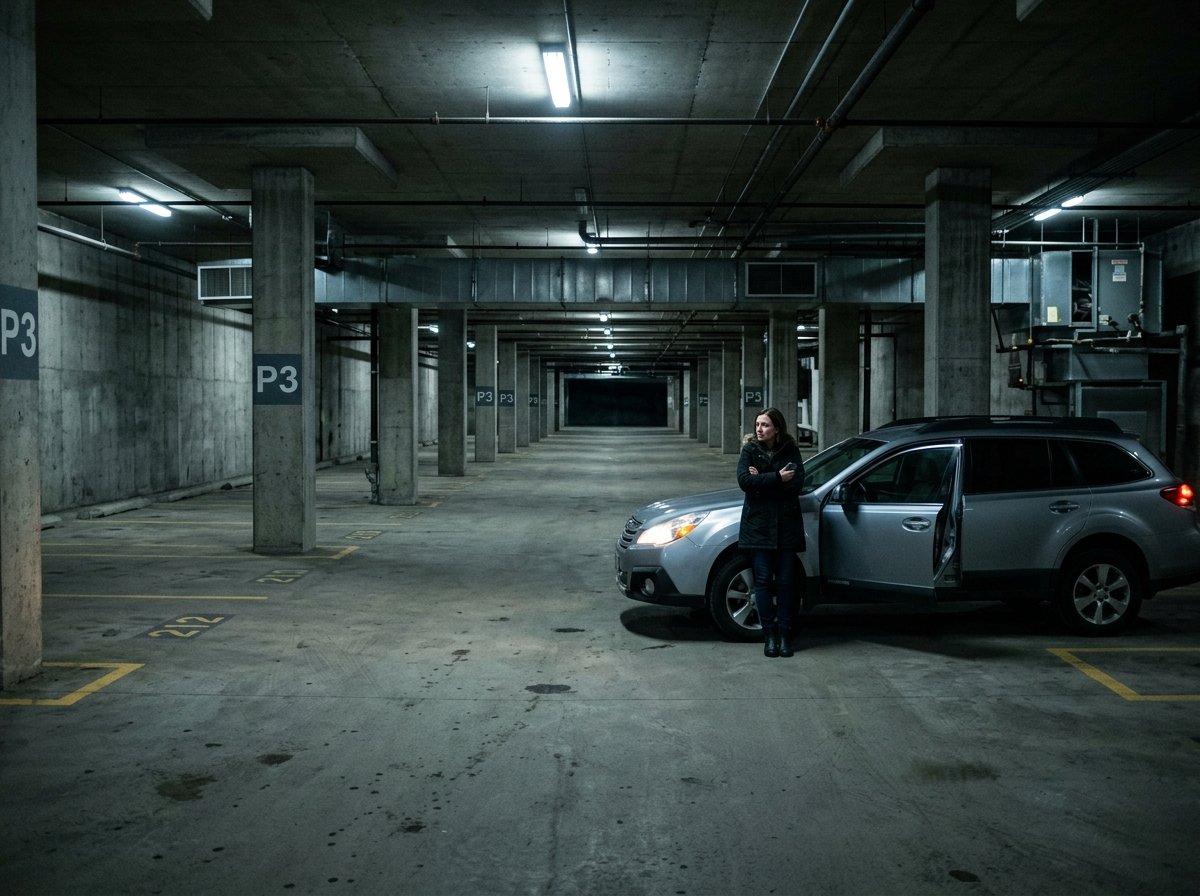
Your first job is to stay visible and stay out of traffic. Price matters, but safety comes first.
A good option is:
- Turn on hazard lights right away.
- Move to a safe spot if the vehicle can still roll.
- Do not stand between the car and live traffic.
- Keep your phone charged and stay reachable.
- Tell dispatch if the spot feels unsafe or fast-moving.
Scenario 1: Flat tire in a tight condo parkade
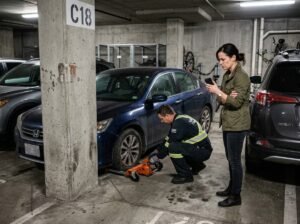
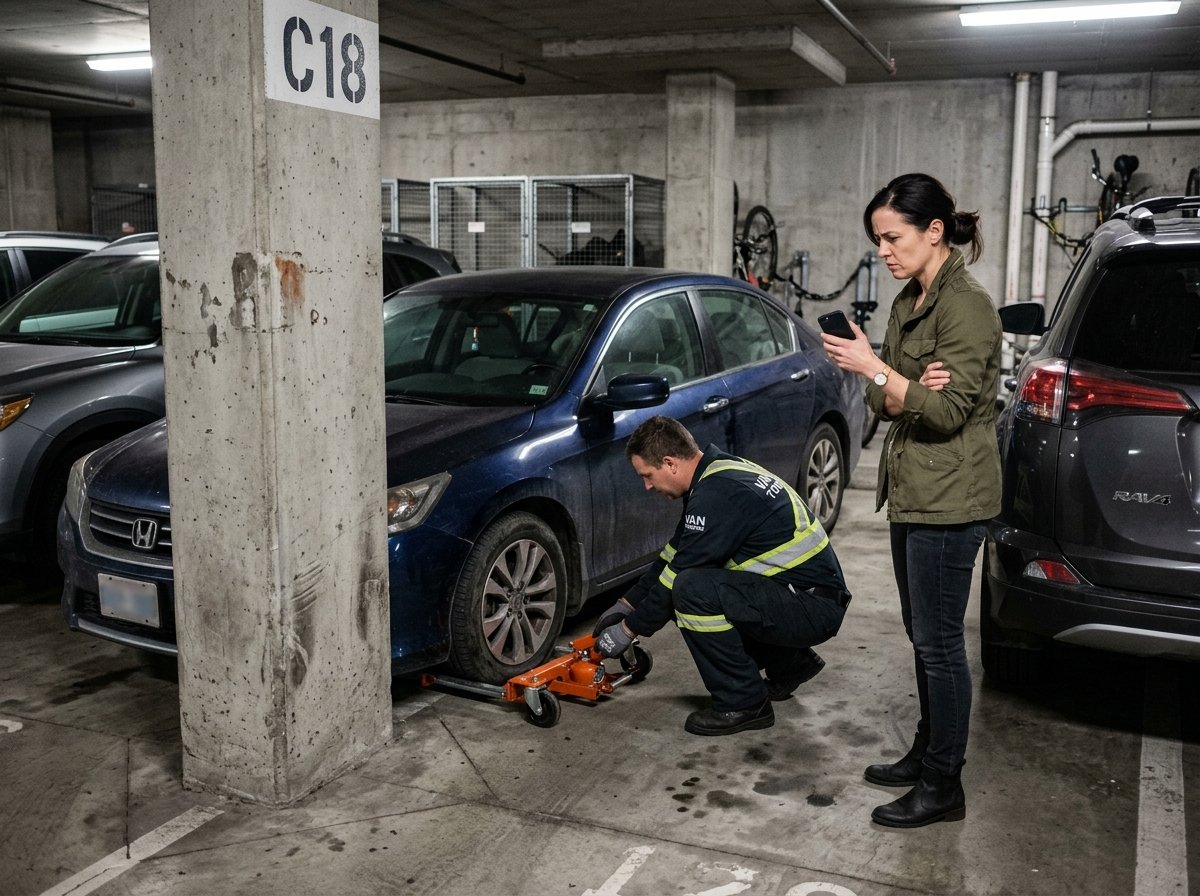
A flat tire sounds simple until the truck cannot fit, the wheel is damaged, or the car must be moved without space to work. In that case, the job can shift away from basic roadside help. If the vehicle is a bike or scooter, motorcycle towing services may also be the better fit.
Do this:
- Confirm clearance height and gate access.
- Say if the lug nuts are locked or damaged.
- Ask if the unit sent can work inside the ramp.
Scenario 2: Dead battery on a busy route
A battery boost may still be the right service, but not every roadside stop is easy or safe. On a shoulder, loading zone, or busy route, traffic control and truck position matter. If the vehicle is large or commercial, truck towing services may be closer to the real job than a basic jump.
We recommend this:
- Say if the hood will not open.
- Mention if the battery is under a seat or in the trunk.
- Tell dispatch if the vehicle cannot stay where it is.
Scenario 3: No-start that may need towing
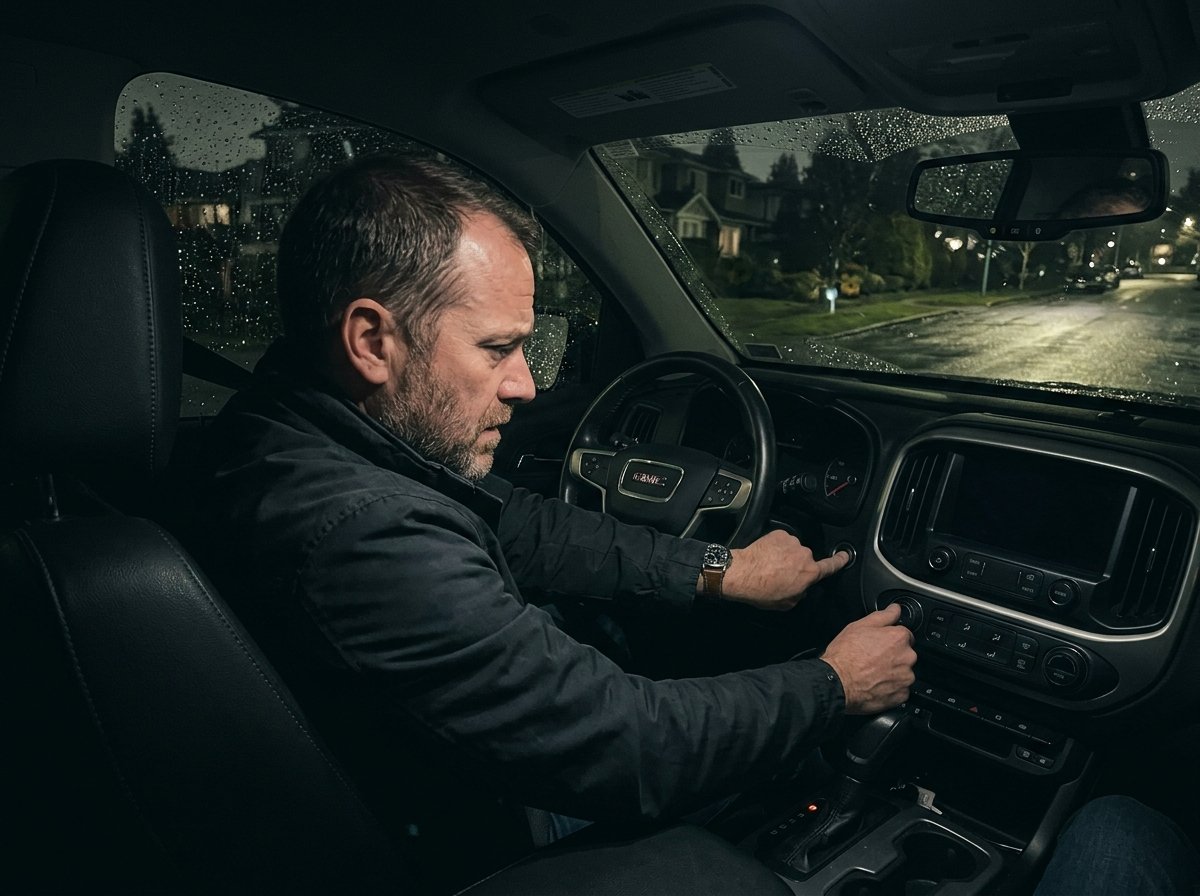
Sometimes roadside help becomes a tow because the issue is not the battery at all. If the engine, steering, or transmission is locked, the safest move may be a proper tow to a repair shop. For longer shop moves, long distance hauling services may affect the final number too.
Here’s a simple path forward:
- Say if the wheels turn freely.
- Say if the car is loaded with tools, cargo, or parts.
- Ask if the quote changes if towing replaces roadside help.
Suggested plan:
Step 1: Book with complete details
Use the booking form and give full details the first time. Add the exact issue, the access problem, and the vehicle type. If the vehicle is work-related or hauling gear, mention that because equipment towing services may be closer to the real need.
Step 2: Share your exact location
Send a live pin, nearest cross street, and any gate, stall, or level note. This helps dispatch match the quote to the real pickup spot and avoid delays.
Step 3: Keep a backup option ready
If dispatch says the job may not stay basic roadside, ask what the next service option would be. That matters for trailers, boats, and special loads. For example, boat towing services will not price the same way as a simple battery call.
ICBC roadside expense guide
If your roadside problem follows a covered claim, the ICBC page on emergency roadside expenses can help you see what costs may qualify for repayment. It is useful when you are comparing a private quote against what may be reimbursed later. Read it before you book if you want a clearer paper trail. It also helps you ask better questions about receipts and covered services.
FAQ
Why did my roadside quote change after dispatch asked more questions?
Because the service type may have changed. A simple boost, lockout, or tire change can turn into a tow when access is tight, the car is blocked in, or the wheels will not move. The more details dispatch gets early, the more stable the quote usually is.
Can roadside assistance turn into towing?
Yes. That happens when the car cannot be made road-ready on site. If the vehicle is larger, loaded, or built for travel, even RV towing services may be the better match than a basic roadside call.
What should I tell dispatch to get the best quote?
Tell them the exact issue, exact location, vehicle type, and any access problem. Say if you are in a parkade, on a shoulder, behind a locked gate, or in a tight lane. Also say if the vehicle is AWD, EV, lowered, lifted, or loaded.
Can I ask for text updates instead of waiting with no news?
Yes, ask before dispatch sends the truck. Some customers want a text when the job is locked in, when the driver is on the way, and if the ETA changes. This guide on real-time updates shows the kind of update questions worth asking.
Can I cancel if I decide not to send the truck?
Maybe, but ask before you approve dispatch. Some jobs can be canceled without a fee if the truck has not been sent yet. Once the unit is on the way or already at the site, the charge rules may be different.
Does vehicle type really matter that much?
Yes. EVs, AWD vehicles, work vans, lifted trucks, and damaged-wheel vehicles can need different tools or different loading methods. That can change both the truck type and the final price.