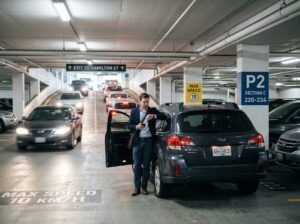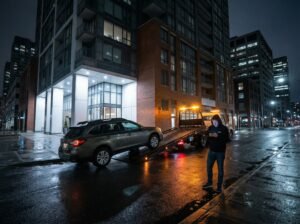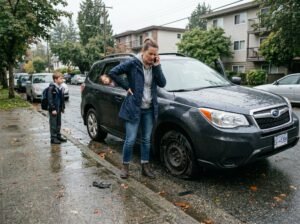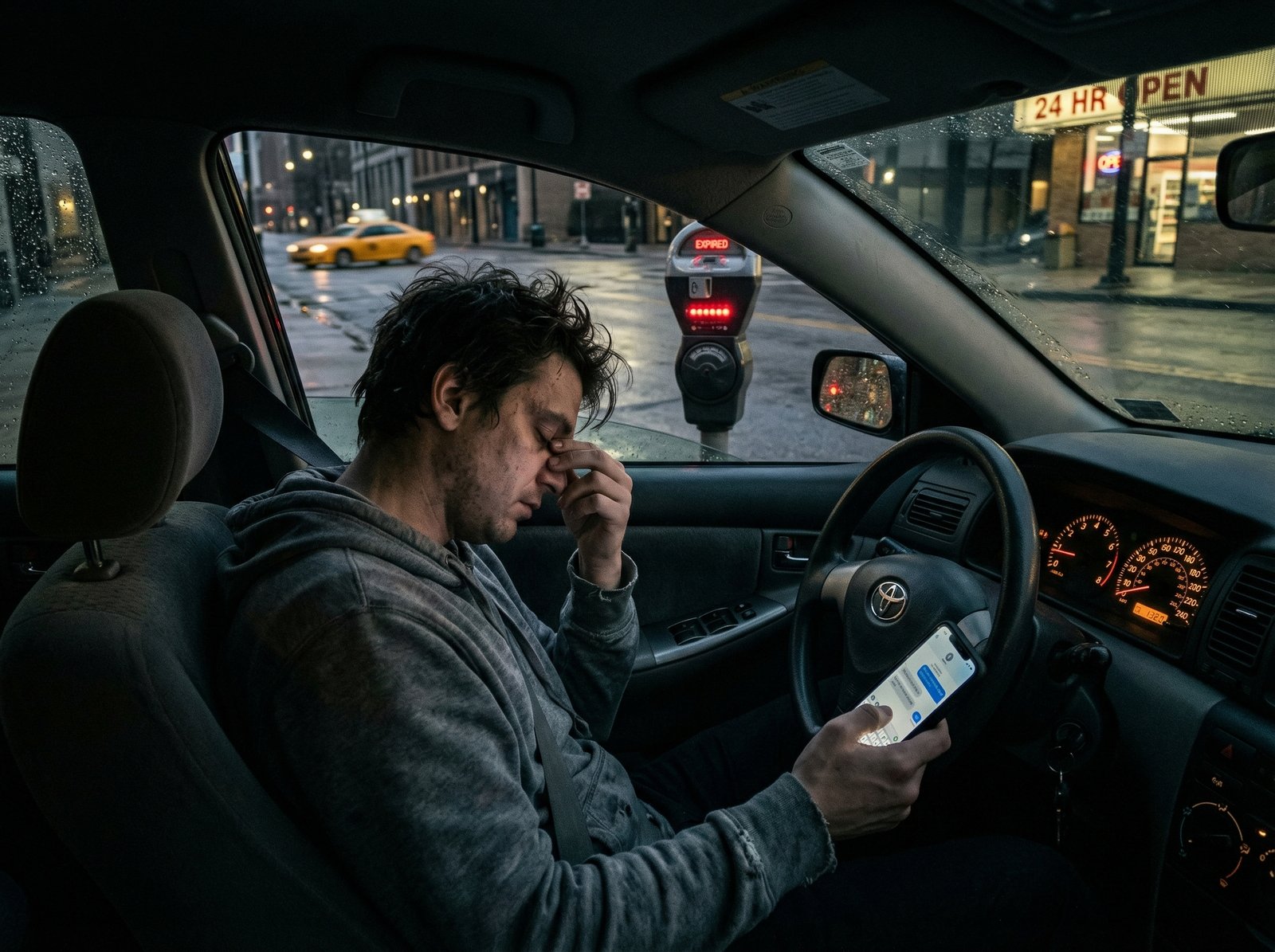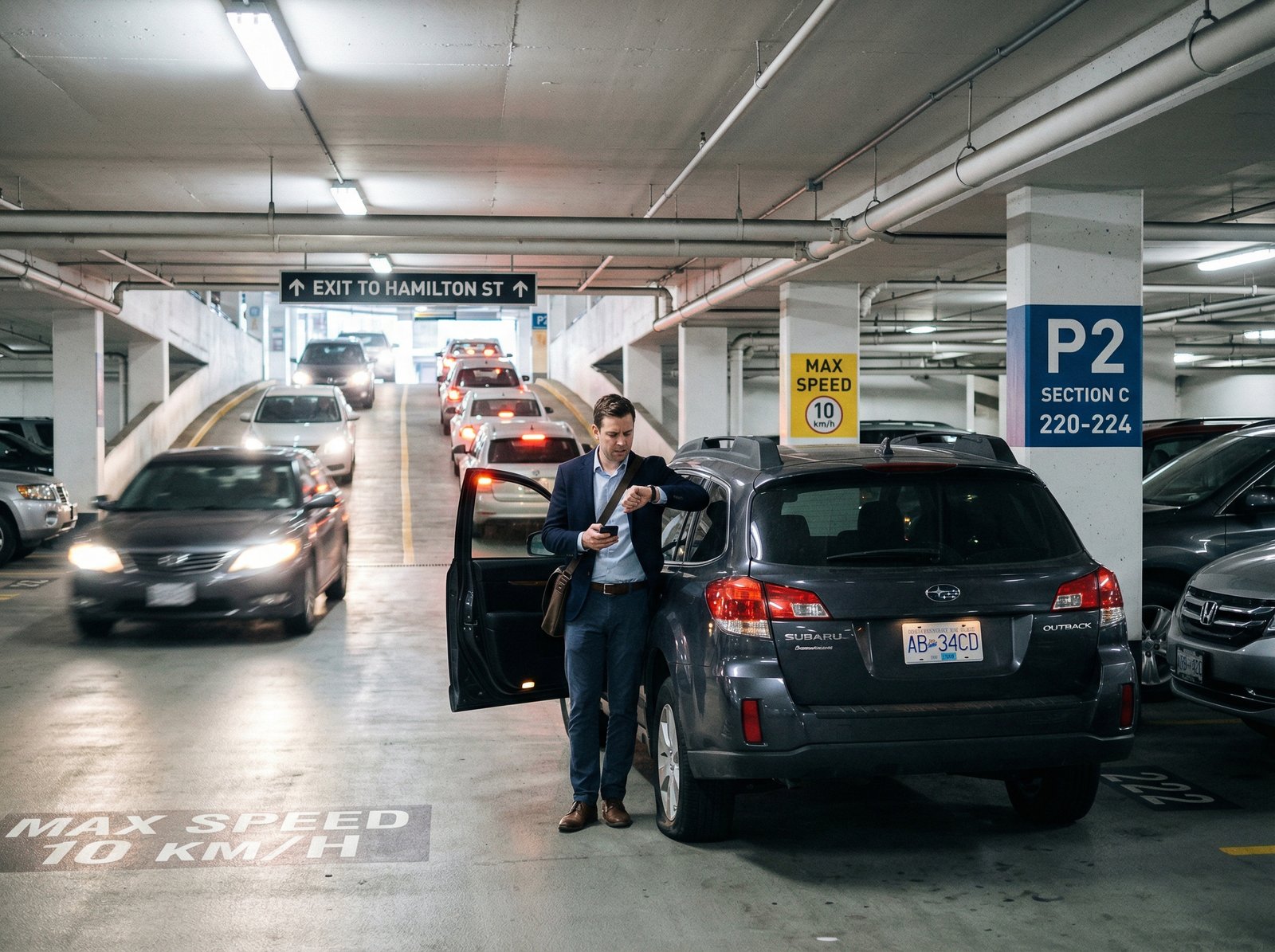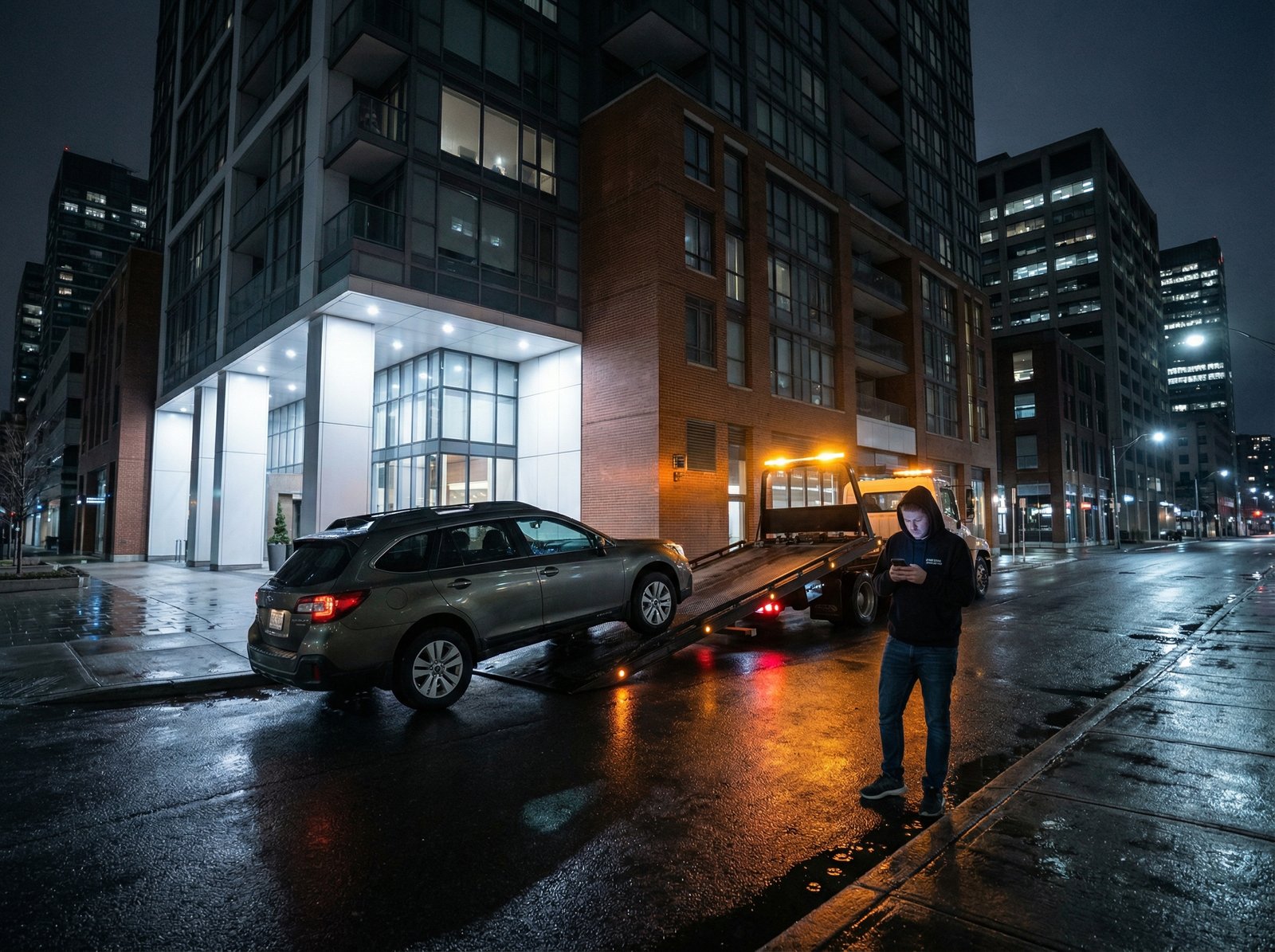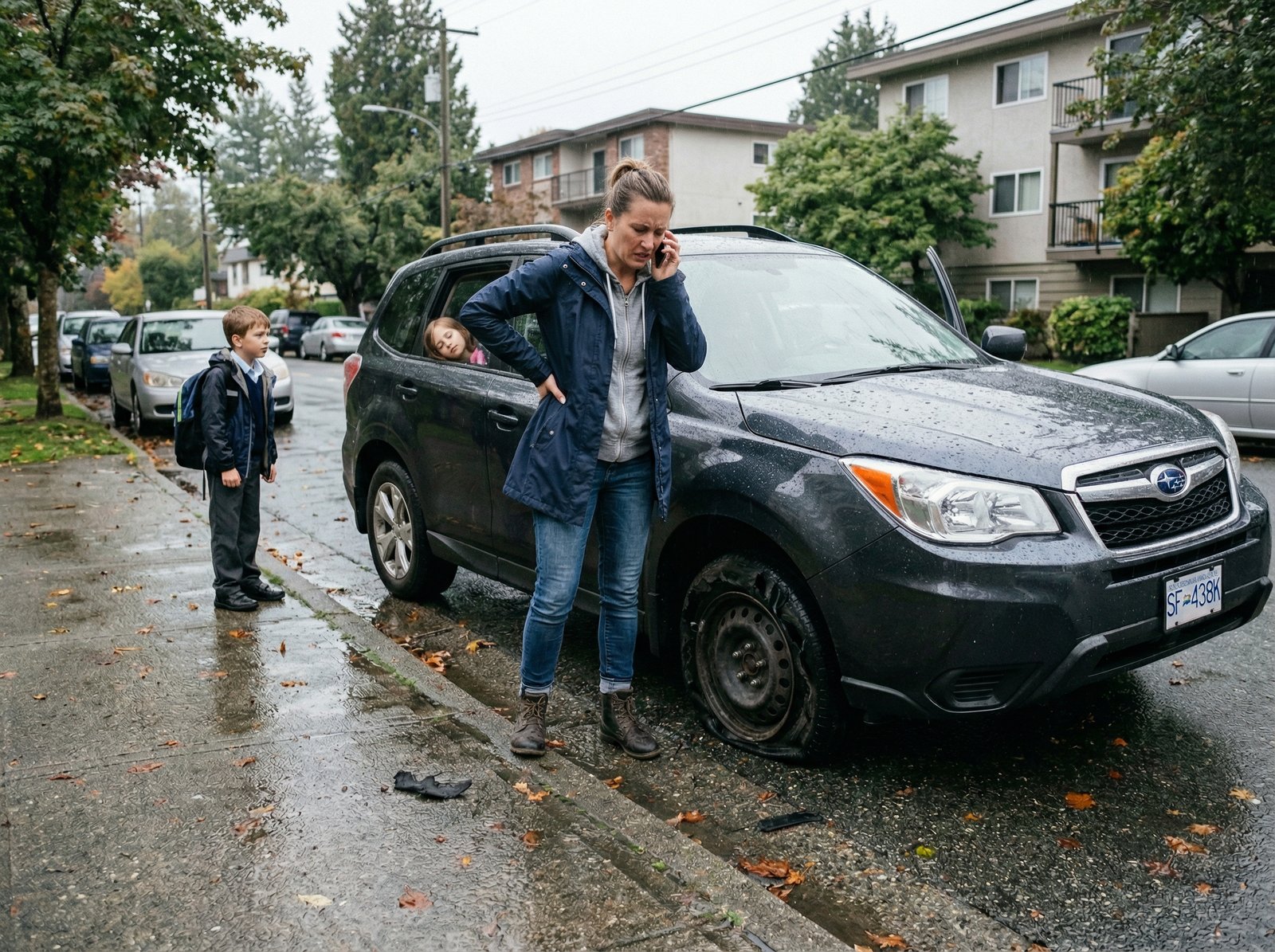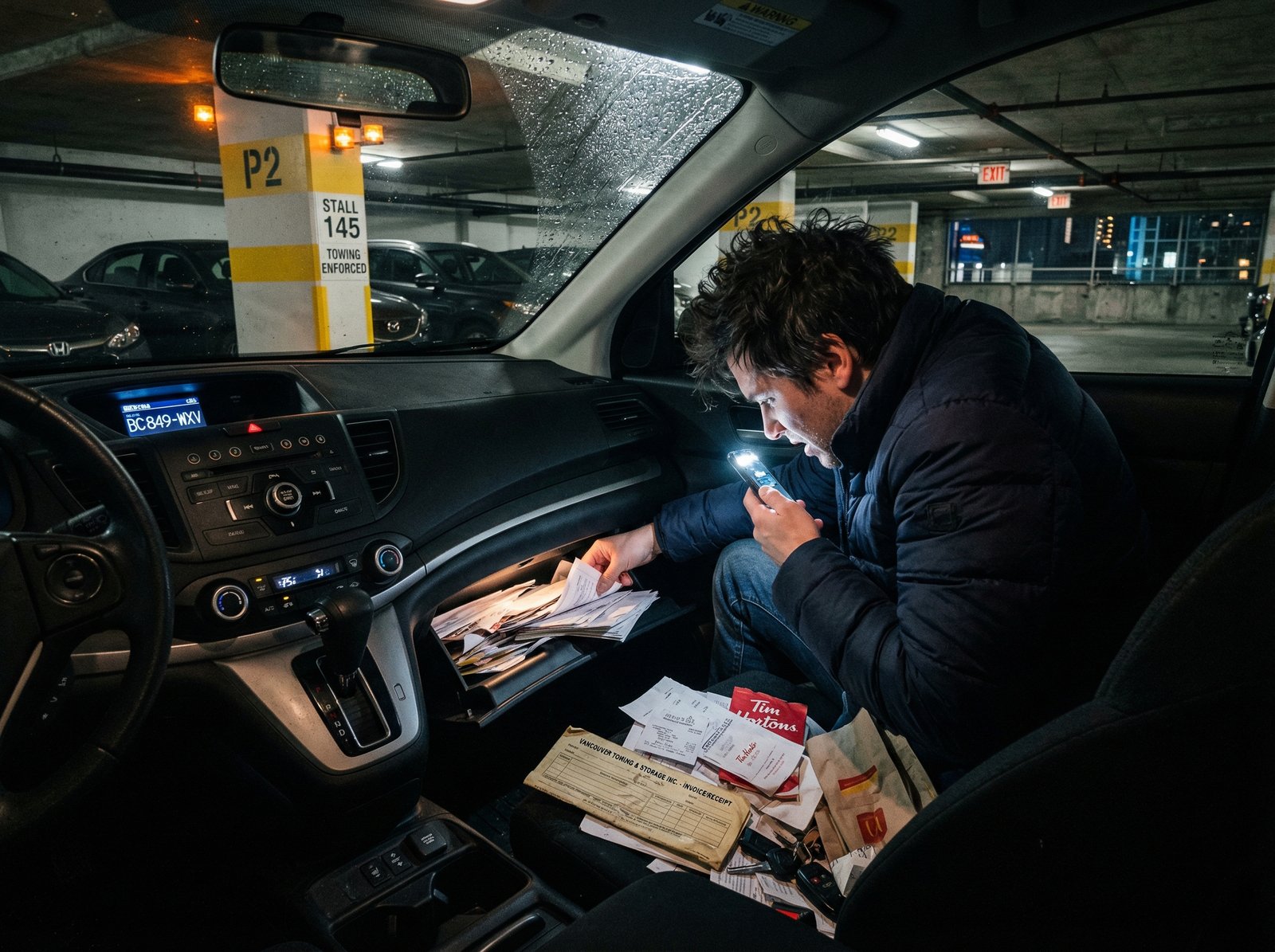
A real ETA starts with the right job notes. If you are stuck near a tower, lane, or parkade, ask dispatch if you need underground towing services so the right truck is sent first.
Quick overview
- Downtown traffic can turn a short wait into a long one.
- The wrong truck type can force a second dispatch.
- Bad pin drops waste time on one-way streets and alleys.
- Parkade height limits can block access fast.
In this guide
- Ask for the driver name, truck type, and callback number.
- Get your pickup point and closest landmark repeated back to you.
Simple version:
- Tell dispatch your exact street, level, and landmark.
- Ask what truck is coming and if it fits your spot.
- Ask if the driver is already dispatched.
- Ask when the next update will be sent.
TL;DR: How to get a real ETA
- Confirm truck type, exact location, and access limits.
- Ask for the next update time, not just a rough promise.
- Mention parkades, gates, and tight lanes before the truck starts driving.
What a real towing ETA means
A real ETA is a best estimate based on truck type, driver location, and road access. In downtown Vancouver, the answer changes fast if you need light duty towing services at a curb lane or a different setup in a tight parkade.
Context (what matters in this situation):
- It should reflect your exact pickup spot, not just the postal code.
- It should account for traffic, events, and lane limits.
- It should match your vehicle type and condition.
- It should include building or parkade access rules.
What dispatch should confirm before giving the ETA
Before you trust the clock, ask dispatch to repeat the job back to you. If your car is AWD, low-clearance, or damaged, truck choice matters, which is why this flatbed or wheel-lift guide helps you ask better questions.
What this usually looks like (real-world flow):
- Your exact pickup point, including lane, tower, or parkade level
- Your vehicle type, drive type, and whether it rolls
- Height limits, gate codes, and loading zone rules
- Whether the driver is already on another call
- When the next update will be sent if traffic changes
Details to confirm (so you get the right help fast):
- Ask for the truck type in plain words.
- Ask whether the job is locked in or still waiting for assignment.
- Ask what could change the ETA after dispatch.
What you should get as the outcome:
- Fewer surprises
- Less waiting in the wrong spot
- Better odds the first truck can finish the job
Why downtown waits still stretch
Even good dispatchers cannot control every downtown delay. Tight entries, one-way streets, and loading rules make parkade access a big reason ETAs slip.
Limits / constraints (what can slow things down):
- Bridge or downtown backups can stack fast.
- Special events can slow access blocks away.
- Tow trucks may need legal stopping space before loading.
- Some locations need a smaller or lower-clearance truck.
Hidden costs to watch for:
- After-hours access fees
- Extra wait time if the car cannot roll
- Parkade or underground service surcharges
- Second-dispatch cost if the first truck cannot fit
What to do right now
If you need help now, keep the call short and clear. This guide on fees to confirm also helps you avoid billing surprises while you ask about ETA.
- Send one clear location pin and one text with your vehicle details.
- Ask for the next update time before you hang up.
Our recommendations for faster downtown towing
Say the exact tower, alley, lane, or parkade level first.
Tell dispatch if the wheels are locked or the car will not roll.
Say if the vehicle is AWD, EV, lifted, or low-clearance.
Ask whether the truck is already assigned.
Ask where the driver will stop if the street is busy.
Stay reachable by text in case the driver needs a better meeting point.
Stay safe while you wait
If your car is in a risky spot, move yourself first, not the vehicle. A clear meetup point is often safer than trying to push or roll the car in traffic.
A good option is:
- Turn on hazard lights if it is safe.
- Wait behind a barrier or inside a nearby lobby when possible.
- Do not stand between cars or behind your vehicle.
- Keep your phone charged and your ringer on.
- Have your plate number and vehicle color ready.
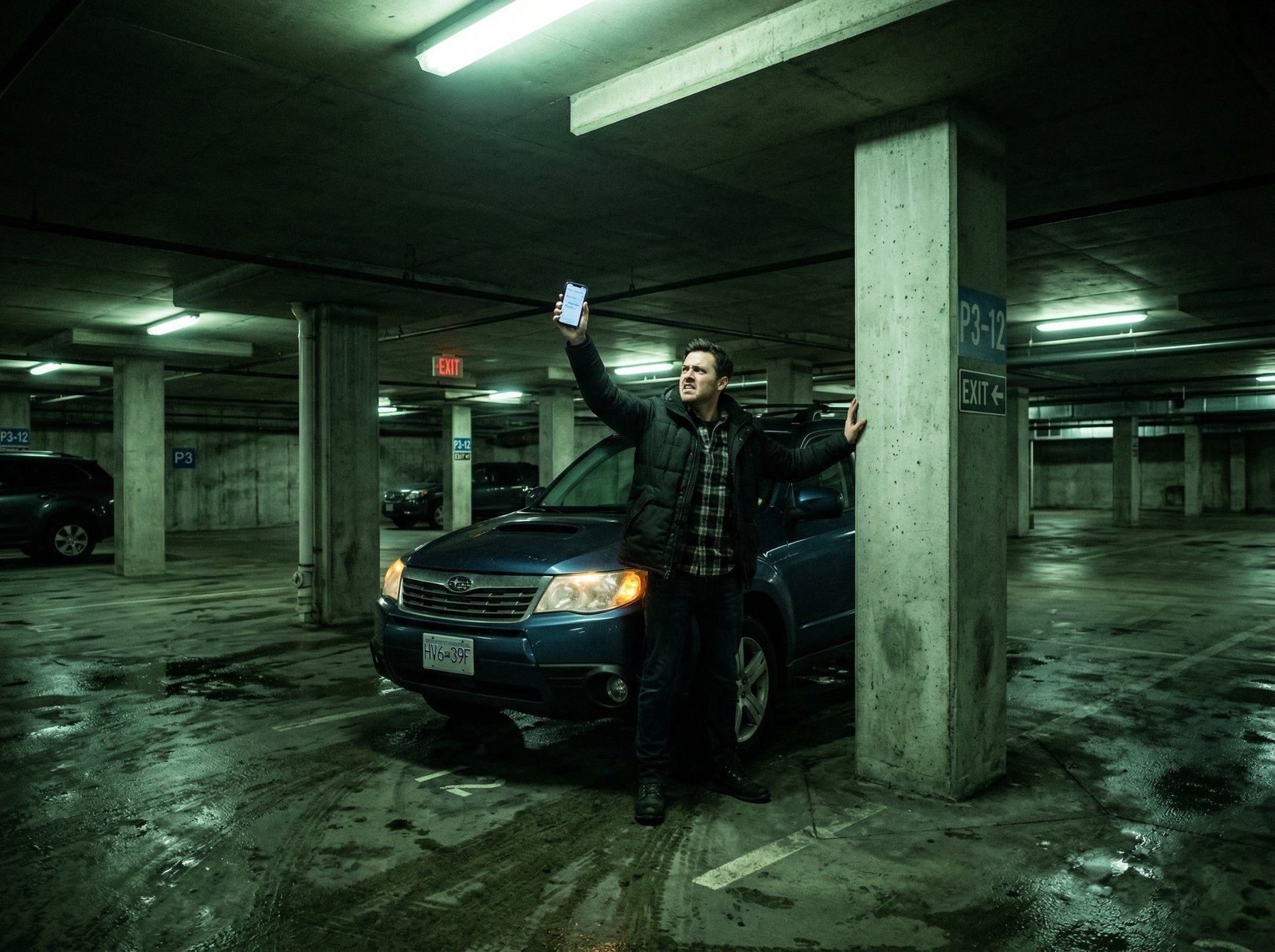
If you are stuck in a parkade
Tell dispatch the height limit, parkade level, and entry side. A job that needs underground towing services can be delayed if a full-height truck is sent first.
Do this:
- Share the clearance bar height.
- Give the nearest tower or elevator number.
- Ask where the driver wants to meet you.
If your AWD car is disabled
Ask what loading method will be used. Many AWD setups are better matched with flatbed towing services so the ETA should reflect that from the start.
We recommend this:
- Tell dispatch if the car has body damage.
- Say whether it can go into neutral.
- Ask if the first truck can finish the tow without changes.
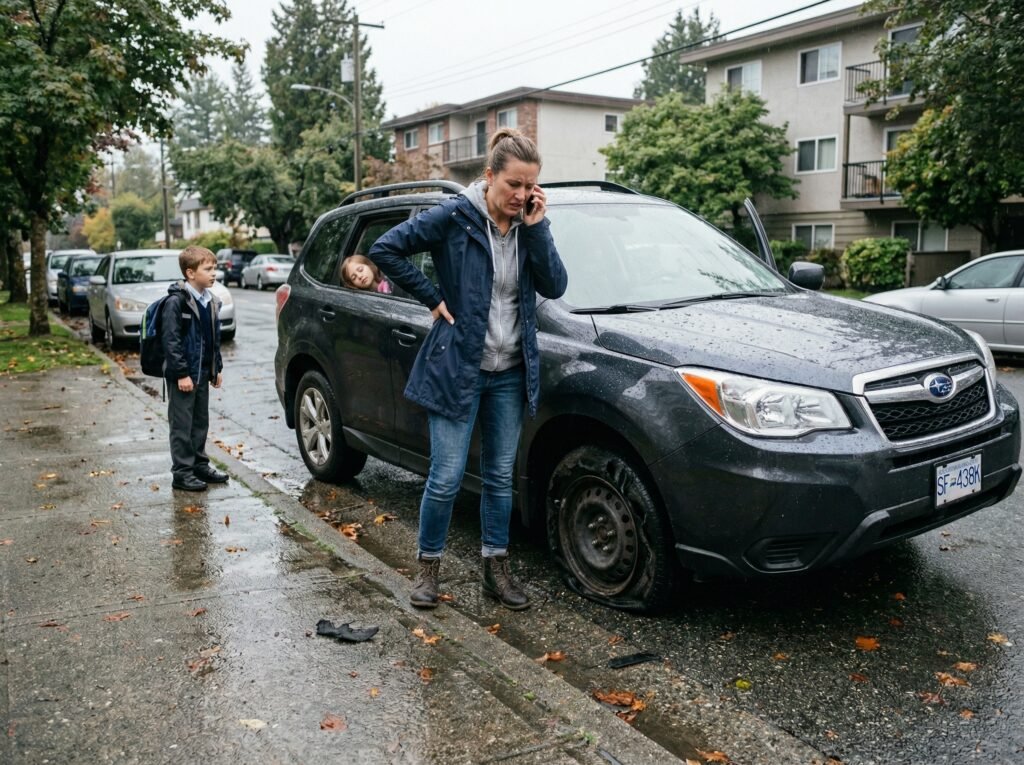
If traffic is jammed near your pickup
If the street is packed, ask if light duty towing services can stage nearby and call you when they are close. That can save time when the driver cannot stop right in front of you.
Here’s a simple path forward:
- Share the closest open side street.
- Say if you can roll the car to a safer curb.
- Ask when the next text update will be sent.
Suggested plan:
Step 1: Book with clear details
Start with the car, the spot, and the access problem. If you already know you need special handling, like Tesla towing services, say it in the first minute.
Step 2: Share your location the smart way
Text the nearest tower, lane, and landmark, then add a screenshot if the pin is off. If you are in a larger vehicle zone, note that truck towing services may need more room to load.
Step 3: Match the service to the job
When the service match is right, the ETA is usually more honest. Ask what setup is needed before the truck starts driving.
DriveBC traffic map
If traffic is stacked up, check DriveBC before you call or while you wait. It can show crashes, closures, and slow routes that change a tow ETA fast. This gives you better details to share with dispatch. It also helps you judge whether a delay sounds reasonable.
FAQ
What should dispatch confirm before giving an ETA?
Dispatch should confirm your exact spot, truck type, vehicle details, and any access limit. If you are in a tight entry, ask whether underground towing services are being sent. That makes the ETA much more useful.
Can a downtown ETA change after the truck is dispatched?
Yes. A bridge backup, blocked loading zone, or parkade issue can change the plan fast. This Yaletown parkade guide shows why access details matter so much.
Do I need to ask what truck is coming?
Yes, especially for AWD, low cars, or damaged wheels. The wrong truck can add a second wait. Use this flatbed or wheel-lift guide if you are not sure what to ask.
Why does a parkade tow take longer?
The driver may need a smaller truck, better turn room, or a street-level meetup. A parkade job usually takes more planning than a curbside tow.
What fees should I ask about while I confirm ETA?
Ask about after-hours charges, extra wait time, parkade access, and any second-dispatch cost. This list of fees to confirm is a good check before you book.
What if my vehicle is bigger than a normal car?
Say that right away. Bigger pickups, vans, and work vehicles may need more space to load, and that can change both ETA and price.