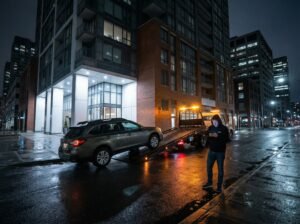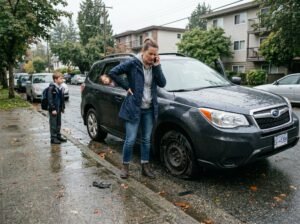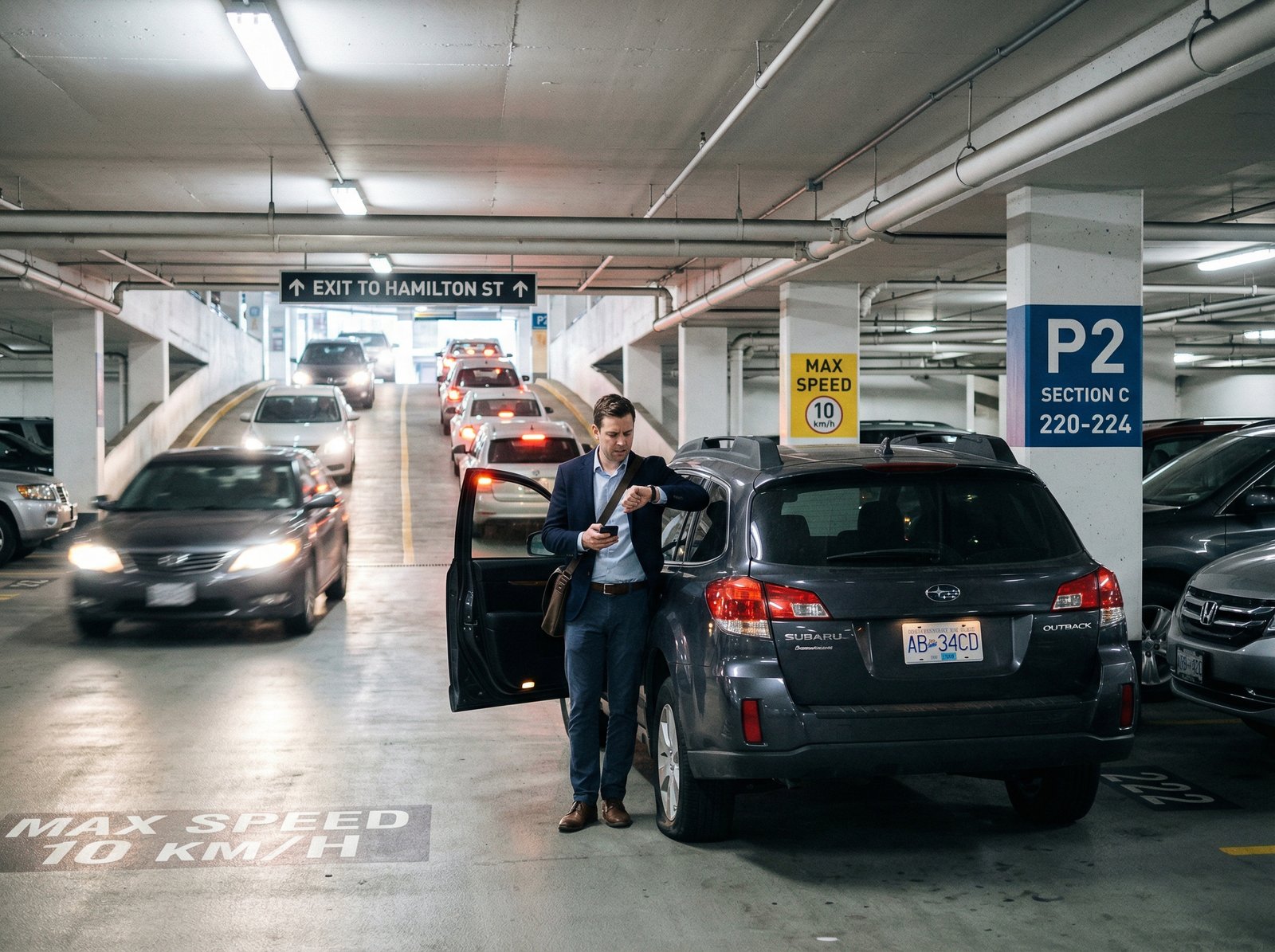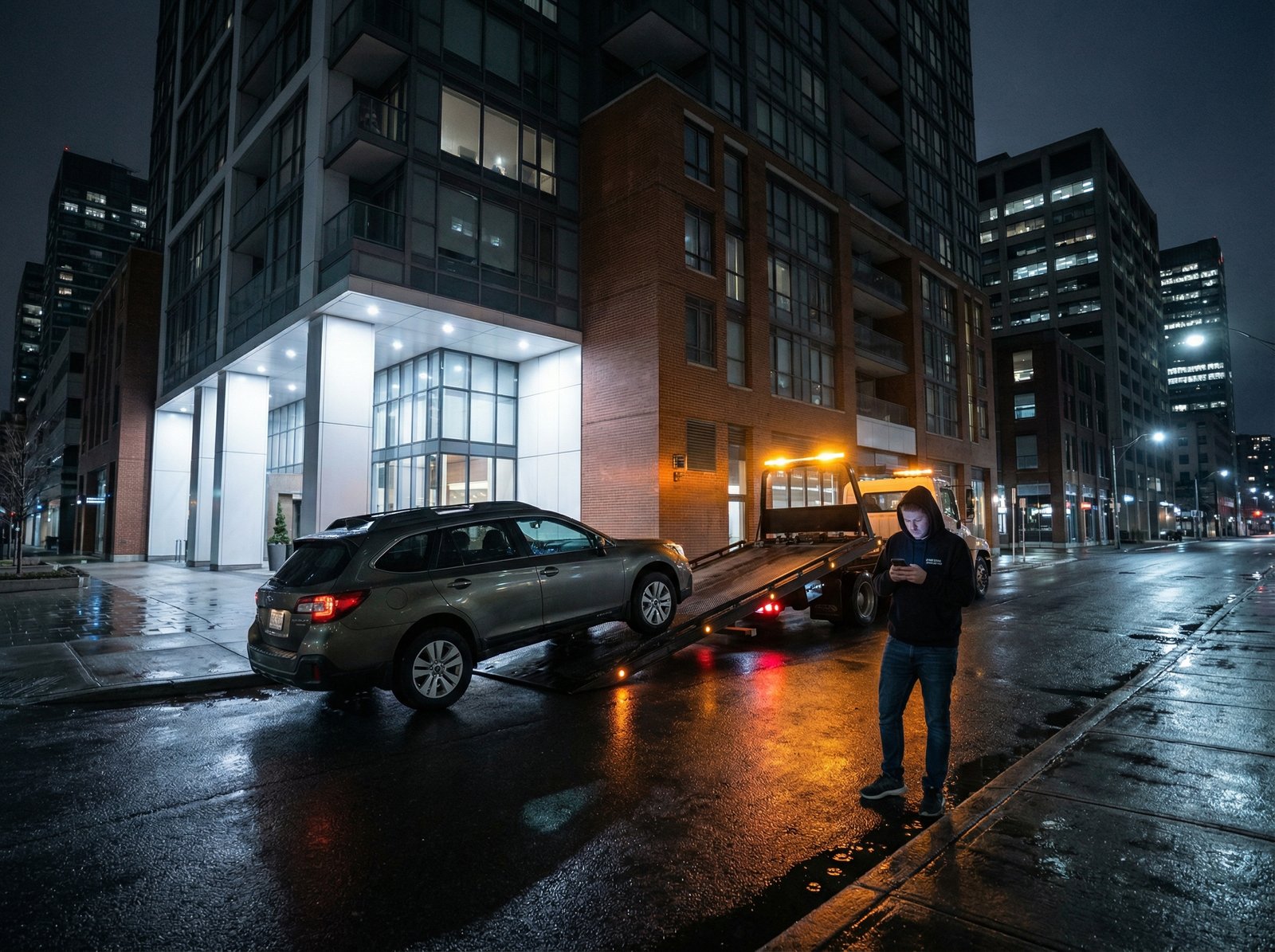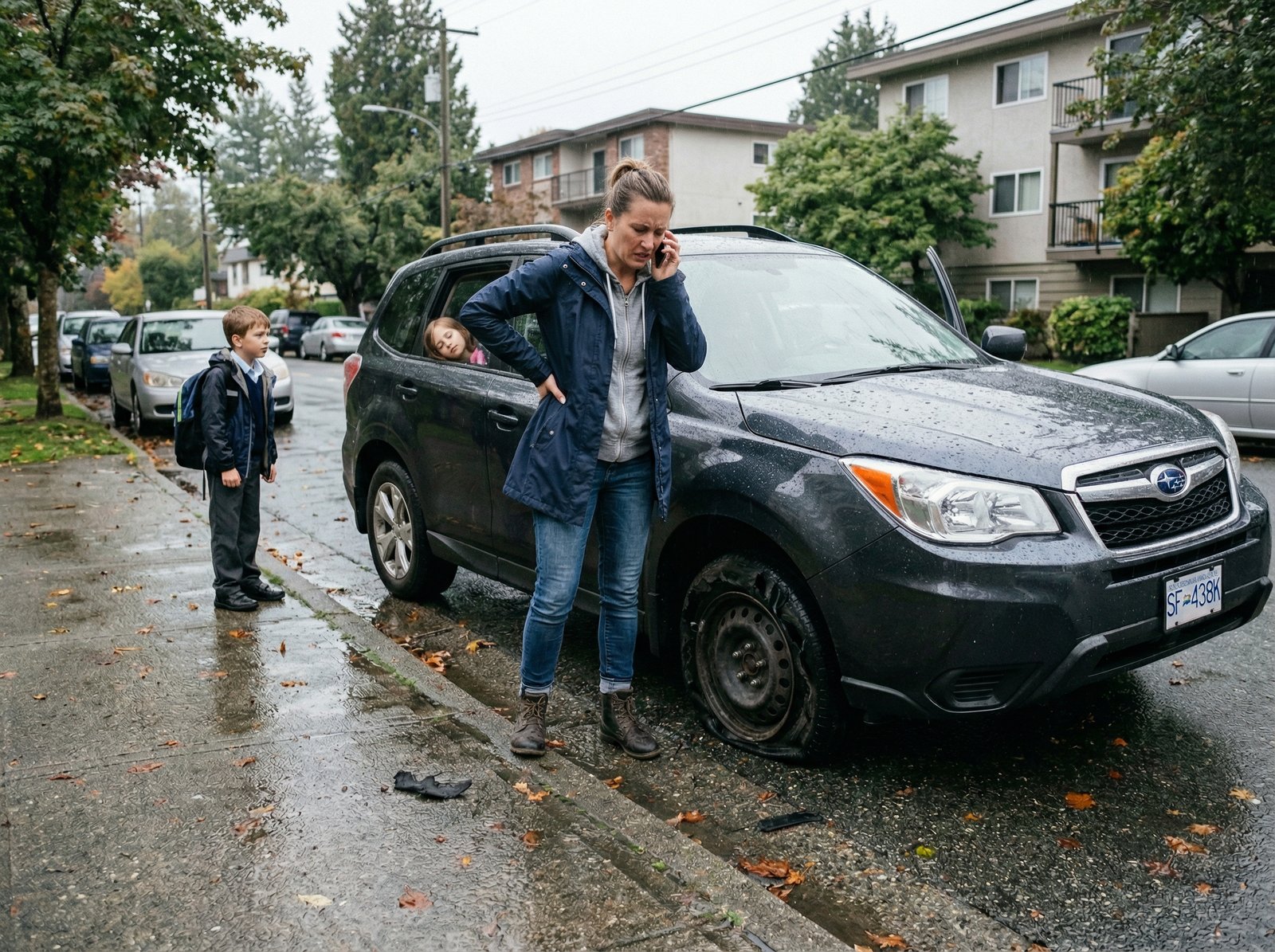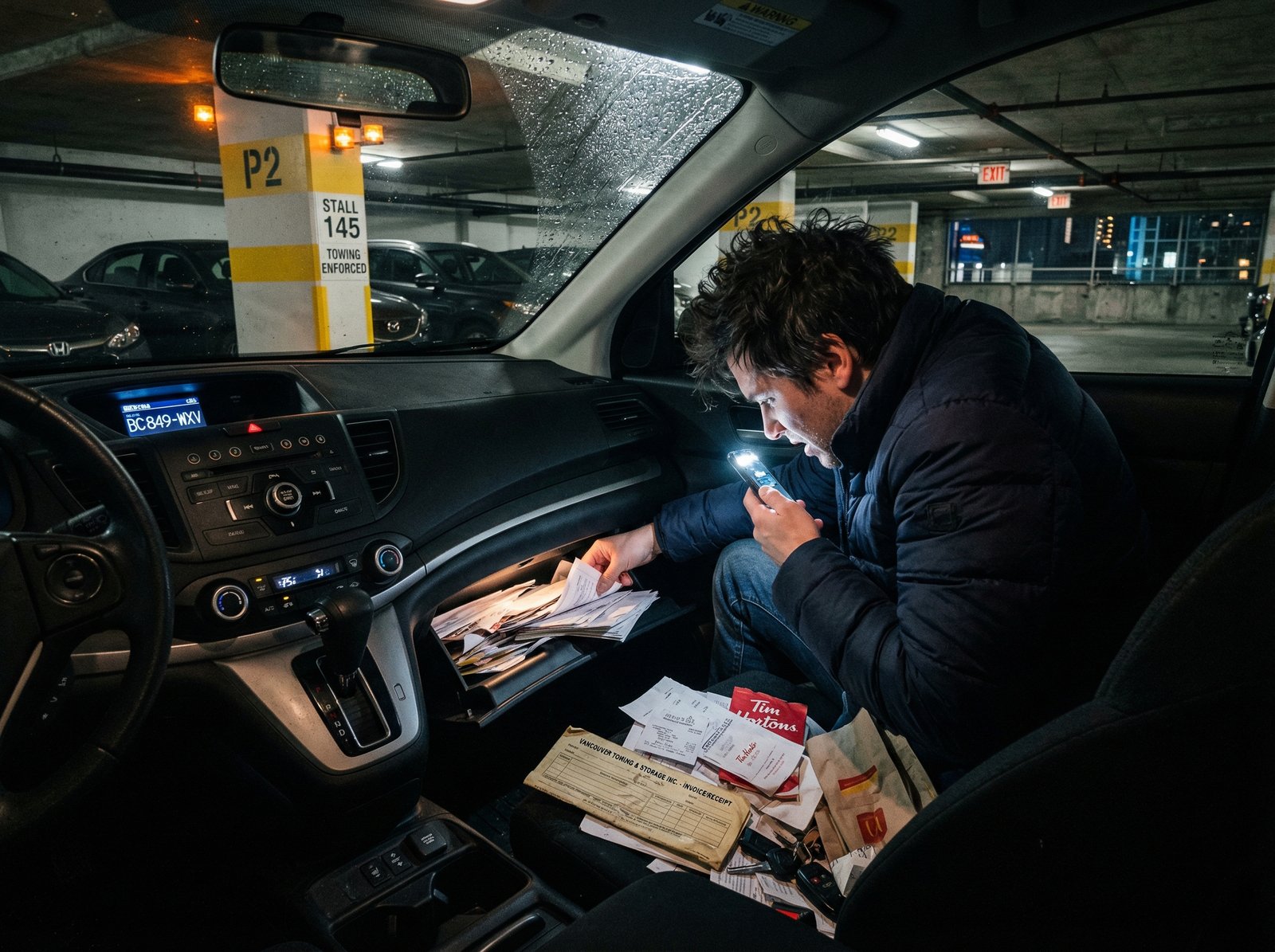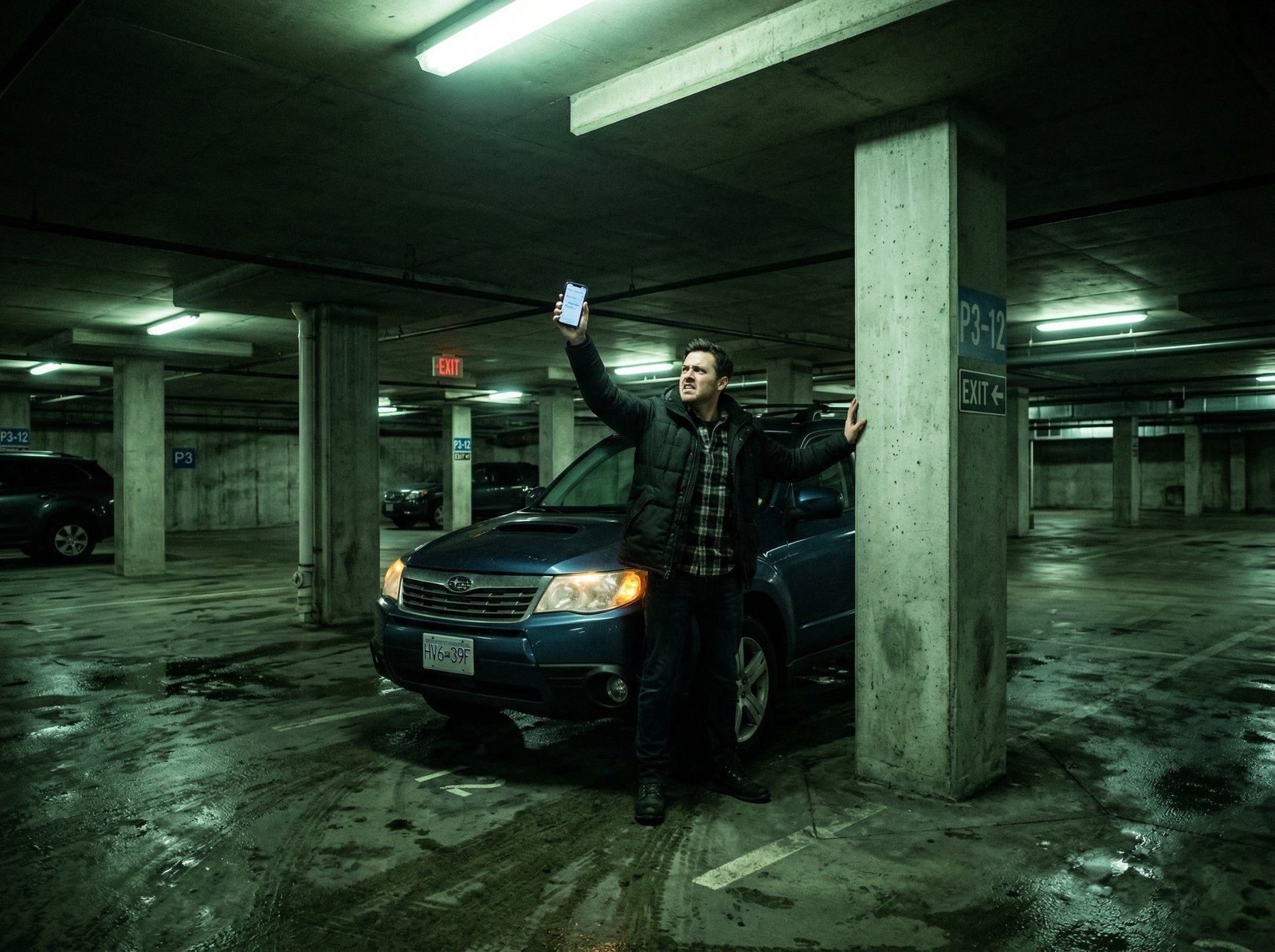
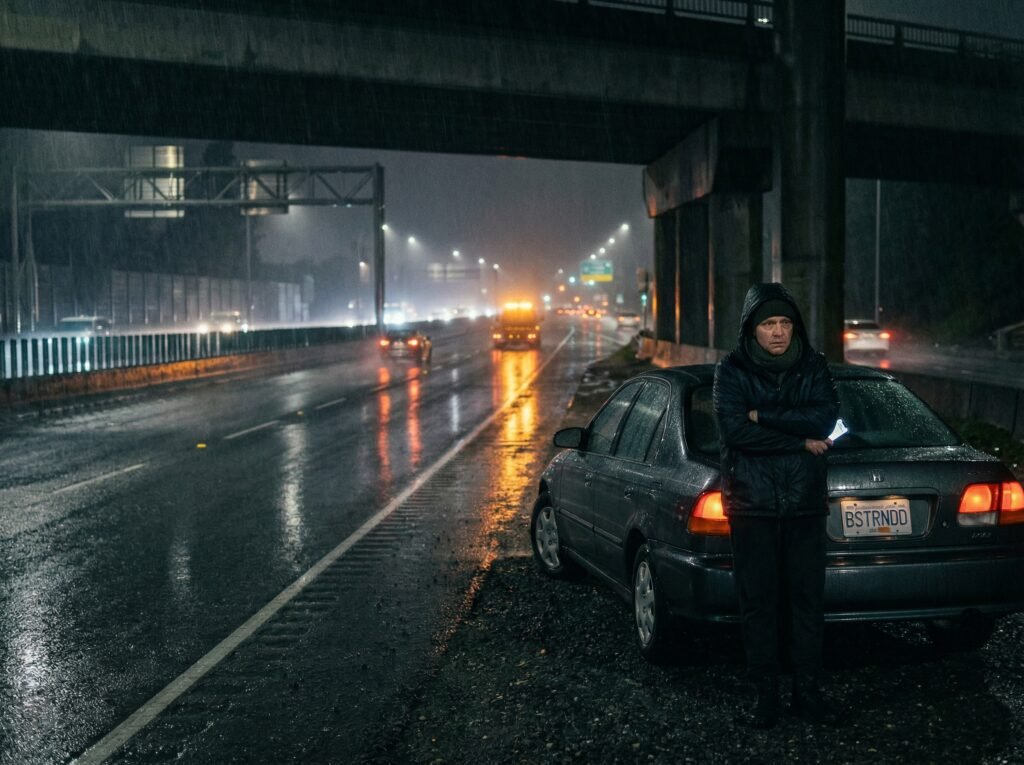
A Highway 1 breakdown feels worse when the ETA keeps changing. Ask for your arrival window, truck type, and update plan right away. If your car needs a deck, ask about flatbed towing services before the truck leaves the yard.
Quick overview
- Fast traffic makes shoulder stops feel unsafe.
- Bad pins can send the truck to the wrong exit.
- Rain, bridges, and crashes can slow arrival.
- You may not know if your car needs a flatbed or wheel-lift.
In this guide
- Clear ETAs work best when dispatch confirms direction, landmark, and lane position.
- Short updates calm stress because you know if the truck is on time or delayed.
Simple version:
- Get off the live lane if you can do it safely.
- Share your exact side of the highway and nearest exit.
- Ask for the truck type and ETA range, not one minute number.
- Keep your phone on and watch for update texts or calls.
TL;DR for a Highway 1 breakdown
- A real ETA is a time range with update points, not a blind promise.
- Traffic, lane closures, and wrong location pins are the biggest delay risks.
- The fastest tow starts with your exit, direction, lane, and vehicle type.
What real ETA updates mean for a Highway 1 tow
For a Highway 1 call, a real ETA means dispatch tells you what is happening now, what may slow the truck, and when the next update will come. That is the standard you should expect from Vancouver towing services when traffic is moving hard and space is tight.
Context (what matters in this situation):
- Your direction matters because eastbound and westbound access are different.
- A tow may need to loop back if the median blocks a quick turn.
- Tunnel, bridge, and merge traffic can change the route fast.
- A truck match matters because not every unit fits every vehicle.
How a good Highway 1 tow call should go
Start with the facts, not the story. If you want to compare likely cost items before you book, this pricing guide helps you ask better questions while you wait.
What this usually looks like (real-world flow):
- You stop, turn on hazards, and move as far from live traffic as you safely can.
- You share the nearest exit, direction of travel, and shoulder or lane position.
- Dispatch checks vehicle type, damage, and wheel condition.
- You get an ETA range and the next update time.
- If traffic changes, dispatch sends a short update before the old ETA expires.
Details to confirm (so you get the right help fast):
- Best detail to share: highway name, exit, landmark, and vehicle color.
- Best truck question: flatbed, wheel-lift, or specialty unit?
- Best update question: when should I expect the next text or call?
What you should get as the outcome:
- Less confusion for you.
- Better truck match for the vehicle.
- Fewer wasted minutes at the wrong exit.
Where memberships and cheap quotes can fall short
Some plans help, but they do not always remove every highway cost. If your vehicle is stuck in a tight spot later, these parkade towing questions show why access, clearance, and truck type change the job.
Limits / constraints (what can slow things down):
- A membership may cap tow distance.
- It may not include a specialty truck.
- Highway access delays can still affect arrival time.
- After-hours service may follow separate rules.
Hidden costs to watch for:
- Deck-only vehicles can cost more than a basic pull.
- Extra waiting time can change the final bill.
- A longer haul off the highway adds distance.
- Storage or after-hours release can be separate.
What to do now if your car breaks down on Highway 1
Ask for help right away, then keep your answers short and exact. If the job sounds basic, mention light duty towing services and confirm whether your car still needs a flatbed because of AWD, damage, or low clearance.
- Send your live pin plus the nearest exit number.
- Keep one phone line free for dispatch updates.
Our recommendations for faster, calmer towing
Save your live location before you call.
Say the highway, direction, and nearest exit first.
Tell dispatch if the car is AWD, EV, low, or damaged.
Ask for the next update time, not just the first ETA.
Take quick photos in case you need records later.
Keep receipts if you may need a claim or reimbursement.
Safety first on Highway 1
Your first goal is distance from live traffic. If your vehicle is trapped in a hard-to-reach spot, ask whether a specialty setup is safer than a standard pickup.
A good option is:
- Turn on hazards right away.
- Move to the shoulder only if you can do it safely.
- Stand away from traffic if you must exit the vehicle.
- Keep children and pets away from the road edge.
- Do not stay between your car and live traffic.
Scenario 1: AWD car with front damage
This is where truck match matters most. Tell dispatch about bumper, wheel, or steering damage and ask if a deck-based setup is the safer choice for your vehicle type.
Do this:
- Say if any wheel will not roll.
- Tell them if the car sits very low.
- Ask if a flatbed is required before dispatch.
Scenario 2: Breakdown near a ramp or tight shoulder
Tight access can slow the pickup even when the truck is close. In cramped spaces, asking about underground towing services helps you confirm if a smaller or more precise setup is needed.
We recommend this:
- Share a photo if the shoulder is narrow.
- Tell dispatch if a wall, barrier, or post blocks access.
- Ask where the truck can stop without blocking a lane.
Scenario 3: You need the car moved farther than expected
Sometimes the nearest safe drop is not the final stop. If your plan changes, ask how long distance hauling services may affect time, route, and cost before the truck starts moving.
Here’s a simple path forward:
- Confirm the first drop location.
- Ask what changes if the destination gets farther.
- Save the receipt before you leave the scene.
Suggested plan:
Step 1: Book the tow
Use the booking form if you can type safely from your location. It is also a good place to note if you may need a non-standard setup for a larger vehicle.
Step 2: Share your live location
Send your live pin, nearest exit, direction of travel, and a short photo if it is safe. Then keep the quote page open so dispatch can match your update with the job faster.
Step 3: Pick the closest service fit
If the first plan changes, ask which service fits best now. A larger vehicle may need RV towing services, while a smaller unit may only need a standard highway pickup.
DriveBC traffic and camera updates
If traffic is backing up or lanes are blocked, check DriveBC before you move around the scene. It shows road events, delays, and highway cameras across BC. That can help you explain your exact area and delay risk more clearly to dispatch. It also helps family members understand why your ETA may change.
FAQ: Highway 1 towing in Vancouver
Do I always need a flatbed on Highway 1?
Not always. But AWD, low cars, severe damage, or a non-rolling wheel can change the safest setup fast. Ask dispatch to compare basic pickup with deck-based service before the truck arrives.
What if I break down with a motorcycle?
Say that first. Tie-down points and loading matter more on two wheels, so the truck match should happen before arrival. Ask whether motorcycle towing services are available for your exact location.
Can I ask for a receipt with clear line items?
Yes, and you should. A clean receipt helps if you need reimbursement later, and this ICBC receipt checklist shows what to confirm before you leave.
What if my breakdown is in a parkade before I reach Highway 1?
Clearance changes everything. Ask about height, ramp angle, and where the truck can turn before you book. This is why many drivers review parkade towing questions first.
Can a larger RV or camper be moved the same way as a car?
Usually not. Size, weight, and rear overhang can change both truck choice and route. Ask dispatch if motorhome towing is the better fit before the job starts.
How do I avoid surprise charges?
Ask for the likely bill items before the truck leaves, then ask again if the job changes on scene. This pricing guide makes it easier to spot distance, wait time, storage, and after-hours items.