When your car stops, the first number you hear may not be the final bill. In Vancouver, price changes often come from access, distance, vehicle size, and timing. This guide shows the common add-ons and where they show up, with examples tied to Vancouver towing services and special jobs like underground towing services.
Quick overview
- The car is stuck in a tight parkade.
- The tow needs a flatbed, not a wheel-lift.
- The drop-off is far outside the city.
- Storage starts because the shop is closed.
In this guide
- Simple pricing factors explained in plain language.
- Built for fast booking decisions when you are stressed.
Simple version:
- Ask what is included before the truck rolls.
- Ask if waiting time or storage can start today.
- Tell dispatch if you are in a parkade, lane, or tow-away zone.
- Get the drop-off address confirmed before booking.
TL;DR
- Final tow cost usually changes because of access, tow type, distance, and timing.
- Jobs like {a(flatbed,”flatbed towing services”)} or {a(heavy,”heavy duty towing services”)} cost more than a basic light-duty pull.
- If the tow relates to a claim, save receipts and review the ICBC receipt checklist.
What changes the final tow bill?
The final price is the base service plus any job details that make the tow slower, longer, or more complex. A simple shoulder pickup is different from a blocked car in a condo garage. That is why dispatch may ask about height limits, wheel damage, and whether you need flatbed towing services or light duty towing services.
Context (what matters in this situation):
- Vehicle size can change truck choice.
- Low-clearance spots can add time and gear needs.
- Longer drop-offs usually raise distance charges.
- A closed shop can trigger storage fees.
How a normal quote turns into a bigger bill
Most price jumps happen after dispatch learns one missing detail. A driver may arrive and find a dead battery, locked steering, or no safe pull path. That is why articles about real ETA updates and downtown parkade questions matter before you book.
What this usually looks like (real-world flow):
- You call for a basic tow.
- Dispatch learns the car is in a low-clearance garage.
- The vehicle needs special positioning or a flatbed.
- The destination is farther than first stated.
- The repair shop is closed, so storage starts.
Details to confirm (so you get the right help fast):
- Parkade jobs often point to underground towing services.
- Large vehicles may need truck towing services or motorhome towing services.
- Special units like EVs can call for Tesla towing services.
What you should get as the outcome:
- The final invoice makes more sense when each step is listed.
- Upfront questions reduce surprise fees.
- A clear drop-off plan helps stop extra waiting time.
Common limits, add-ons, and hidden costs
Not every quote includes every part of the job. Some prices cover hook-up and a short move only, while others do not include long waits, extra mileage, or storage. Before you book, compare the job type with towing services and ask what starts billing if the vehicle cannot move right away.
Limits / constraints (what can slow things down):
- Base rates may cover only a short local move.
- Winching, dollies, or special access may cost extra.
- After-hours work can change the rate.
- Storage is separate from the tow in many cases.
Hidden costs to watch for:
- Blocked wheels or missing keys.
- Extra labor in rain, snow, or steep lanes.
- Waiting for a customer, shop, or claim step.
- Second moves from yard to repair shop.
What to do now before you approve the tow
Ask for the full job outline, not just the starting number. Confirm pickup point, destination, truck type, and whether storage is possible. If your job sounds unusual, mention things like trailer towing services, boat towing services, or RV towing services right away.
- Text the exact address, stall number, and height limit if any.
- Ask what changes the price after dispatch sends the truck.
Our recommendations for a cleaner towing quote
Say if the car rolls, steers, and has keys.
Share photos if the vehicle is blocked in.
Name the right service early, like dolly towing services or motorcycle towing services.
Confirm the destination before the truck arrives.
Ask when storage begins and how it is billed.
Keep the invoice and payment proof for claims or reimbursements.
Safety first while you wait
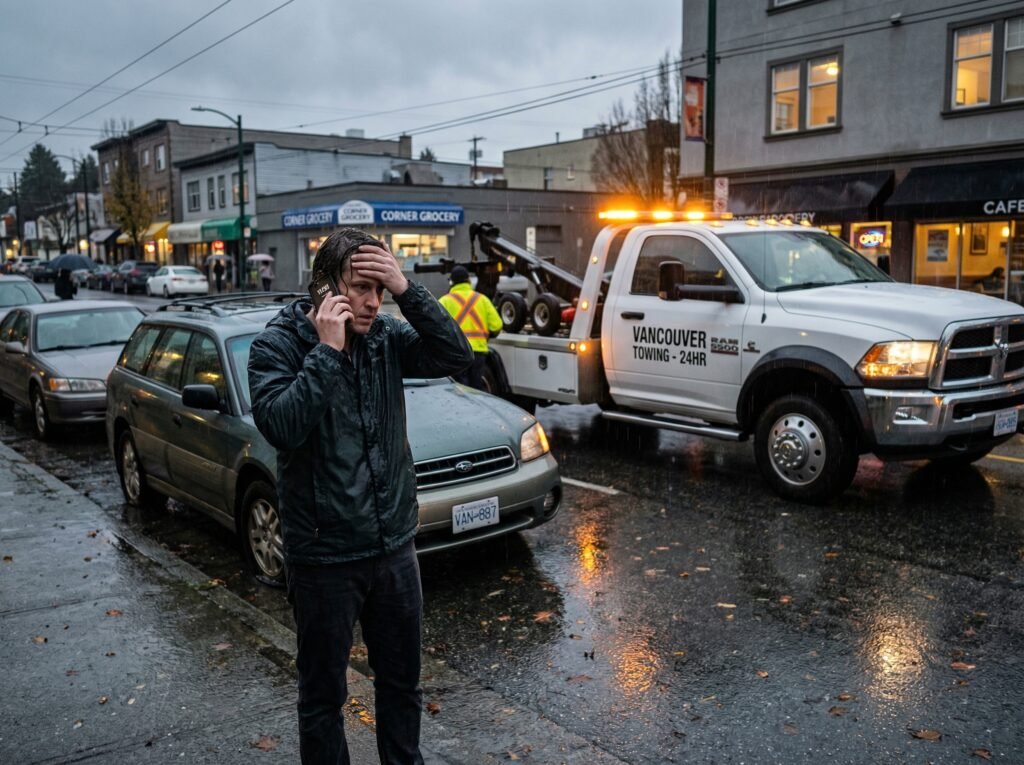
Stay visible and keep the scene simple. If you are on a busy road, move yourself to a safe place and wait for help. If the vehicle is in a risky spot, tell dispatch right away so the right unit, such as long distance hauling services for a far transfer or equipment towing services for heavy loads, is sent.
A good option is:
- Turn on hazard lights if safe.
- Stand away from traffic and blind corners.
- Do not stay inside a vehicle in an unsafe lane.
- Keep your phone on and answer dispatcher calls or texts.
- Have ID, keys, and destination details ready.
Parkade tow in downtown Vancouver
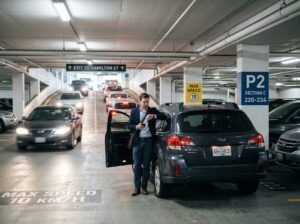
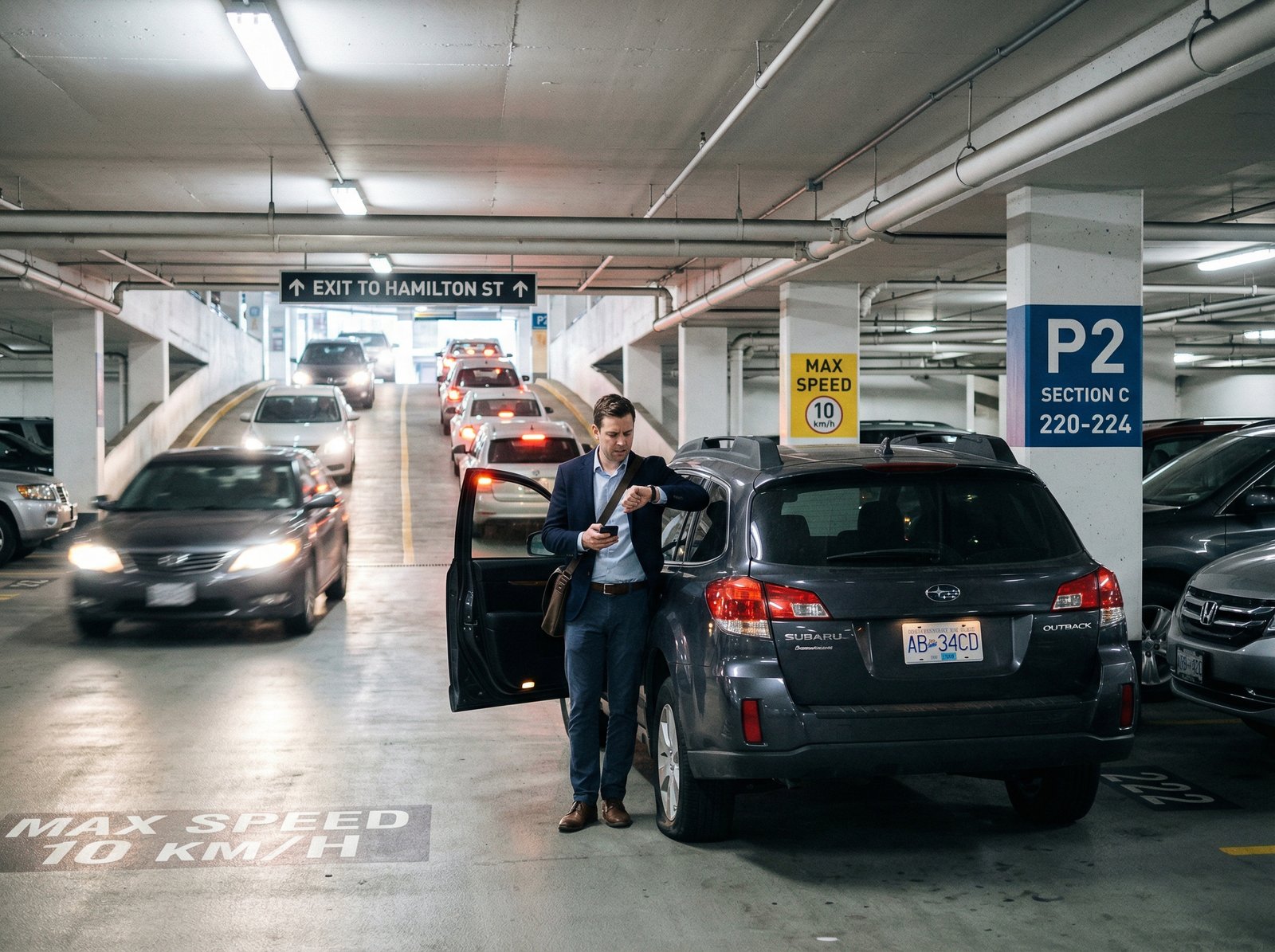
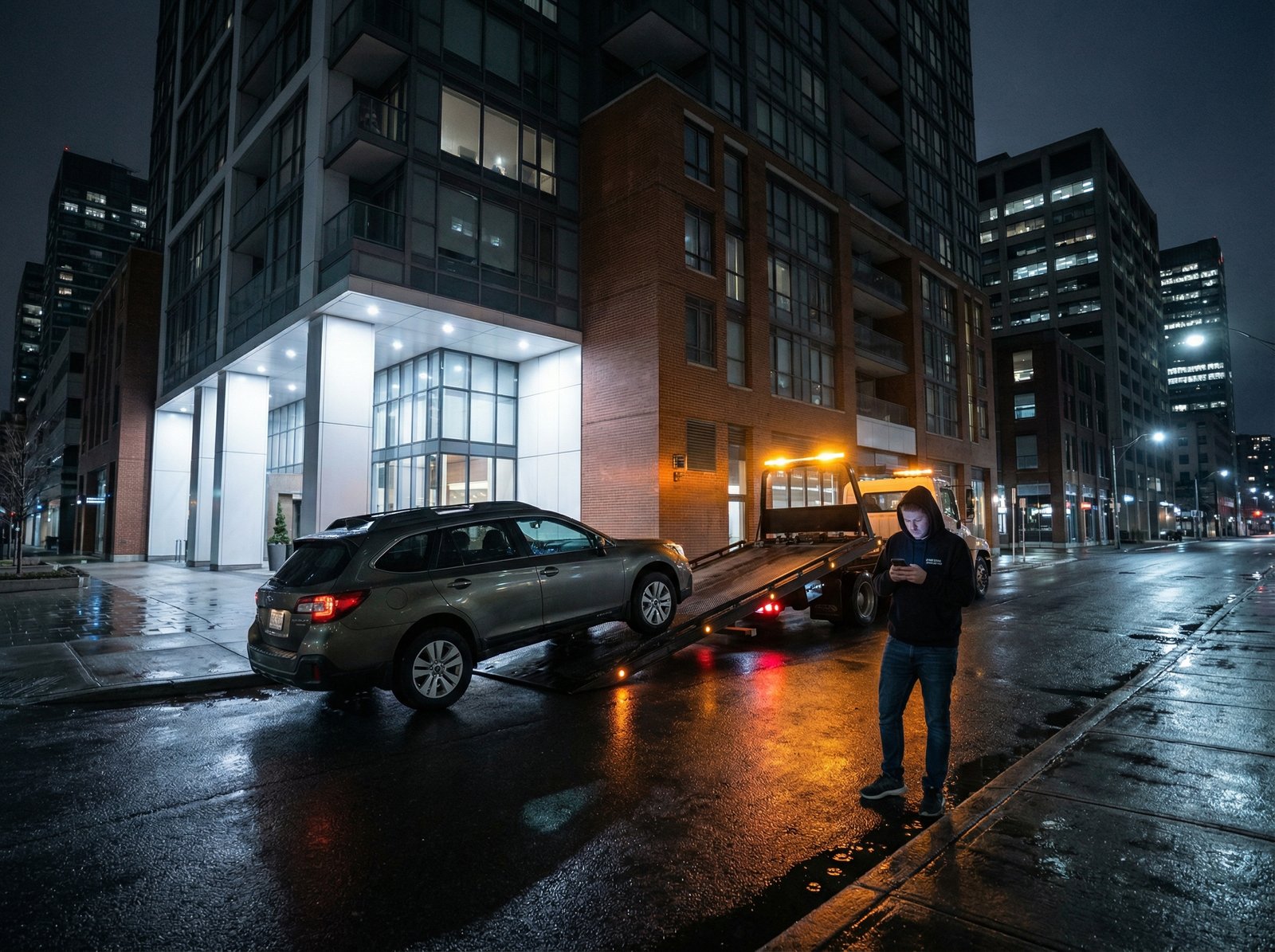
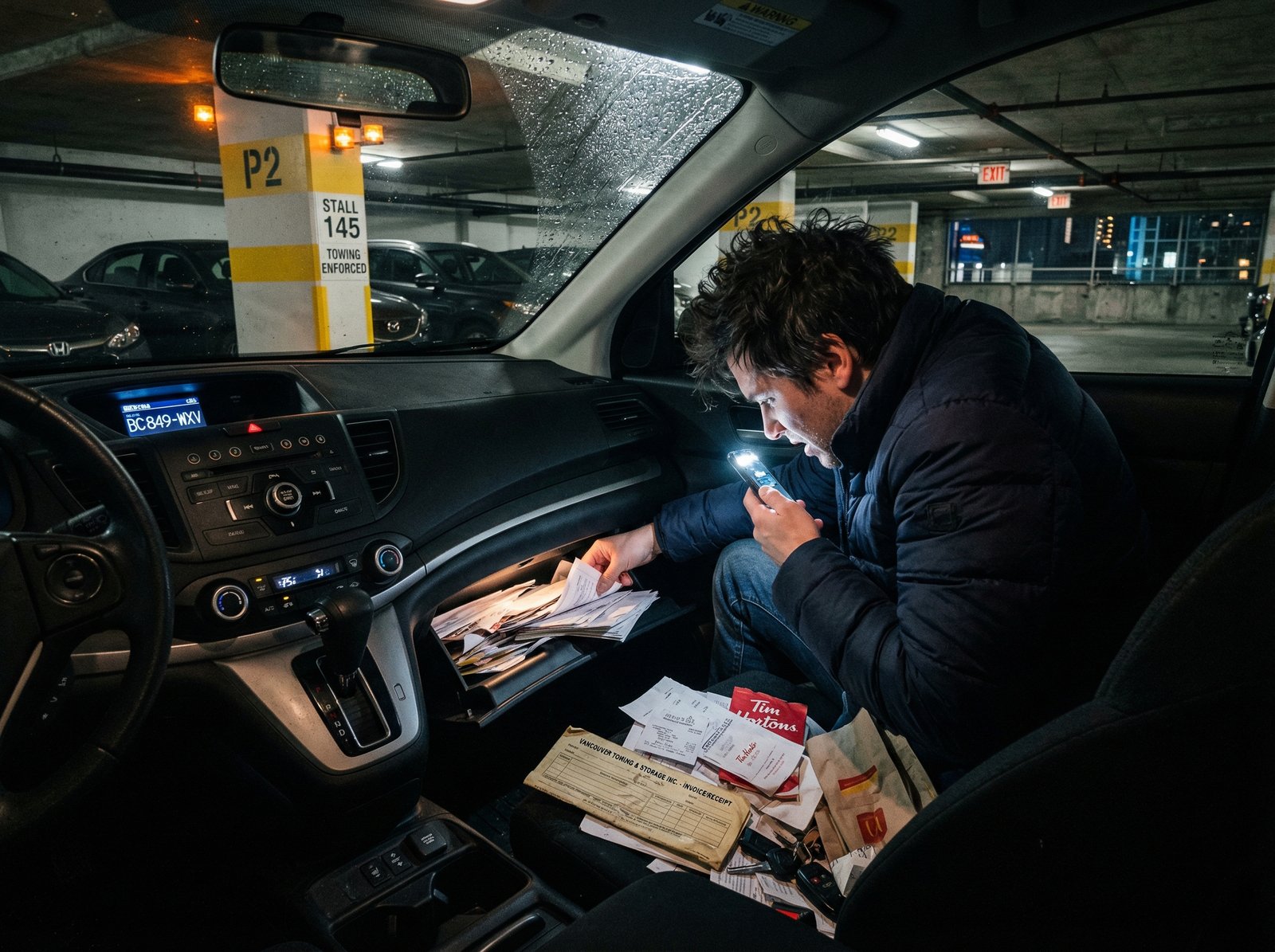
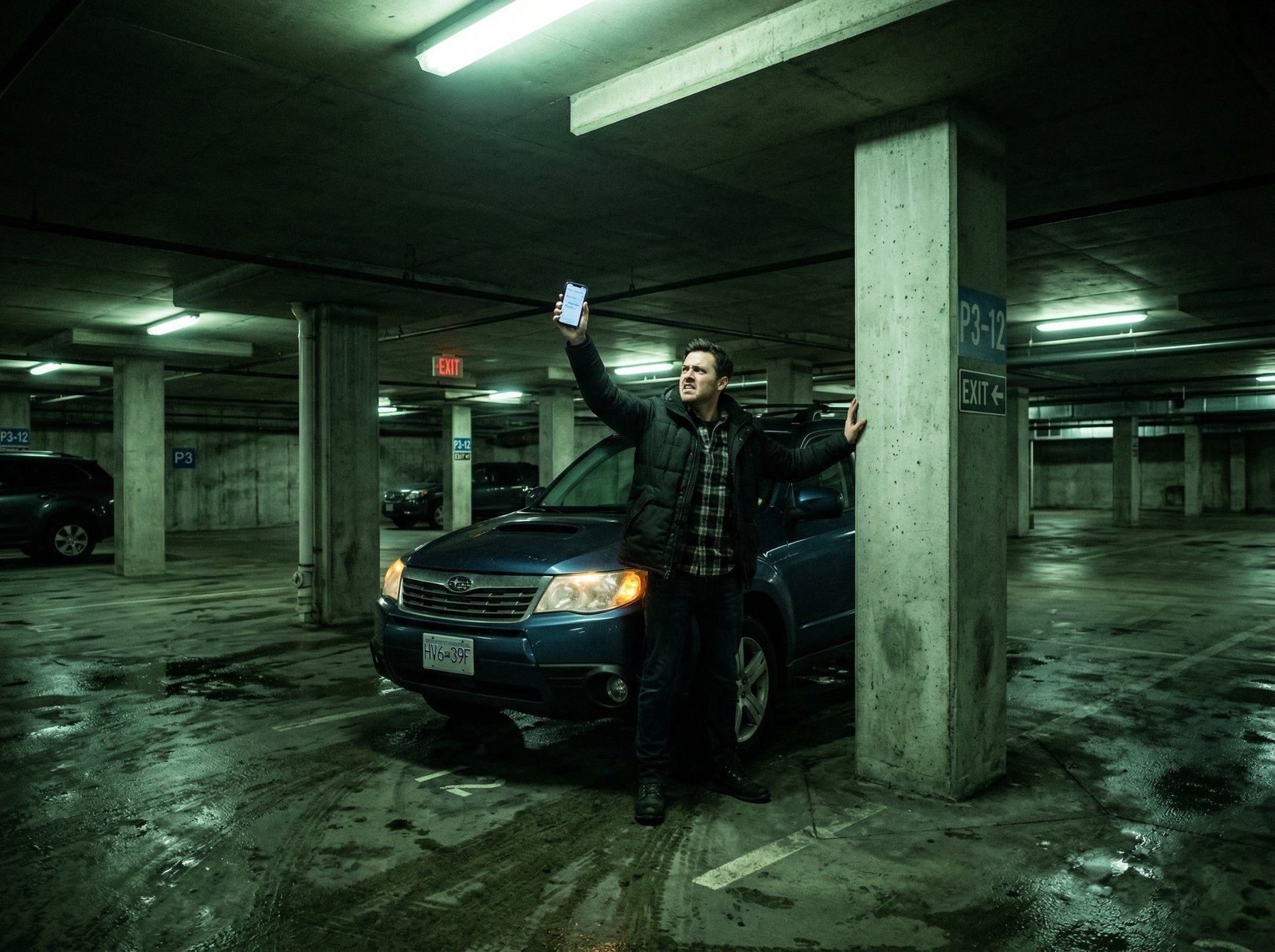
A parkade call often costs more than a street pickup because space is tight and clearance matters. Let dispatch know if the car is in a condo, office tower, or underground ramp. That helps match the job to underground towing services before the truck arrives.
Do this:
- Share stall number and entry point.
- Tell them the height limit.
- Ask if wait time starts during access delays.
Highway tow after a breakdown
Highway jobs can change price because the stop is urgent, traffic is fast, and the drop-off may be farther away. If you want clearer updates, review real ETA updates and ask whether the tow will be a short city move or a full transfer with flatbed towing services.
We recommend this:
- Share the highway name, direction, and nearest exit.
- Say if the car can roll or steer.
- Confirm the repair shop or home address.
Special vehicle or oversized tow
Special vehicles usually need special equipment. A pickup with cargo, an EV, or a large RV may not fit a basic tow setup. Say early if you may need heavy duty towing services, Tesla towing services, or machinery towing services.
Here’s a simple path forward:
- State the make, model, and any load on board.
- Tell them if the wheels are damaged or locked.
- Ask if the quoted rate changes for weight or size.
Suggested plan:
Step 1: Book the right service
Start with the basic facts: vehicle, location, and destination. A short, clear booking message helps you get a more accurate quote and faster dispatch.
Step 2: Share trusted claim info if needed
If this tow is tied to insurance or reimbursement, keep the invoice, time, and location details. Official claim rules can affect what is repayable and what is not.
Step 3: Compare nearby towing options on the site
Pick the service page that matches the real job, not just the cheapest-sounding label. That could mean a city page, a flatbed page, or a specialty page for the vehicle type. Matching the service early can cut delays and billing surprises.
ICBC roadside expense guide
This official ICBC page helps you understand when roadside costs may be repayable and why saving receipts matters. It is useful if your tow is part of a breakdown claim or a Roadside Plus question. Read ICBC emergency roadside expenses before you throw out invoices or proof of payment.
FAQ
Why is the final tow bill higher than the first quote?
The first number is often based on a simple tow. The bill can rise when dispatch finds a harder access point, a longer drop-off, or a different truck is needed. That is common with underground towing services and other tight-access jobs.
Do flatbed tows cost more in Vancouver?
Often, yes. A flatbed can cost more than a basic wheel-lift because the equipment and setup are different. If your car is low, damaged, or all-wheel drive, ask if flatbed towing services is the better fit before booking.
Can storage fees start the same day?
Yes, they can. If your vehicle goes to a yard because the shop is closed or claim steps are not done, storage may start when the vehicle arrives. Ask when the daily charge begins and how release works.
What should I text dispatch to avoid surprise charges?
Send the full address, nearest landmark, vehicle type, and destination. Add photos if the car is blocked in, in a lane, or inside a garage. For downtown jobs, this pairs well with these 7 booking questions.
Does insurance always pay for towing?
Not always. Coverage depends on why the tow happened and what policy or package you have. Review the receipt checklist and the official ICBC page so you keep the right paperwork.
What service should I ask for if I am not sure?
Describe the problem first instead of guessing. Say whether the car rolls, steers, starts, and where it is parked. From there, dispatch can point you to Vancouver towing services, light duty towing services, or another page that fits better.