If you need a tow truck in Vancouver after a crash or breakdown, the invoice matters almost as much as the tow. A missing date, wrong vehicle detail, or vague fee can slow things down. This guide shows what to check on the bill, what to ask before signing, and when a service like light duty towing services or flatbed towing services should be named clearly on the receipt.
Quick overview
- You paid fast and only later noticed the invoice is missing key details.
- You are not sure which towing fee was basic service and which was extra time.
- You need to upload documents and do not want the claim delayed.
- You want the bill to match what dispatch told you on the phone.
In this guide
- Clear service names and itemized fees make follow-up easier.
- Keeping photos, texts, and the final invoice together saves stress later.
Simple version:
- Check the date, time, pickup, and drop-off.
- Make sure the vehicle plate or VIN is listed right.
- Ask for each fee to be named in plain words.
- Save the invoice, payment proof, and scene photos in one folder.
TL;DR: What to check first
- Look for the company name, phone number, date, and invoice number.
- Confirm the vehicle details, tow route, and service type are correct.
- If a fee is unclear, ask before you approve or upload the receipt.
What an ICBC-ready towing invoice should show
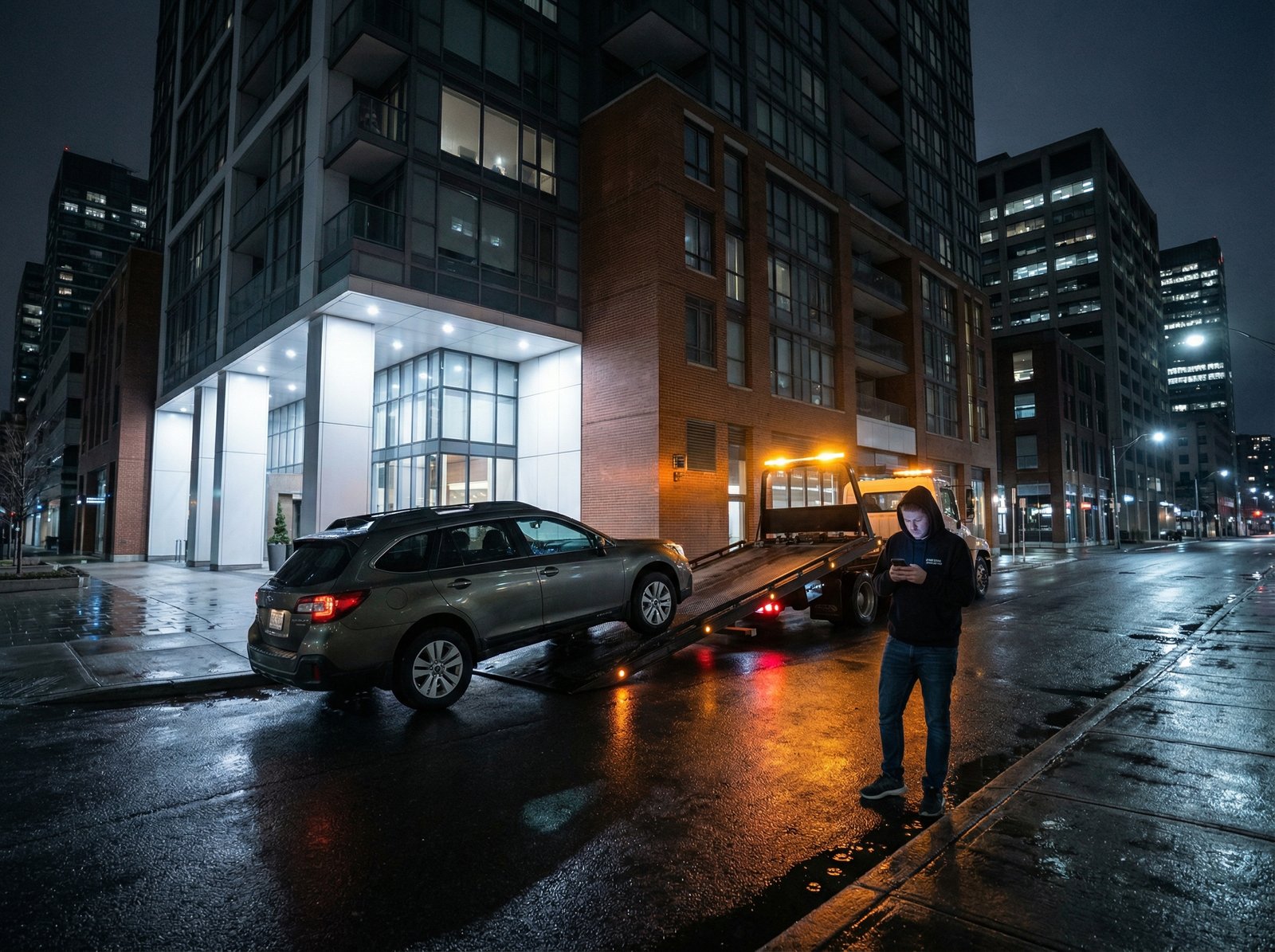
An ICBC-ready towing invoice should let another person understand the job without guessing. For a tow truck in Vancouver, that means the bill should show who did the work, what vehicle was moved, where it started, where it went, and which service was used. That could be underground towing services, truck towing services, or another exact service page from the site.
Context (what matters in this situation):
- Company name and contact details should be easy to read.
- Pickup address, drop-off address, date, and time should be complete.
- Vehicle year, make, model, plate, and VIN should match the car.
- Each charge should be broken out instead of bundled into one line.
How the checklist works in real life
Start with the first call. If dispatch tells you one thing and the invoice shows another, pause and ask. This matters even more on special jobs like motorcycle towing services or Tesla towing services, where equipment and handling can differ.
What this usually looks like (real-world flow):
- Write down the time you called and the name of the company.
- Ask where the car will be dropped and whether storage is involved.
- Before the tow starts, take photos of the vehicle and the scene.
- When the invoice arrives, compare it with the quoted service and route.
- If something is missing, ask for a corrected copy right away.
Details to confirm (so you get the right help fast):
- Check that taxes are listed clearly.
- Check whether after-hours, dollies, winching, or storage were added.
- Keep the payment receipt with the invoice, not in a separate thread.
What you should get as the outcome:
- You get a cleaner file for upload.
- You reduce back-and-forth later.
- You have a better record if you need to question a charge.
Common limits and extra charges people miss
Not every tow bill is wrong, but many are too vague. Review limits, special handling, and added time closely. Compare the wording with cases discussed in tow pricing details and downtown parkade questions so the final invoice feels less like a surprise.
Limits / constraints (what can slow things down):
- Basic tow distance may not cover the whole route.
- Storage may start sooner than you expect if the car cannot be released.
- Parkade access can raise time and loading needs.
- EV, AWD, or low-clearance vehicles may need special handling.
Hidden costs to watch for:
- Waiting time at the scene can add labour charges.
- Extra cleanup or securement time may appear on hard recoveries.
- After-hours or weekend dispatch may change the total.
- Second truck or special gear can increase the bill.
What to do before you approve the invoice
Before you pay, read every line once. If the job involved heavy duty towing services or long distance hauling services, make sure the invoice says so. Then save a digital copy and ask where to upload it if your claim is already open.
- Ask for a revised invoice if the vehicle info or addresses are wrong.
- Keep screenshots of ETA texts and service updates for your records.
Our recommendations for a cleaner towing receipt
Ask for the invoice number before you leave the truck.
Get the service type written in plain words.
Check that pickup and drop-off are both listed fully.
Keep photos of the car before and after the tow.
Store the invoice and payment proof in one folder.
If the tow came from Highway 1, compare your updates with real ETA updates.
Safety steps while you sort out the receipt
Stay safe first, then deal with paperwork. If the breakdown is still active, move step by step and keep the road clear. For roadside jobs tied to RV towing services or trailer towing services, safety and clear notes matter even more.
A good option is:
- Move to a safe spot if you can do it without risk.
- Turn on hazard lights and set out warning markers if available.
- Take wide and close photos before the vehicle is moved.
- Keep valuables and needed documents with you, not in the car.
- Save the driver name, truck number, and invoice copy before leaving.
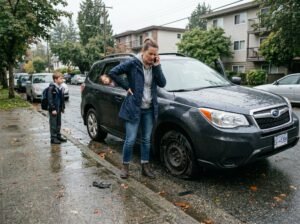
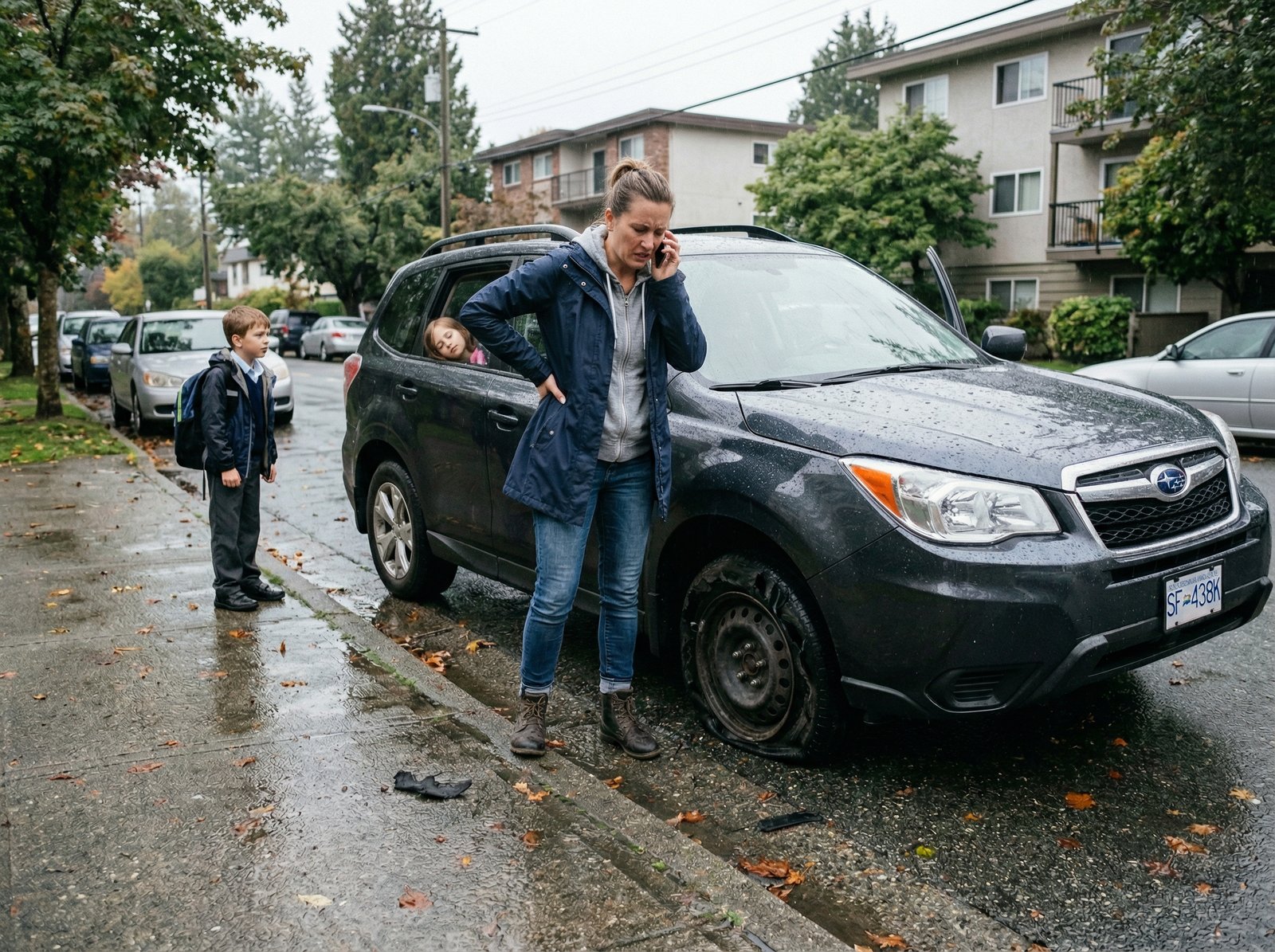
Scenario 1: Crash tow from a street
After a crash, stress is high and details get missed. Ask for the pickup street, drop-off yard or shop, and exact tow type. If the vehicle needs dolly towing services, that should appear clearly on the bill.
Do this:
- Write down the claim number if you already have one.
- Check whether storage starts the same day.
- Ask for a photo or text copy of the invoice right away.
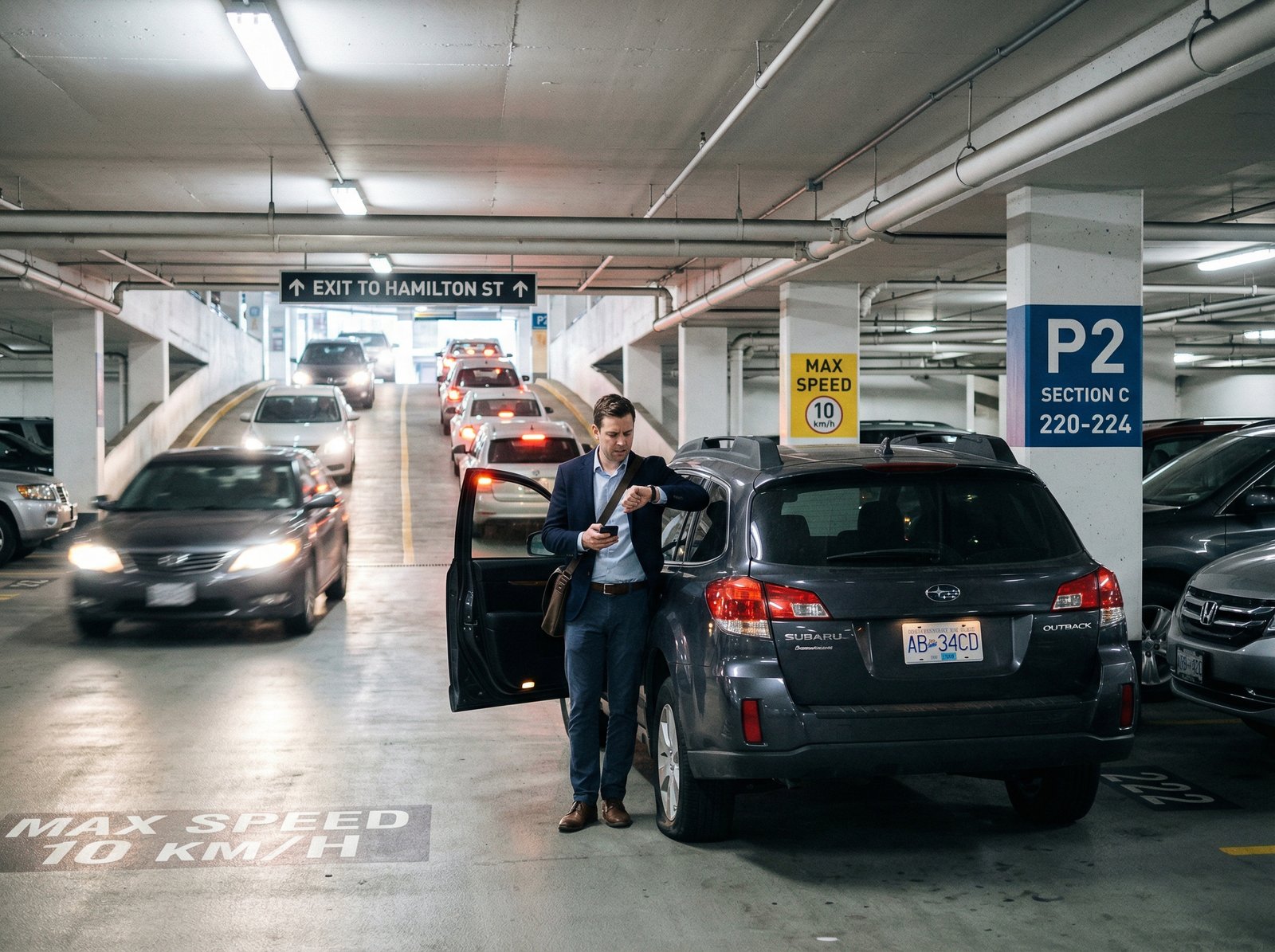
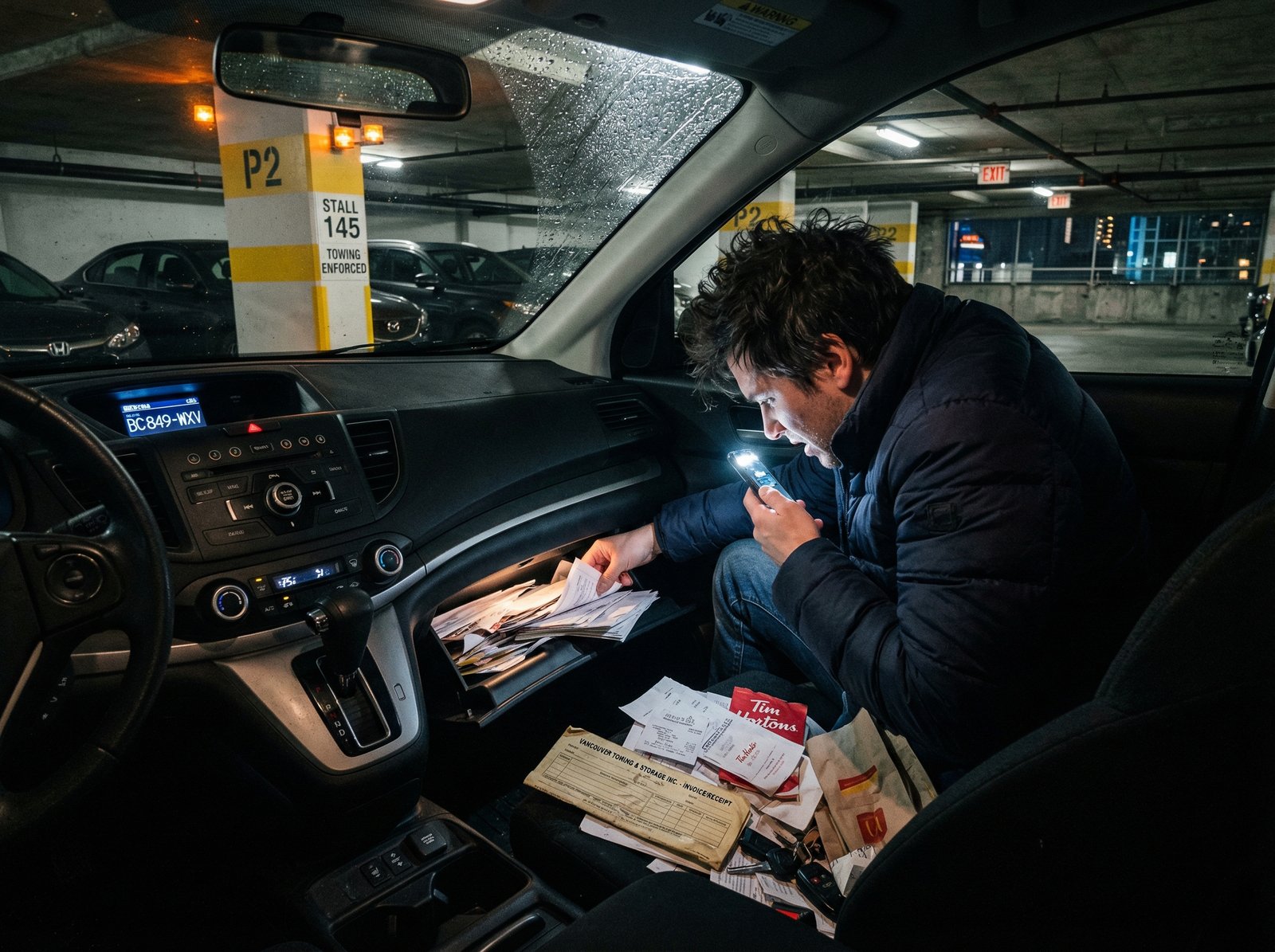
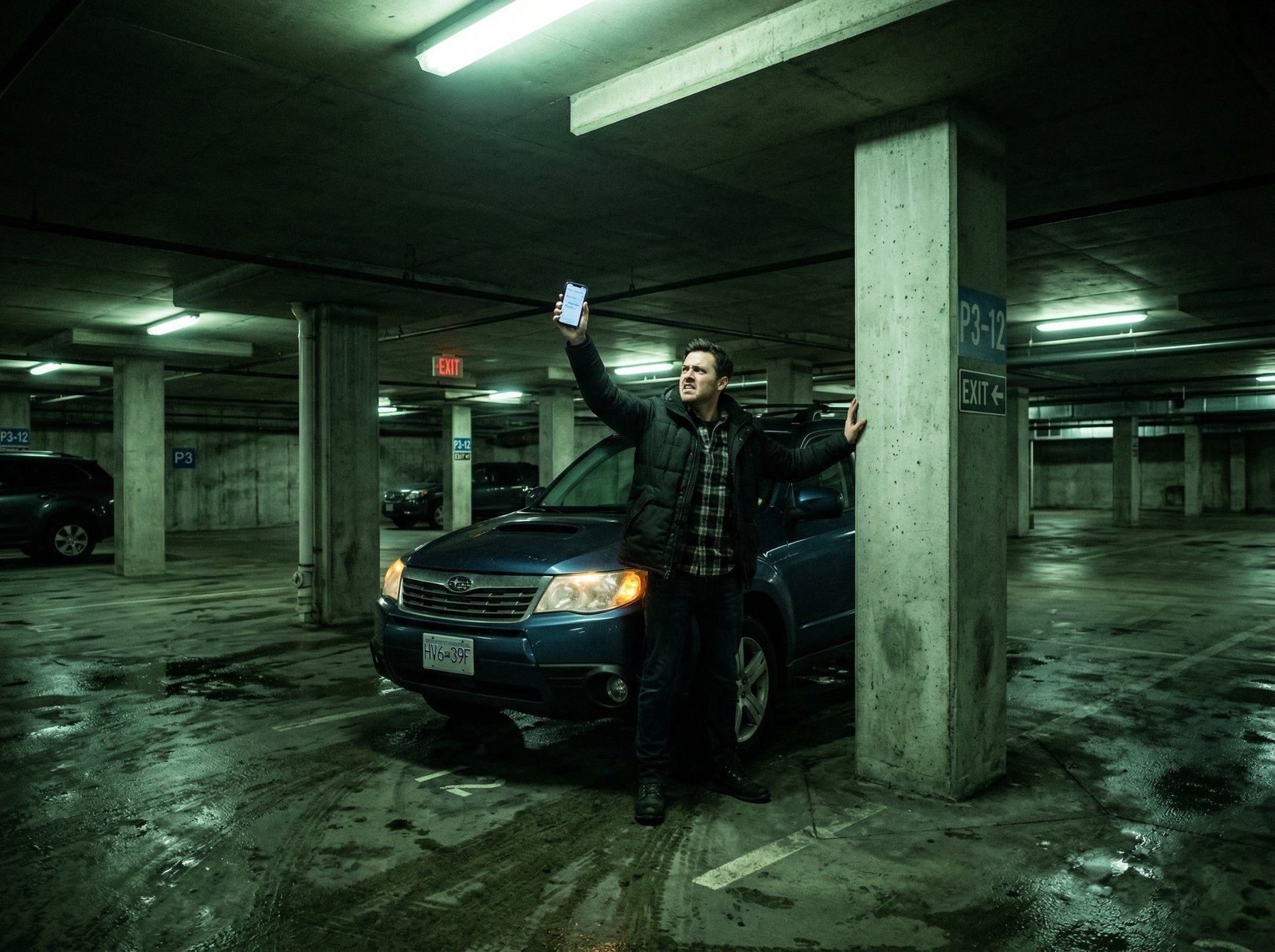
Scenario 2: Downtown parkade tow
Parkade jobs often take longer because of height limits, turns, and loading space. Review time-based charges closely and compare them with what was explained before the tow. This is also where parkade towing questions can help you ask better follow-up questions.
We recommend this:
- Ask if the route out of the parkade affected price.
- Confirm whether extra equipment was needed.
- Make sure the invoice says parkade or underground if that was the job.
Scenario 3: Special vehicle tow
EVs, AWD vehicles, motorcycles, and low-clearance cars need the right method. A bill that only says tow service may be too thin if the real job was motorhome towing services or another special move. Clear wording protects you if you need to explain the charge later.
Here’s a simple path forward:
- Check if special loading or securement time was added.
- Confirm the drop-off location exactly.
- Ask for the corrected invoice before the file goes cold.
Suggested plan:
Step 1: Book the tow
Use the booking page or quote page to start fast. If your car is stuck in a tight spot, mention it early so the right truck is sent. That helps the invoice match the real work from the start.
Step 2: Share your location and documents
Send the pickup spot, vehicle details, and any claim info you already have. For official claim follow-up, keep the invoice ready and use the ICBC claims tool to upload or manage documents after the tow.
Step 3: Choose the right service if needed
If you know the vehicle type, ask for the closest match. You may need boat towing services, equipment towing services, or machinery towing services instead of a generic tow. Clear service names help the final invoice make sense.
ICBC claim upload help
This ICBC page helps because it lets you manage a claim and upload supporting documents in one place. Before you submit, compare your invoice against this checklist so the file is easier to read. You can also use ICBC claim management to check what has been added to your claim and what still needs attention.
FAQ: Vancouver towing invoice questions
Does ICBC need the towing invoice to be itemized?
An itemized invoice is safer because it shows what you paid for line by line. If the bill only has one total, ask for a clearer copy before you upload it. That is even more useful when the tow involved a special move like flatbed towing services.
What details should be on the towing receipt?
Look for the company name, date, time, service type, vehicle details, pickup, drop-off, taxes, and total paid. Payment method or receipt proof also helps. Keep the wording simple and easy to match to the real job.
Can I question a towing charge after I get the invoice?
Yes. Ask for a corrected or clearer invoice as soon as you spot the issue. If the question is about how the price changed, this guide on what changes the final tow bill can help you review the line items.
What if my car was towed from an underground parkade?
Check that the invoice says underground or parkade if that changed access, time, or equipment. This can explain why the price was not the same as a simple curbside pickup. It also gives you a better paper trail later.
Should I keep ETA texts and call notes too?
Yes. Save ETA texts, driver updates, payment proof, and photos with the invoice. Those notes can help if you need to explain delays or route changes, especially after a highway tow. You can compare what happened with Highway 1 ETA updates for a simple example of useful timing details.
Where can I get towing help in Vancouver now?
You can start with the Vancouver service page or request a quote right away. Expressway Towing serves local towing needs and can point you to the right service type faster. If you are unsure, start with the main Vancouver towing services page and then confirm the exact tow type.